


Primary sourceDocument1867
An Appeal to Congress for Impartial Suffrage
Frederick Douglass · 1867
Douglass's 1867 essay arguing directly to Congress for Black men's right to vote, grounded in a claim of shared manhood.
Douglass wrote this appeal himself, lobbying Congress directly for the voting rights he had long campaigned for.
About this source
What it is
This essay was written by Frederick Douglass in 1867, addressed to Congress to argue for what he called 'impartial suffrage'—the right of Black men to vote.
Why it matters
Douglass bases his argument on the idea that voting rights flow from manhood itself, not from any permission granted by others. Written two years before Congress passed the 15th Amendment, this piece shows Douglass actively lobbying lawmakers rather than simply commenting from outside, and reveals the reasoning that helped shape the constitutional change that followed.
Look closer
- Why does Douglass link the right to vote to the idea of 'manhood' rather than other arguments?
- What does it mean that this essay was addressed directly to Congress rather than the general public?
- How does this essay connect to the amendment that came two years later?
This document is part of the curated material that grounds the AI version of Frederick Douglass on Humy.ai — when students ask about related events, the AI can quote it and cite it.
More Frederick Douglass sources
Meet the AI Frederick Douglass →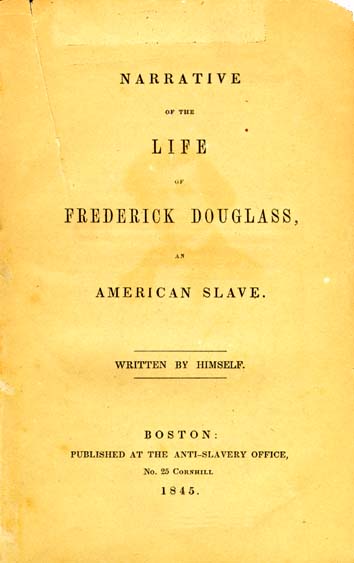 Book
Primary source
Narrative of the Life of Frederick Douglass, an American Slave
Frederick Douglass · 1845
Primary source
What to the Slave Is the Fourth of July?
Frederick Douglass · 5 July 1852
 Document
Primary source
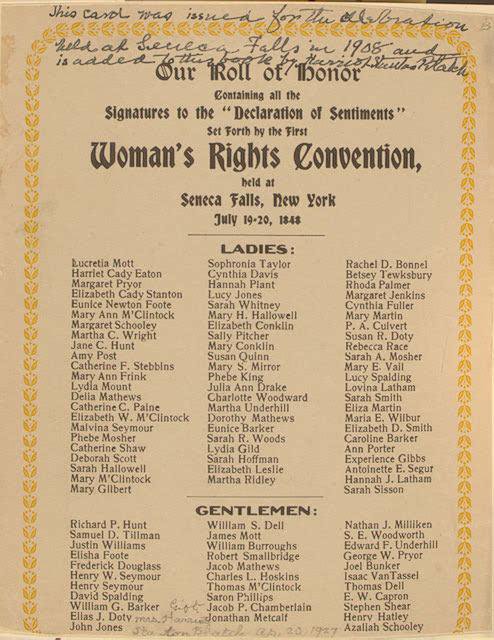
Declaration of Sentiments
Elizabeth Cady Stanton · 1848
 Newspaper article
Primary source
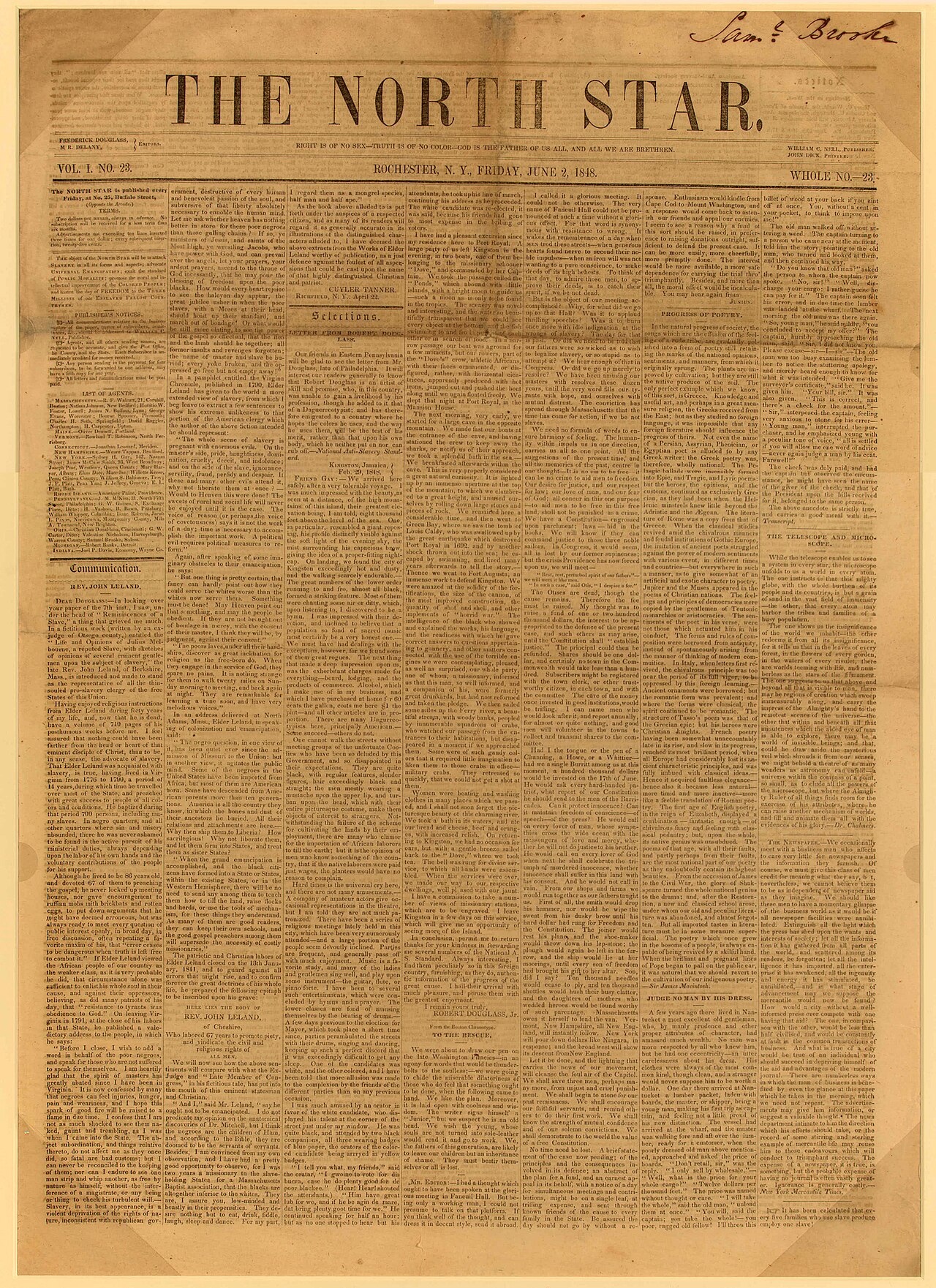
The North Star
Frederick Douglass · 1847
Primary source
My Bondage and My Freedom
Frederick Douglass · 1855
Ready when you are
Start chatting with Frederick Douglass now.
20 messages free · No credit card · Available in 50+ languages.