


Secondary sourceDocumentBase map 1924, markings added 2010
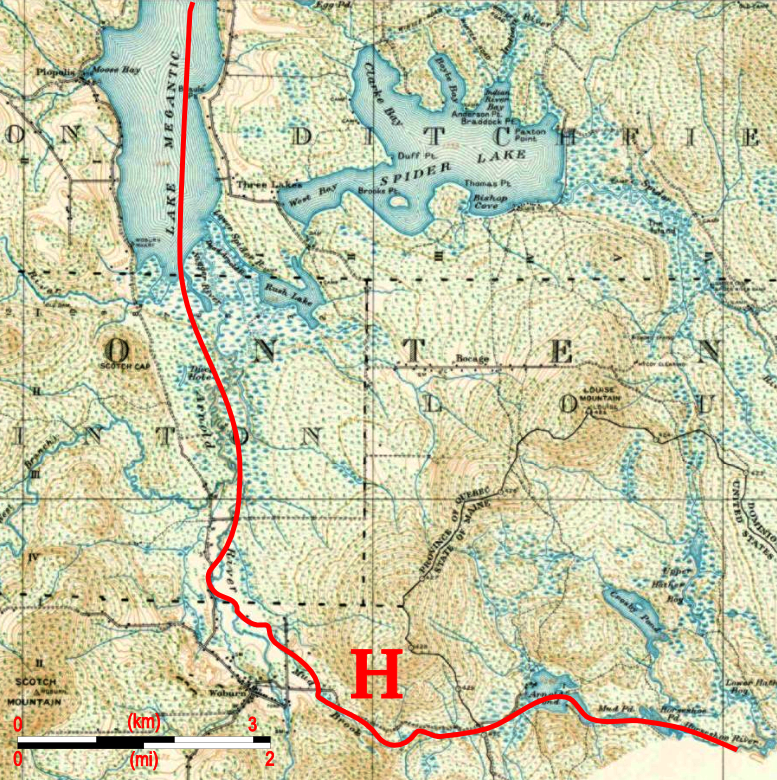
Annotated Topographic Map of Arnold's Maine Route
Canadian Department of National Defence; markings by Magicpiano · Base map 1924, markings added 2010
A 20th-century topographic map marked to show the path of Arnold's 1775 expedition across Maine toward Quebec.
Marks the difficult terrain Arnold's 1775 expedition crossed on its way to attack Quebec.
About this source
What it is
This is an extract from a topographic map published in 1924 by Canada's Department of National Defence, later annotated with a red line in 2010 to show the route of Benedict Arnold's expedition between the Kennebec River in Maine and the Chaudière River in Quebec.
Why it matters
The map illustrates the rugged highland terrain Arnold's force had to cross during the 1775 invasion of Canada. Because the base map was made more than a century after the expedition, it is useful for understanding geography but was not created by anyone involved in the campaign.
Look closer
- What does the detailed terrain shown here tell you about the difficulty of the march?
- Why might a modern topographic map be more accurate than an 18th-century one for showing terrain, even though it was made much later?
- What is missing from a map like this that a diary or letter from the expedition might tell you?
This document is part of the curated material that grounds the AI version of Benedict Arnold on Humy.ai — when students ask about related events, the AI can quote it and cite it.
More Benedict Arnold sources
Meet the AI Benedict Arnold →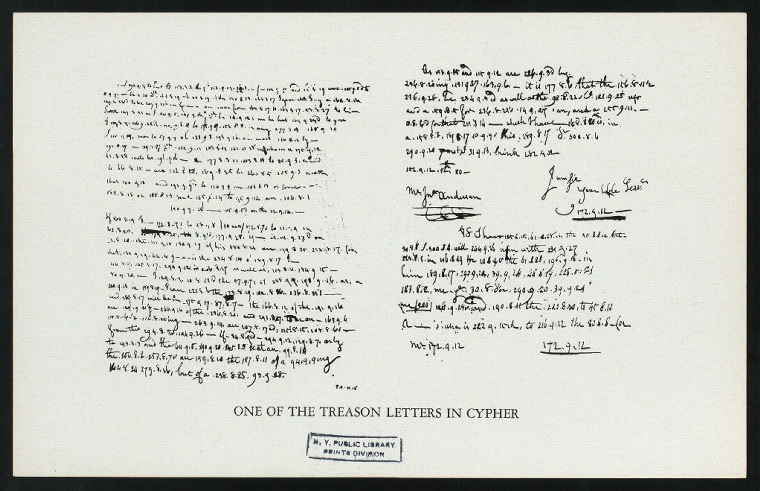 Letter
Primary source
Arnold Treason Cipher Letter
Benedict Arnold; Peggy Shippen Arnold · 1780
 Document
Primary source
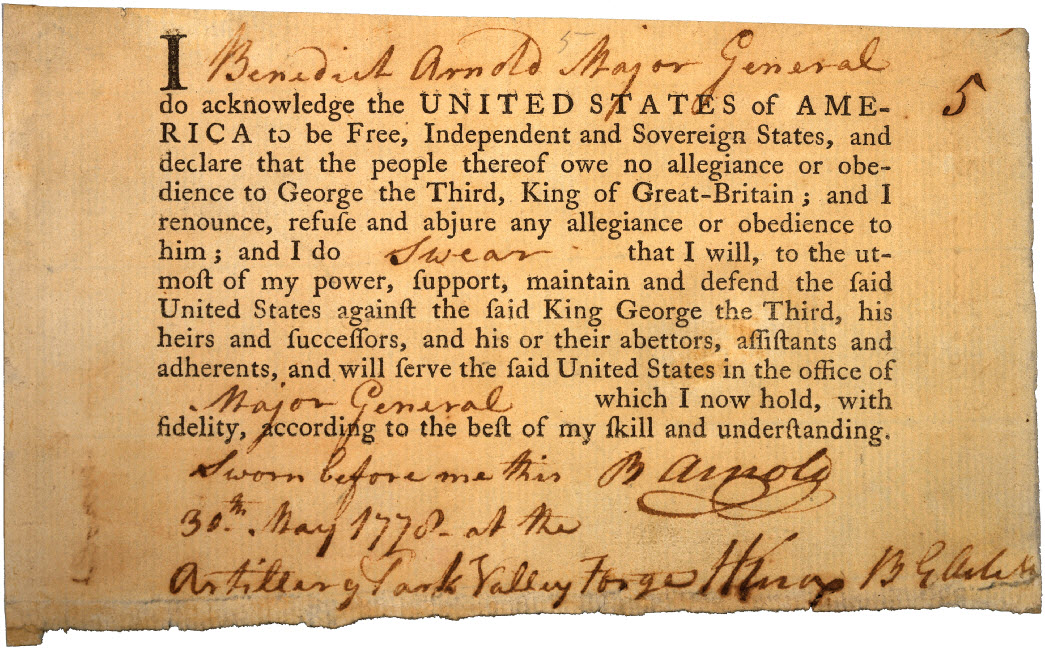
Benedict Arnold's Oath of Allegiance
Continental Congress · 30 May 1778
 Painting
Primary source
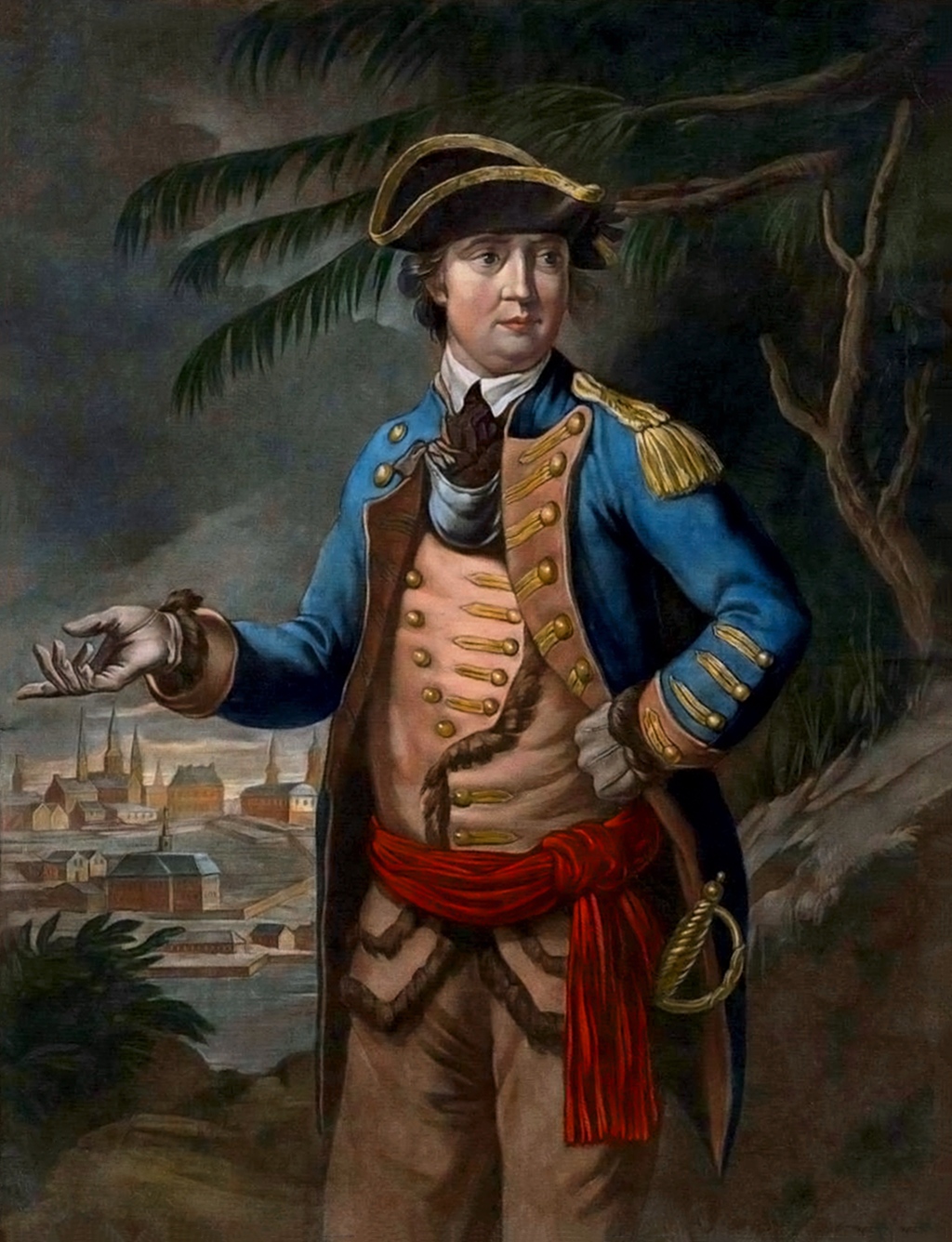
Portrait of Benedict Arnold
Thomas Hart · 26 March 1776
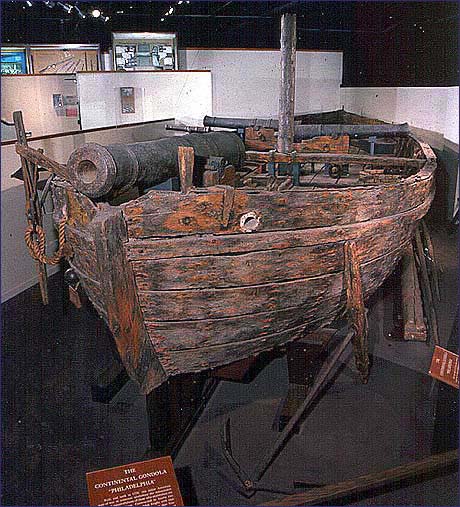 Artifact
Primary source
USS Philadelphia
1776
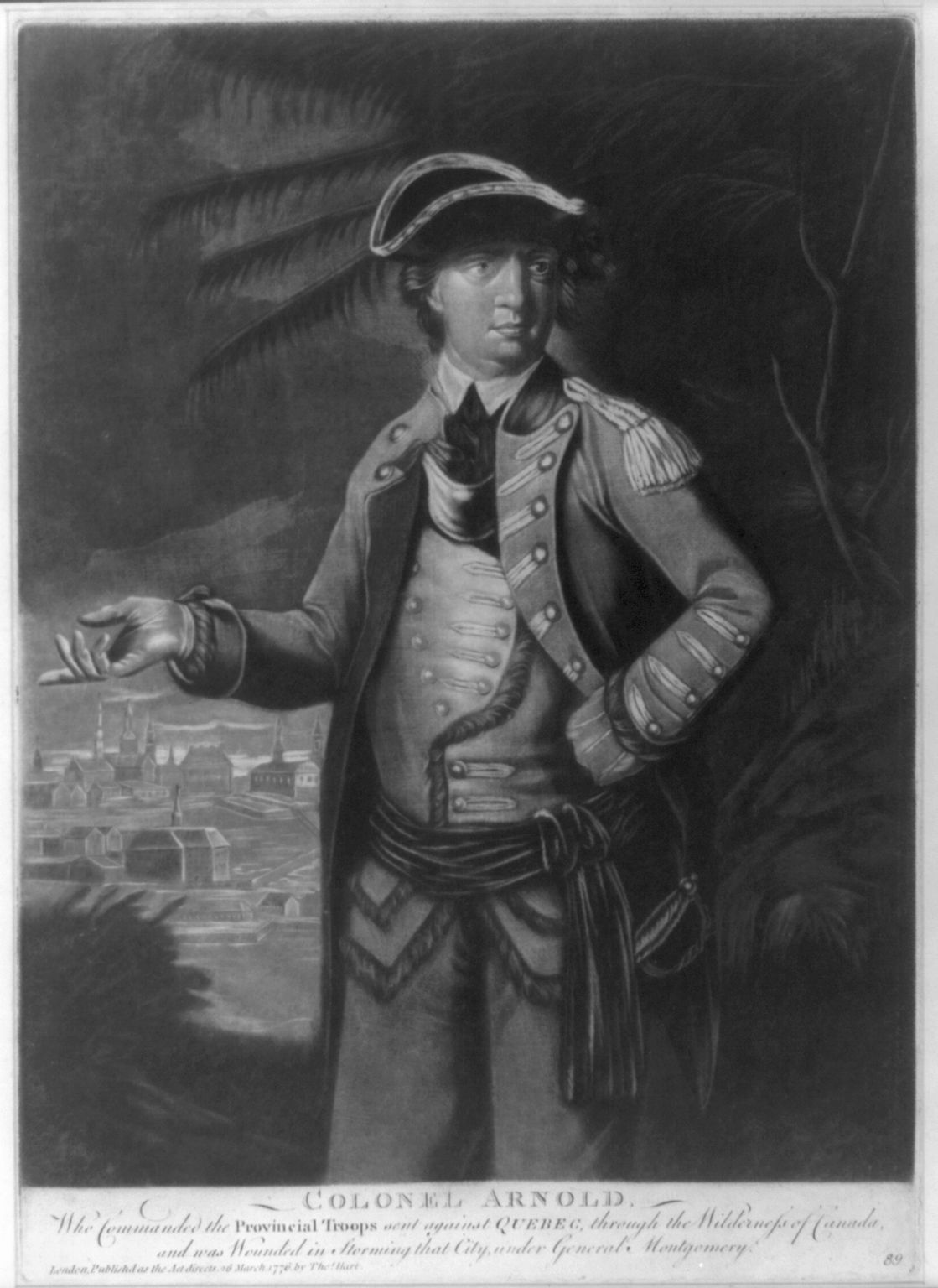 Painting
Primary source
Colonel Arnold
Thomas Hart · 1776
Ready when you are
Start chatting with Benedict Arnold now.
20 messages free · No credit card · Available in 50+ languages.