


Primary sourceArtifactc. 312-315
Arch of Constantine
Roman Senate · c. 312-315
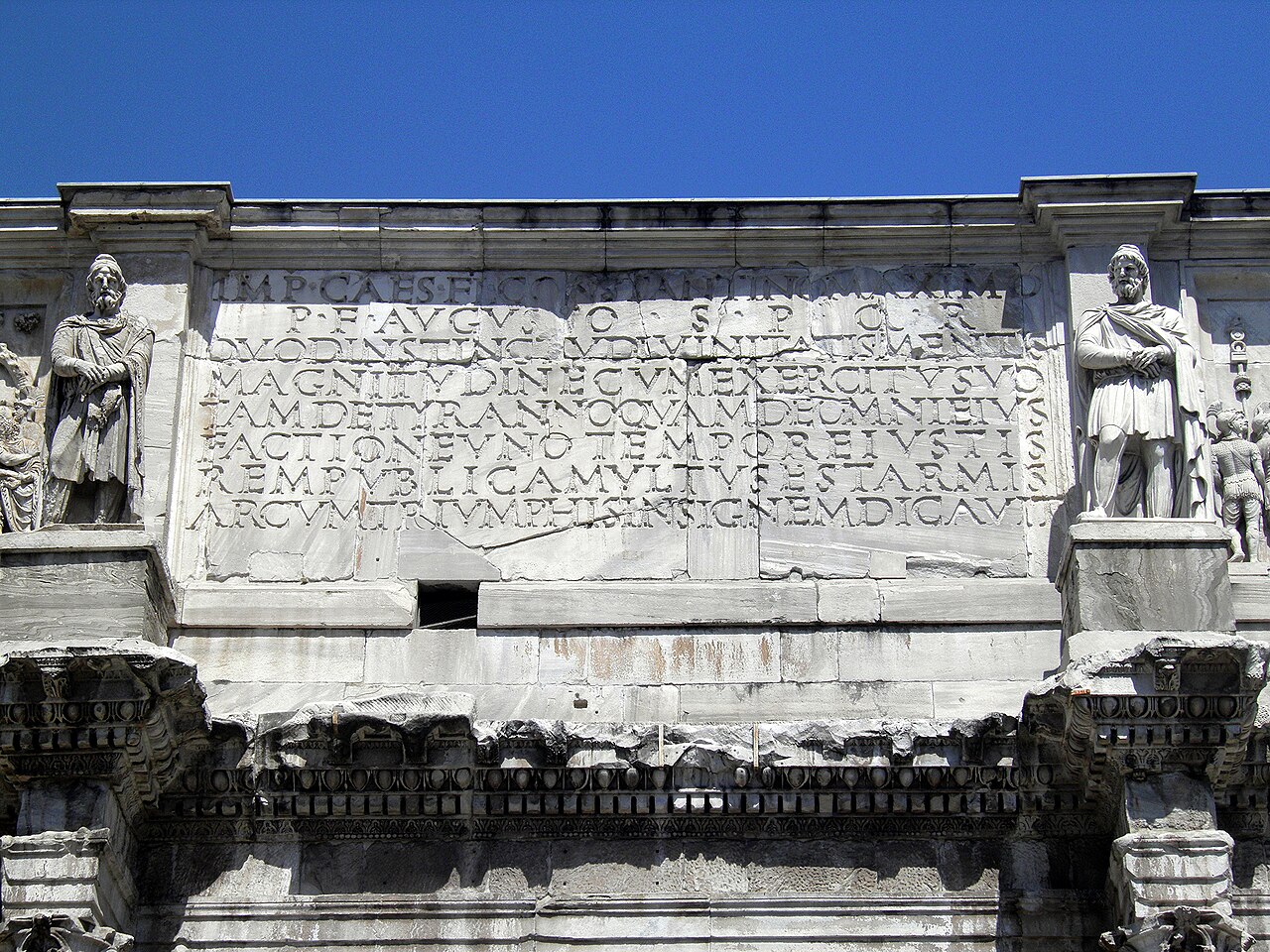
A triumphal arch built by the Roman Senate in Rome to honor Constantine's victory over Maxentius, reusing older imperial reliefs.
The Senate built this arch to commemorate Constantine's victory over Maxentius, celebrating him as Rome's ruler.
About this source
What it is
The Arch of Constantine is a triumphal arch in Rome, near the Colosseum, built by order of the Roman Senate around 312–315 to celebrate Constantine's victory over his rival Maxentius. It reuses sculpted reliefs from earlier emperors' monuments alongside new carvings.
Why it matters
The arch's inscription credits Constantine's victory to the vague phrase "instinctu divinitatis" (by inspiration of divinity), avoiding naming any specific god. This ambiguity shows how uncertain or cautious Constantine's religious messaging still was at this stage, even as Christianity was gaining imperial favor. The monument also reveals how the Senate, not Constantine himself, shaped his public image.
Look closer
- Why might the Senate have chosen a vague phrase about divinity rather than naming a specific god?
- What does reusing older reliefs from earlier emperors suggest about how Romans thought about continuity and tradition?
- What does the arch's inscription leave out about the civil war it commemorates?
This artifact is part of the curated material that grounds the AI version of Constantine the Great on Humy.ai — when students ask about related events, the AI can quote it and cite it.
More Constantine the Great sources
Meet the AI Constantine the Great →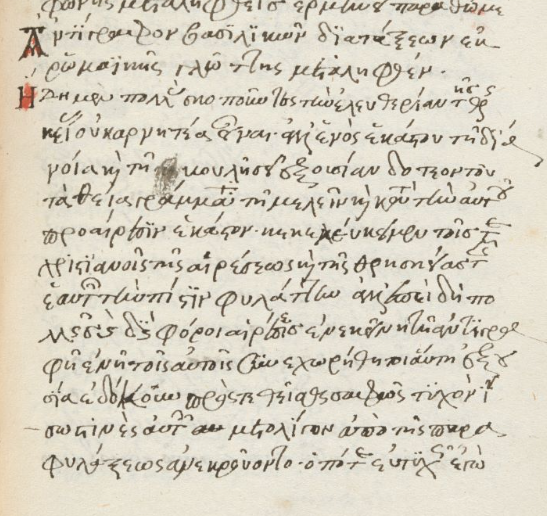 Document
Secondary source
Edict of Milan
Constantine the Great · 313 AD
 Artifact
Secondary source
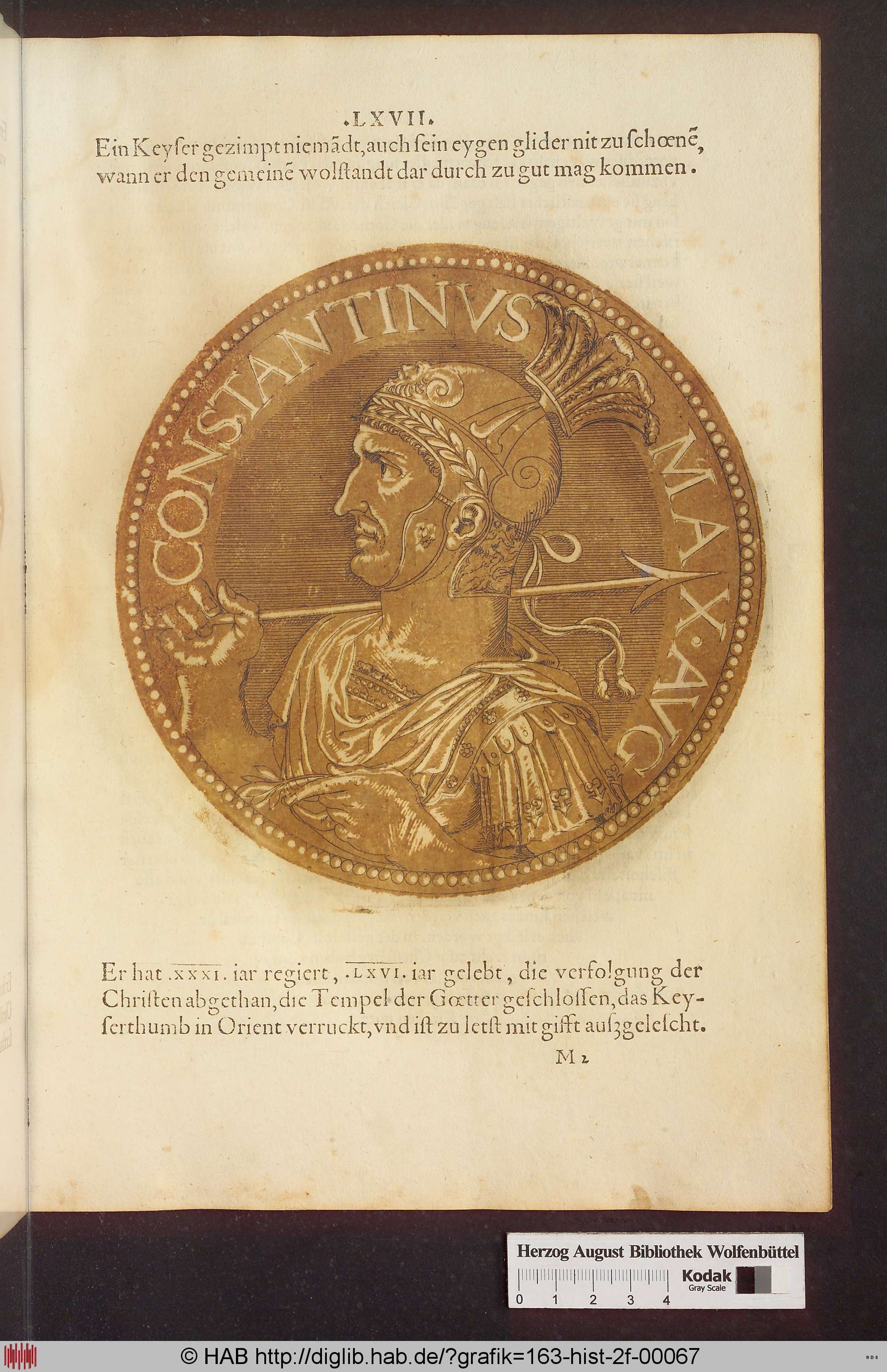
Woodcut Portrait of Constantine the Great
Josse van Gietleughen
 Painting
Secondary source
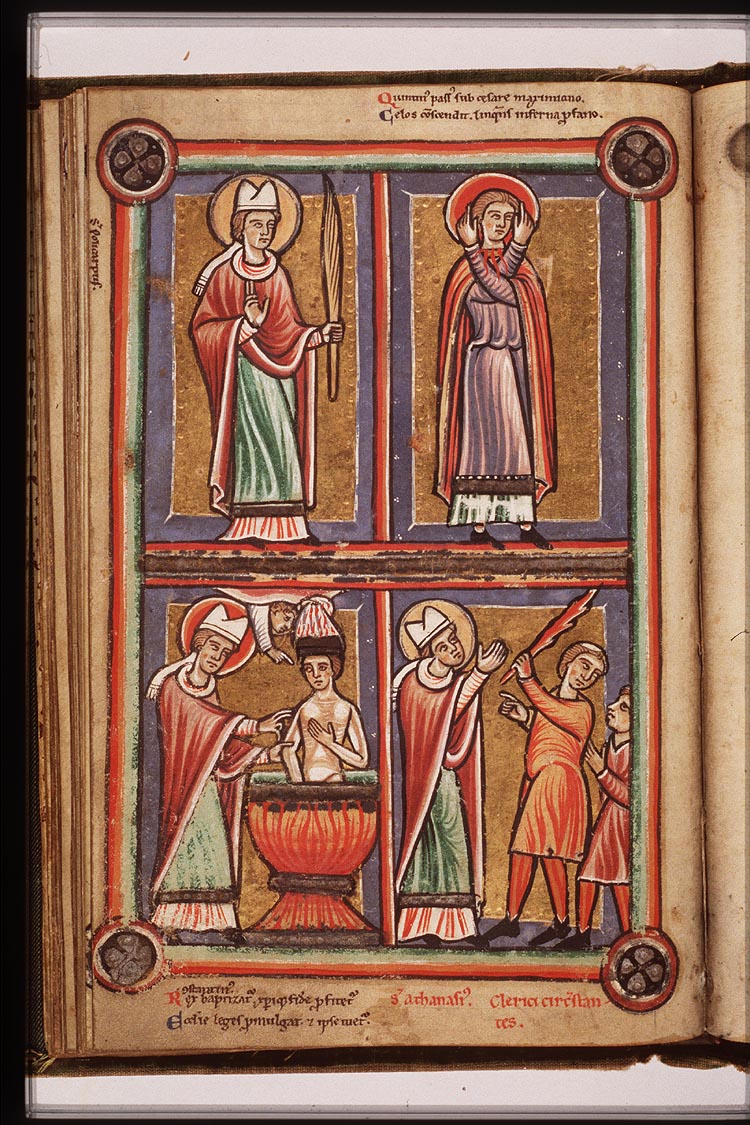
Constantine the Great Baptised by St Sylvester
c. 1200
 Book
Secondary source
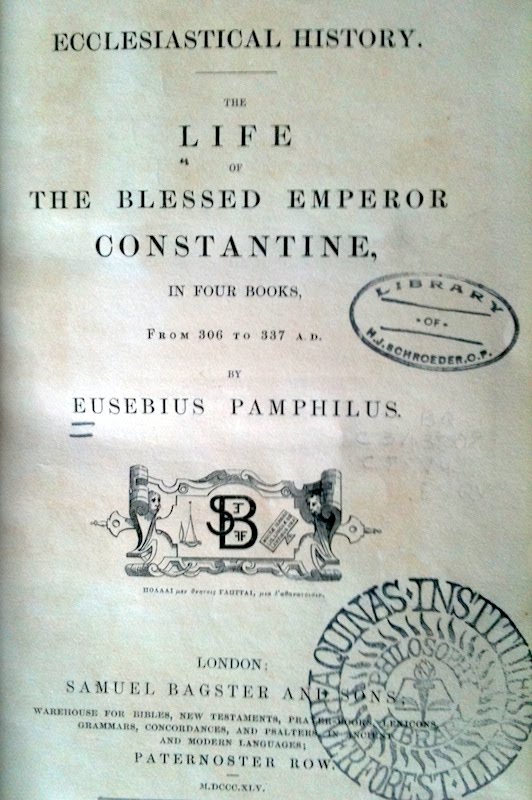
Life of Constantine
Eusebius of Caesarea · 345
 Book
Secondary source
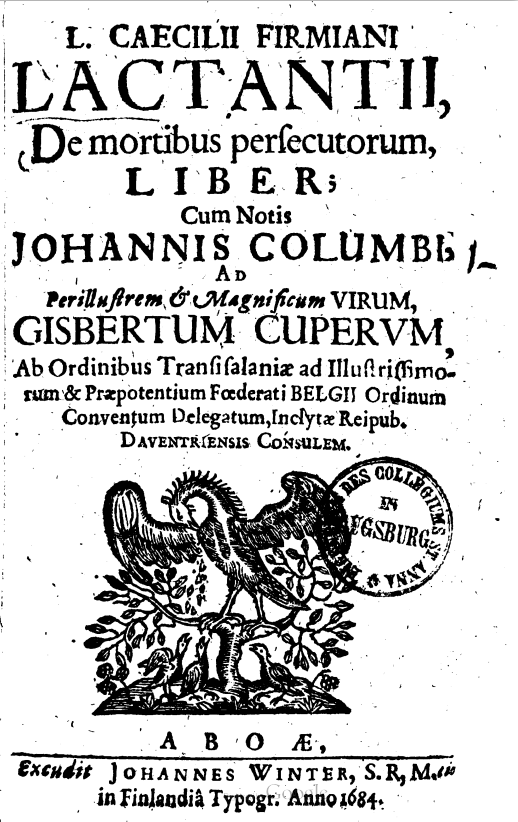
De mortibus persecutorum
Lactantius · after 316
Ready when you are
Start chatting with Constantine the Great now.
20 messages free · No credit card · Available in 50+ languages.