


Secondary sourceBookafter 316
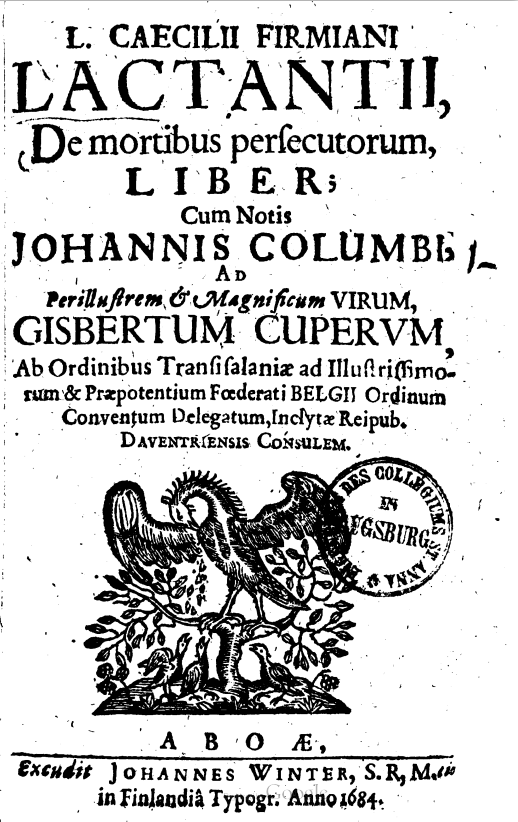
De mortibus persecutorum
Lactantius · after 316
A work by Lactantius describing the deaths of emperors who persecuted Christians, and the earliest account of Constantine's dream before the Battle of the Milvian Bridge.
Lactantius, tutor to Constantine's son, gives the earliest account of Constantine's vision before the Milvian Bridge and the Edict of Milan's text.
About this source
What it is
De mortibus persecutorum (On the Deaths of the Persecutors) is a Latin work by Lactantius, a Christian scholar who served at the courts of both Diocletian and Constantine, written sometime after 316. It describes the downfall of emperors who persecuted Christians, mainly those of the Tetrarchy period.
Why it matters
The book contains the earliest surviving account of Constantine's dream before the Battle of the Milvian Bridge, in which he was told to mark his soldiers' shields with the chi-rho symbol, a key moment later linked to his conversion to Christianity. It is also one of the sources for the Edict of Milan. Lactantius wrote openly as a Christian apologist, aiming to show God punishing persecutors, so historians read it carefully for bias.
Look closer
- Why does Lactantius's account of Constantine's dream differ from Eusebius's account of a vision in the sky?
- What does Lactantius say was his purpose in writing, and how might that purpose shape what he included?
- Why might a tutor to Constantine's own son have been inclined to present him favorably?
This book is part of the curated material that grounds the AI version of Constantine the Great on Humy.ai — when students ask about related events, the AI can quote it and cite it.
More Constantine the Great sources
Meet the AI Constantine the Great →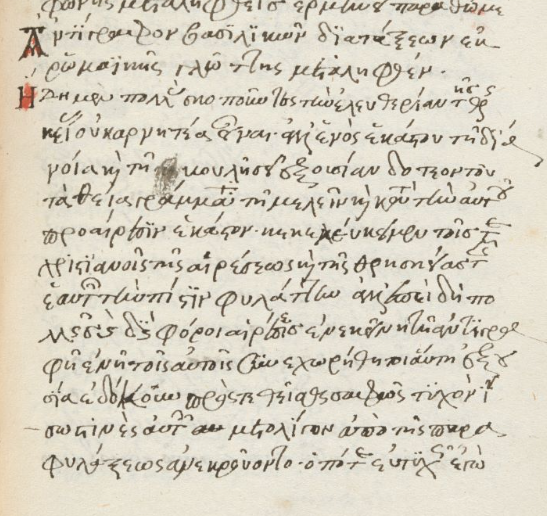 Document
Secondary source
Edict of Milan
Constantine the Great · 313 AD
 Artifact
Secondary source
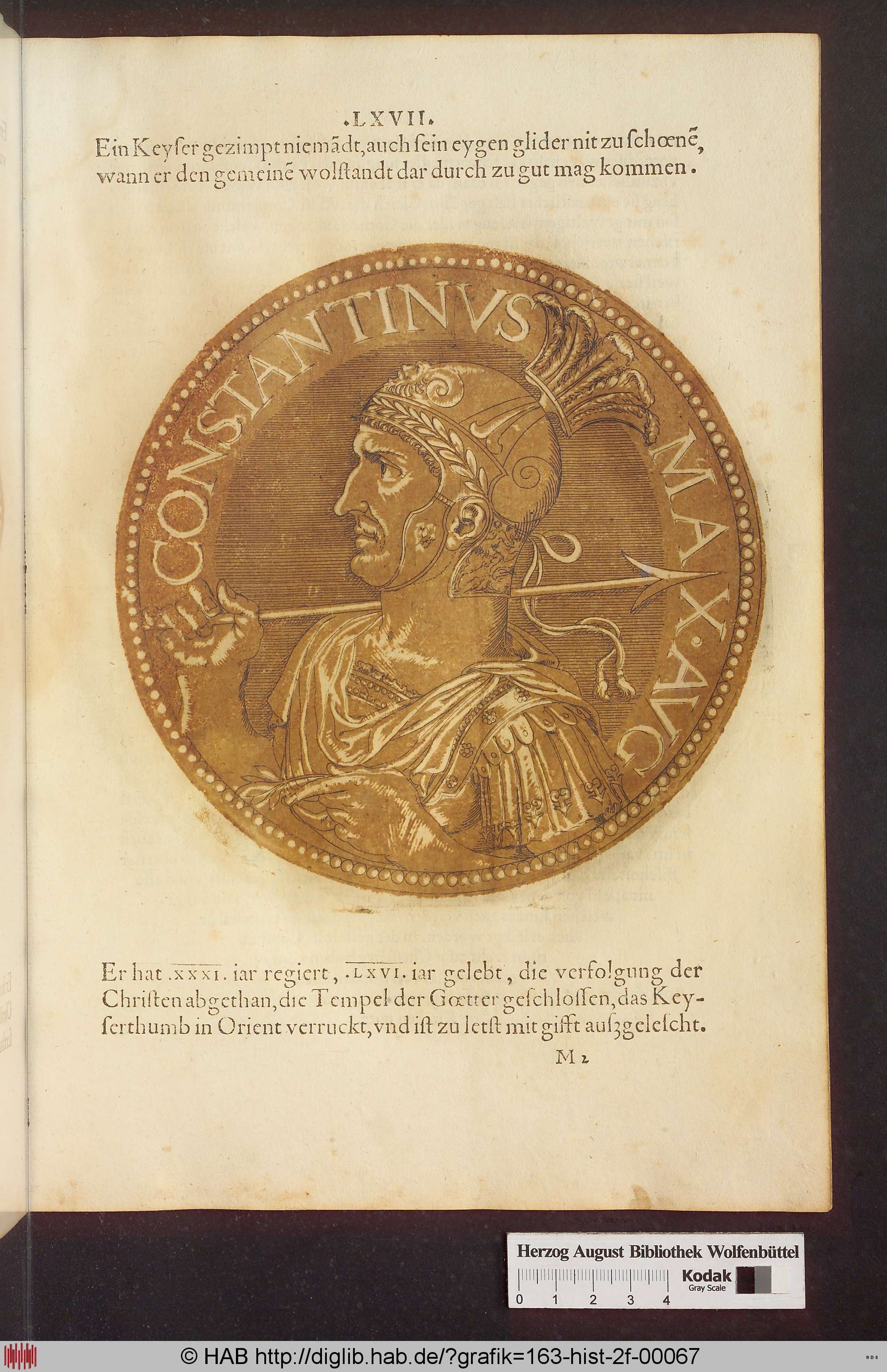
Woodcut Portrait of Constantine the Great
Josse van Gietleughen
 Artifact
Primary source
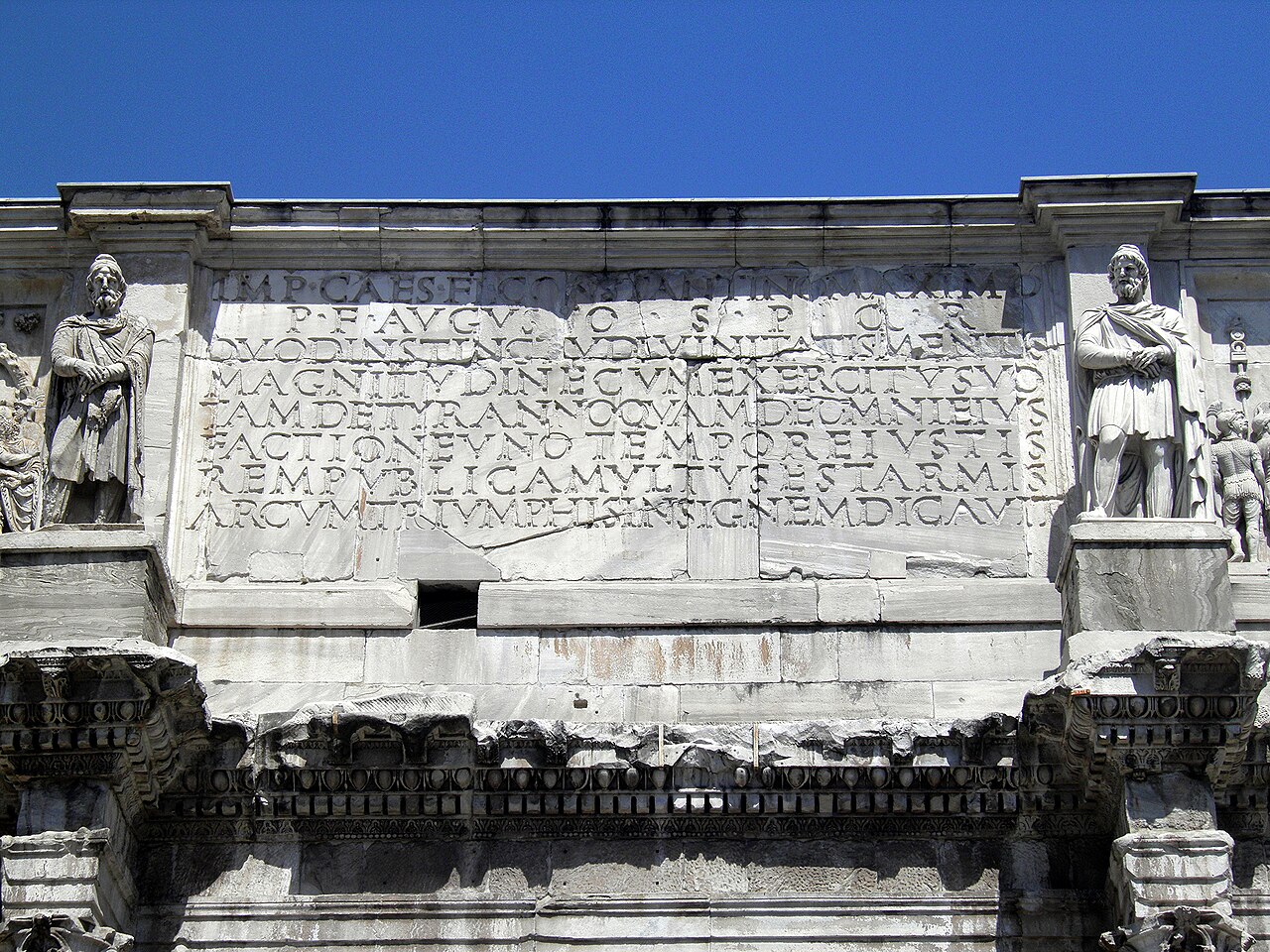
Arch of Constantine
Roman Senate · c. 312-315
 Painting
Secondary source
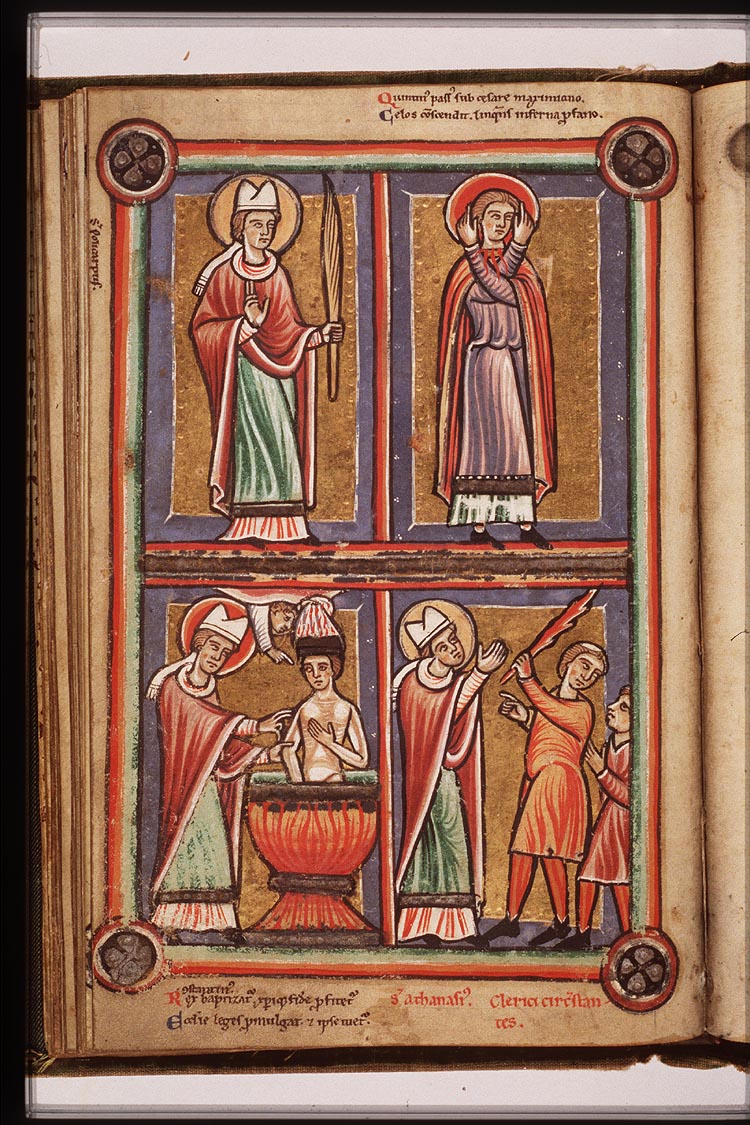
Constantine the Great Baptised by St Sylvester
c. 1200
 Book
Secondary source
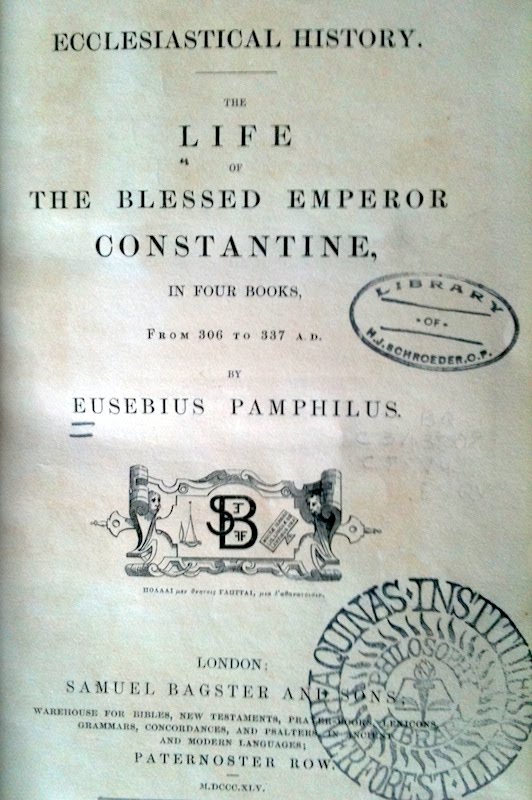
Life of Constantine
Eusebius of Caesarea · 345
Ready when you are
Start chatting with Constantine the Great now.
20 messages free · No credit card · Available in 50+ languages.