





Dr. Michael Calvert
Assistant Superintendent, South Allegheny School District, Pennsylvania
Been using Humy in his district since 2024
“We enjoyed the program last year and used it frequently.”

AI Historical Figure
Roman emperor known for legalizing Christianity.
Chat with Constantine the Great via text or voice — in 42 languages, drawing on a curated biography and 80 historical sources. Available 24/7.

Constantine the Great
Online · responds in seconds
Hello — I'm Constantine the Great. Roman emperor known for legalizing Christianity. What would you like to ask me?
20 messages free · No credit card · Powered by Humy.ai
Live preview · Switch between 42 languages above · Send a message to continue in the app
Multilingual
Ask Constantine the Great questions in any language below, and the rest of Humy's app speaks it too. Pick yours to open the chat in that language.
Also in German (Austria), German (Switzerland), English (UK), English (Australia), English (Canada).
80 sources · 27 artifacts · 18 books · 10 paintings · 9 documents · 7 sculptures · 6 letters · 2 speeches · 1 photograph
Constantine the Great doesn’t improvise from thin air. The AI is grounded in 80 curated historical sources students can inspect. Open any of them to see what informs the conversation.
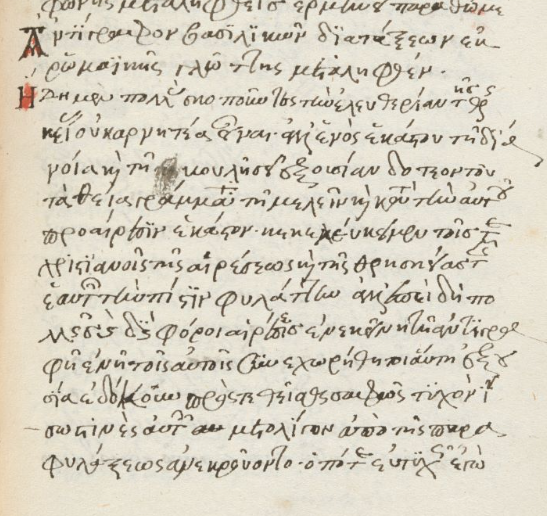 Document
Secondary source
Constantine the Great · 313 AD
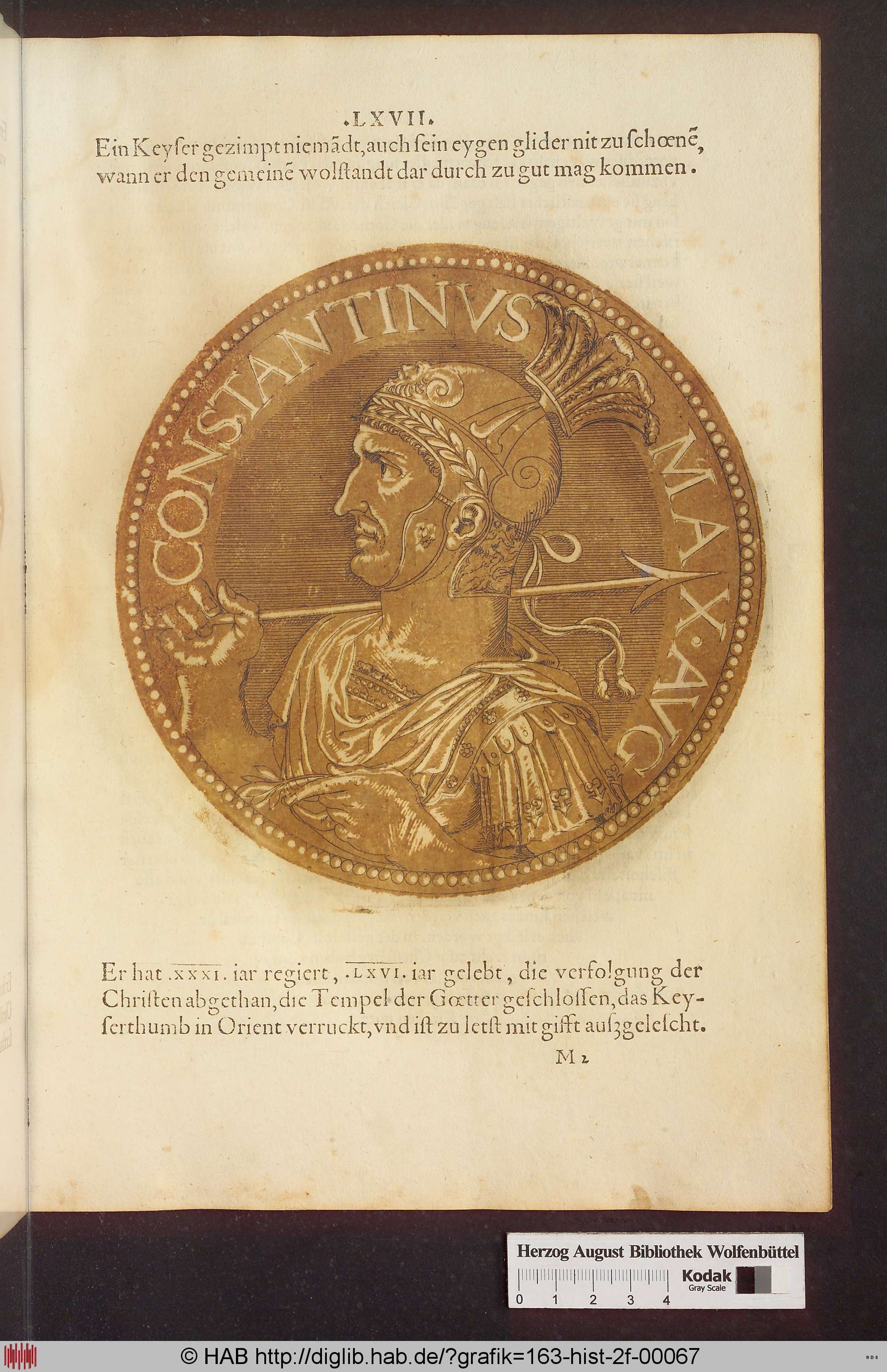 Artifact
Secondary source
Josse van Gietleughen
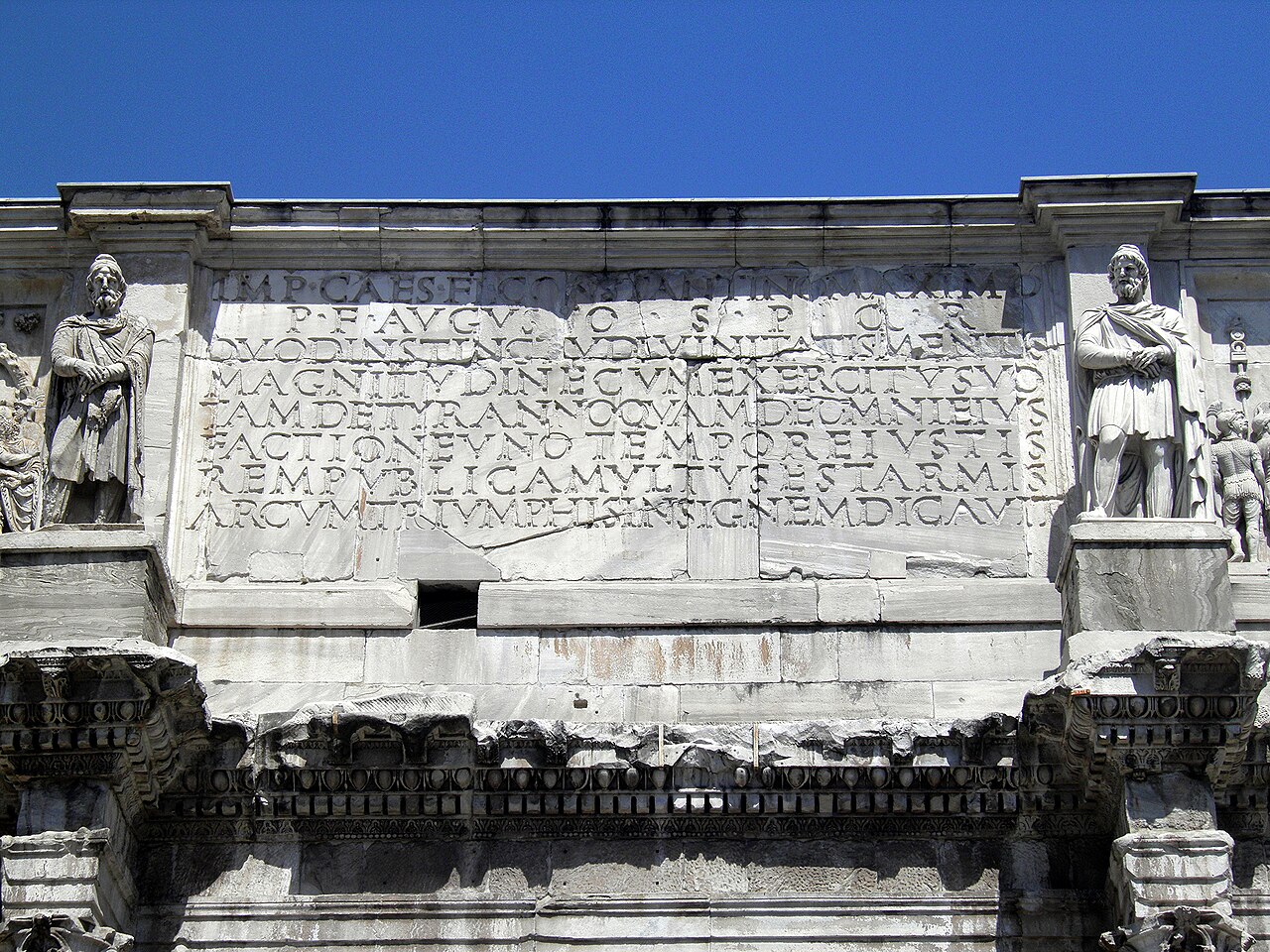 Artifact
Primary source
Roman Senate · c. 312-315
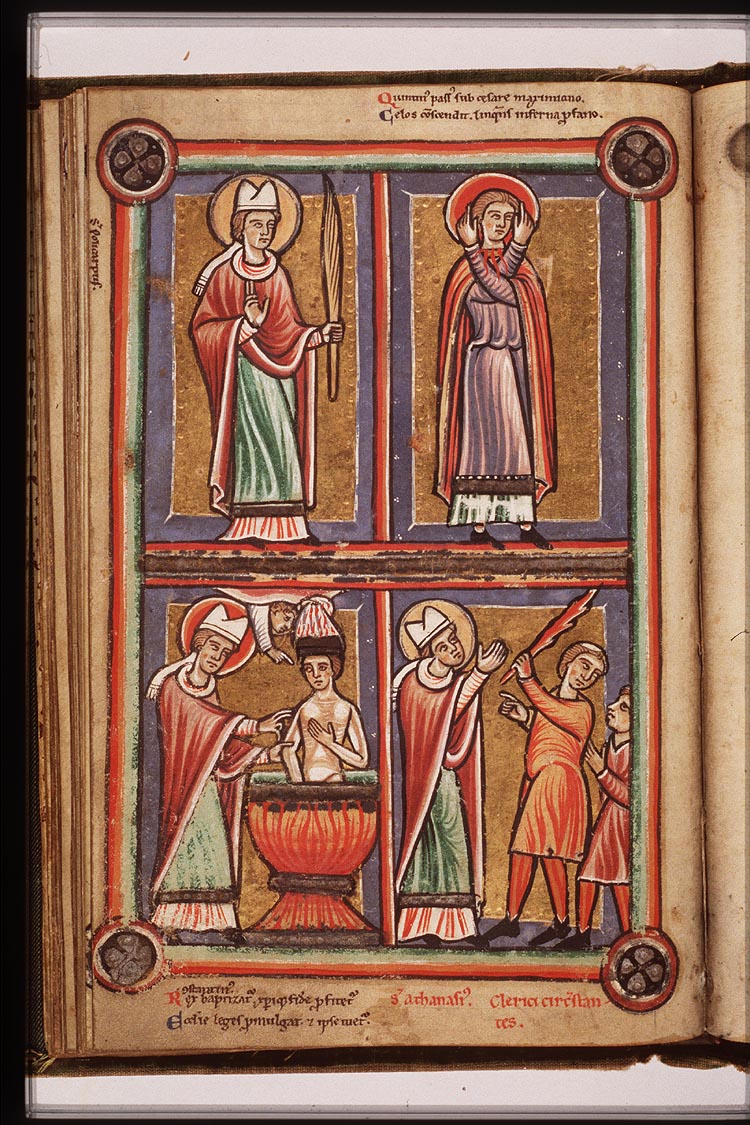 Painting
Secondary source
c. 1200
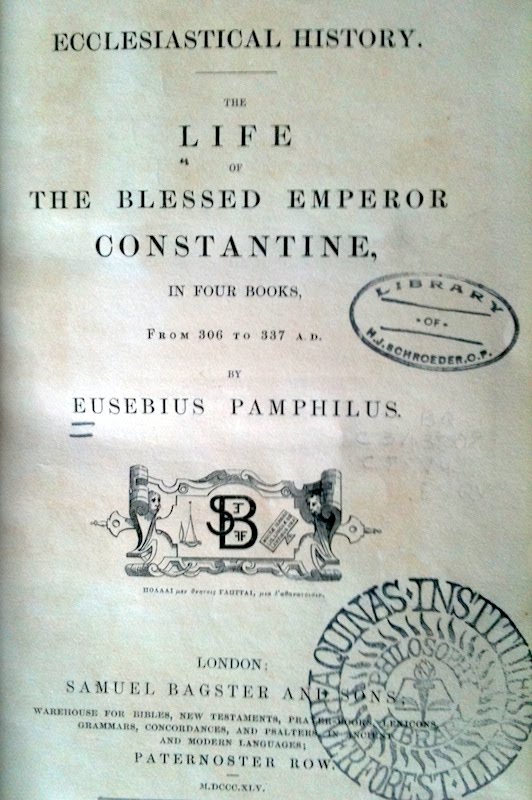 Book
Secondary source
Eusebius of Caesarea · 345
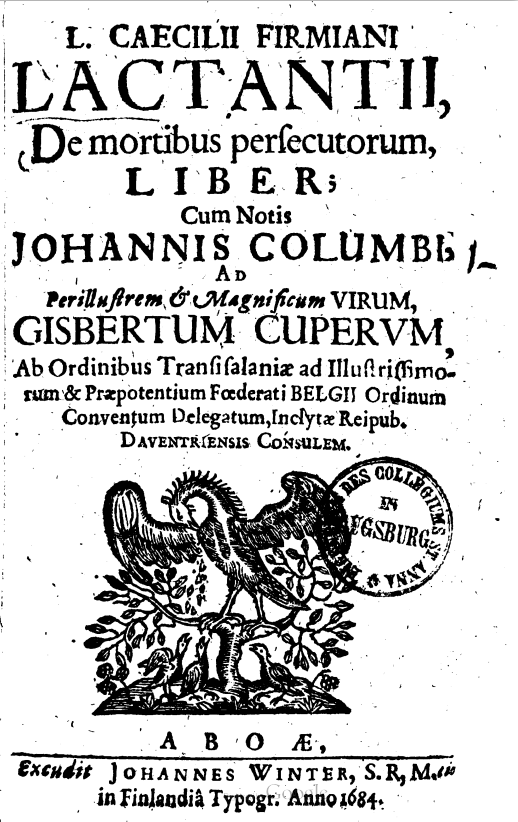 Book
Secondary source
Lactantius · after 316
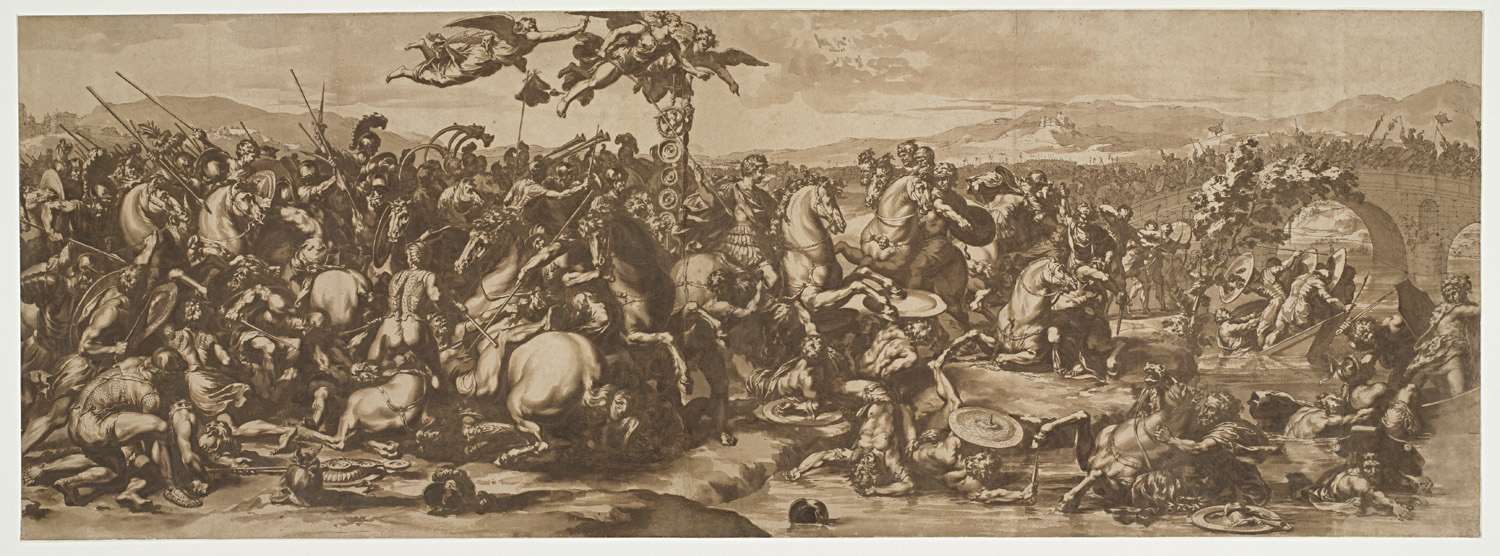 Painting
Secondary source
Jan de Bisschop
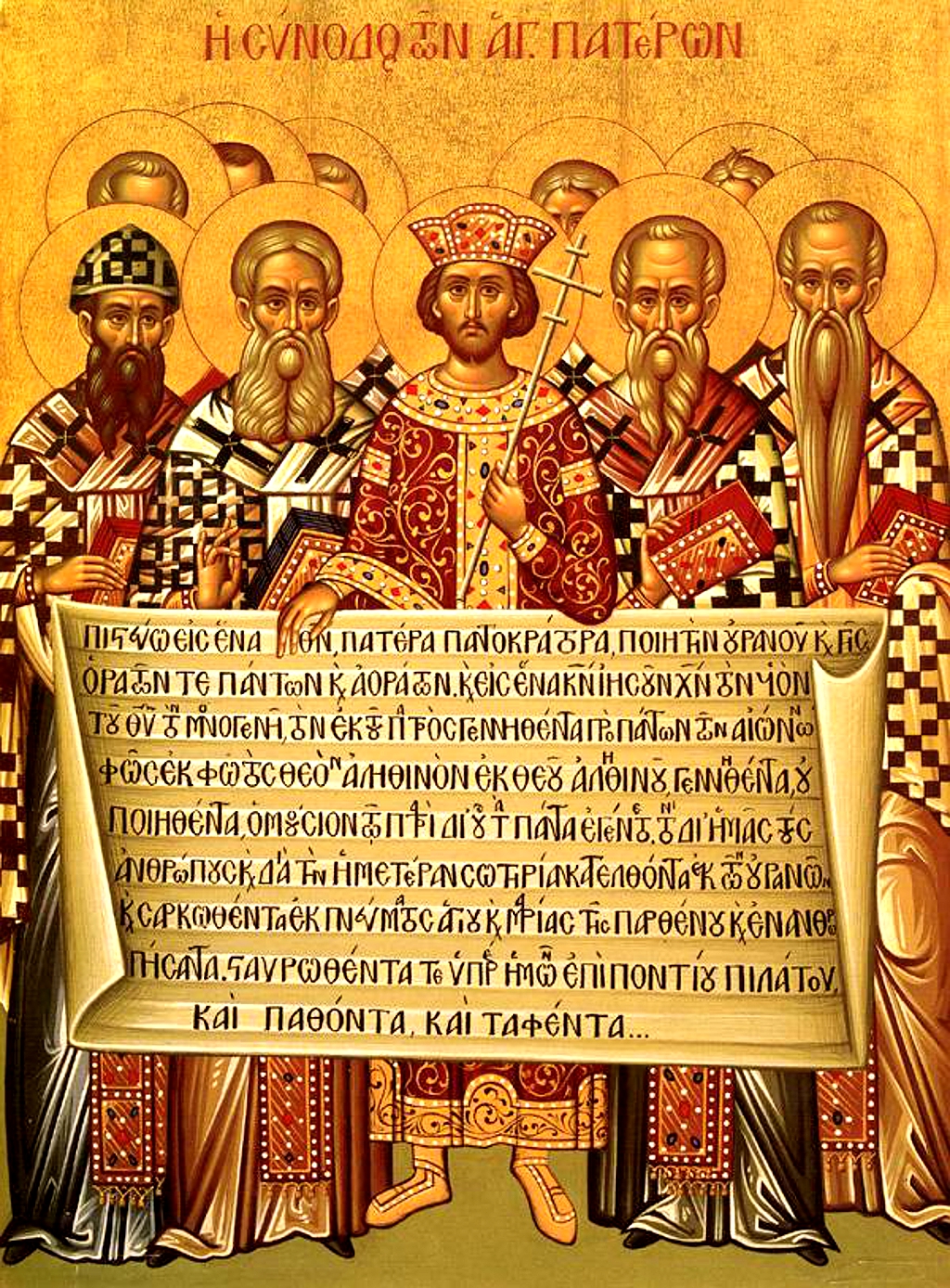 Document
Primary source
First Council of Nicaea · 325 AD
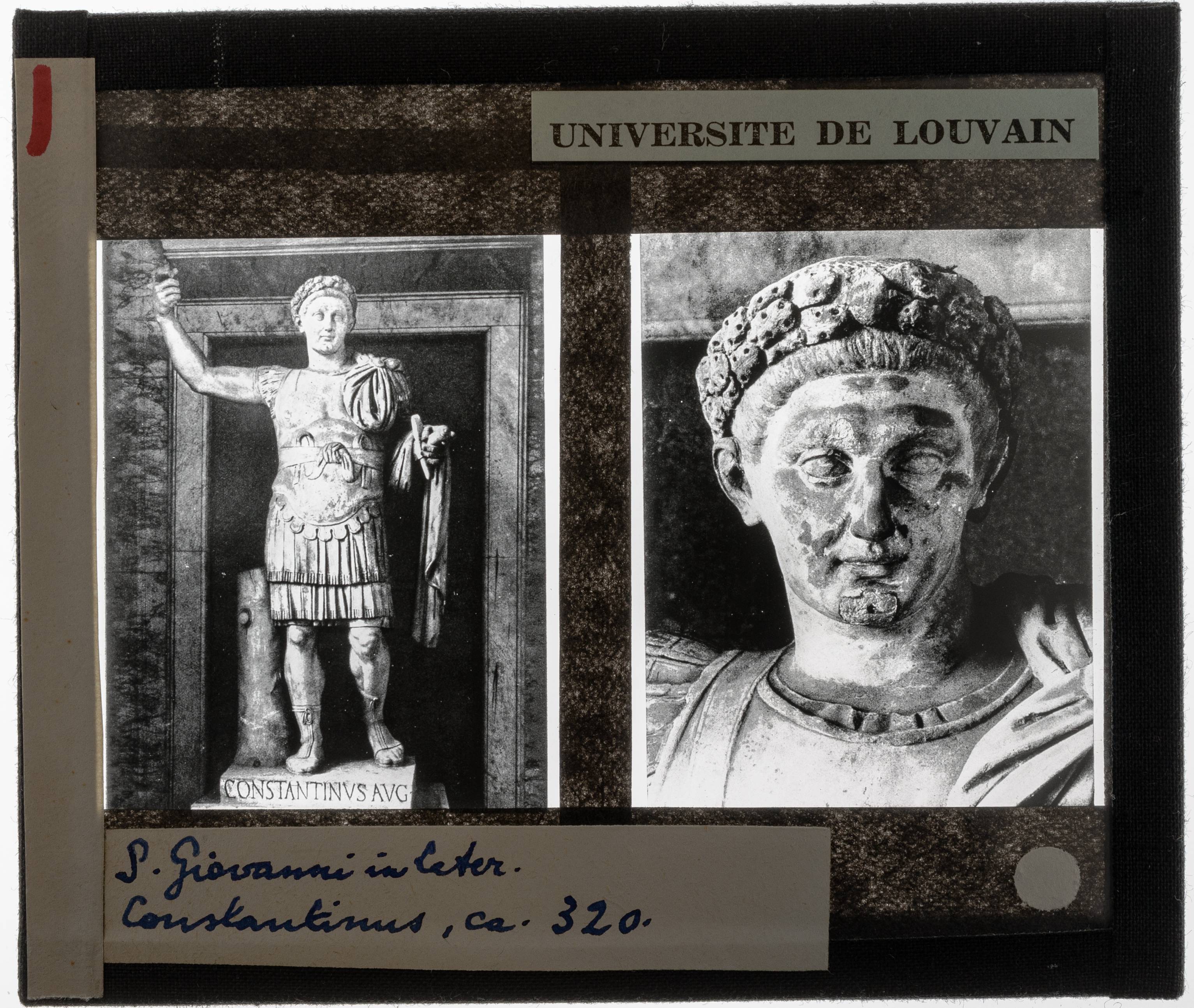 Photograph
Secondary source
between 1839 and 1939
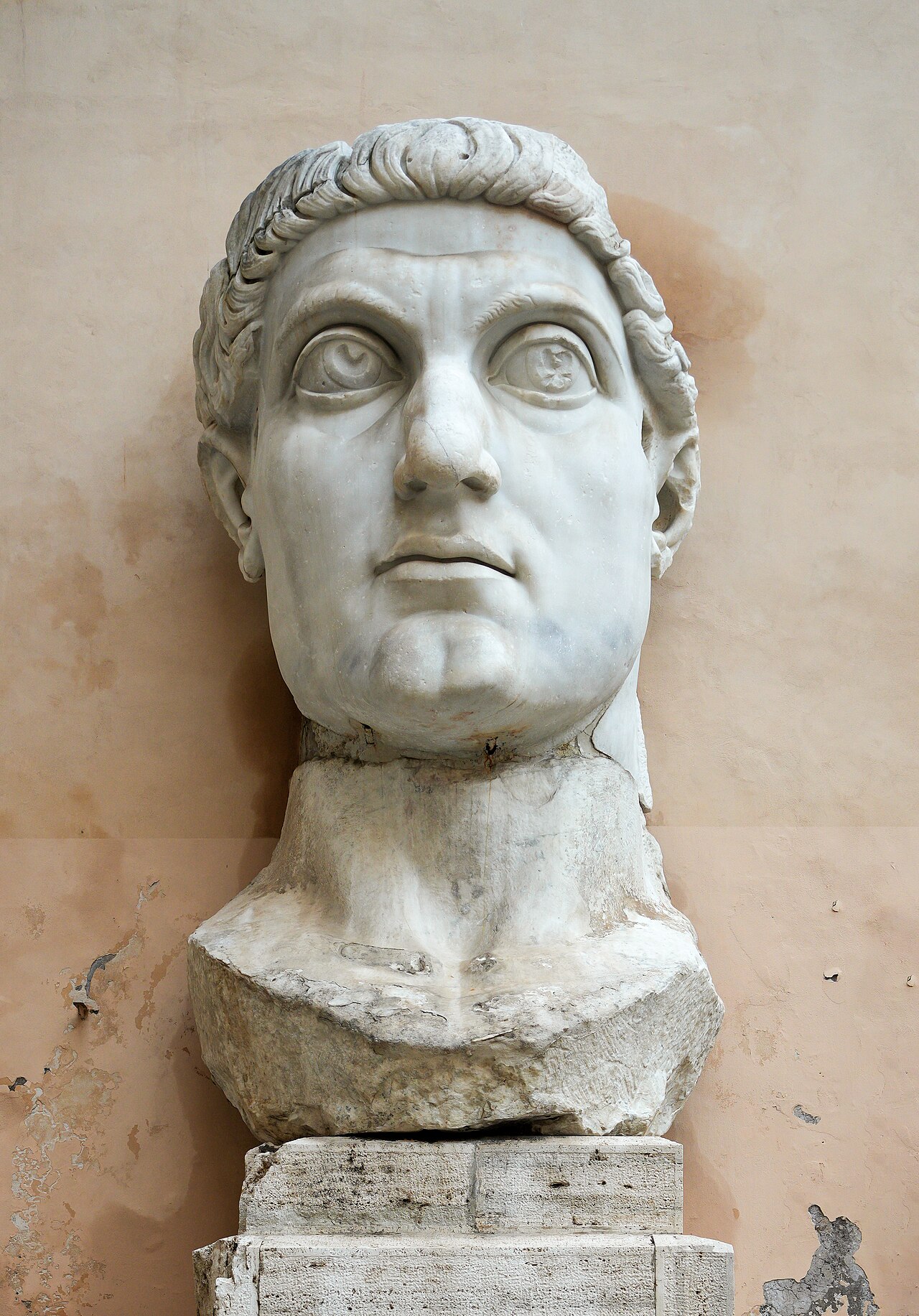 Sculpture
Primary source
312
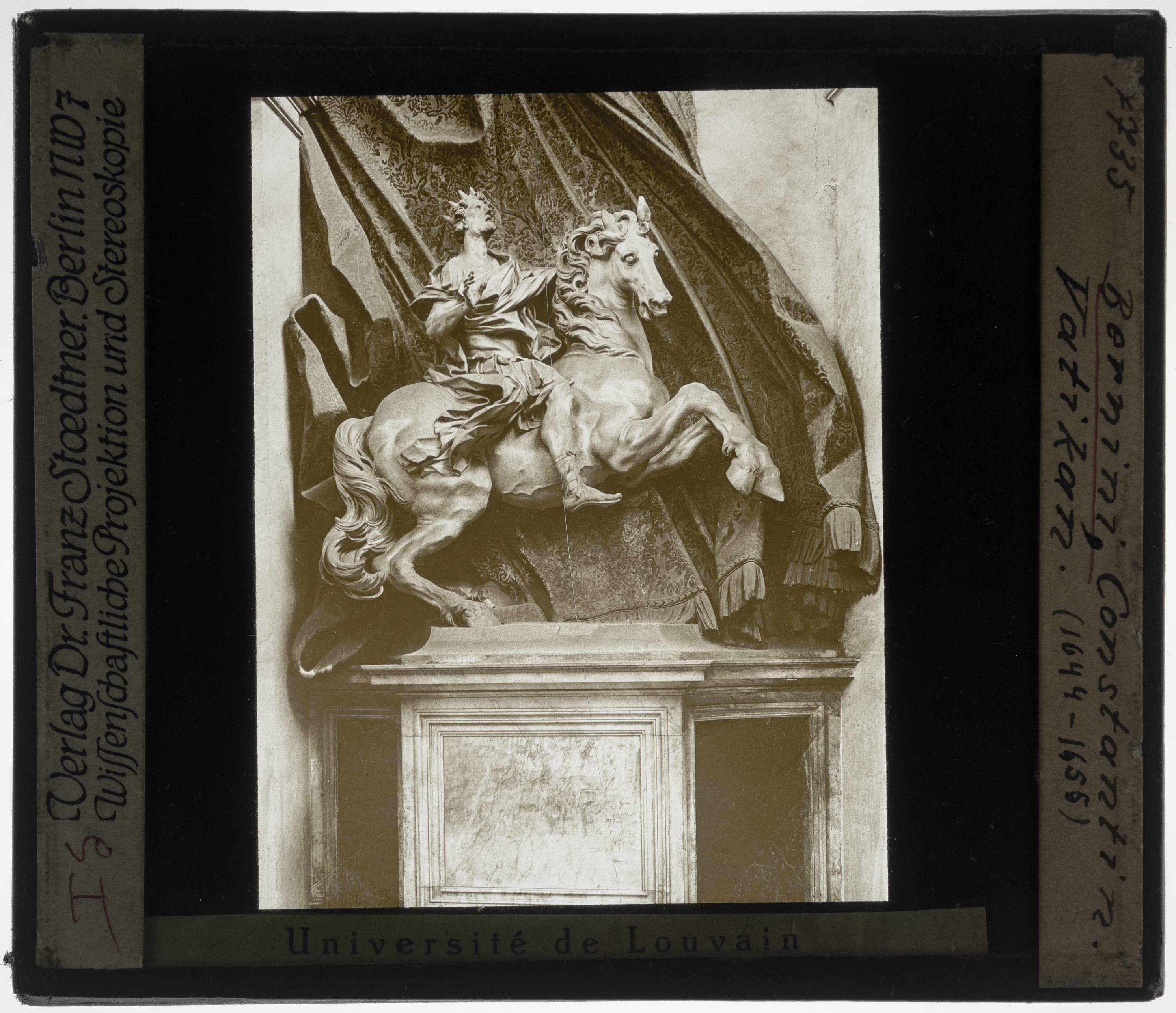 Sculpture
Secondary source
Gian Lorenzo Bernini · 17th century
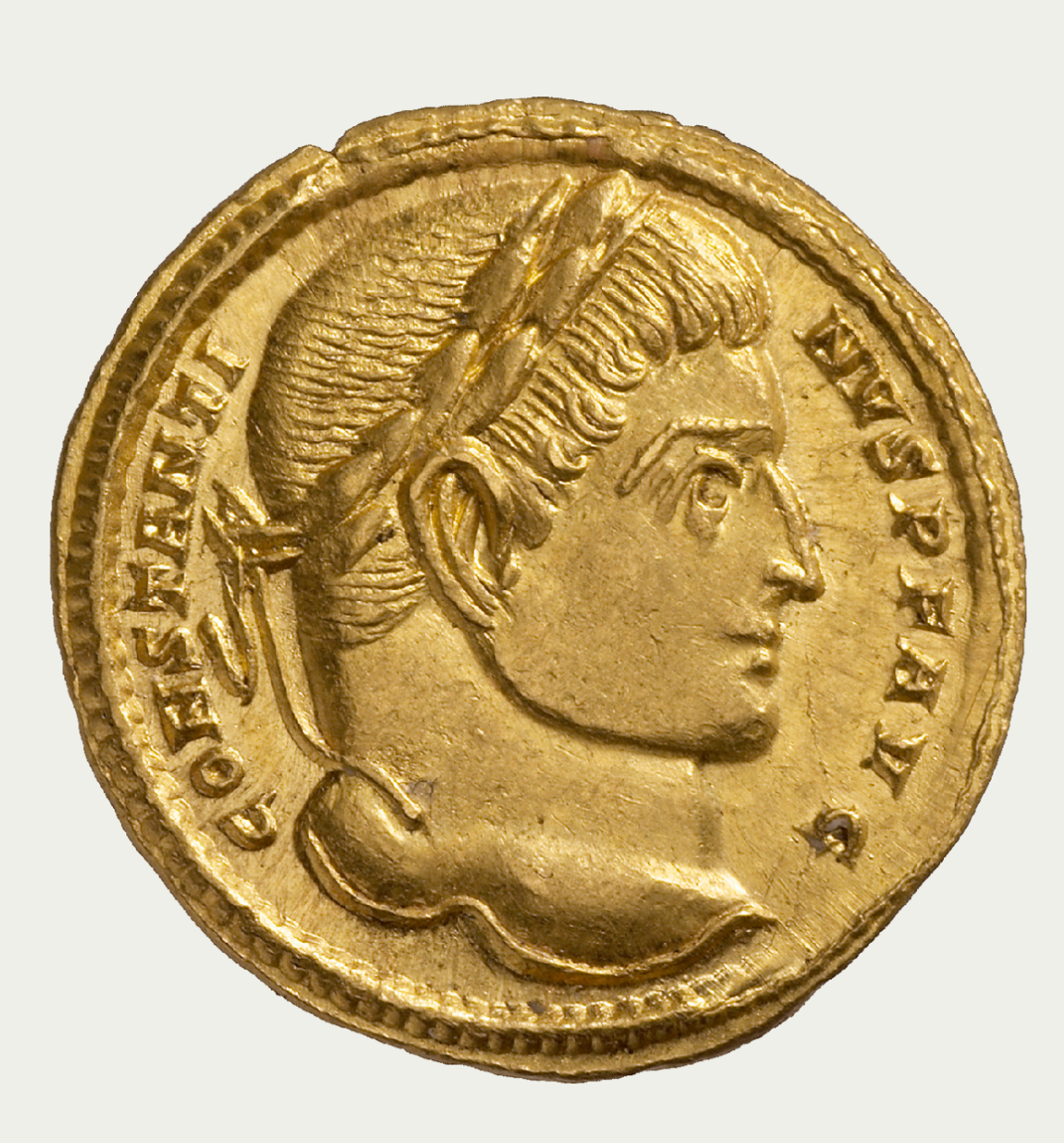 Artifact
Primary source
Imperial mints · c. 309-337
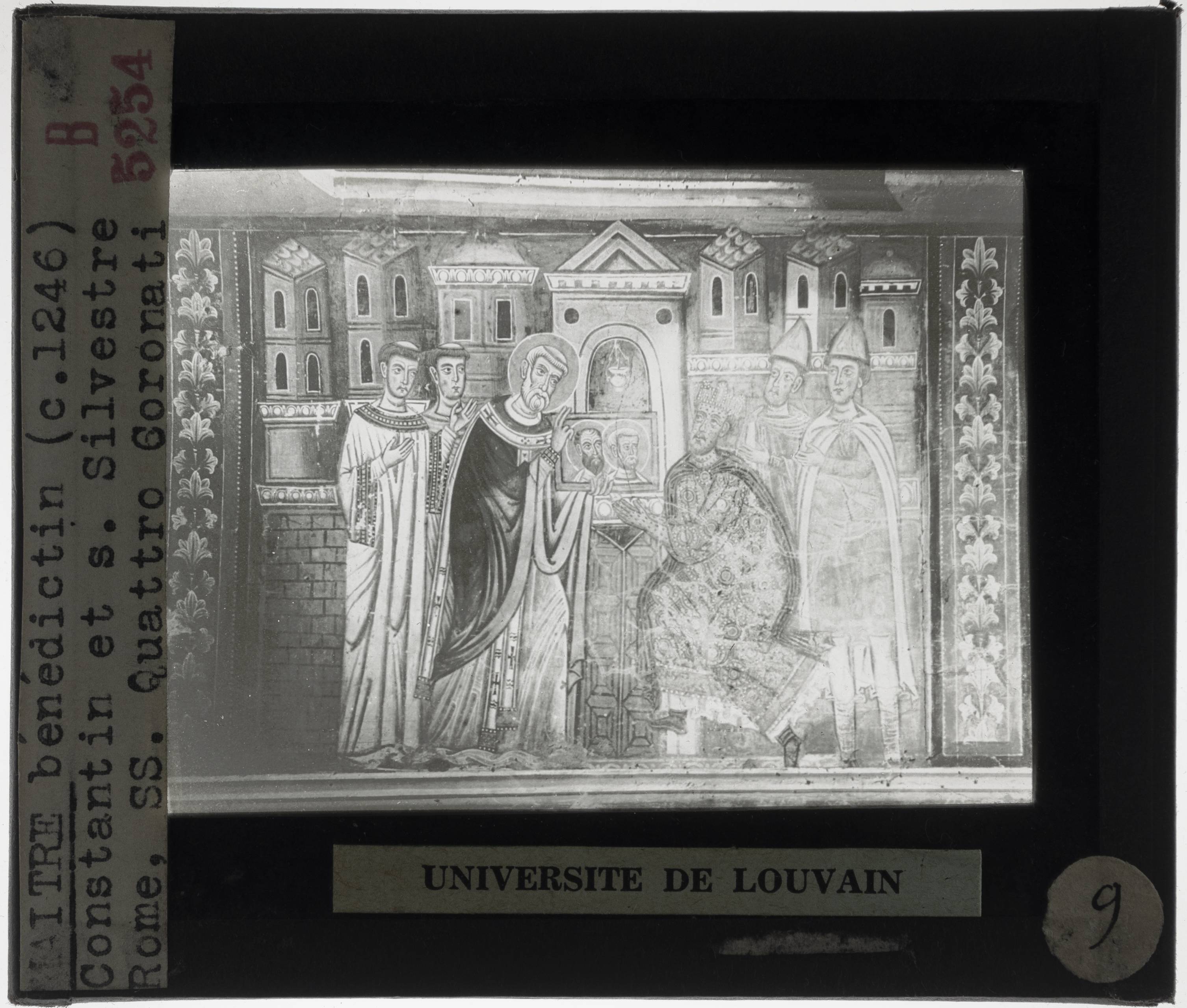 Painting
Secondary source
13th century (fresco); photographed between 1839 and 1939
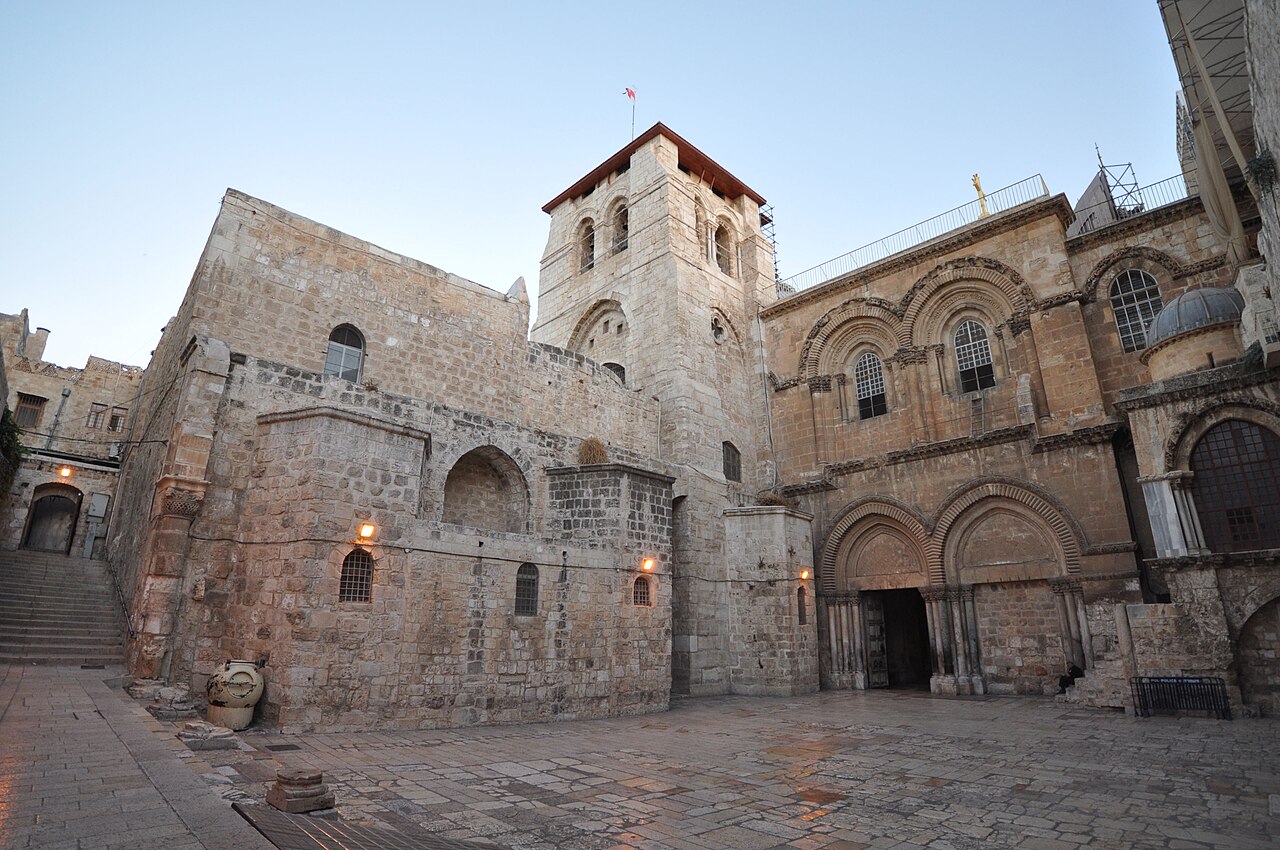 Artifact
Primary source
335
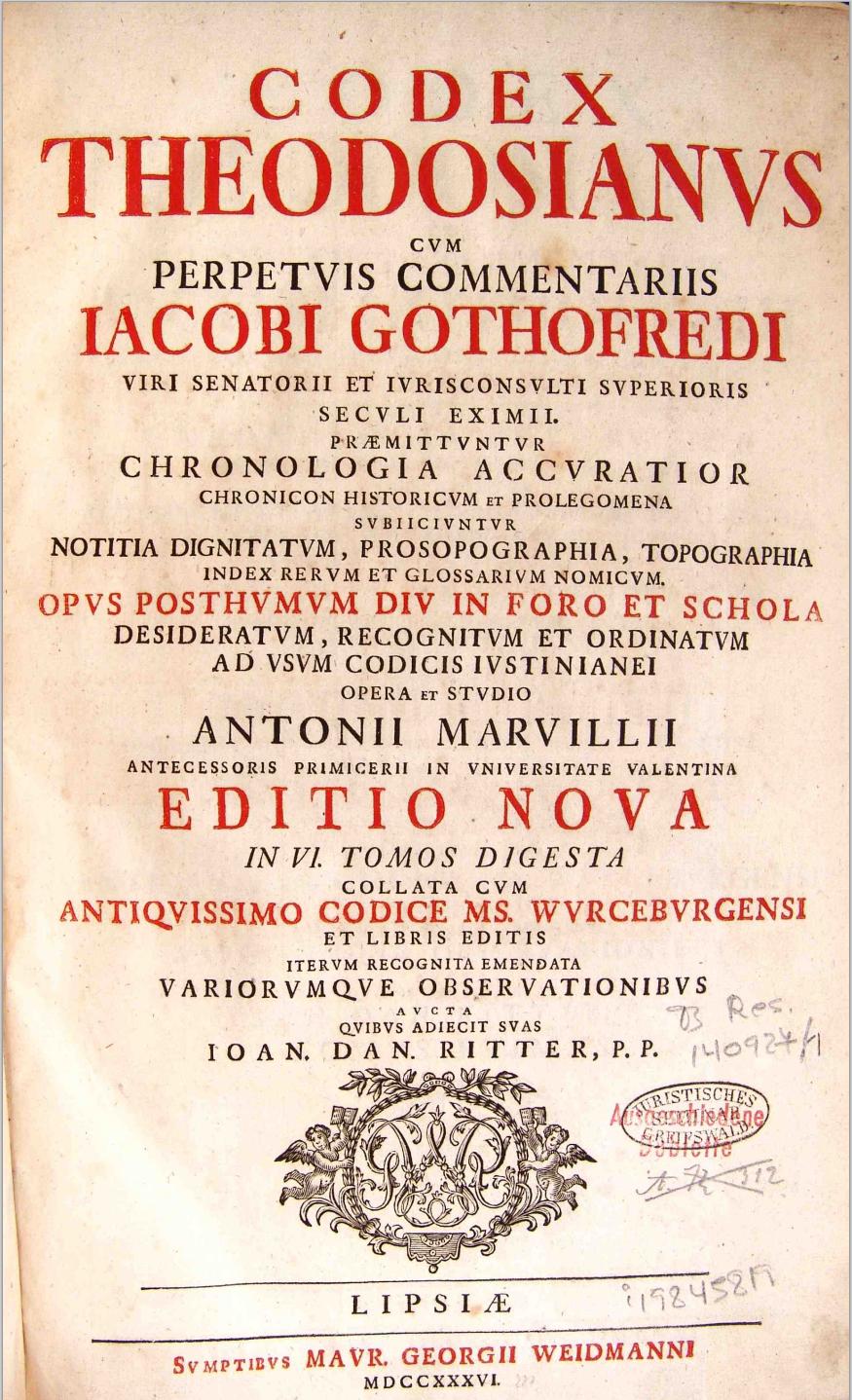 Document
Secondary source
Theodosius II · 438
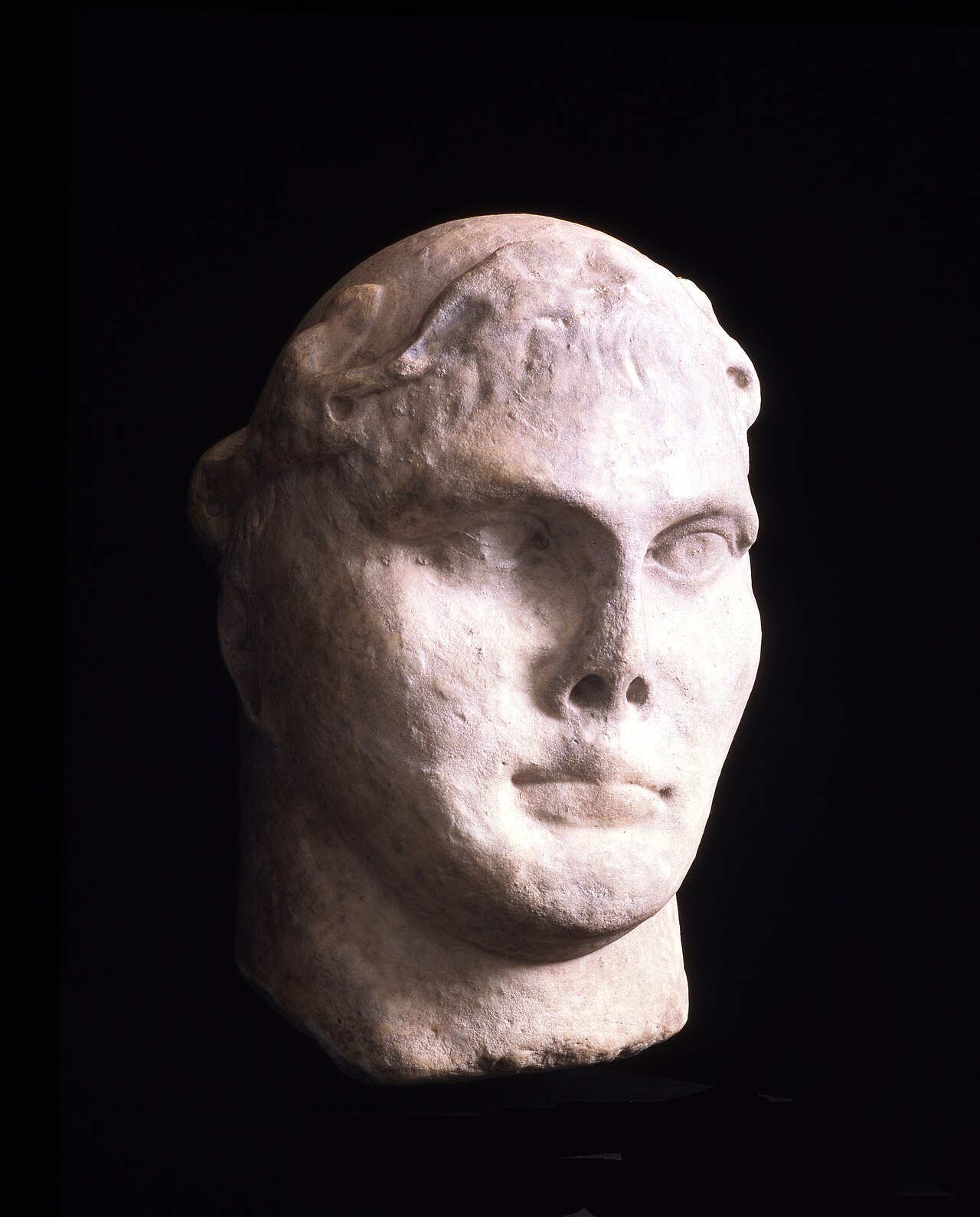 Sculpture
Primary source
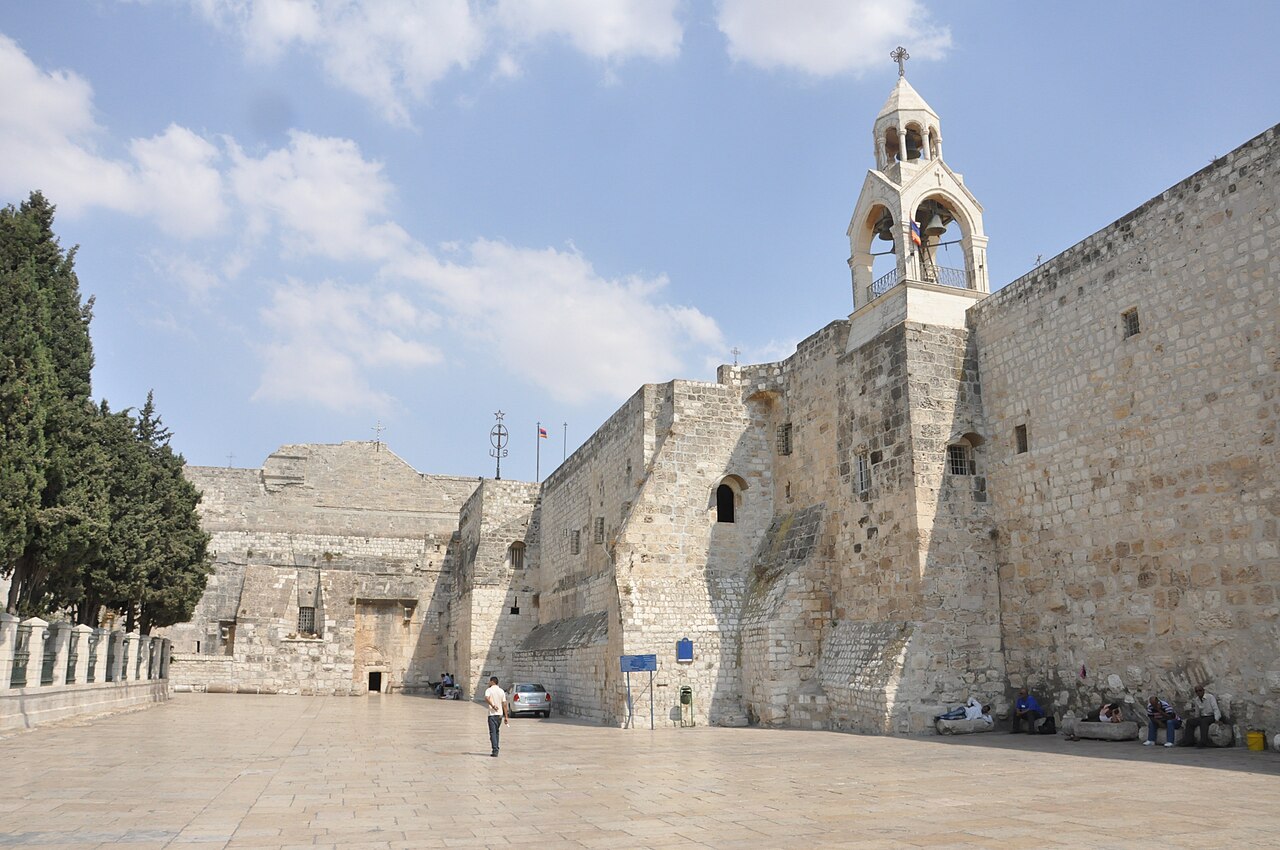 Artifact
Secondary source
Constantine the Great and Helena · c. 327 AD (basilica founded)
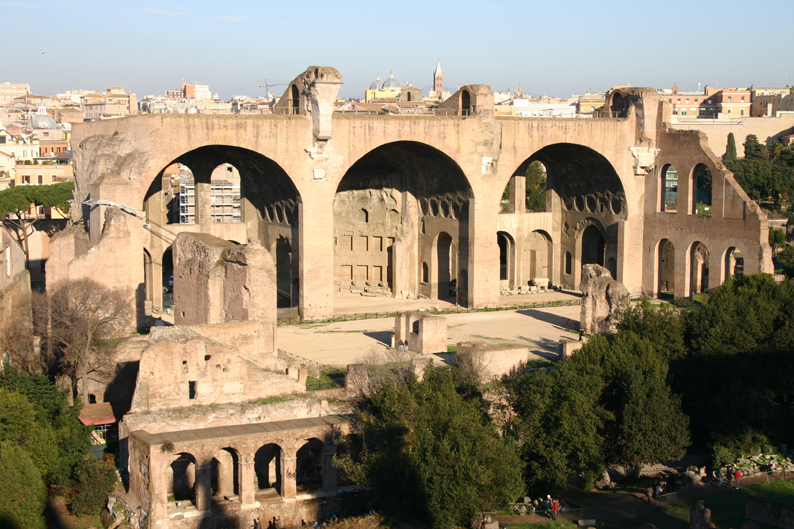 Artifact
Primary source
Maxentius · 312
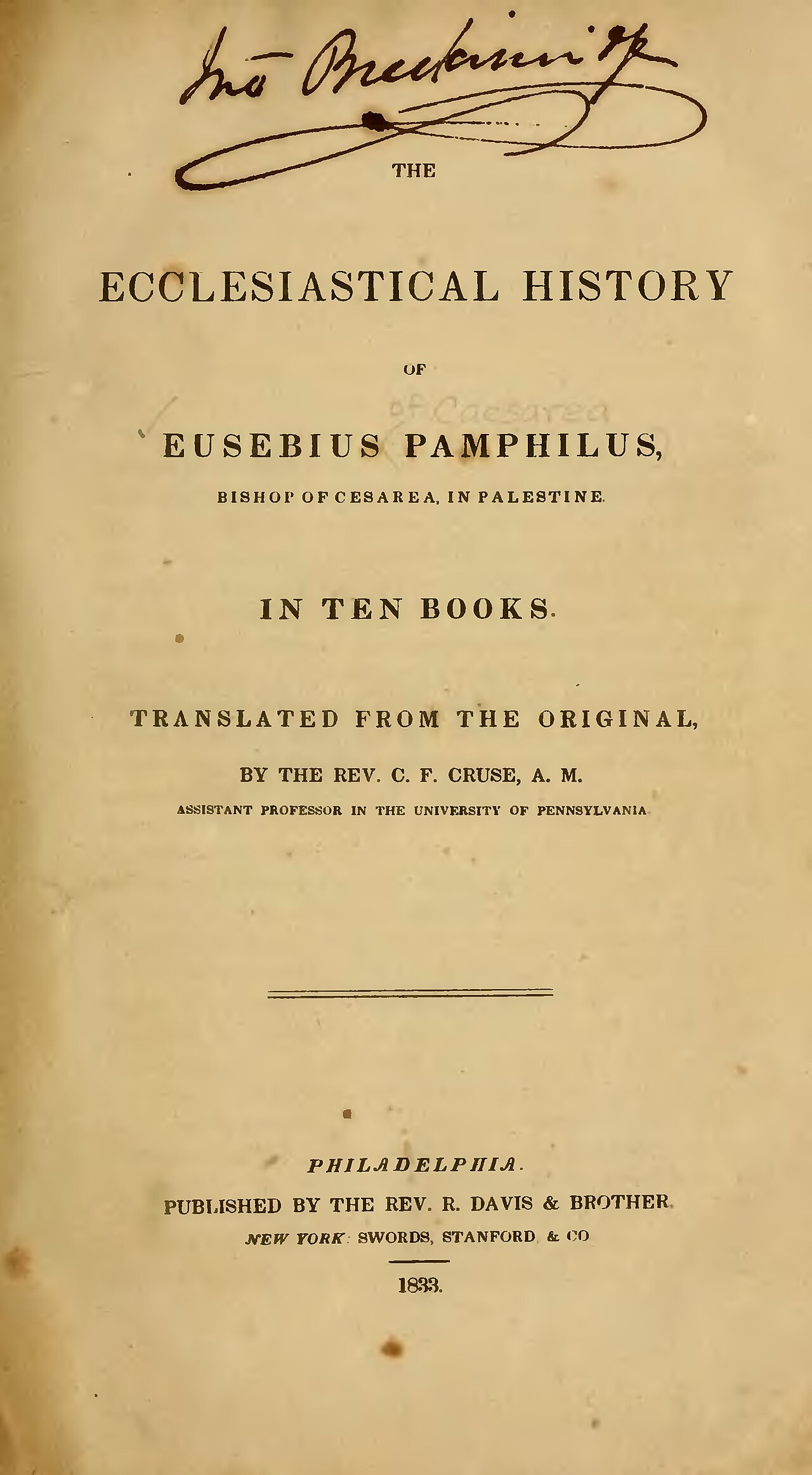 Book
Secondary source
Eusebius of Caesarea · c. 313–324
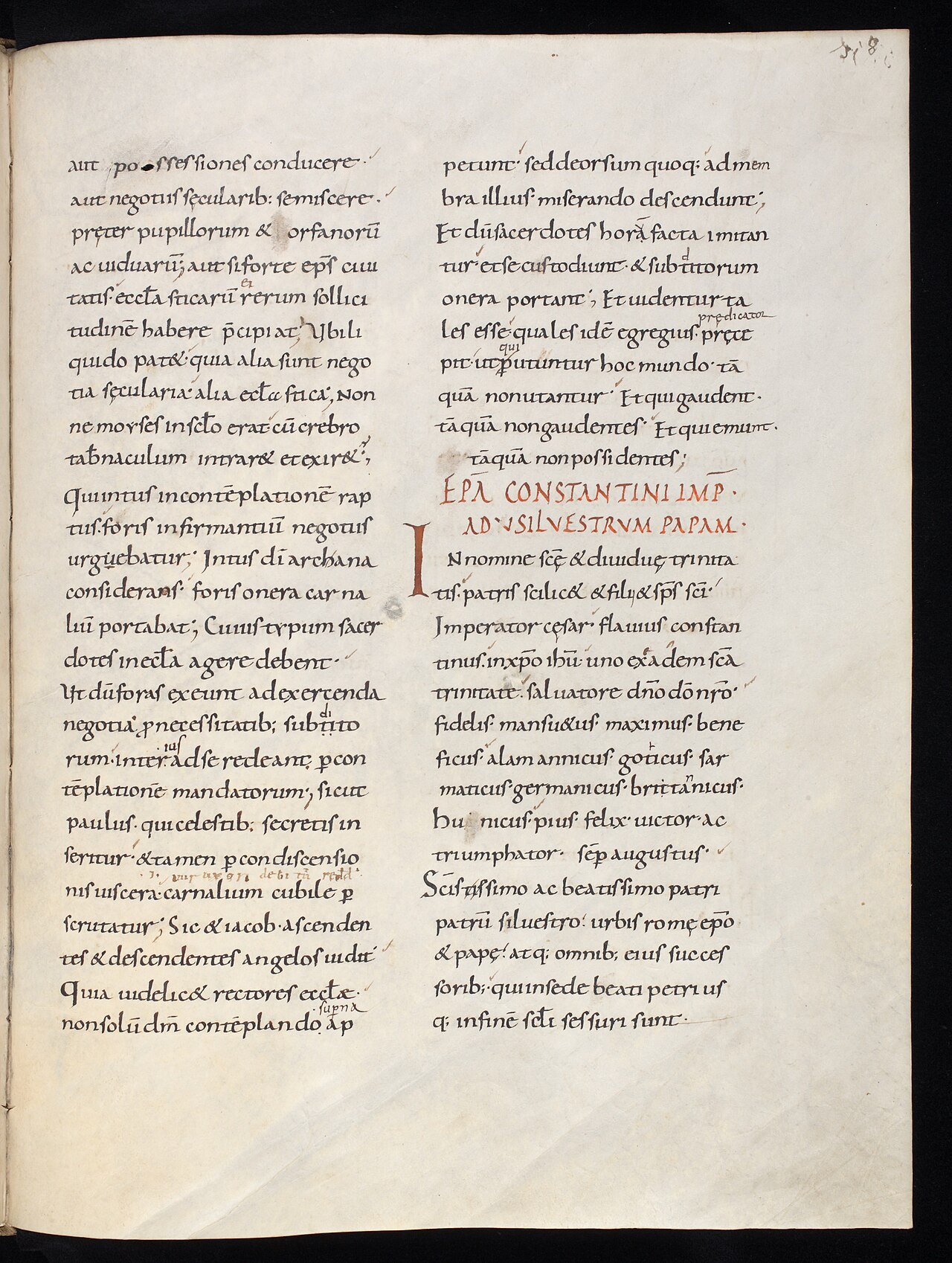 Document
Secondary source
Unknown (falsely attributed to Constantine) · 8th century (forged), this copy 9th century
 Artifact
Primary source
Commissioned by Constantine · 330
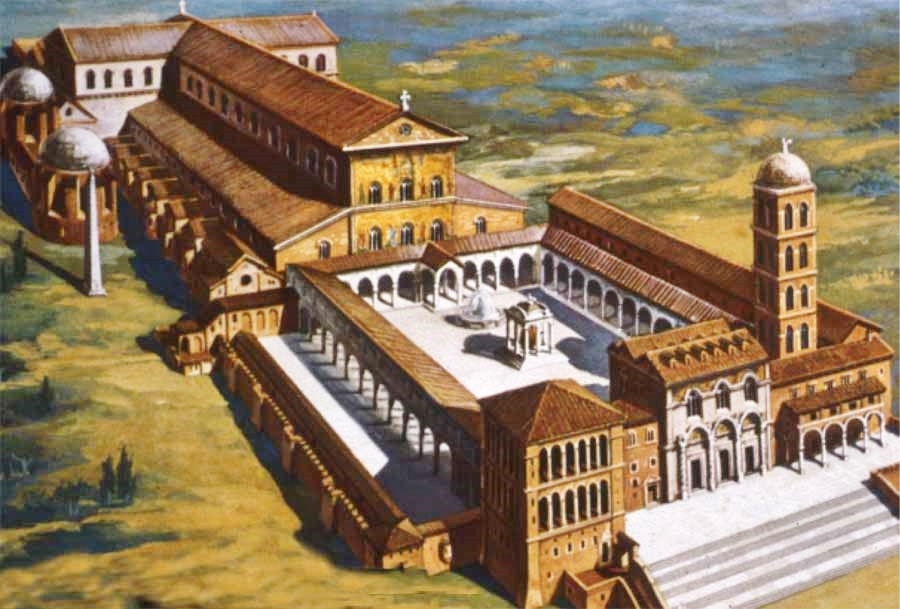 Artifact
Primary source
Commissioned by Constantine · c. 318–322, construction completed over ~40 years
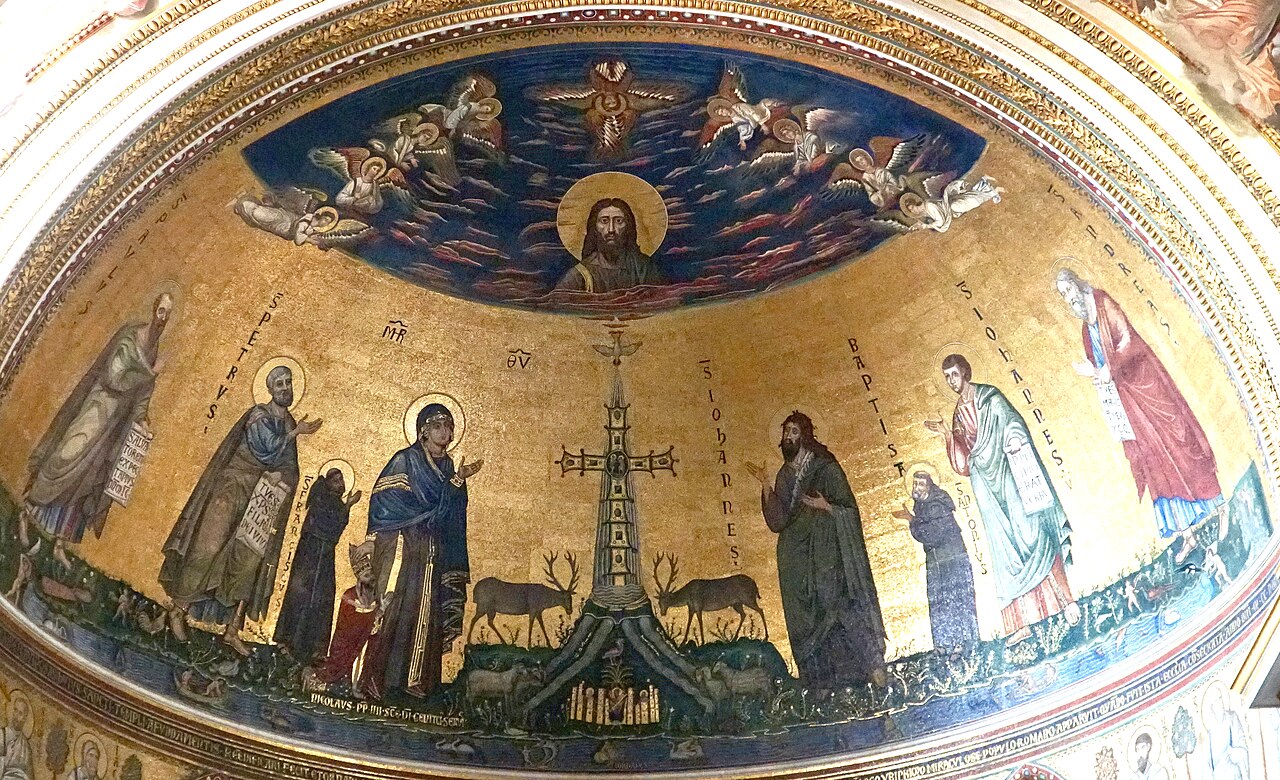 Artifact
Primary source
Commissioned by Constantine · c. 312–324
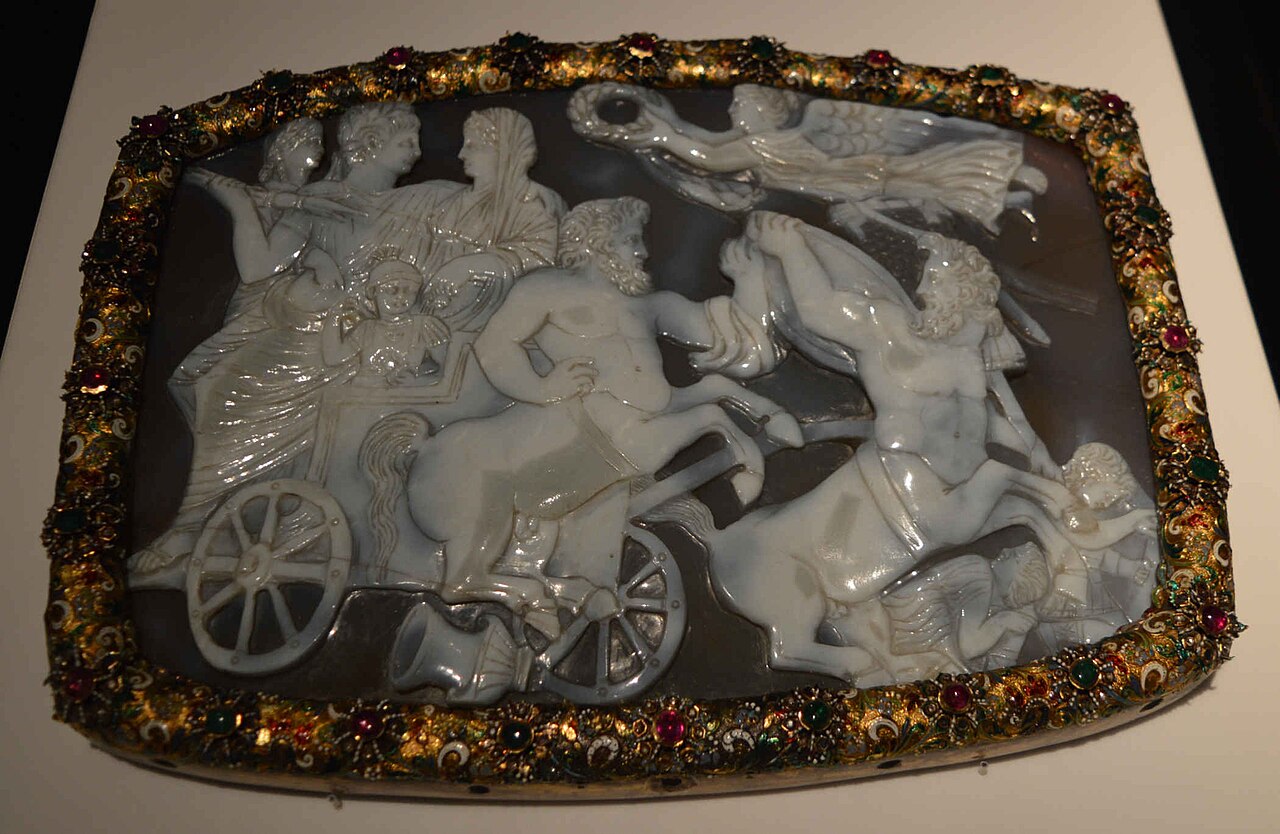 Artifact
Primary source
Disputed; associated with Constantine's reign
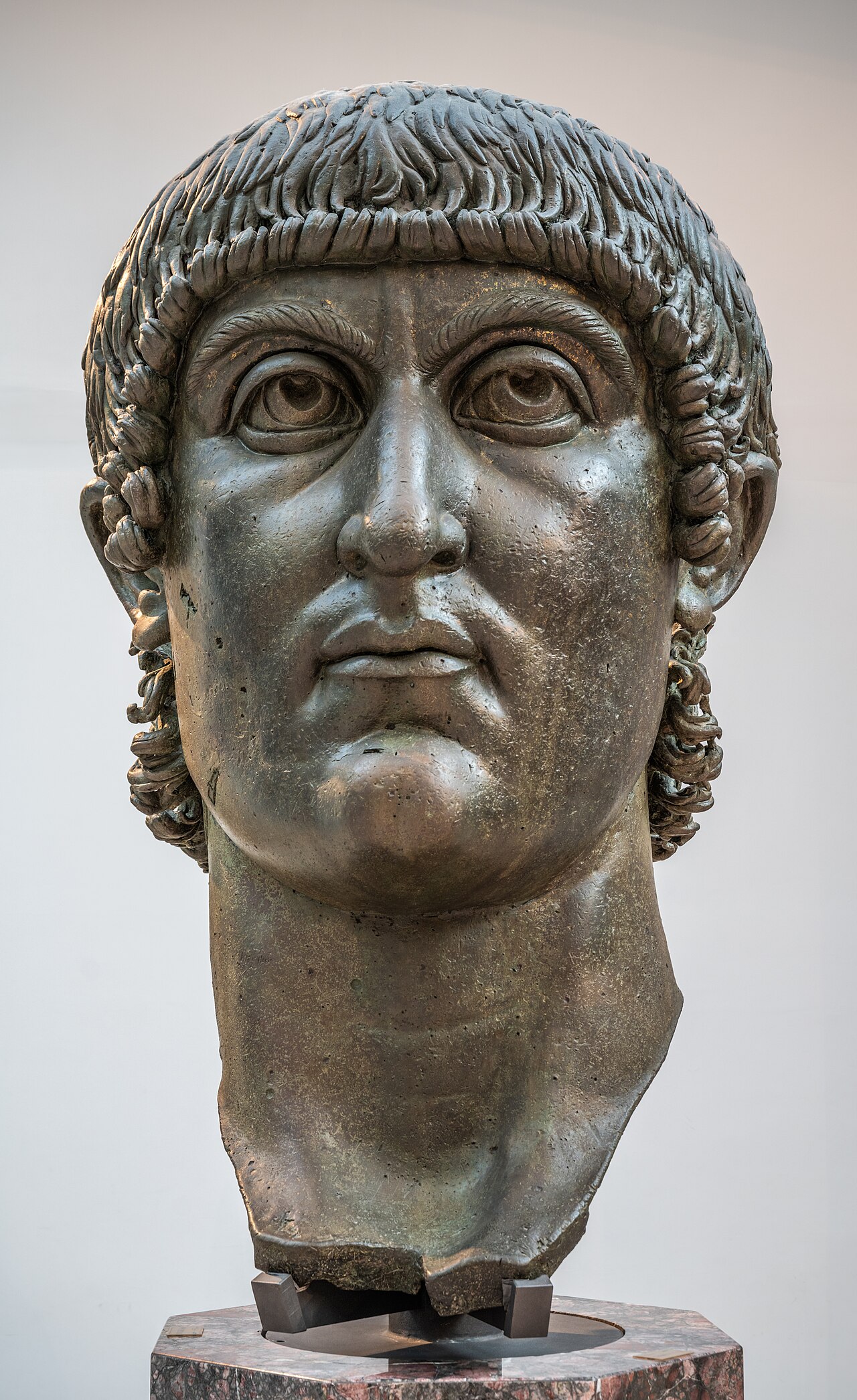 Sculpture
Primary source
before 326 CE
Primary source
Eusebius of Caesarea · 336 CE
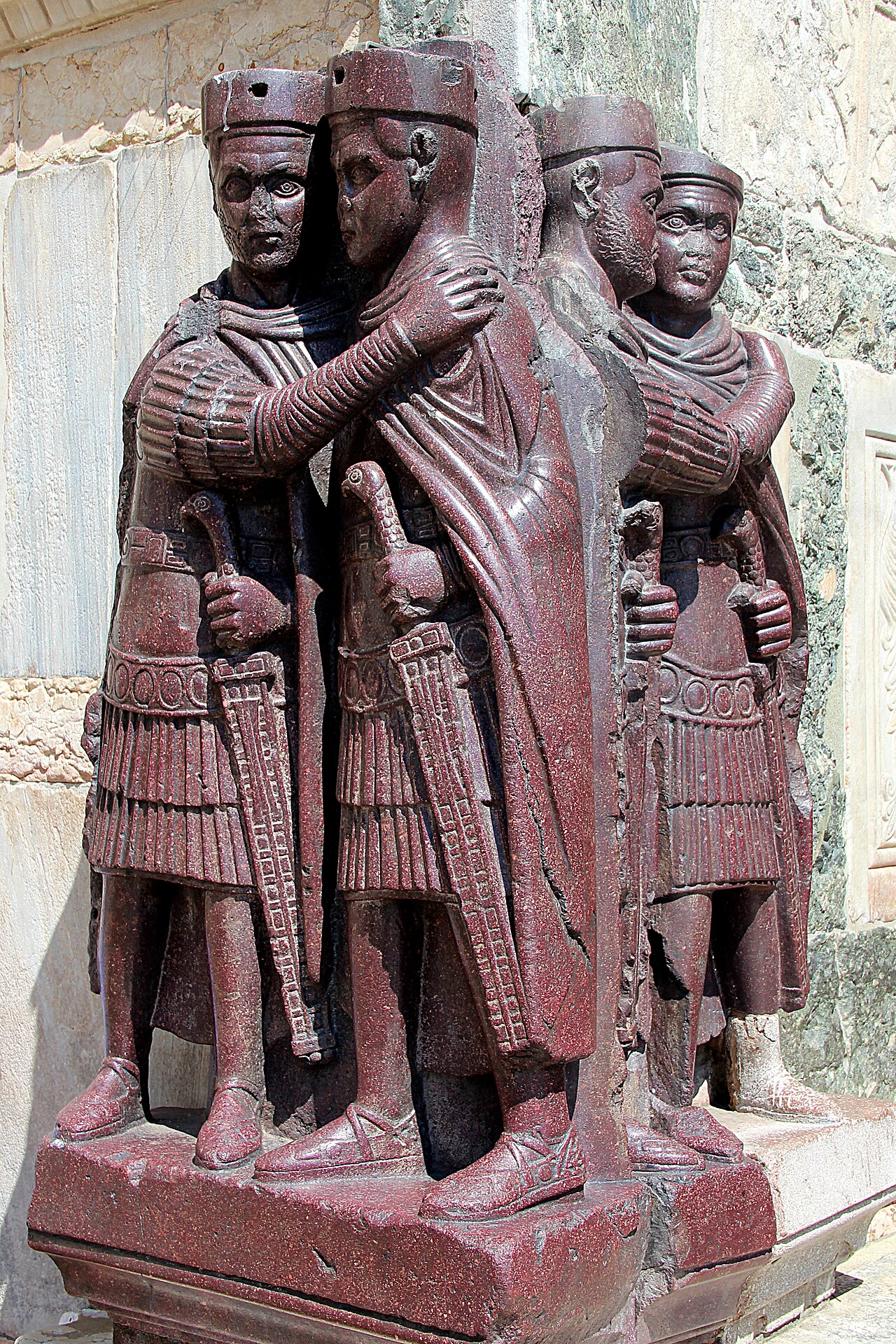 Sculpture
Primary source
c. 300 CE
Secondary source
Aurelius Victor · c. 360 CE
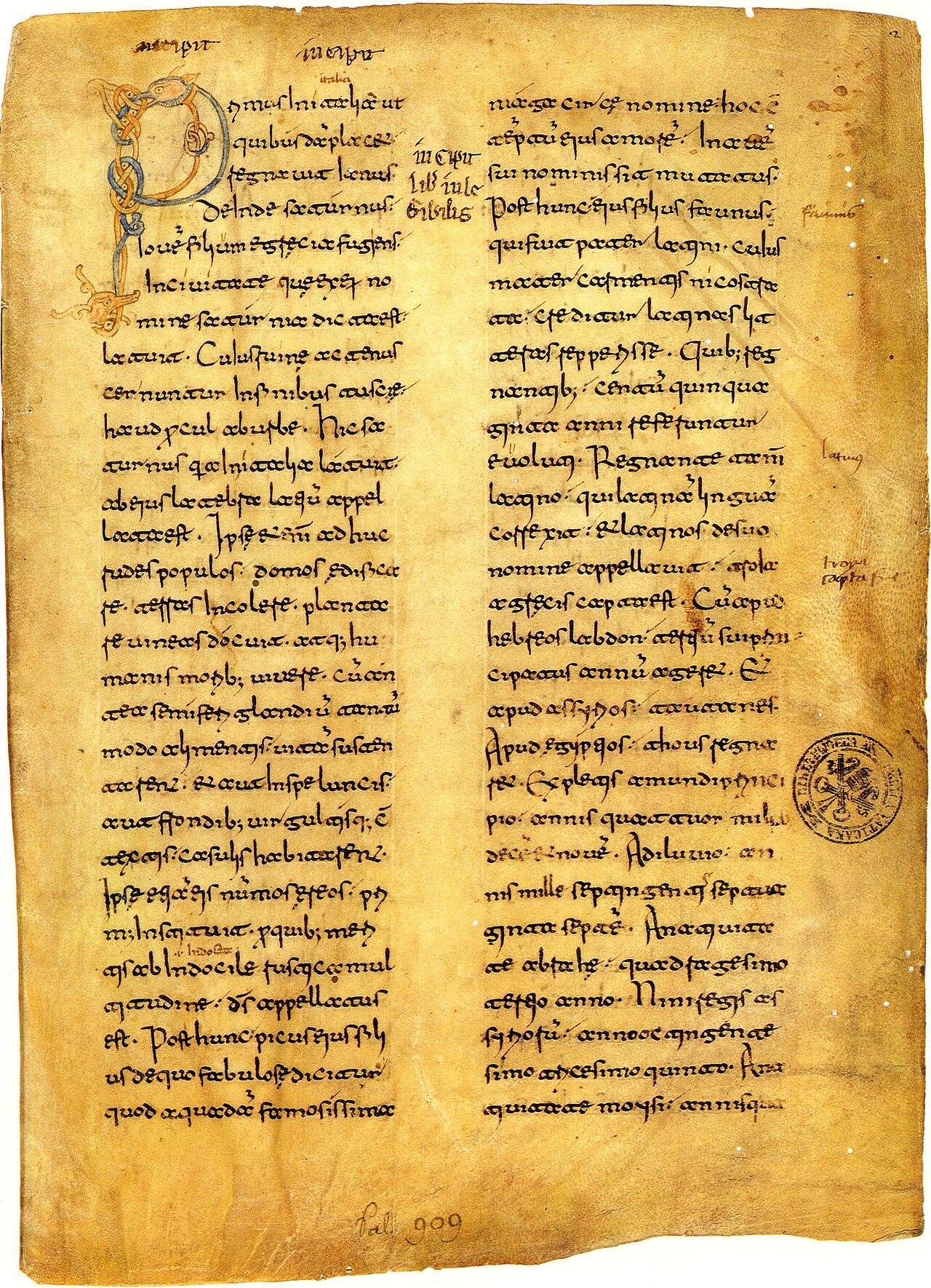 Book
Secondary source
Eutropius · c. 369 CE
Primary source
Julian · c. 361 CE
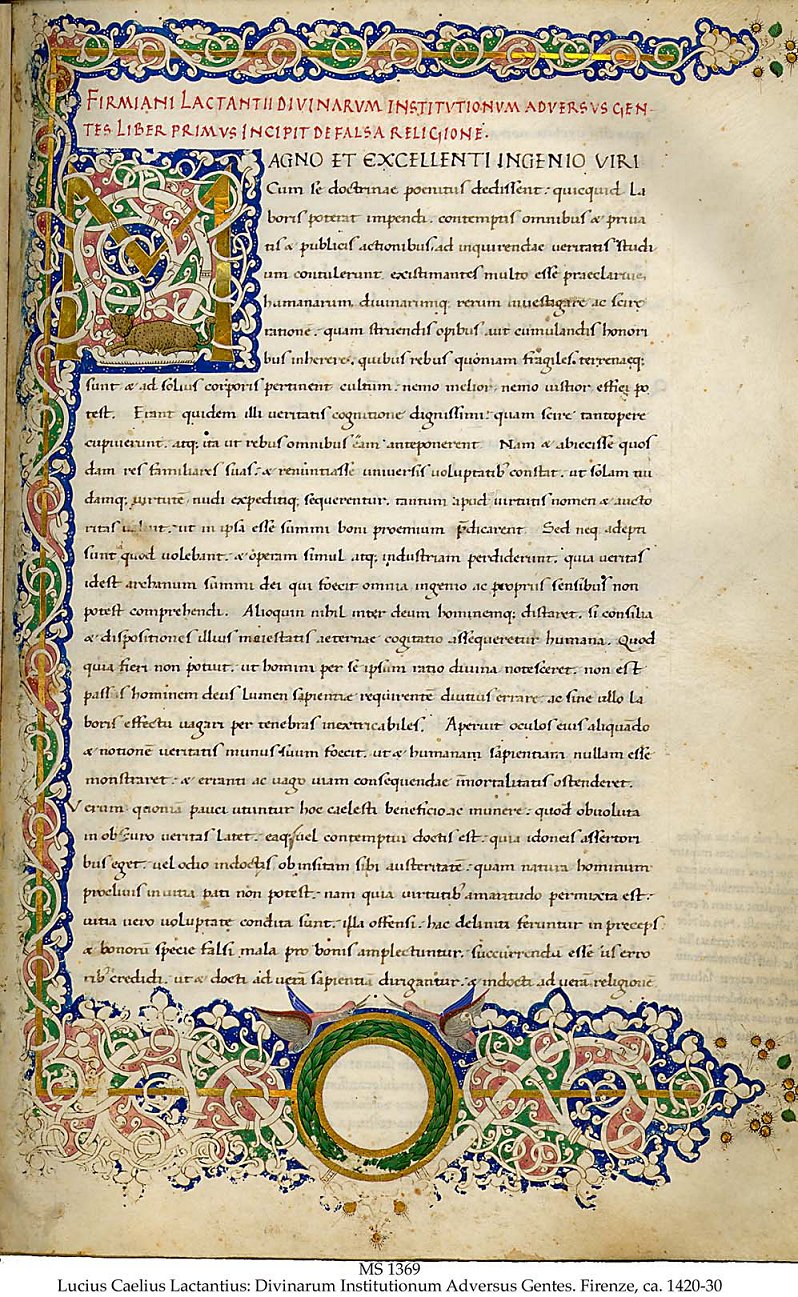 Book
Secondary source
Lactantius · written AD 303-311; this manuscript copy c. 1420-1430
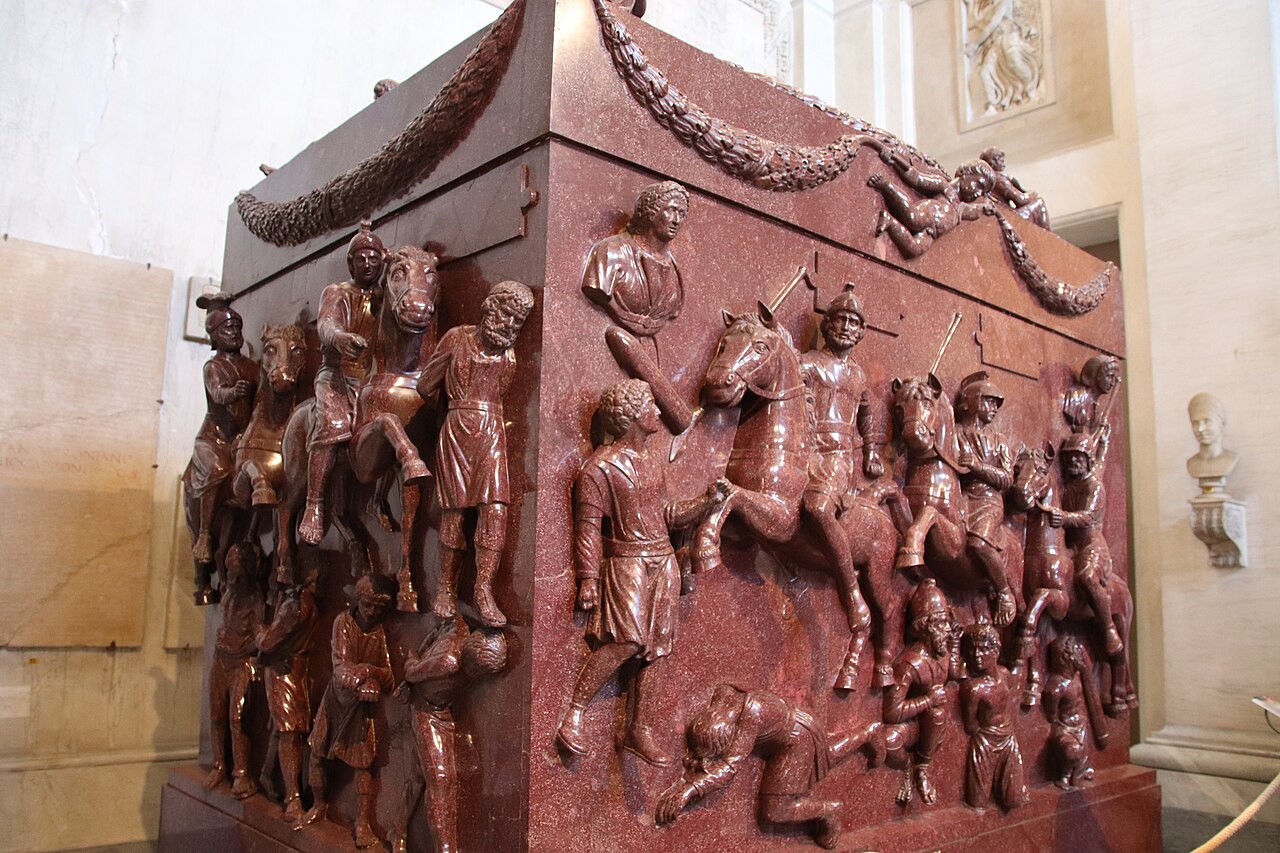 Artifact
Primary source
4th century AD
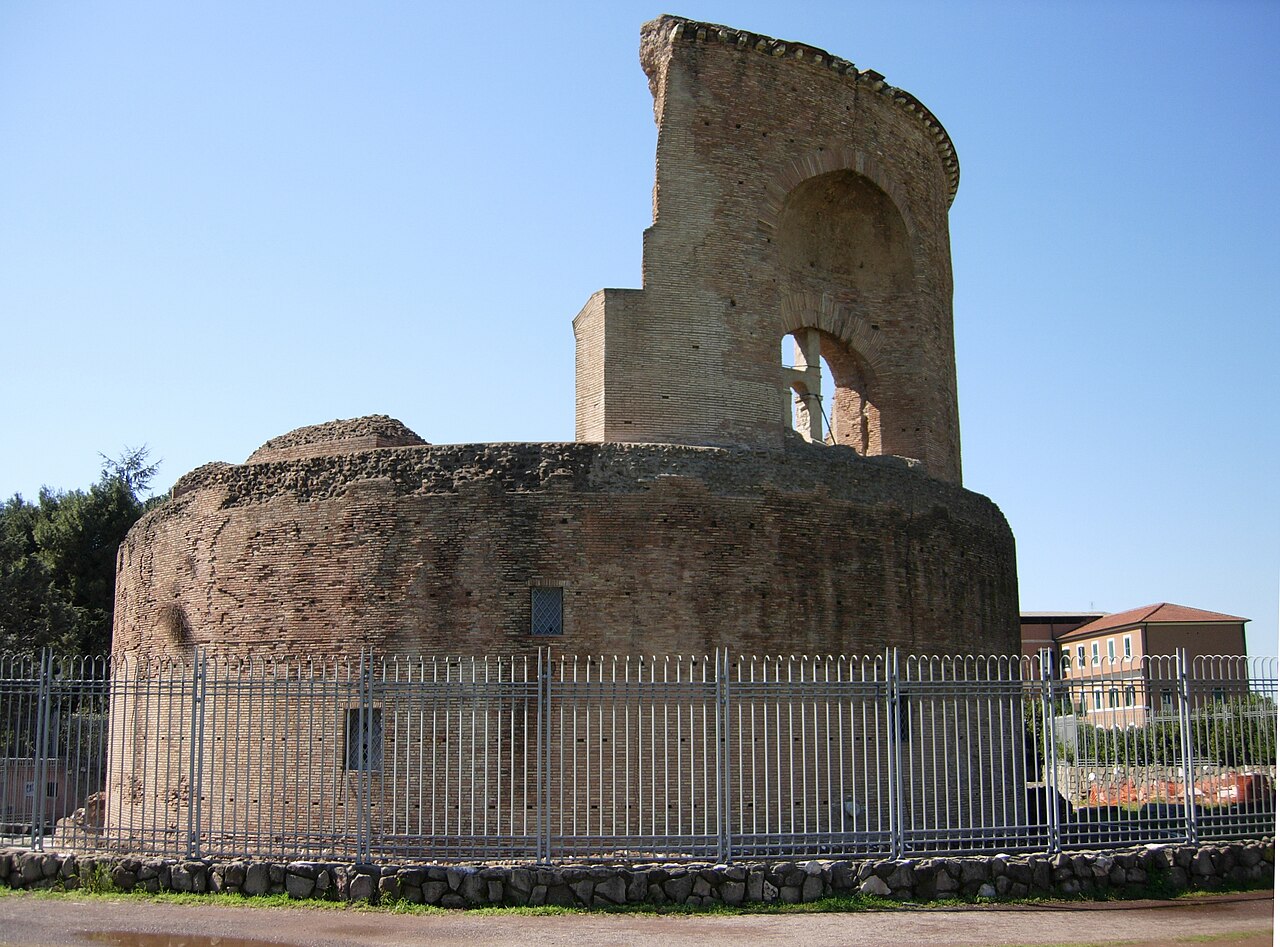 Artifact
Primary source
Constantine I · 326-330 AD
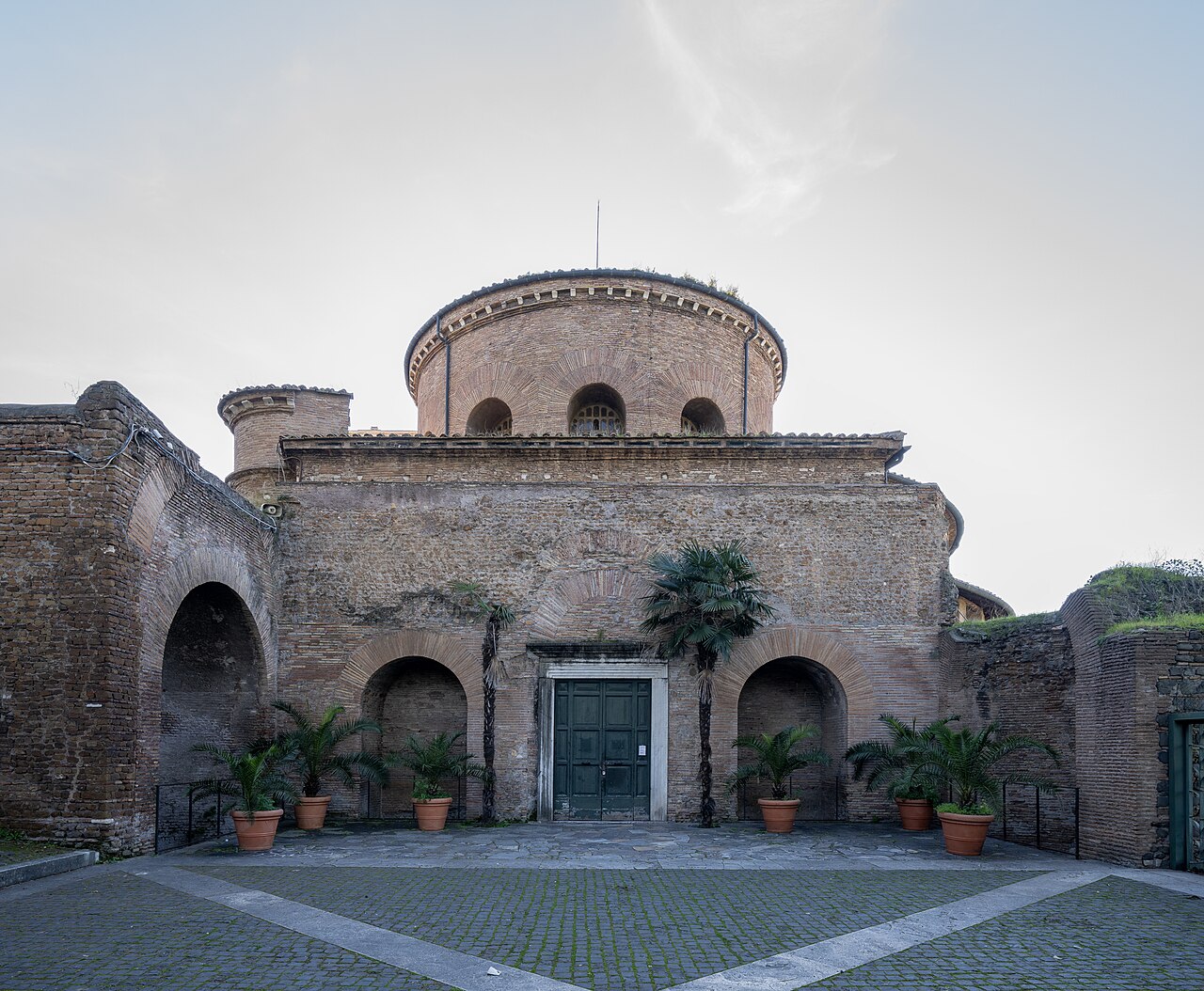 Artifact
Primary source
4th century AD, built from reign of Constantine I
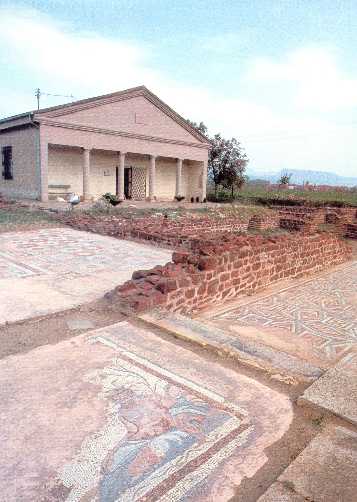 Artifact
Primary source
Constantine I · early 4th century AD, reign of Constantine I (306-337)
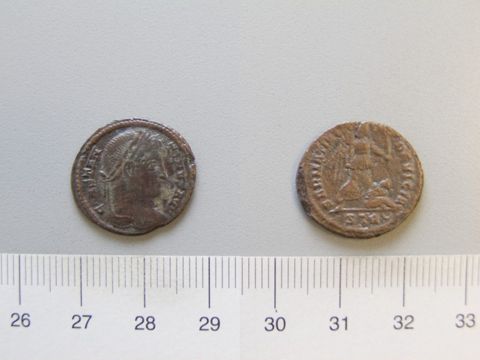 Artifact
Primary source
323 AD
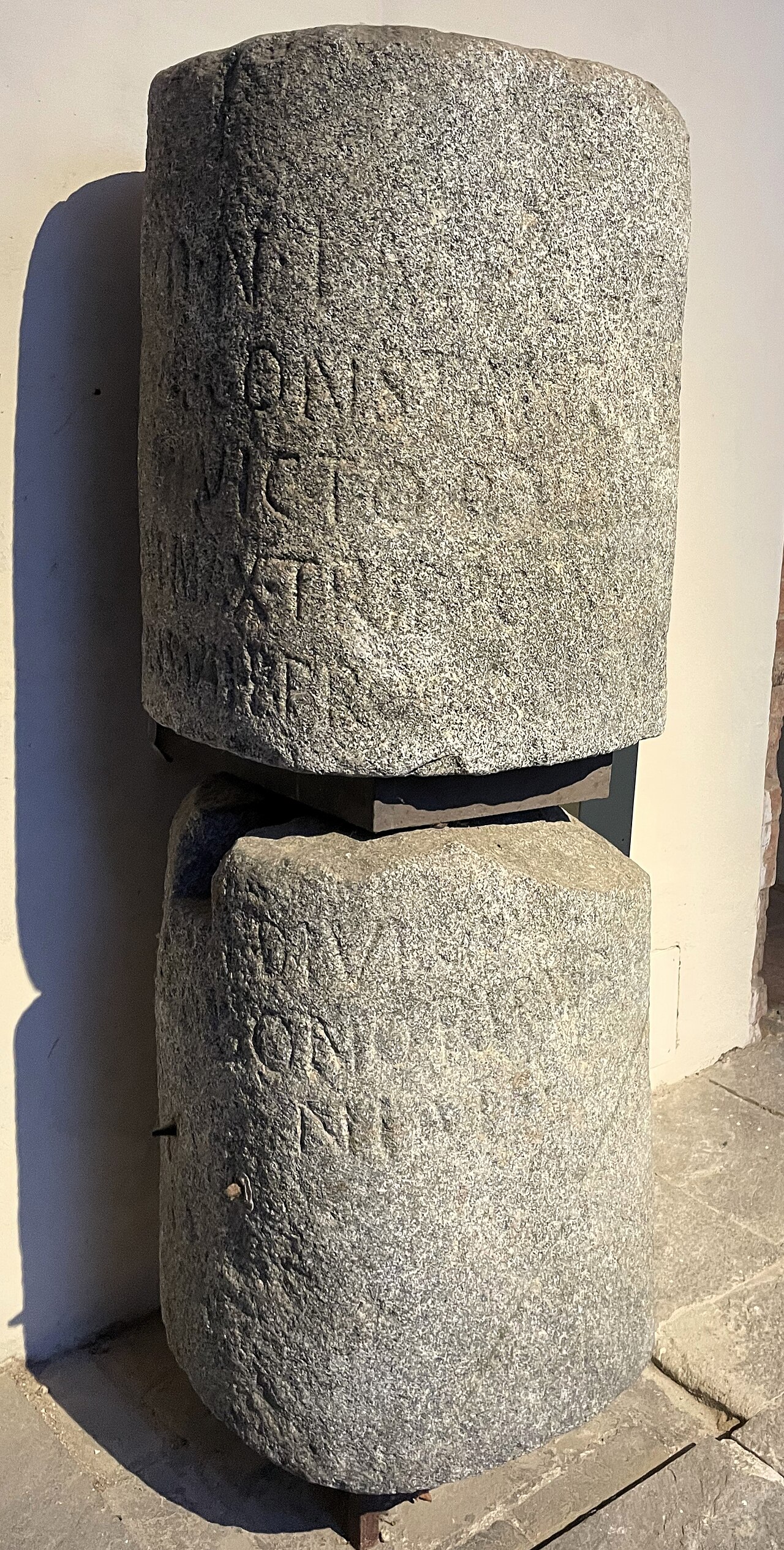 Artifact
Primary source
327-328 AD
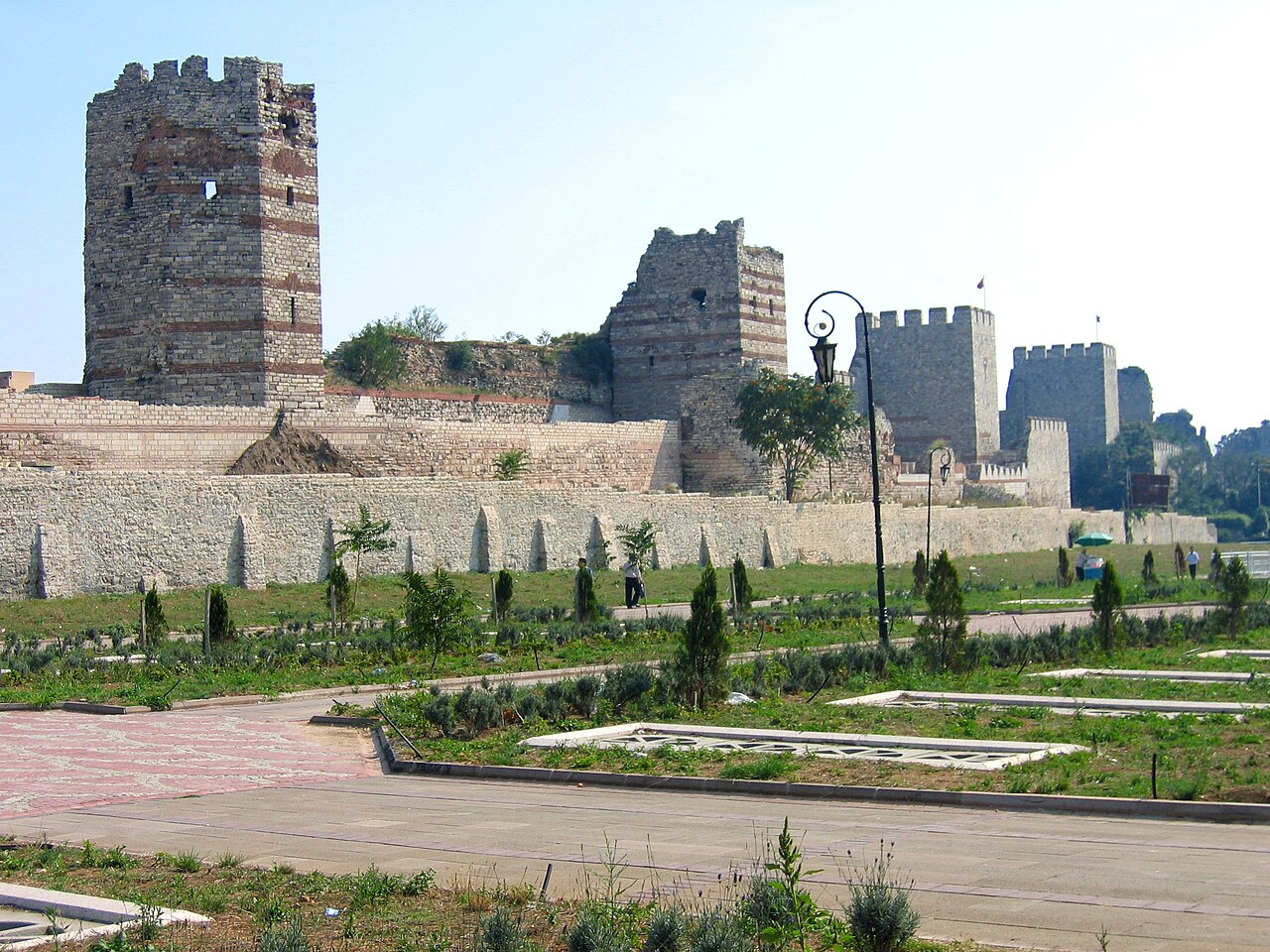 Artifact
Secondary source
4th century AD, later rebuilt
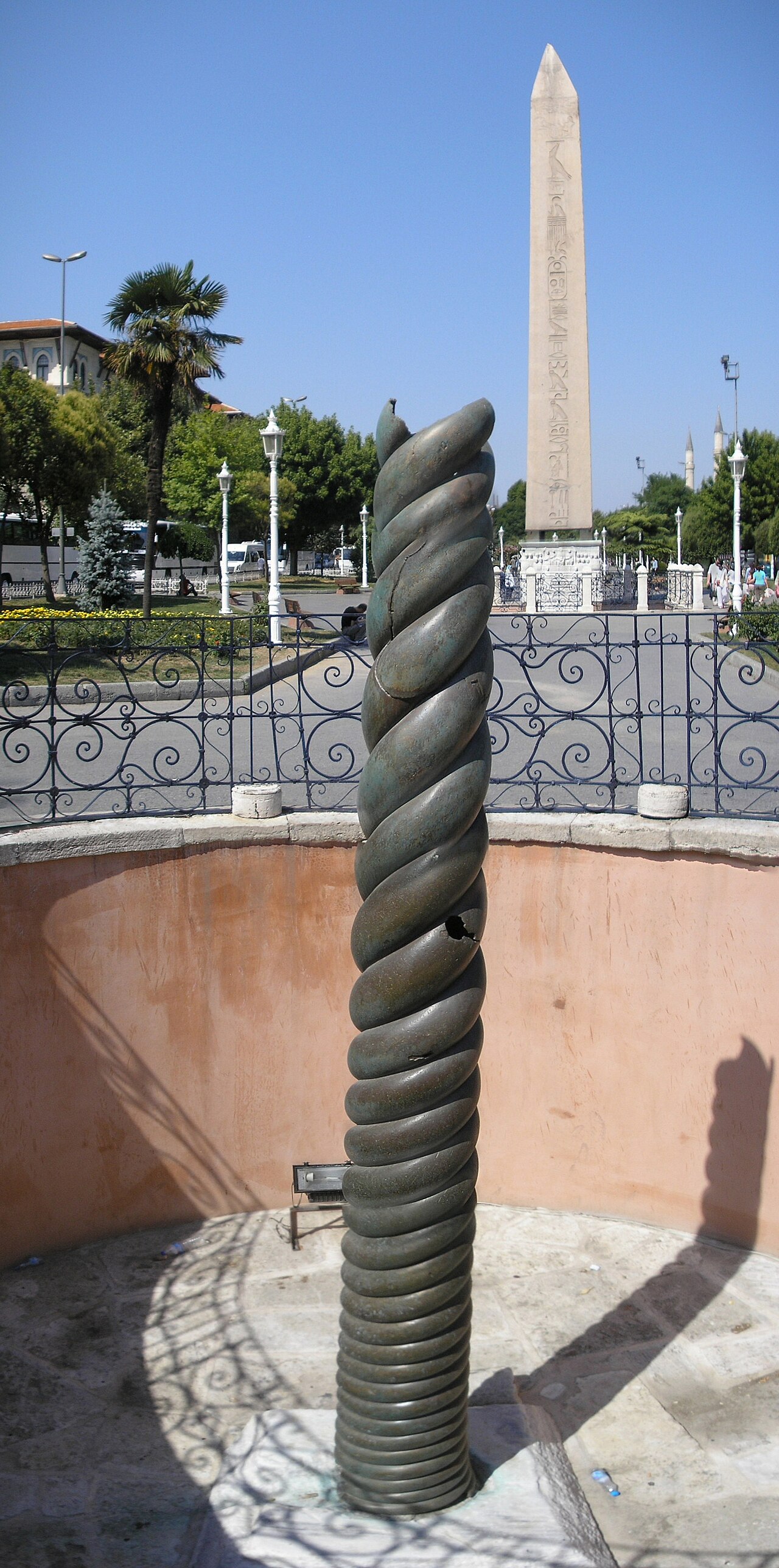 Artifact
Secondary source
c. 478 BC, moved 324 AD
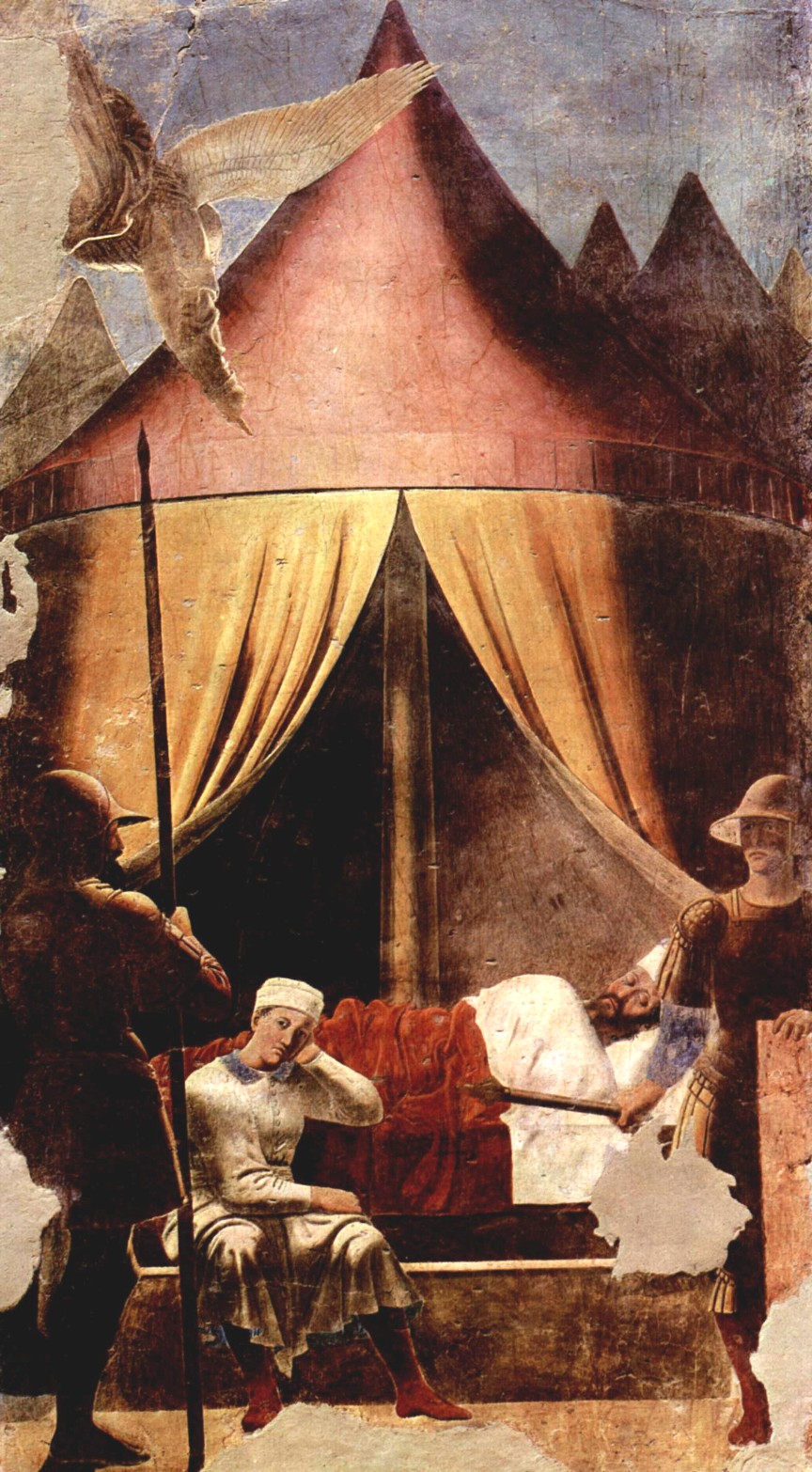 Painting
Secondary source
Piero della Francesca · 1458
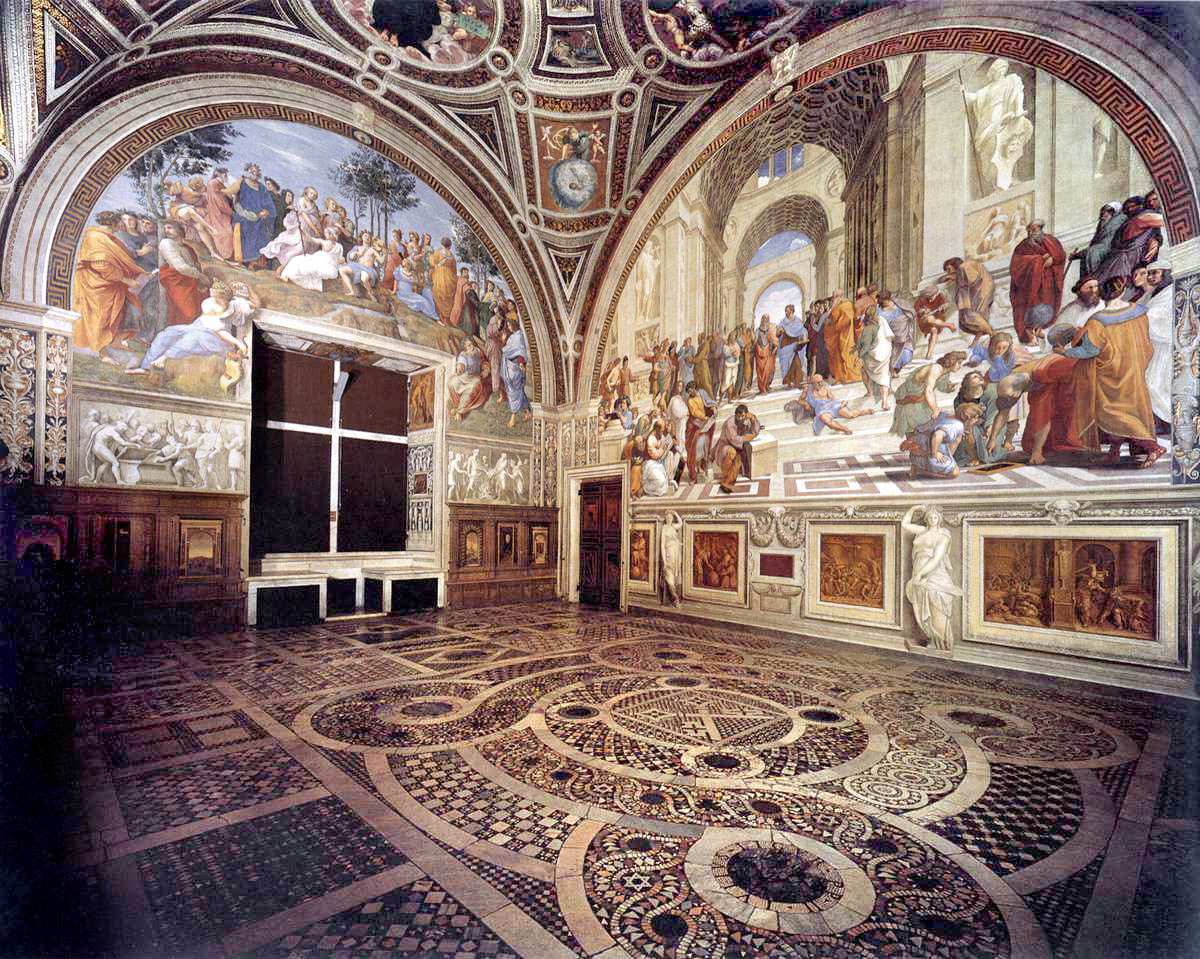 Painting
Secondary source
Raphael · 1508-1524
 Sculpture
Secondary source
Gian Lorenzo Bernini · 1670
Secondary source
Athanasius of Alexandria · c. 350
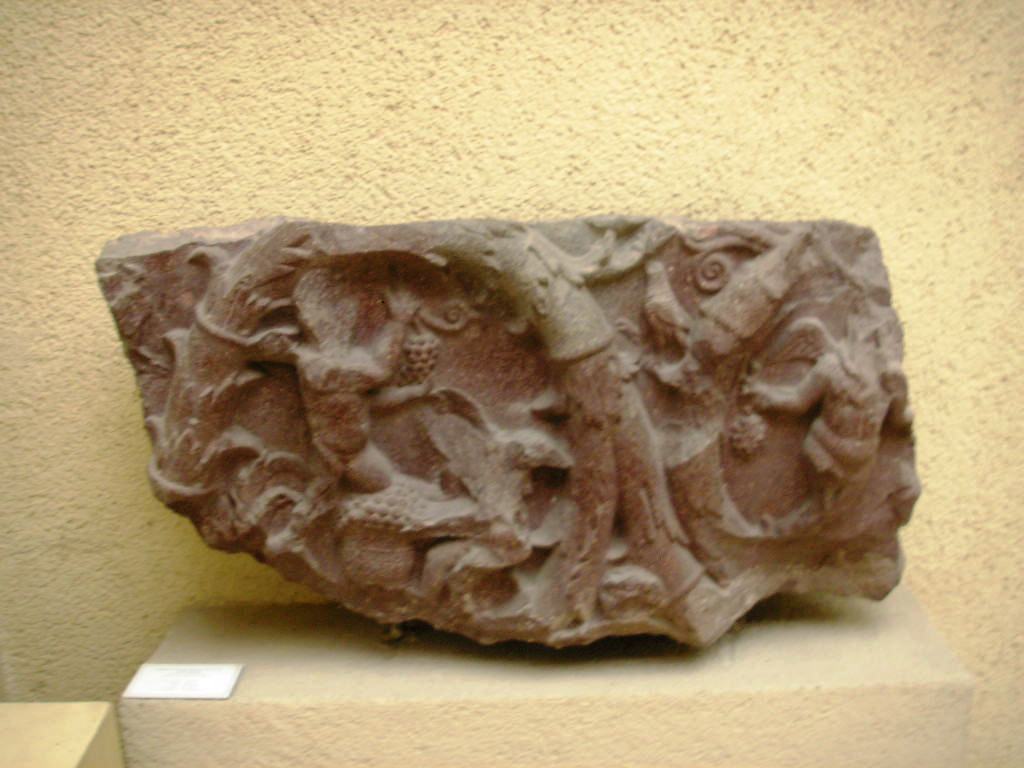 Artifact
Primary source
4th century CE
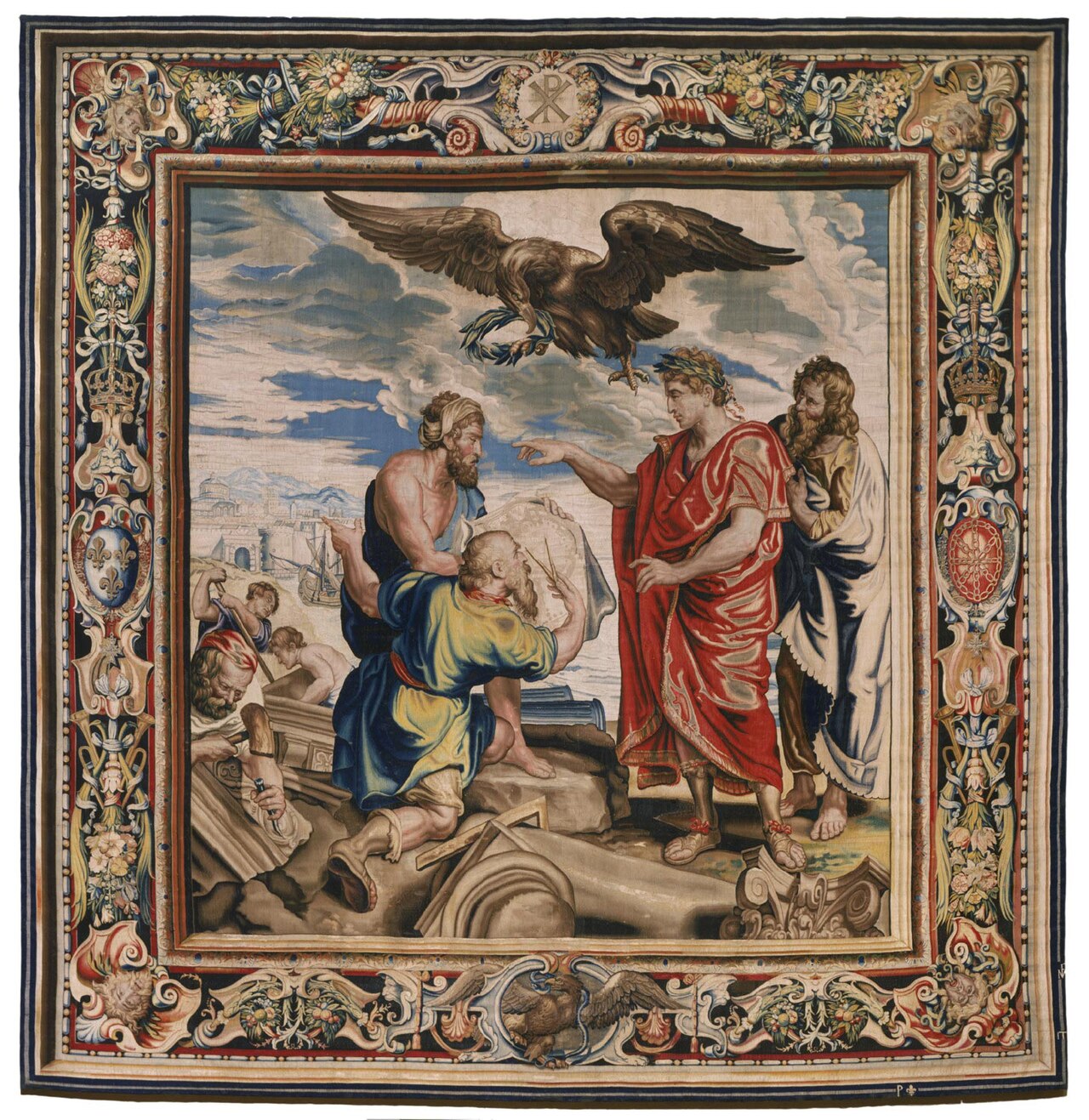 Artifact
Secondary source
Peter Paul Rubens · 1620
Primary source
Constantine the Great
Primary source
Constantine the Great
Primary source
Constantine the Great
Primary source
Constantine the Great
Primary source
Constantine the Great
Primary source
Constantine the Great
Primary source
Constantine the Great
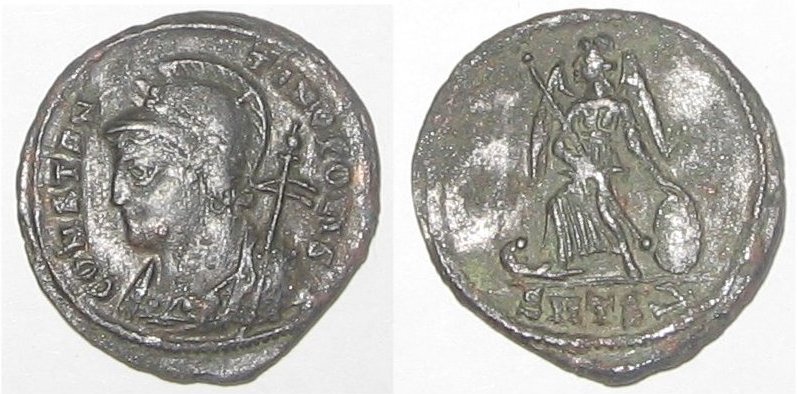 Artifact
Primary source
Secondary source
Philip Schaff (editor) · 1904
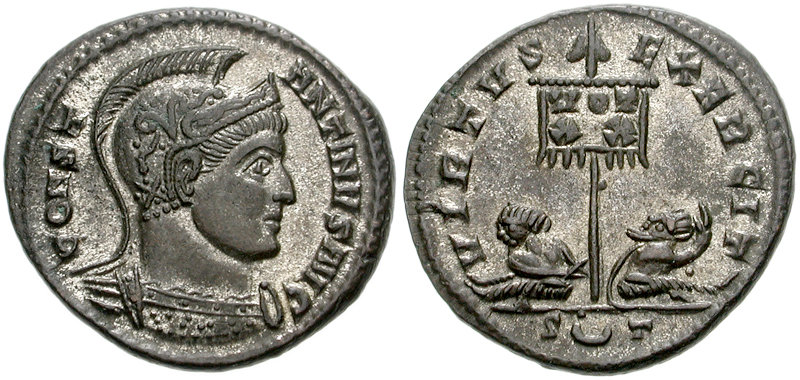 Artifact
Primary source
319-320 AD
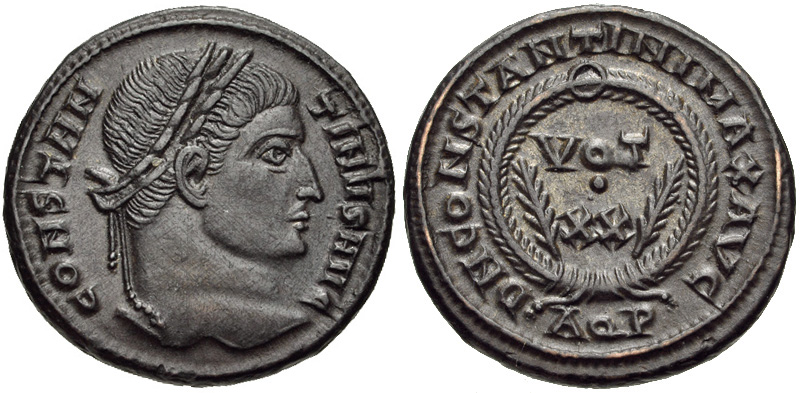 Artifact
Primary source
322 AD
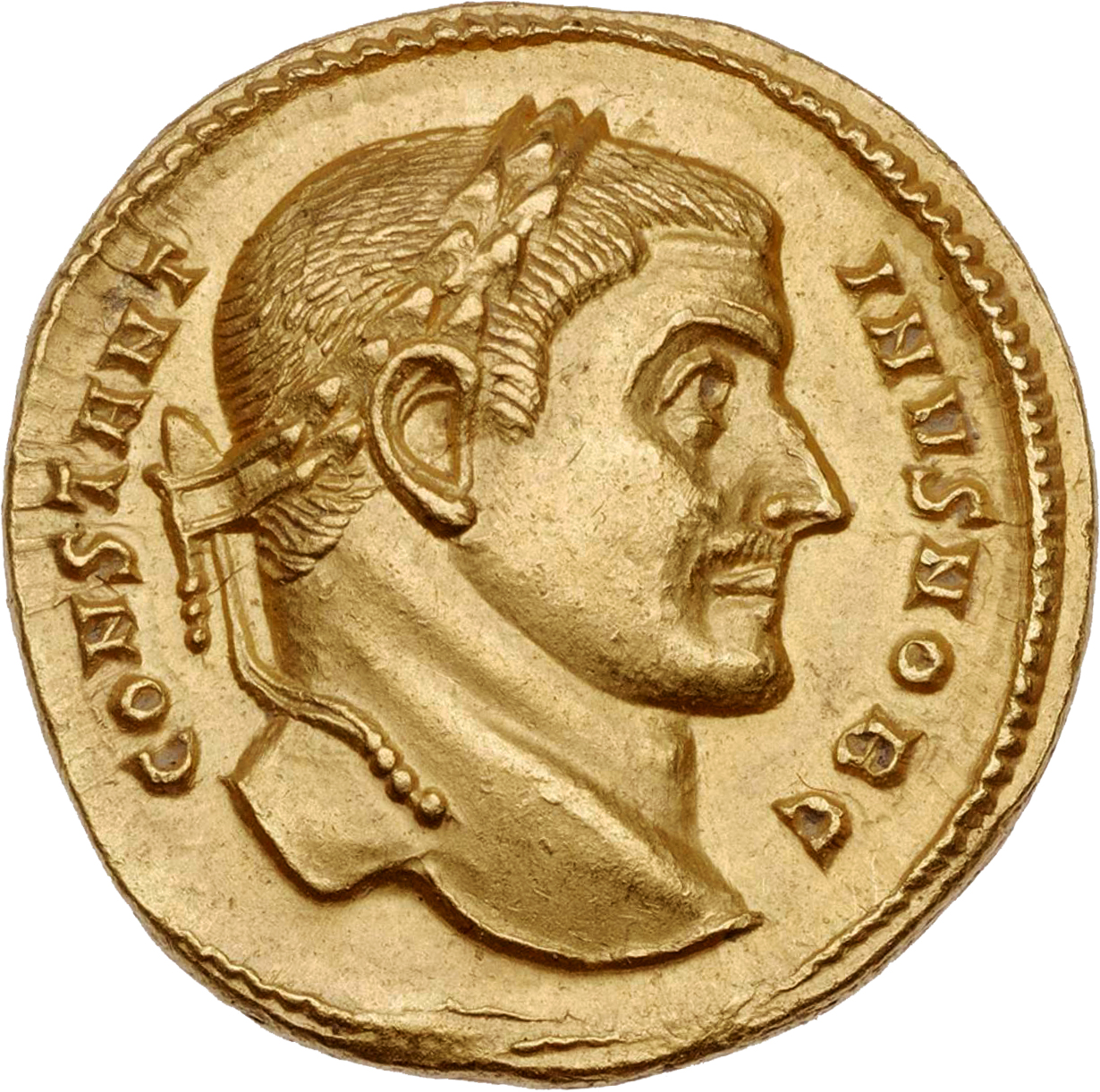 Artifact
Primary source
c. 307 AD
 Book
Secondary source
Christopher Bush Coleman · 1914
Secondary source
Franz Dölger (editor) · 1913
Secondary source
Pierre Batiffol · 1914
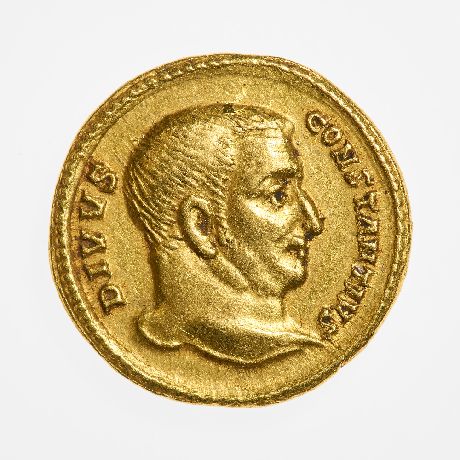 Artifact
Primary source
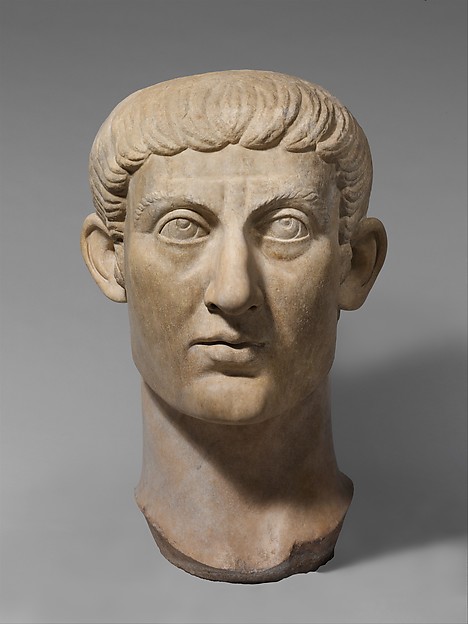 Sculpture
Primary source
ca. 325–370 CE
Primary source
Constantine the Great · 312 AD
Primary source
Constantine the Great
Secondary source
Edward Gibbon · 1906
Tertiary source
Charles G. Herbermann and others (eds.) · 1913
Tertiary source
1911
Secondary source
Dean Dudley · 1880
Secondary source
John Benjamin Firth
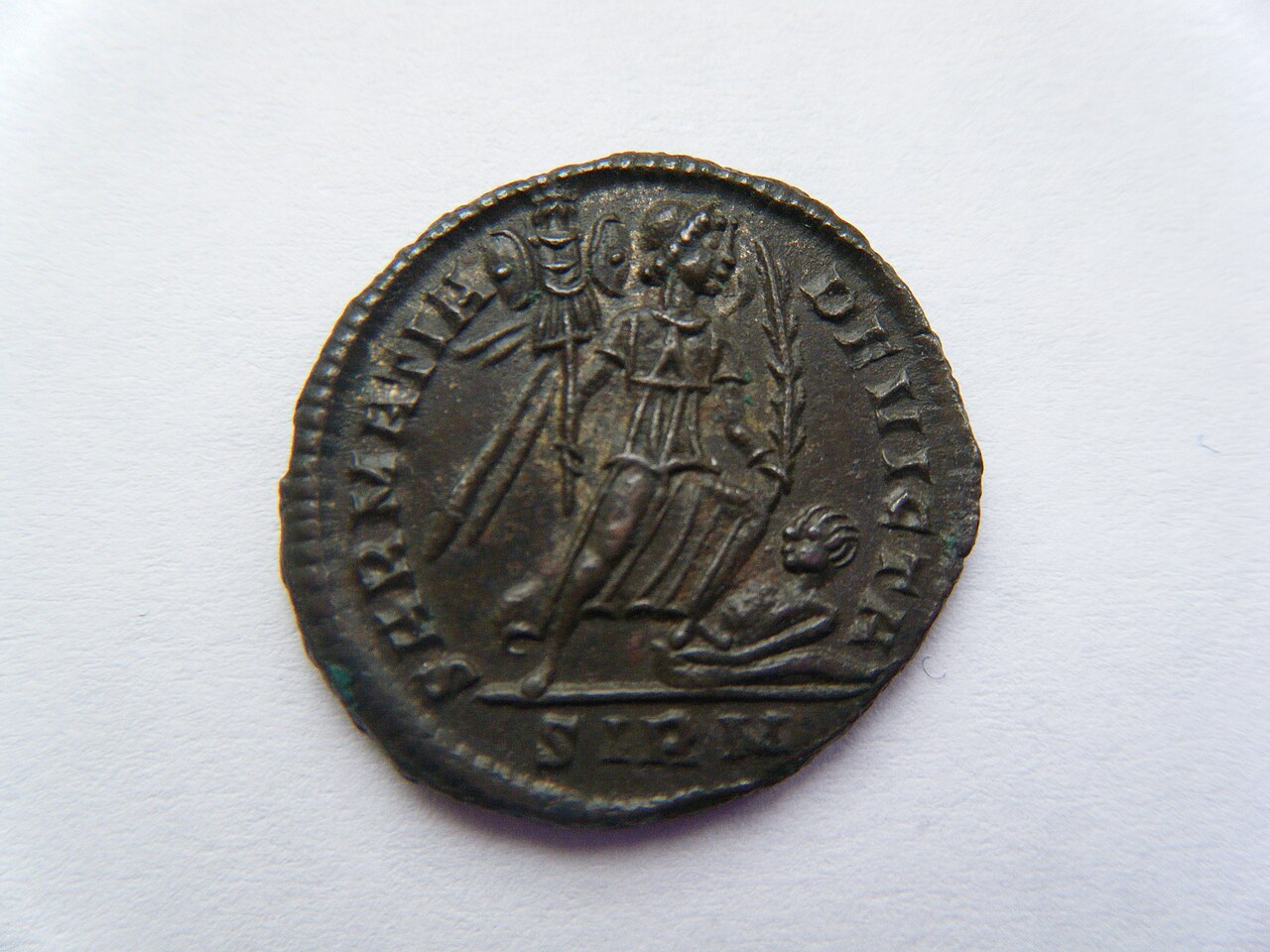 Artifact
Primary source
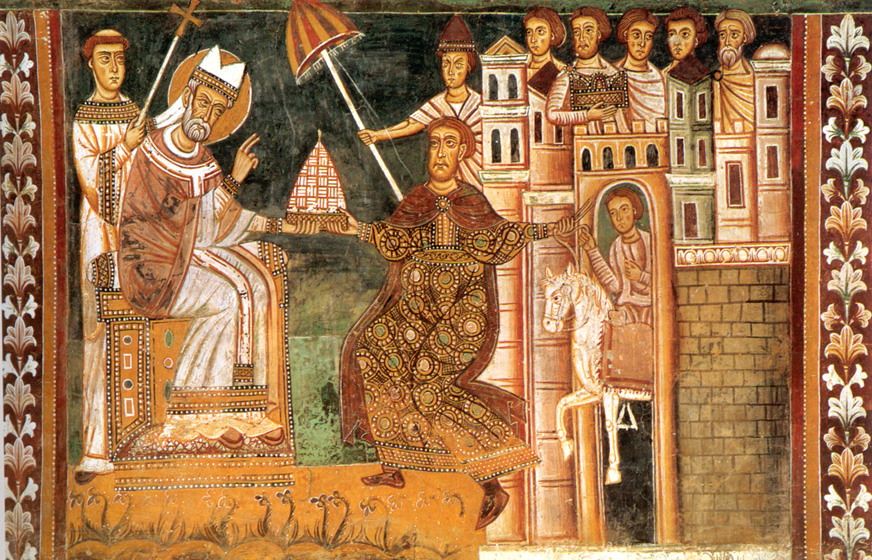 Painting
Secondary source
Unknown medieval artist in Rome · 1247
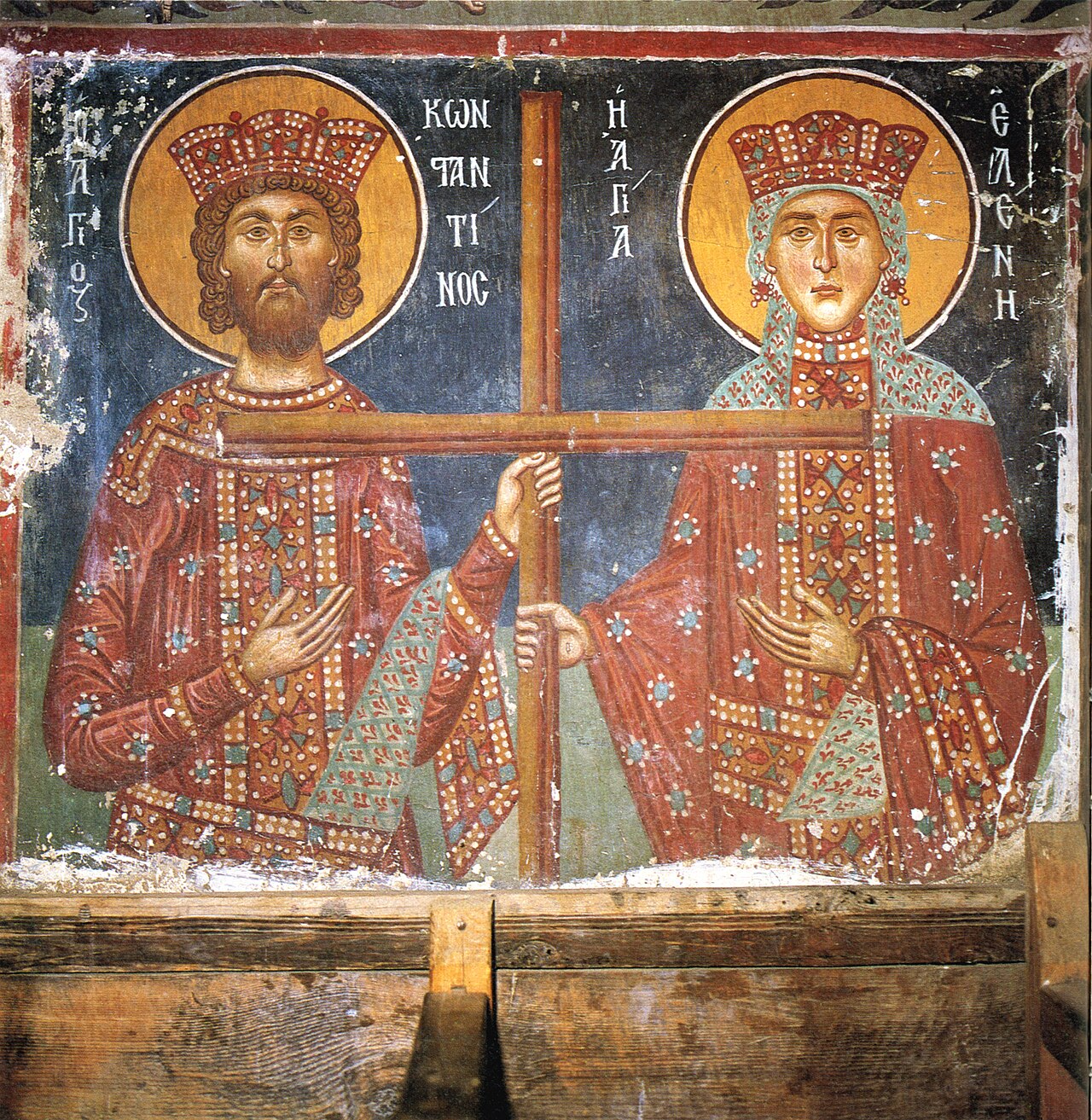 Painting
Secondary source
Unknown medieval artist · between 1200 and 1400
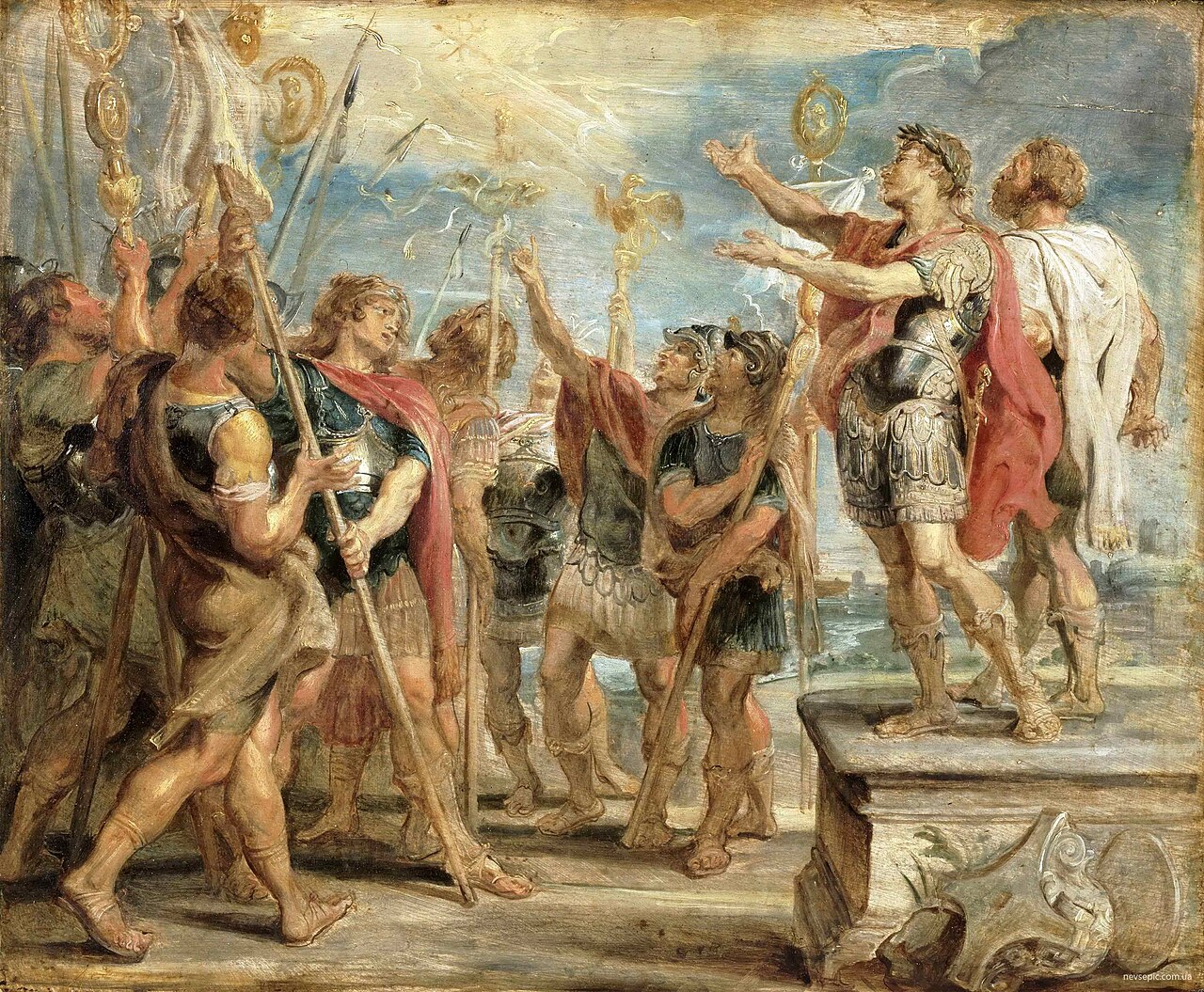 Painting
Secondary source
Peter Paul Rubens · 1622
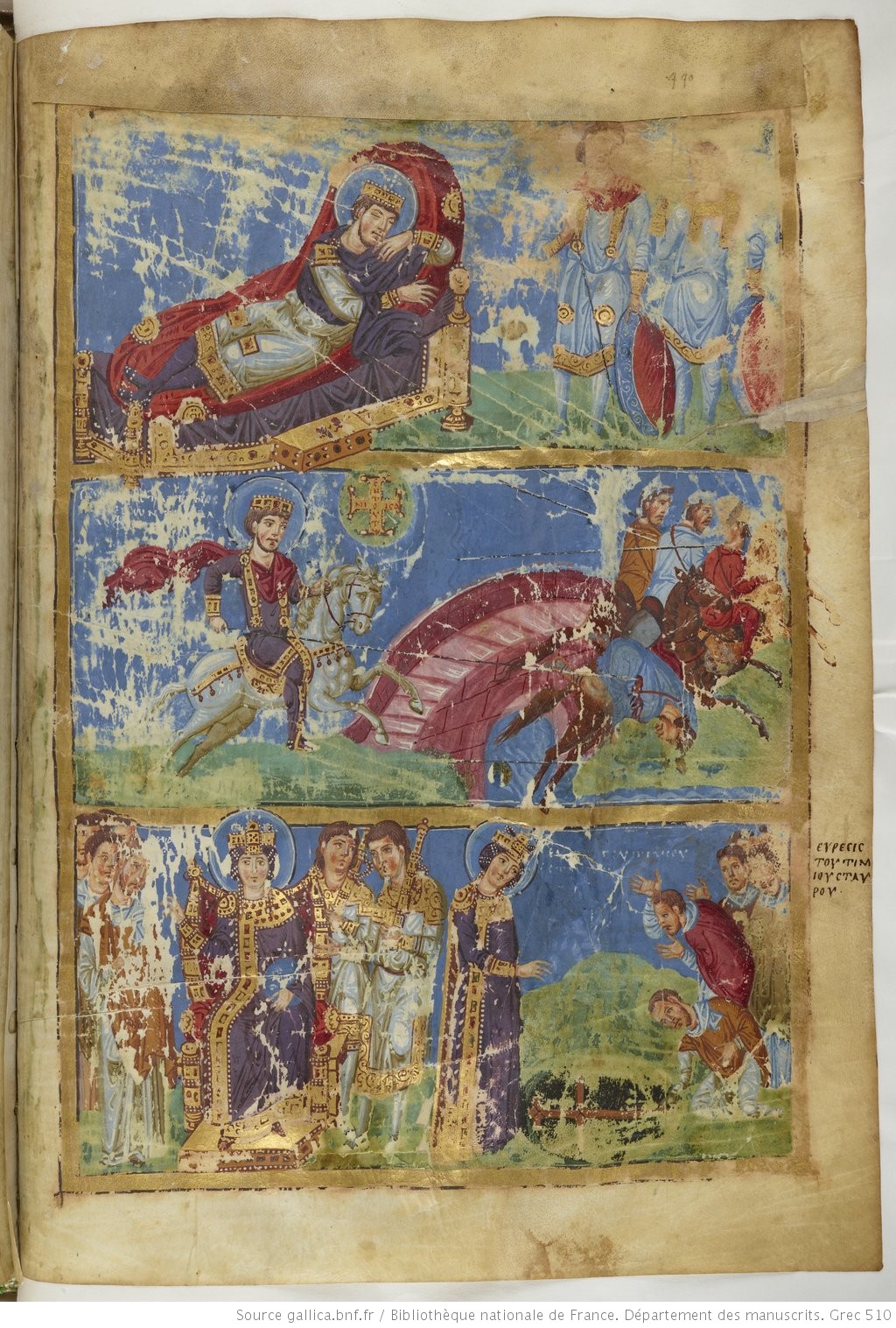 Painting
Secondary source
between 879 and 882
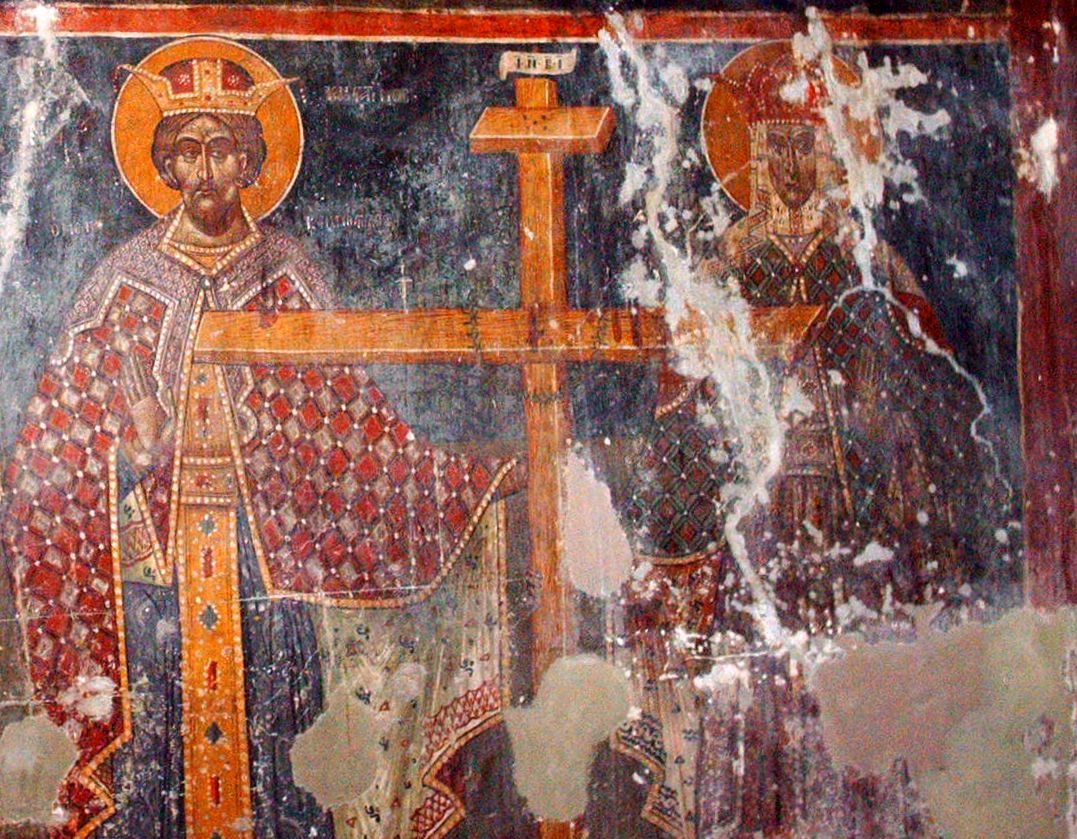 Painting
Secondary source
Nikolla, son of Onufri · second half of the 16th century
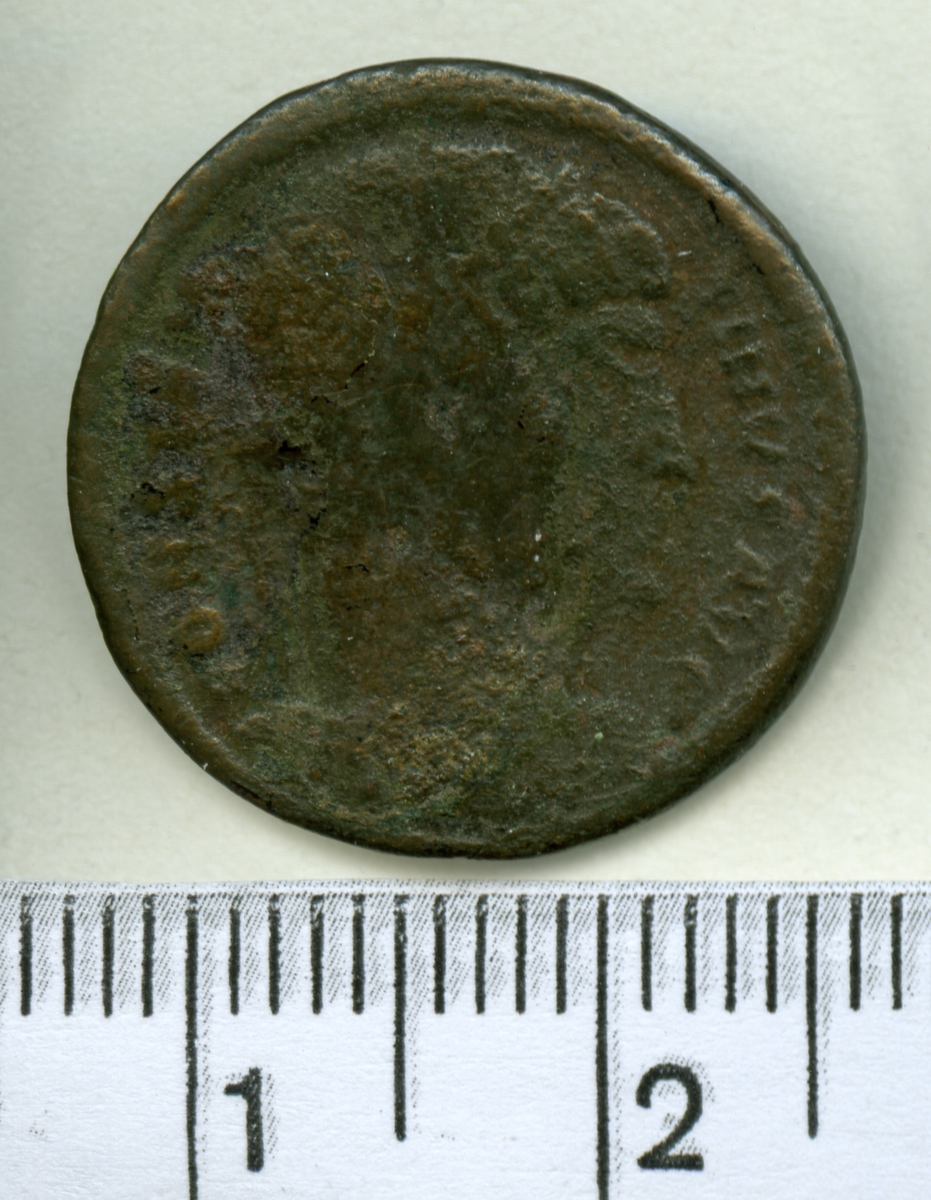 Artifact
Primary source
306-337 AD
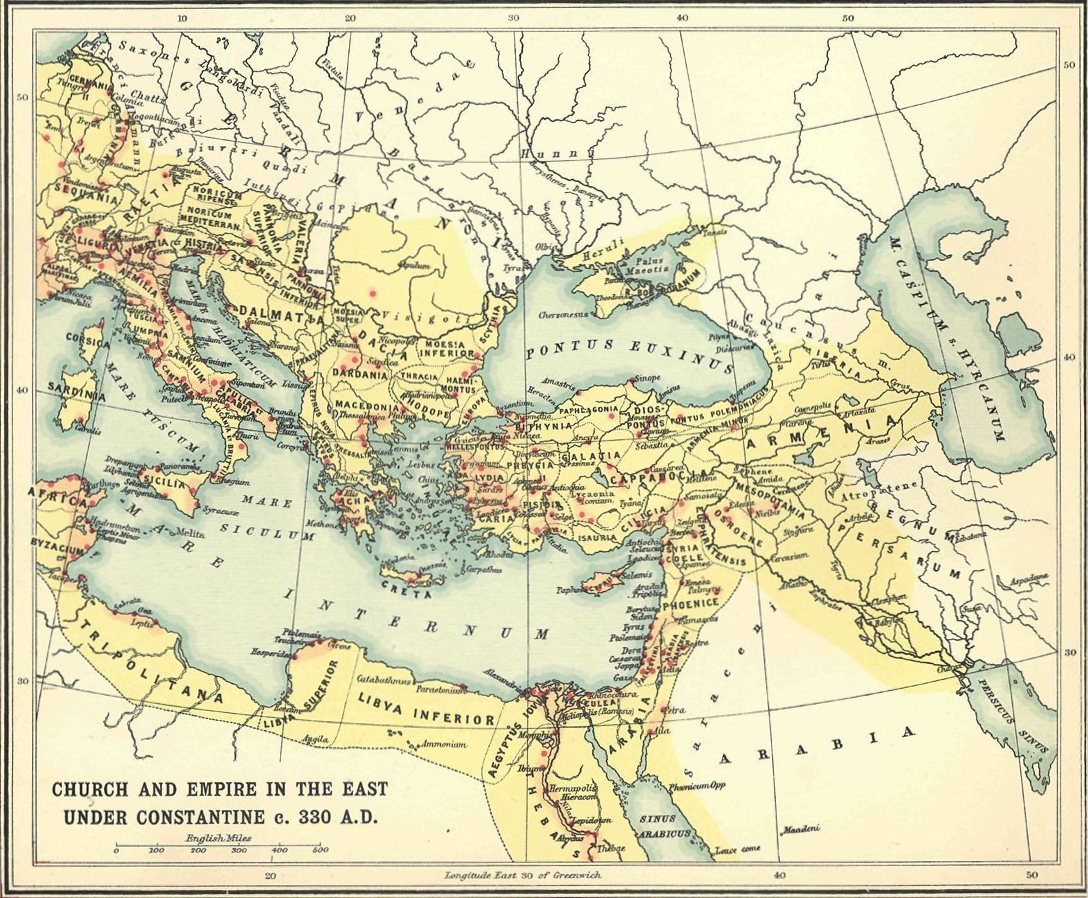 Book
Secondary source
George Adam Smith · 1915
Tertiary source
1902
 Book
Secondary source
J. Simonis · 1901
Primary source
Constantine I (attributed)
Want the full shelf? Chat with Constantine the Great in the app and open the Sources panel — every quote links back to the original.
2 collections
Ready-made collections from the Humy team that feature Constantine the Great. Preview any of them, then try it free.
Paying customers



























Dr. Michael Calvert
Assistant Superintendent, South Allegheny School District, Pennsylvania
Been using Humy in his district since 2024
“We enjoyed the program last year and used it frequently.”

Jacob Chisom
World and American History, Monticello High School, Arkansas
Been using Humy in his classroom since 2024
“My students say it’s a welcome change of pace. I’m not a fan of the “sage on the stage” model, so I try to incorporate research-oriented and self-paced activities. With Humy, students have to take charge of their learning. They’ve become more adept at critical thinking, forming better questions, and improving their reading comprehension. The interview feature has been my go-to tool. I create assignments where students must ask historical figures a set number of questions, then summarize the responses to ensure they’re truly absorbing the material. This approach lets them actively explore the past rather than passively consuming information.”
Roger Campbell
7th-grade World History, Lancaster County, Pennsylvania
Been using Humy in his classroom since 2024
“Humy has helped me bring historical figures, sometimes long past, to life. When my students interact with these figures in real-time, it eliminates some of the perceived “ancient” characteristics of my curriculum. This has shifted my students’ thinking away from viewing history as abstract or irrelevant. Real-time interactions make historical figures relatable, even allowing students to ask off-topic questions that help put historical lives in a more relevant context for 13-year-olds. The feature I use the most is the interview feature. After teaching a topic, most recently Gandhi and Joan of Arc, I have the students ask pointed, focused questions. We practice good conversation techniques beforehand, teaching them to listen (or read) carefully and formulate thoughtful follow-up questions rather than just interrogating. It helps students practice effective conversation skills.”
Dr. Michael Calvert
Assistant Superintendent, South Allegheny School District, Pennsylvania
Been using Humy in his district since 2024
“We enjoyed the program last year and used it frequently.”
Jacob Chisom
World and American History, Monticello High School, Arkansas
Been using Humy in his classroom since 2024
“My students say it’s a welcome change of pace. I’m not a fan of the “sage on the stage” model, so I try to incorporate research-oriented and self-paced activities. With Humy, students have to take charge of their learning. They’ve become more adept at critical thinking, forming better questions, and improving their reading comprehension. The interview feature has been my go-to tool. I create assignments where students must ask historical figures a set number of questions, then summarize the responses to ensure they’re truly absorbing the material. This approach lets them actively explore the past rather than passively consuming information.”
Roger Campbell
7th-grade World History, Lancaster County, Pennsylvania
Been using Humy in his classroom since 2024
“Humy has helped me bring historical figures, sometimes long past, to life. When my students interact with these figures in real-time, it eliminates some of the perceived “ancient” characteristics of my curriculum. This has shifted my students’ thinking away from viewing history as abstract or irrelevant. Real-time interactions make historical figures relatable, even allowing students to ask off-topic questions that help put historical lives in a more relevant context for 13-year-olds. The feature I use the most is the interview feature. After teaching a topic, most recently Gandhi and Joan of Arc, I have the students ask pointed, focused questions. We practice good conversation techniques beforehand, teaching them to listen (or read) carefully and formulate thoughtful follow-up questions rather than just interrogating. It helps students practice effective conversation skills.”
FAQ
Like any LLM, the AI version of Constantine the Great can get details wrong. Open one of these sources in a new tab to verify what you’ve read.

Roman Emperor who made Christianity the official state religion of the Roman Empire.

Indian emperor who embraced Buddhism and promoted peace and religious tolerance.

Founder of the Achaemenid Empire and renowned for his military strategies and humane governance.

King of the Achaemenid Empire, known for expanding the empire and for his construction projects.

Roman general and statesman who played a critical role in the events that led to the demise of the Roman Republic and the rise of the Roman Empire.

Byzantine emperor known for his legal reforms and re-conquest of former Roman territories.
Ready when you are
20 messages free · No credit card · Available in 50+ languages.