


Secondary sourceArtifact1620
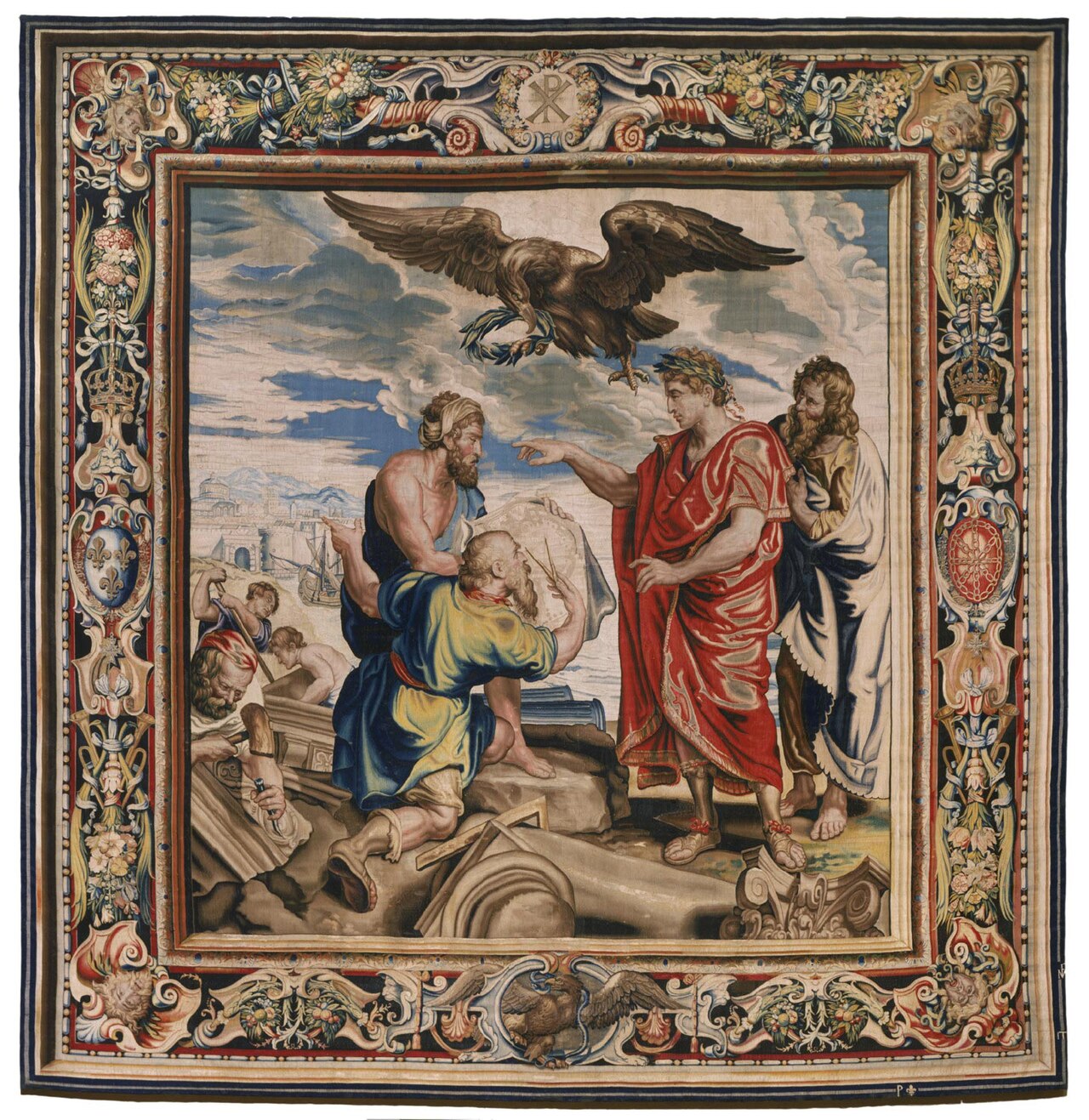
Constantine Directing the Building of Constantinople
Peter Paul Rubens · 1620
A 1620 tapestry by Peter Paul Rubens showing Constantine the Great overseeing the founding of his new capital city.
Depicts Constantine founding Constantinople, showing how later rulers used his image to legitimise their own power.
About this source
What it is
This tapestry was designed by the painter Peter Paul Rubens in 1620 as part of a series on the life of Constantine made for the French king Louis XIII. It is now held by the Philadelphia Museum of Art.
Why it matters
The scene shows the emperor directing the construction of his new city, Constantinople. Centuries after Constantine's death, European monarchs like Louis XIII used images of him founding a great Christian capital to present their own rule as part of a long line of legitimate, divinely favoured kingship.
Look closer
- Why might a 17th-century king want to be associated with Constantine through art like this?
- What symbols in the tapestry (such as the eagle or the laurel wreath) suggest power and divine favour?
- Does this tapestry tell us more about Constantine's own time or about the time it was made?
This artifact is part of the curated material that grounds the AI version of Constantine the Great on Humy.ai — when students ask about related events, the AI can quote it and cite it.
More Constantine the Great sources
Meet the AI Constantine the Great →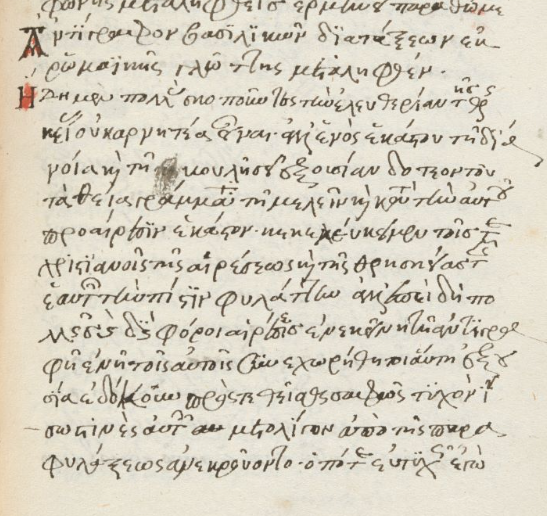 Document
Secondary source
Edict of Milan
Constantine the Great · 313 AD
 Artifact
Secondary source
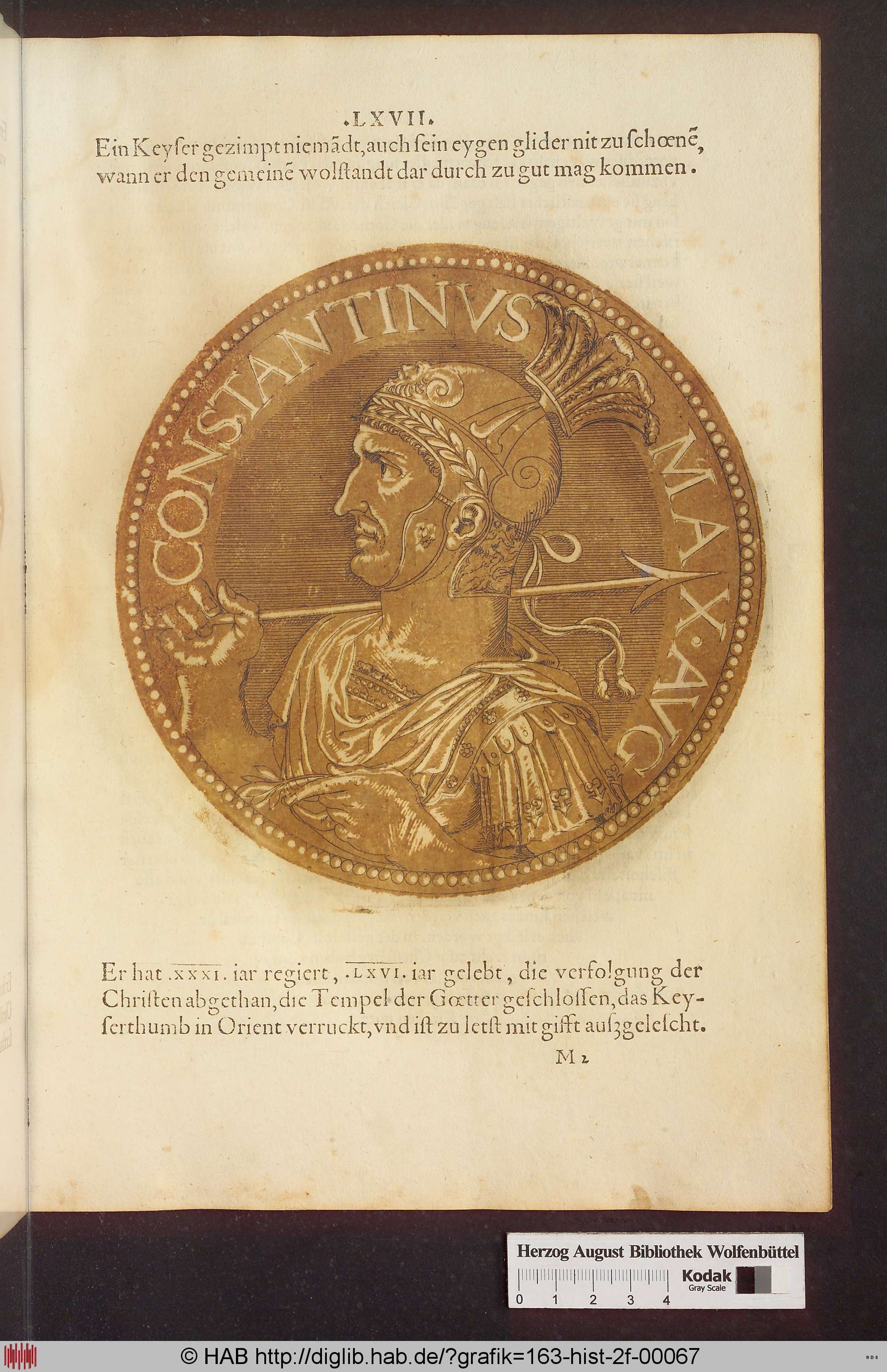
Woodcut Portrait of Constantine the Great
Josse van Gietleughen
 Artifact
Primary source
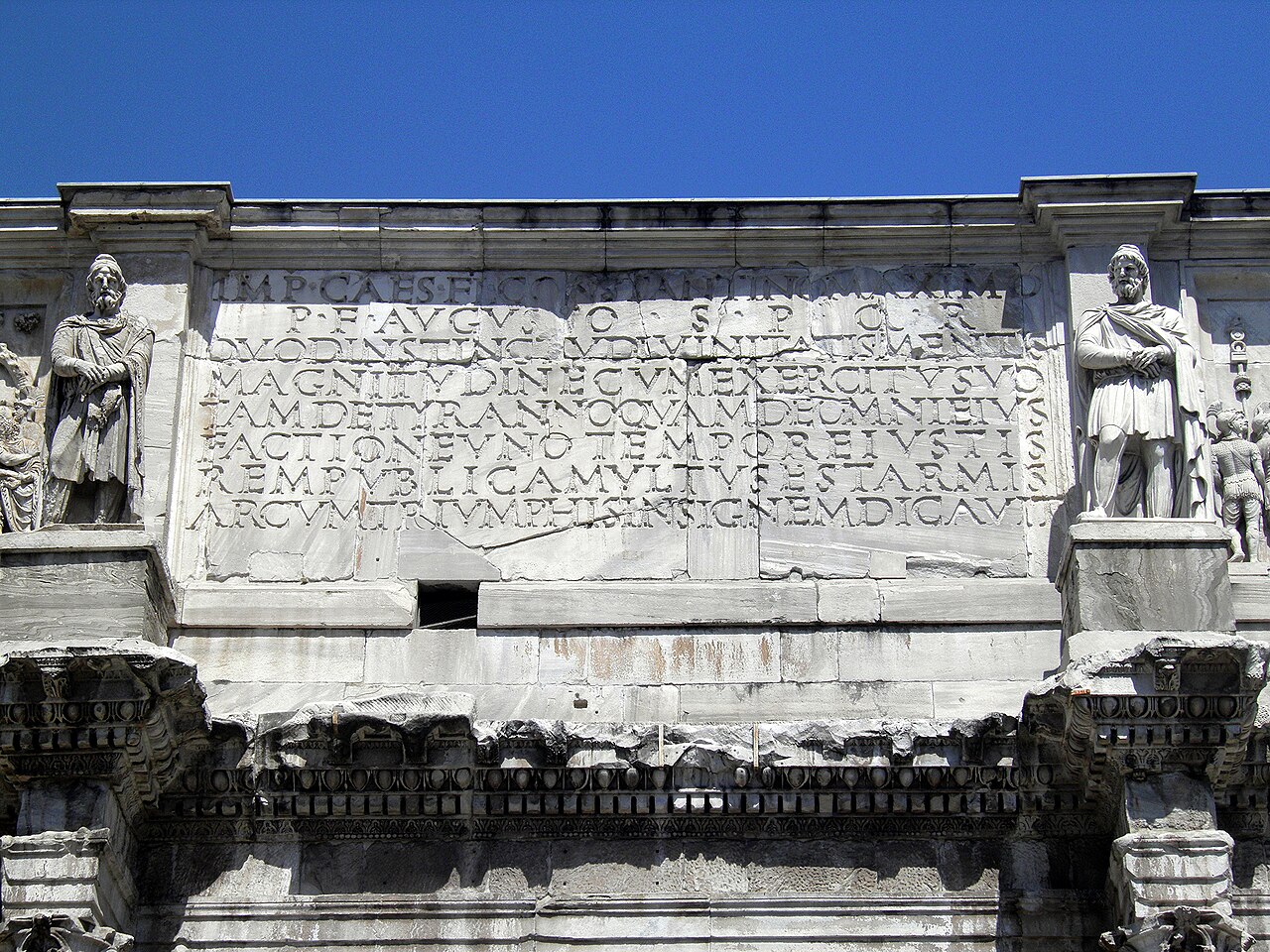
Arch of Constantine
Roman Senate · c. 312-315
 Painting
Secondary source
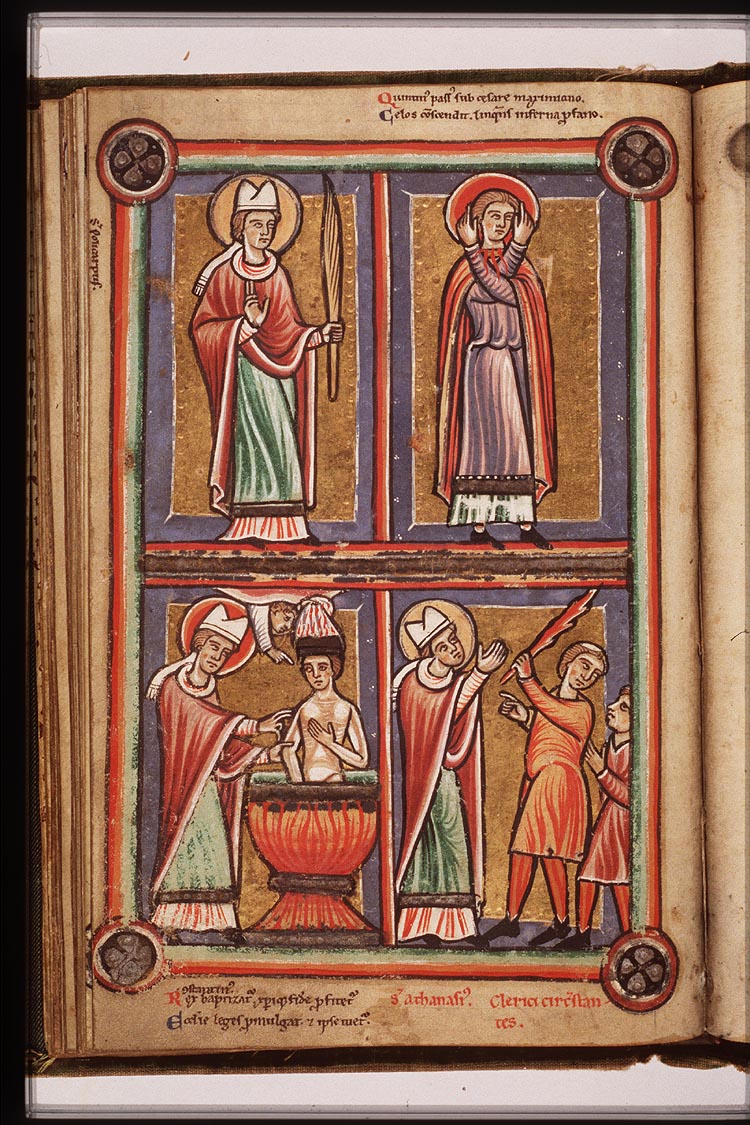
Constantine the Great Baptised by St Sylvester
c. 1200
 Book
Secondary source
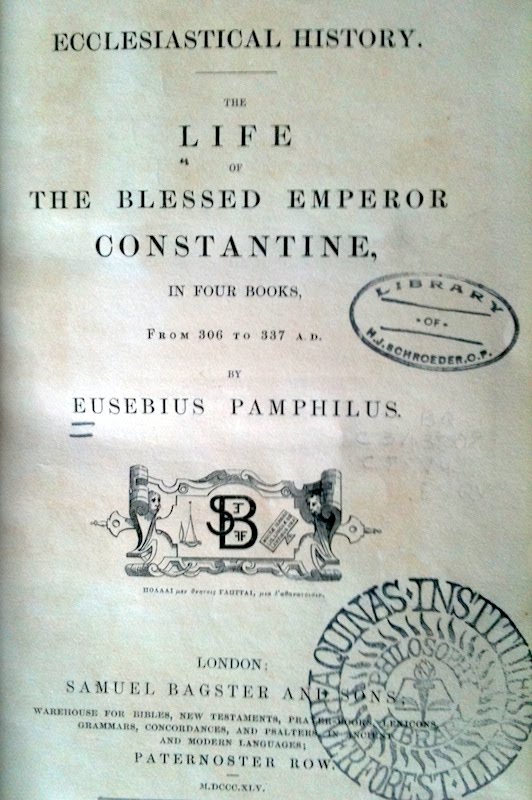
Life of Constantine
Eusebius of Caesarea · 345
Ready when you are
Start chatting with Constantine the Great now.
20 messages free · No credit card · Available in 50+ languages.