


Primary sourceSculptureca. 325–370 CE
Marble Portrait Head of Emperor Constantine I
ca. 325–370 CE
A marble portrait head of Constantine made within or near his lifetime, showing the imperial image he projected.
A marble portrait made in or near his lifetime, showing the imperial image Constantine projected to his subjects.
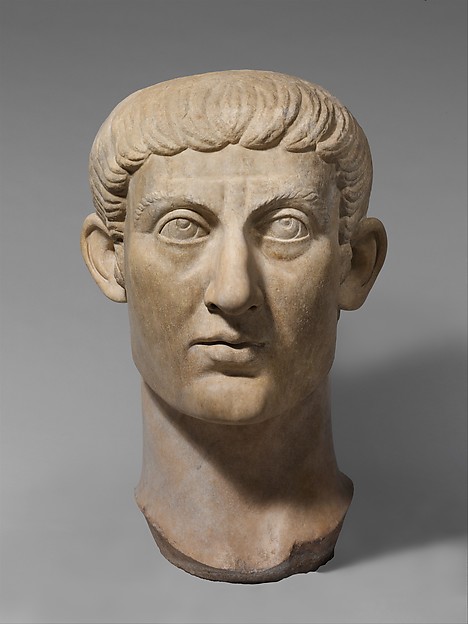
About this source
What it is
This marble head, dated to about 325–370 CE, is a portrait of the Emperor Constantine I. It was made during or very close to his lifetime and is now held at The Metropolitan Museum of Art. The sculpture shows his head with curled hair, large eyes, and a straight nose, carved in the Late Roman Imperial style.
Why it matters
Portraits like this were an important tool for Roman emperors to present their authority across the empire. As the first Christian emperor, Constantine's image carried special weight, blending traditional Roman imperial styling with a new religious and political era. This head gives historians direct evidence of how Constantine wanted to be seen.
Look closer
- What do the eyes and facial expression suggest about the kind of ruler Constantine wanted to appear to be?
- Why do you think the neck is broken—what might this head have originally been part of?
- How might a portrait made for public display differ from how Constantine actually looked?
This sculpture is part of the curated material that grounds the AI version of Constantine the Great on Humy.ai — when students ask about related events, the AI can quote it and cite it.
More Constantine the Great sources
Meet the AI Constantine the Great →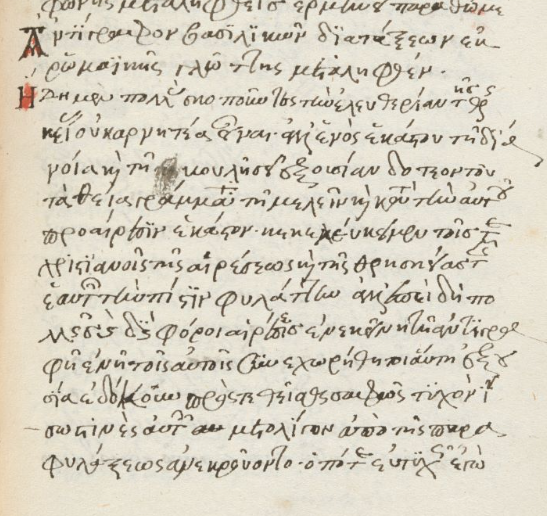 Document
Secondary source
Edict of Milan
Constantine the Great · 313 AD
 Artifact
Secondary source
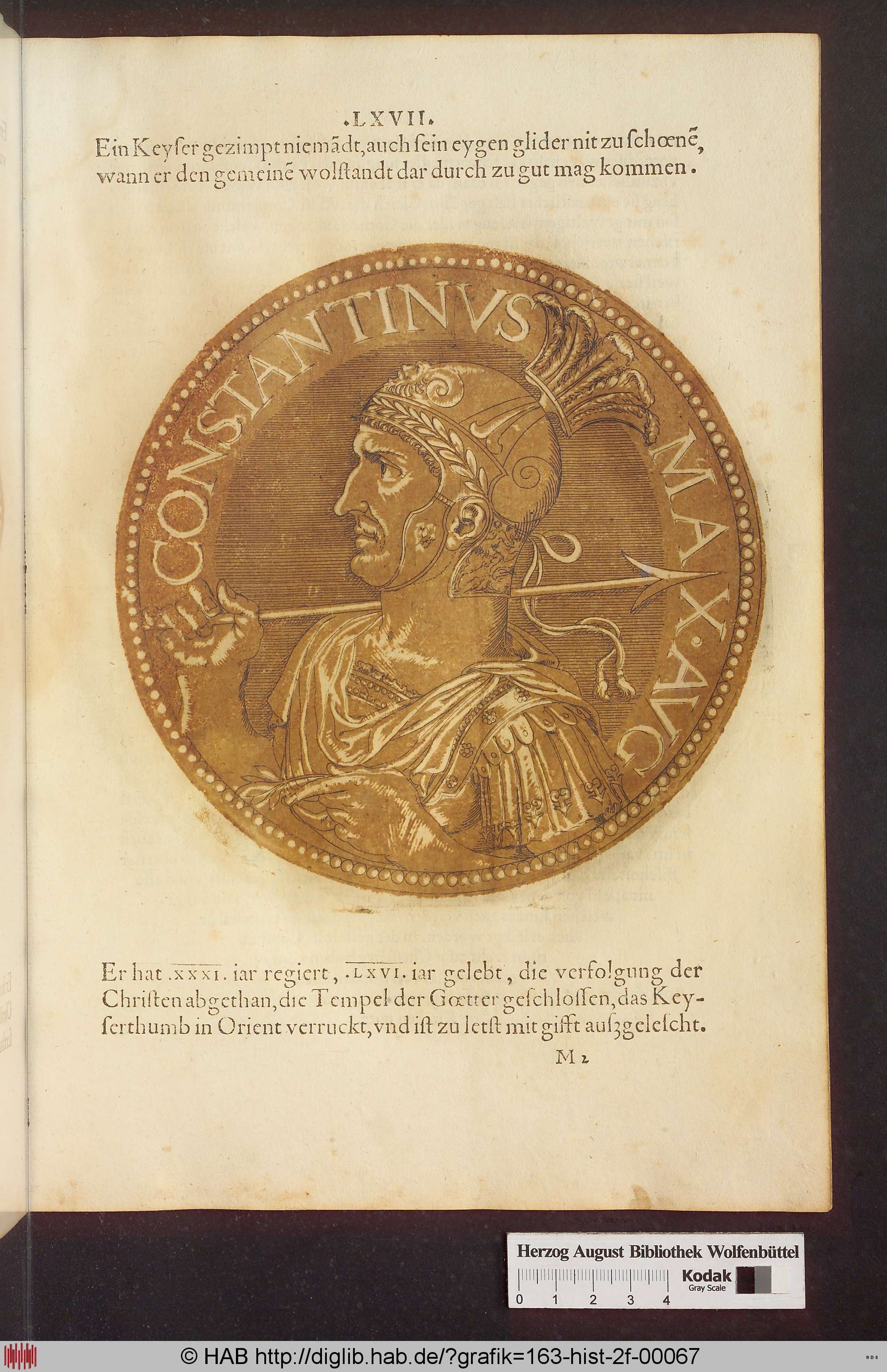
Woodcut Portrait of Constantine the Great
Josse van Gietleughen
 Artifact
Primary source
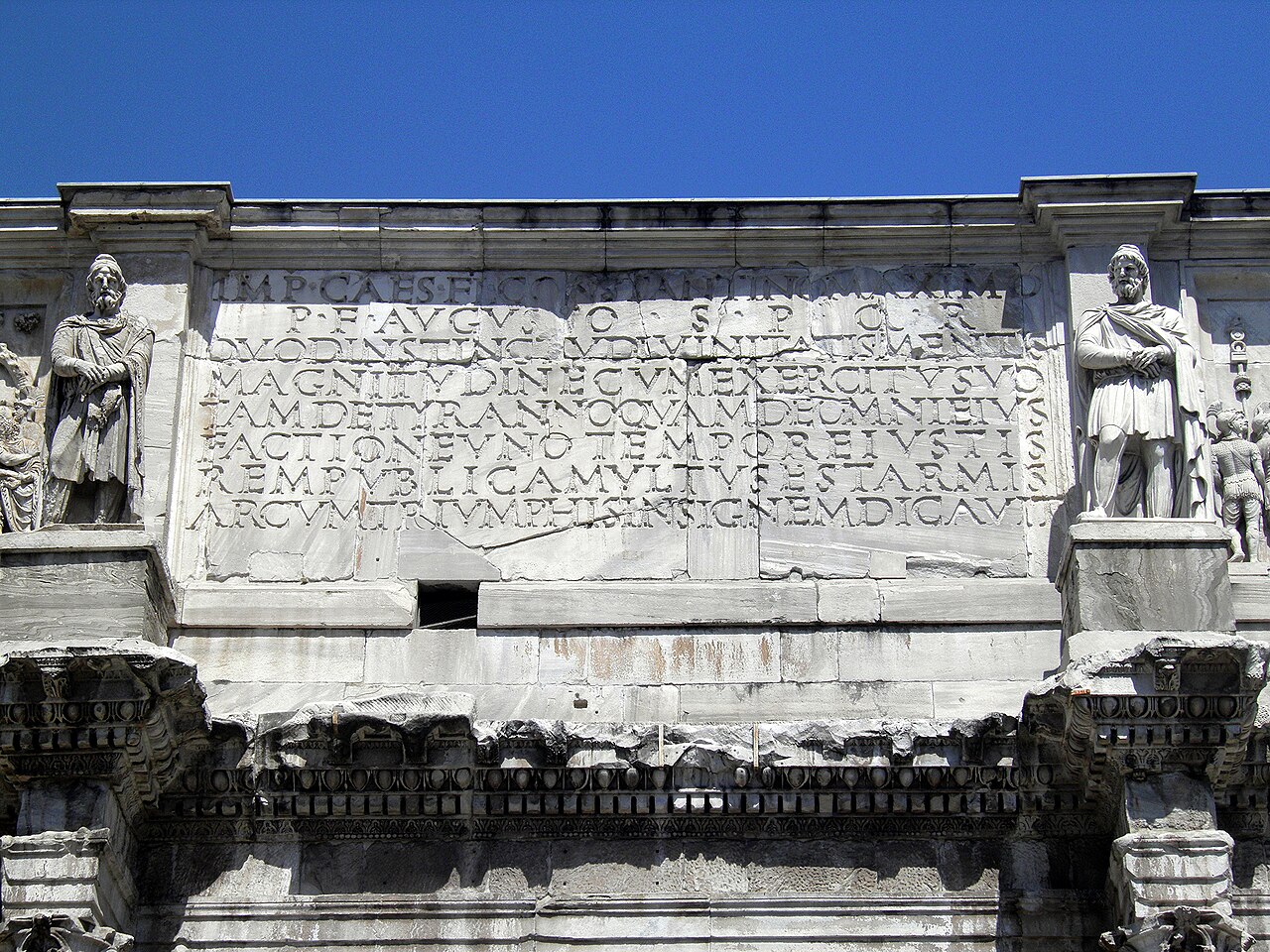
Arch of Constantine
Roman Senate · c. 312-315
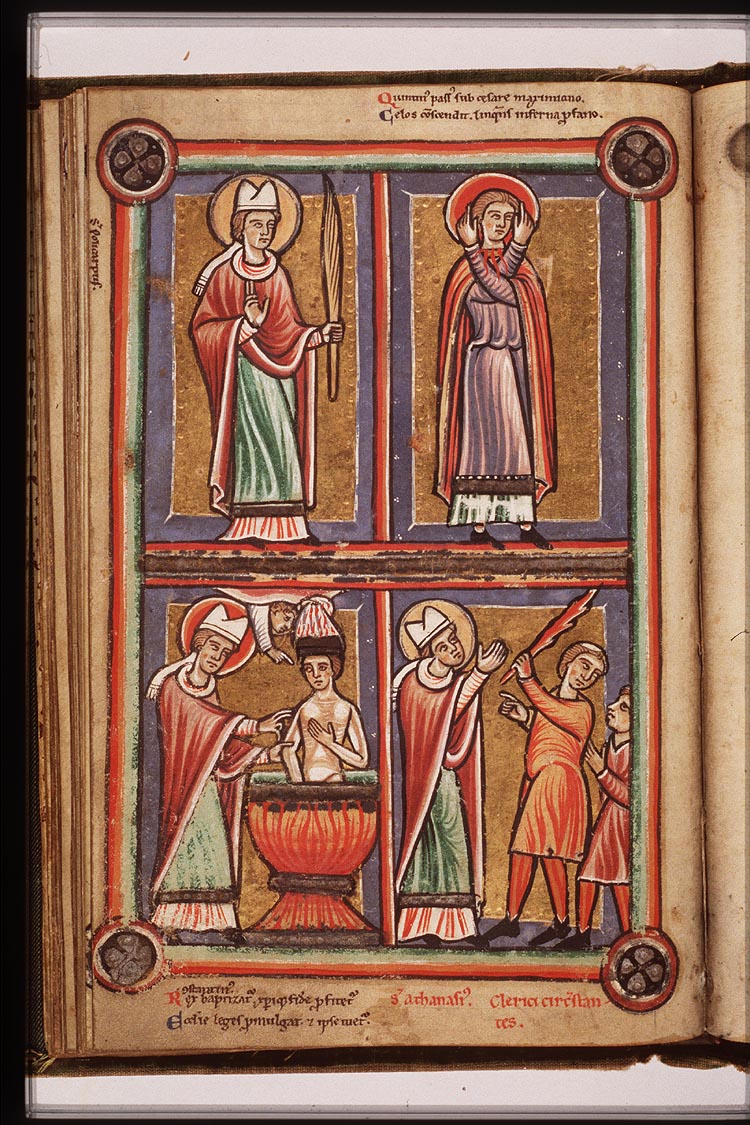 Painting
Secondary source
Constantine the Great Baptised by St Sylvester
c. 1200
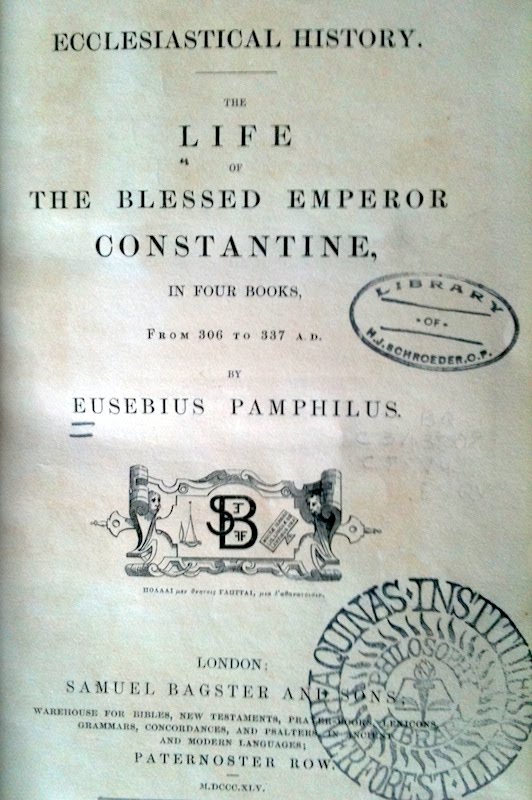 Book
Secondary source
Life of Constantine
Eusebius of Caesarea · 345
Ready when you are
Start chatting with Constantine the Great now.
20 messages free · No credit card · Available in 50+ languages.