


Primary sourceSculpturec. 300 CE
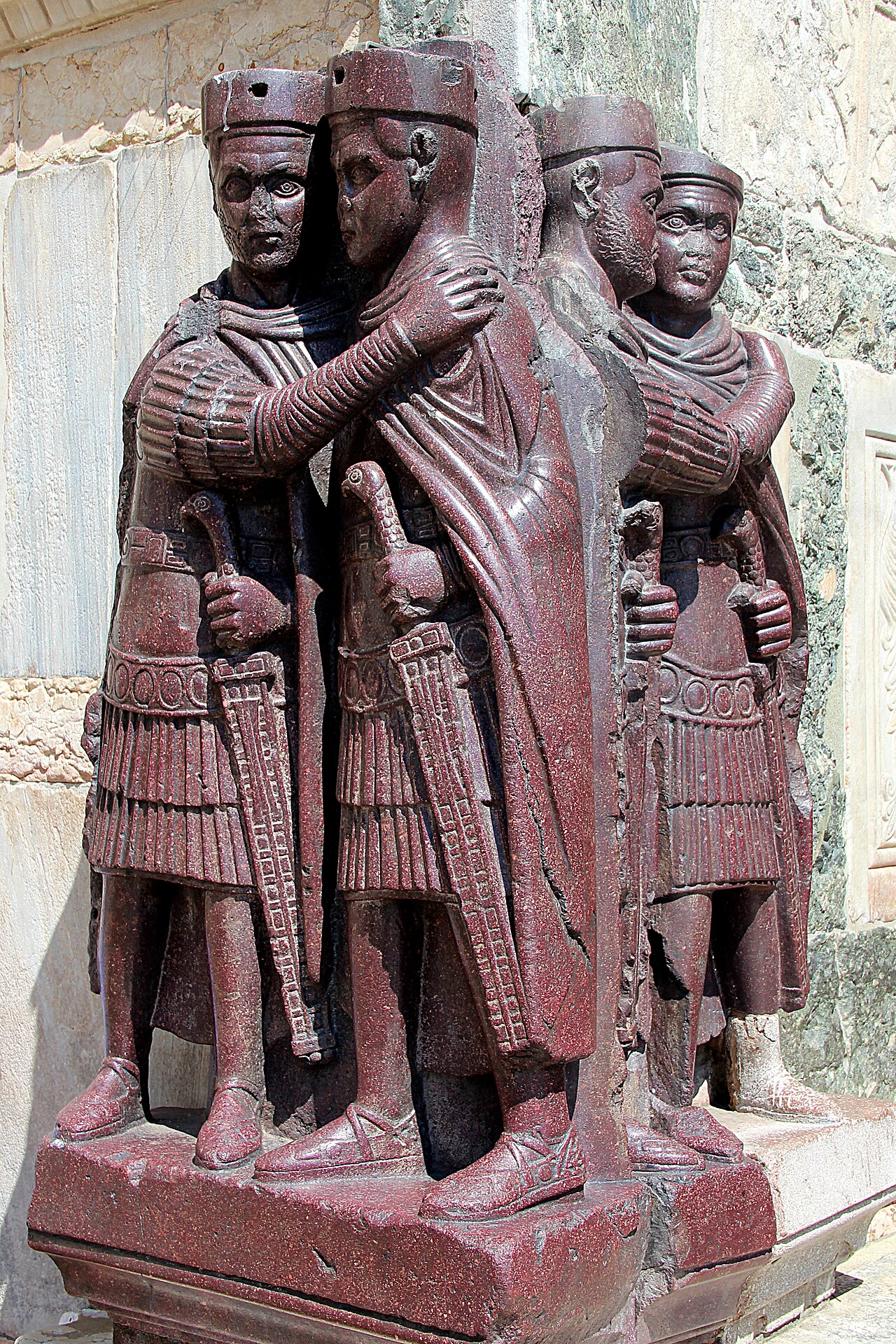
Portrait of the Four Tetrarchs
c. 300 CE
A porphyry sculpture of two embracing imperial pairs from the Tetrarchy system that preceded Constantine, now on St Mark's Basilica in Venice.
This sculpture shows the Tetrarchy system Constantine's father served under, and which Constantine himself later ended.
About this source
What it is
Carved around 300 AD from porphyry, this sculpture shows four armoured Roman emperors in two embracing pairs. It probably once stood in Constantinople before being taken to Venice after the city was sacked during the Fourth Crusade in 1204, and it has been fixed to a corner of St Mark's Basilica ever since.
Why it matters
The statues represent the Tetrarchy, the system of shared rule set up by Emperor Diocletian with Maximian, Galerius, and Constantius I—Constantine's father. The figures look nearly identical, since the sculpture celebrates the idea of unified power rather than individual personalities. Constantine was born into this system and later dismantled it, reuniting the empire under one ruler by 324.
Look closer
- Why do you think the sculptor made the four rulers look almost the same?
- What does the embracing pose suggest the Tetrarchs wanted people to believe about their rule?
- How might Constantine's reunification of the empire be seen as a rejection of what this statue represents?
This sculpture is part of the curated material that grounds the AI version of Constantine the Great on Humy.ai — when students ask about related events, the AI can quote it and cite it.
More Constantine the Great sources
Meet the AI Constantine the Great →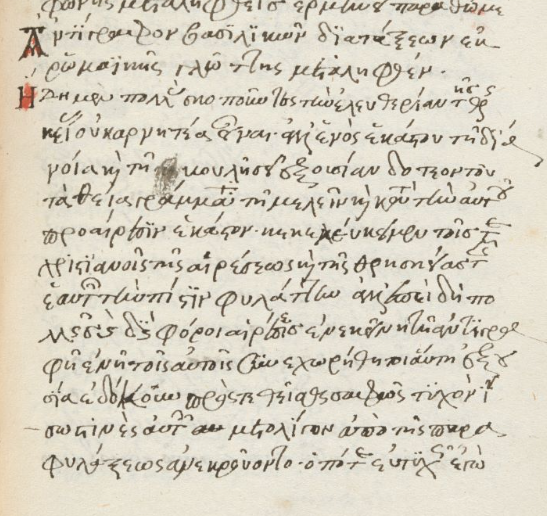 Document
Secondary source
Edict of Milan
Constantine the Great · 313 AD
 Artifact
Secondary source
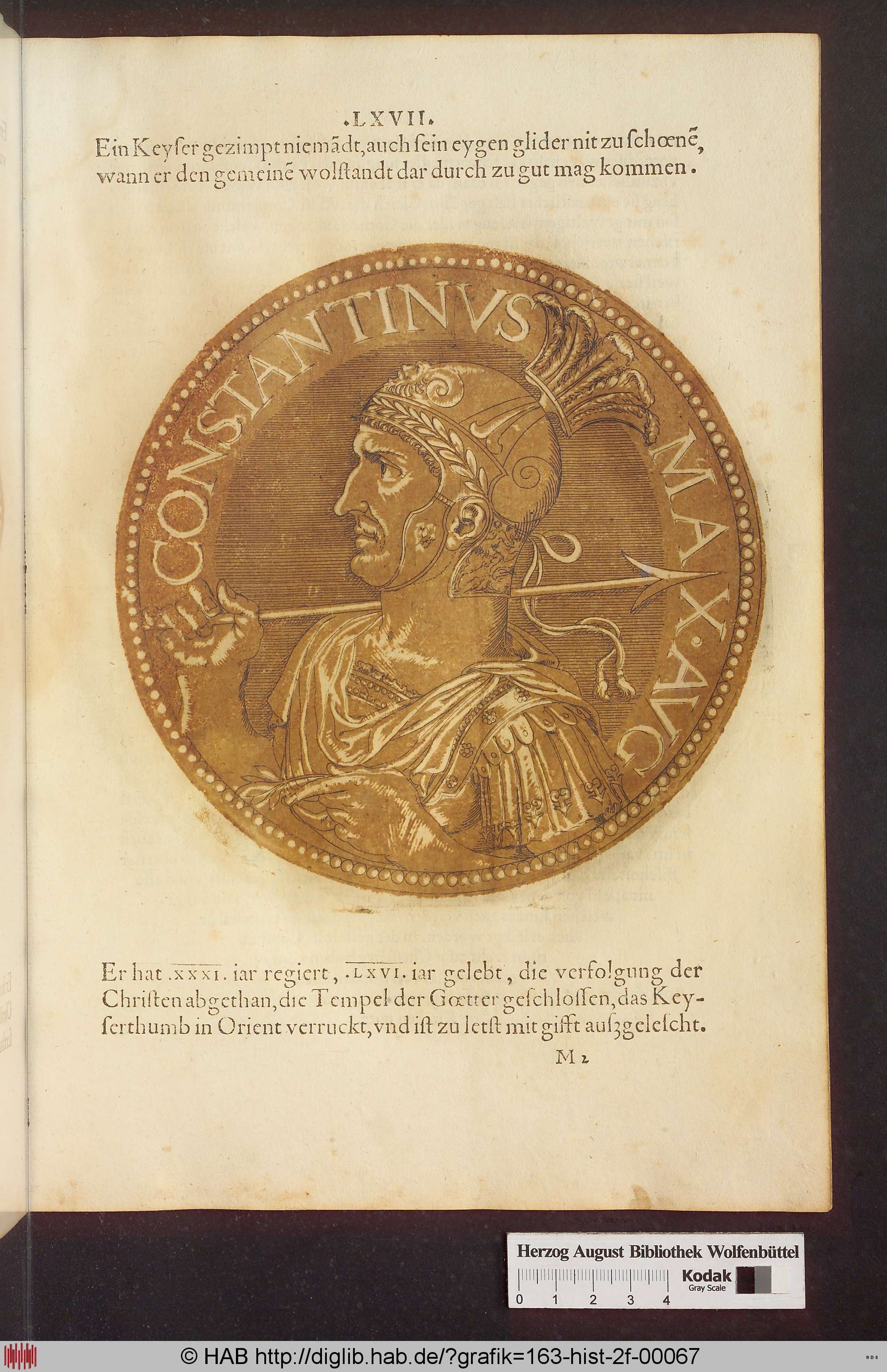
Woodcut Portrait of Constantine the Great
Josse van Gietleughen
 Artifact
Primary source
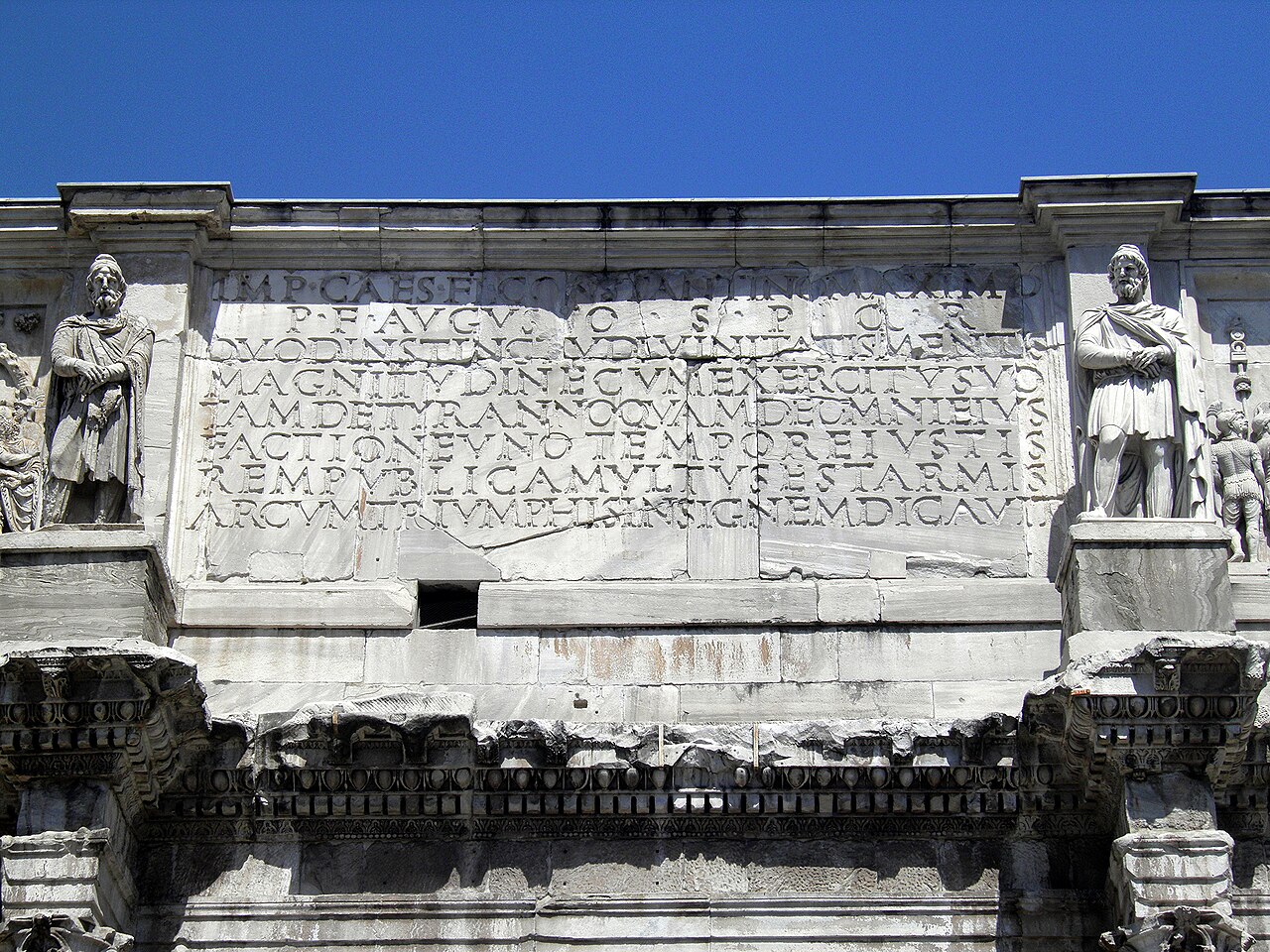
Arch of Constantine
Roman Senate · c. 312-315
 Painting
Secondary source
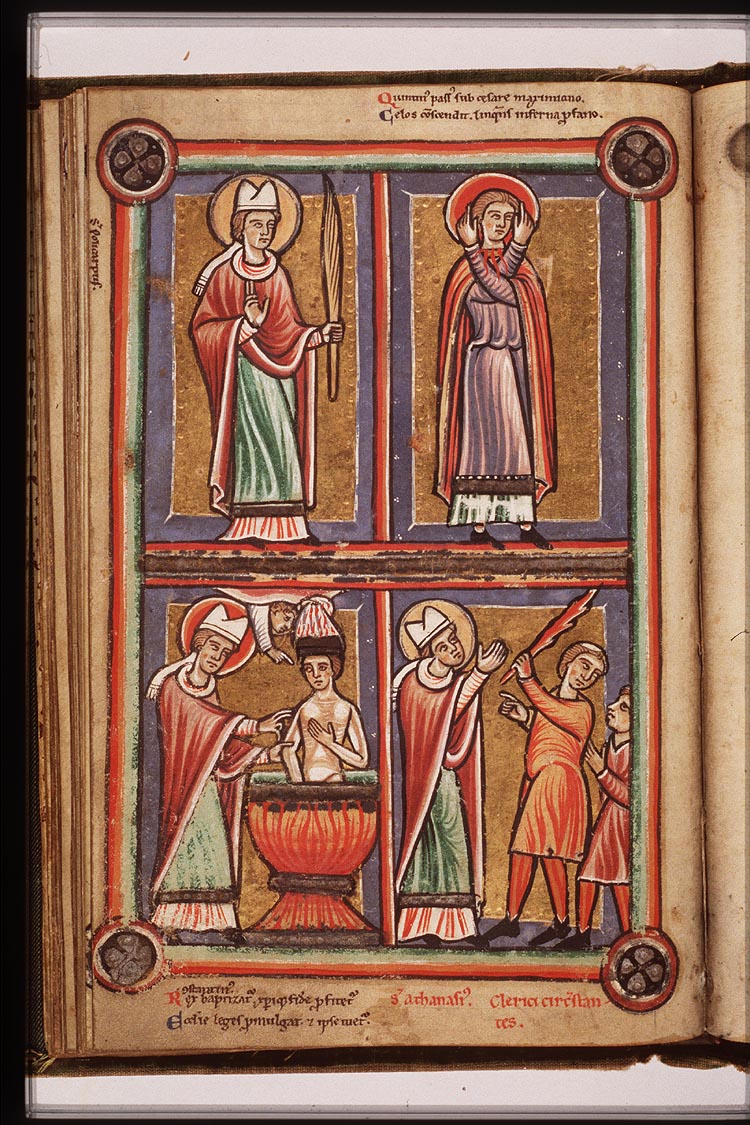
Constantine the Great Baptised by St Sylvester
c. 1200
 Book
Secondary source
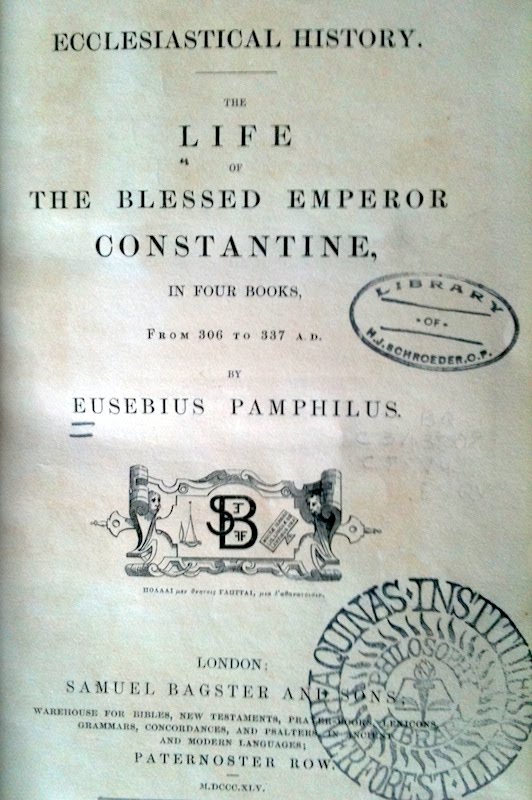
Life of Constantine
Eusebius of Caesarea · 345
Ready when you are
Start chatting with Constantine the Great now.
20 messages free · No credit card · Available in 50+ languages.