


Primary sourceBookc. 361 CE
The Caesars
Julian · c. 361 CE
A satirical dialogue by Emperor Julian, Constantine's nephew, mocking Constantine as a luxury-loving ruler among the Roman emperors.
Julian, Constantine's nephew and a later emperor, mocked Constantine in this satire, offering a critical family perspective.
About this source
What it is
The Caesars, also called the Symposium or Kronia, is a satirical work written by Emperor Julian in Constantinople around 361, likely addressed to his friend Sallust. It imagines a festival contest among past emperors, modeled on the satirical dialogues of the Greek writer Lucian.
Why it matters
Julian was Constantine's own nephew and, unlike his uncle, rejected Christianity. In this satire he portrays Constantine as indulgent and luxury-loving, someone who sought refuge in the figure of Jesus. This makes the text a rare insider's critical view of Constantine, from within his own family, challenging the more flattering image spread by Christian writers like Eusebius.
Look closer
- Why might a family member write such a critical portrait of Constantine?
- How does satire differ from a straightforward history as a way of judging a ruler?
- What does Julian's attack suggest about disagreements within the imperial family over religion?
This book is part of the curated material that grounds the AI version of Constantine the Great on Humy.ai — when students ask about related events, the AI can quote it and cite it.
More Constantine the Great sources
Meet the AI Constantine the Great →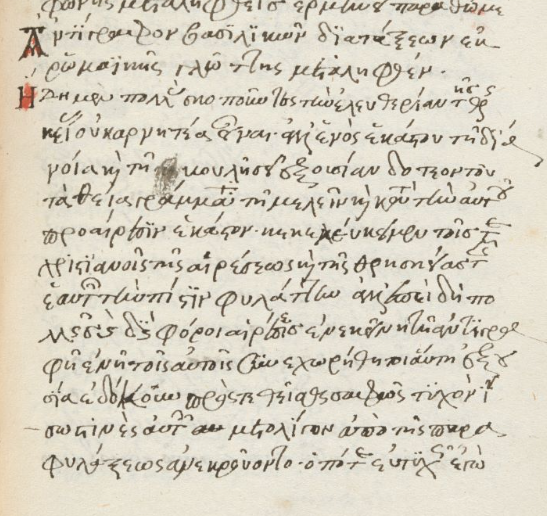 Document
Secondary source
Edict of Milan
Constantine the Great · 313 AD
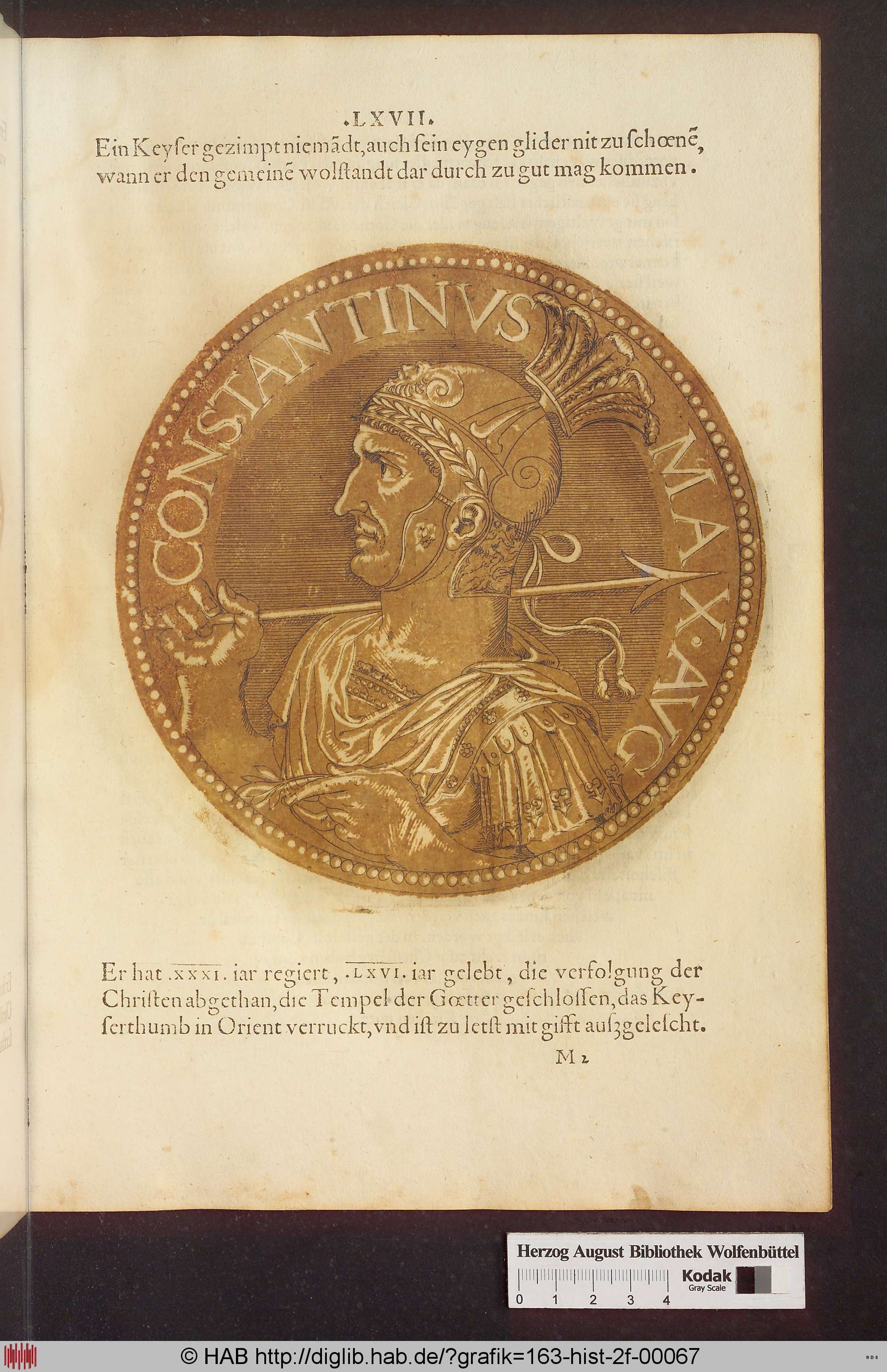 Artifact
Secondary source
Woodcut Portrait of Constantine the Great
Josse van Gietleughen
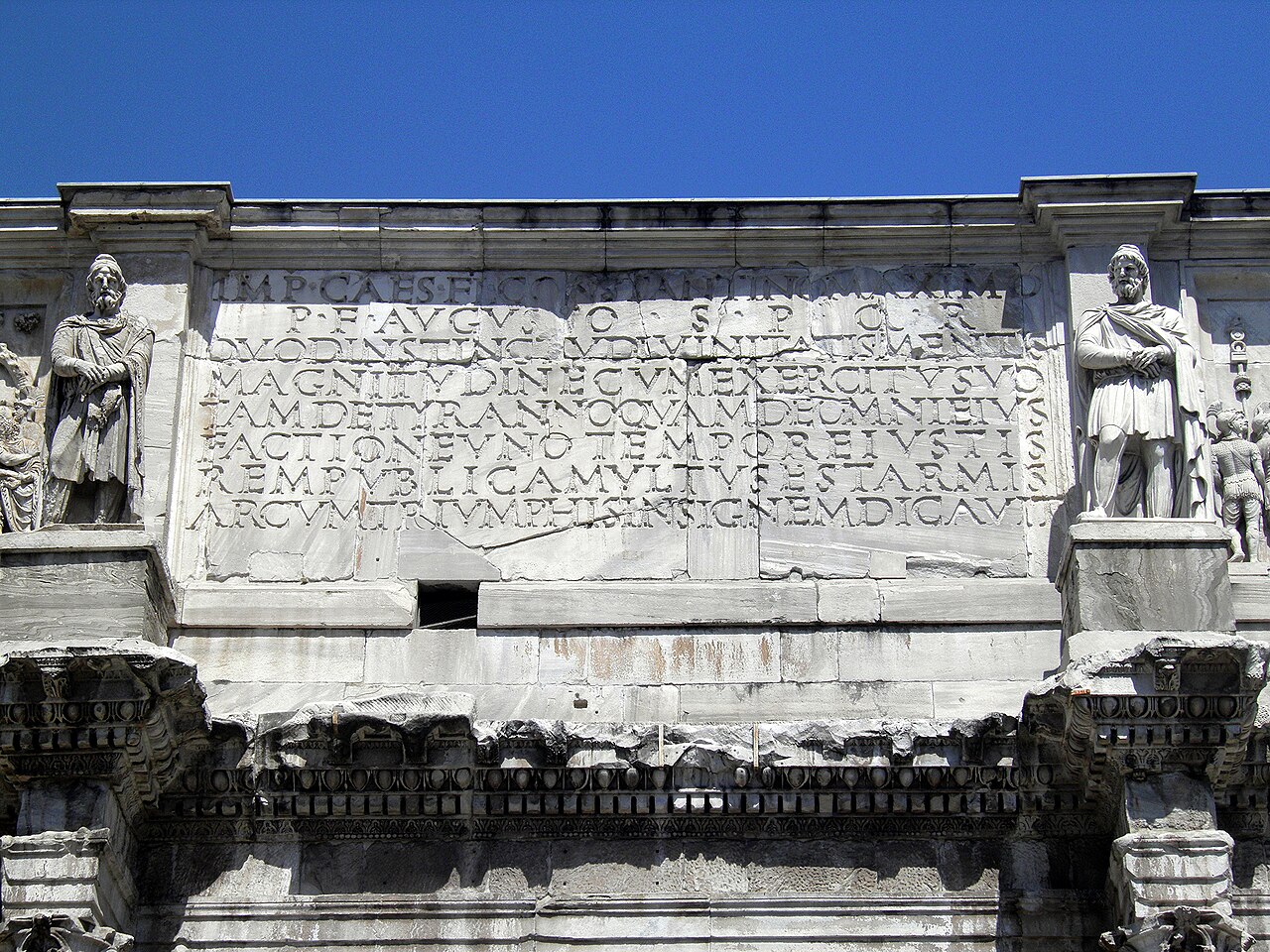 Artifact
Primary source
Arch of Constantine
Roman Senate · c. 312-315
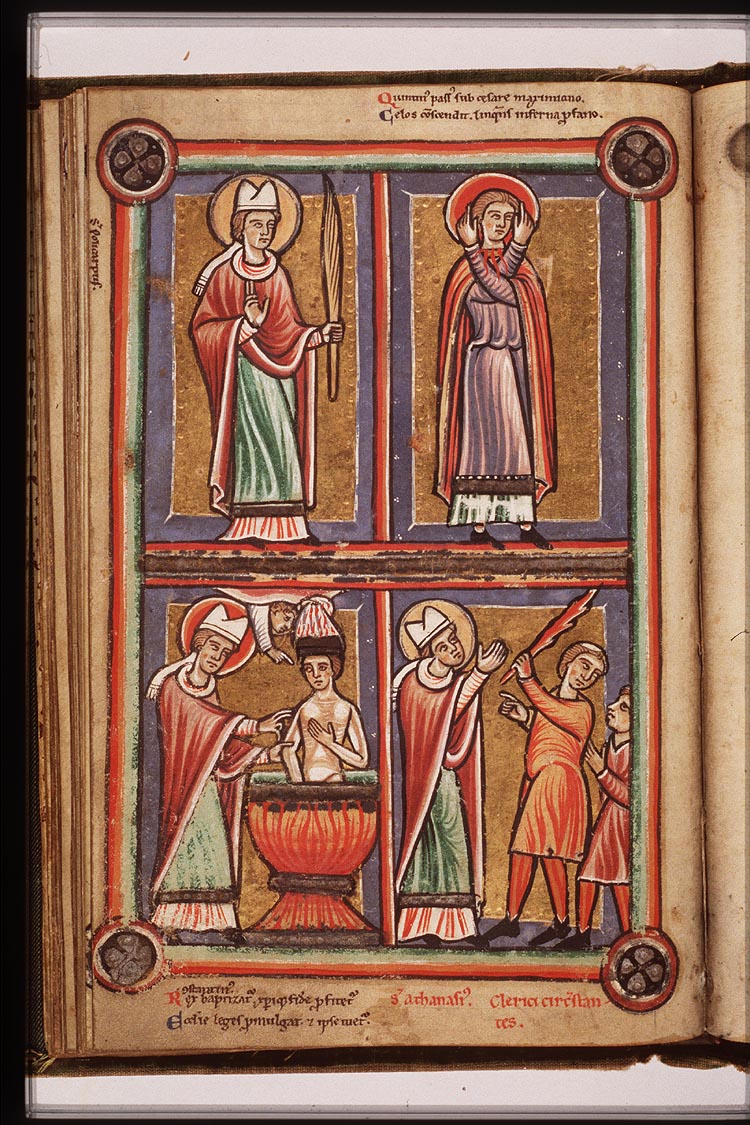 Painting
Secondary source
Constantine the Great Baptised by St Sylvester
c. 1200
 Book
Secondary source
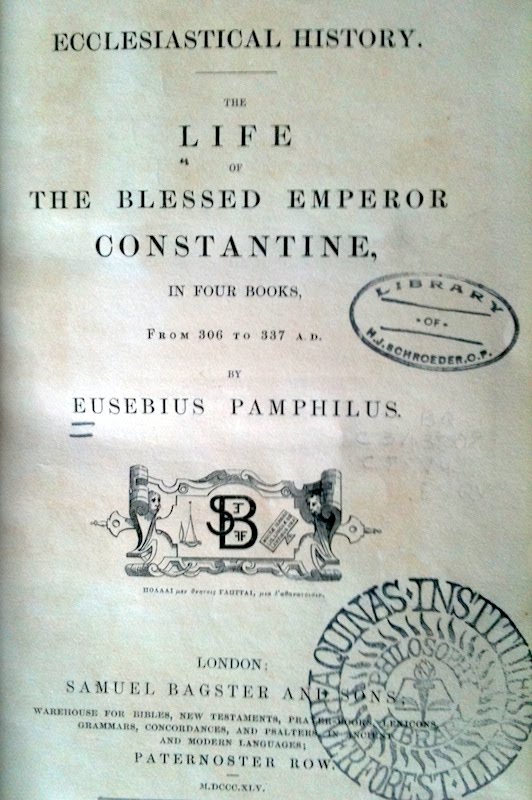
Life of Constantine
Eusebius of Caesarea · 345
Ready when you are
Start chatting with Constantine the Great now.
20 messages free · No credit card · Available in 50+ languages.