


Secondary sourcePaintingsecond half of the 16th century
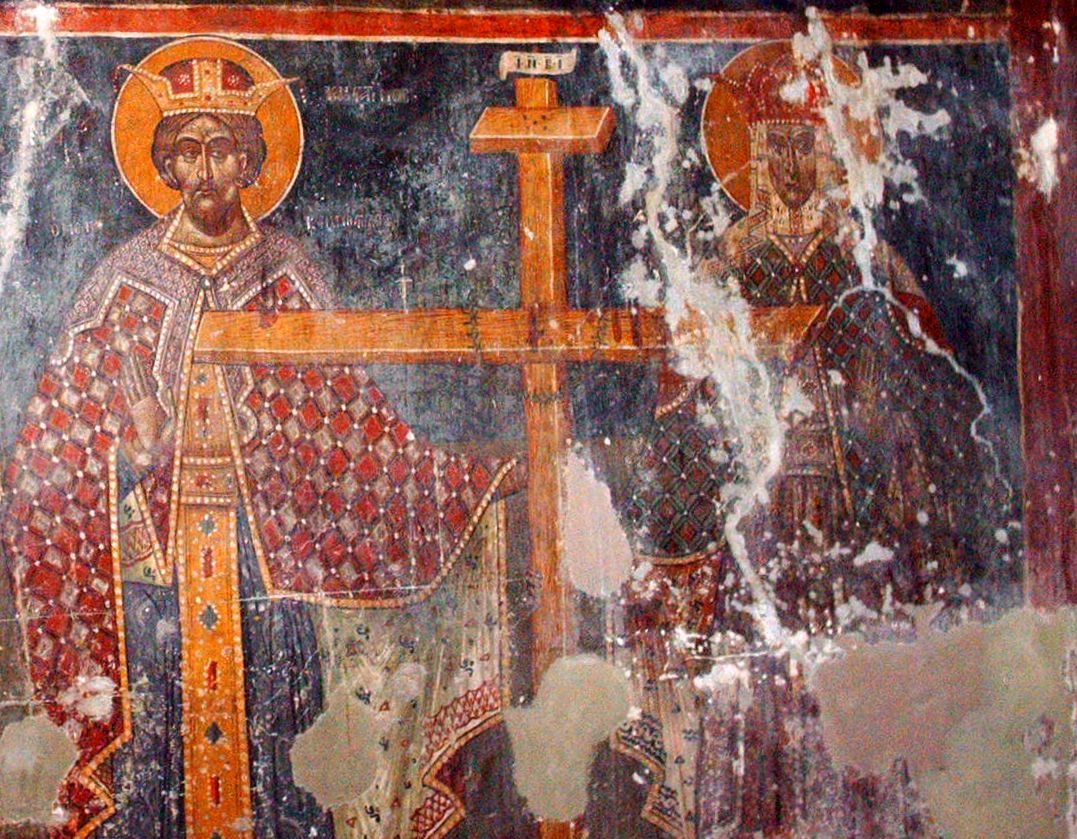
Constantine and Helena icon
Nikolla, son of Onufri · second half of the 16th century
A painted icon from the Church of St Mary in Vllaherna, Albania, showing Constantine with his mother Helena, who according to tradition found the True Cross. It was painted centuries after their lifetimes.
Shows Constantine as a holy figure remembered in later Christian art, painted with his mother Helena, who is linked to the finding of the True Cross.
About this source
What it is
This image shows two haloed figures in royal crowns beside a large wooden cross. Its collection record describes it as an icon painted by Nikolla, son of Onufri, in the Church of St Mary of Vllaherna, Berat, Albania, in the second half of the 16th century. The media description calls the work a fresco, so the medium is described differently in different records. The figures are Constantine and his mother Helena, who is said to have found the relic of the holy cross in Jerusalem.
Why it matters
Constantine ruled from 306 to 337 and is remembered as the first Roman emperor to convert to Christianity. Later Christian art often showed him with Helena, and this work reflects how Orthodox communities in the Balkans remembered the two of them many centuries later. It tells us about the painter's time and faith as much as about the emperor's.
Look closer
- Who is holding the cross, and what does that choice say about how the artist wanted viewers to remember Helena?
- The painting is over 1,200 years younger than the events it shows. What details suggest that the painter was working from later traditions rather than eyewitness records?
- What does the image leave out about Constantine's political life, such as his wars?
This painting is part of the curated material that grounds the AI version of Constantine the Great on Humy.ai — when students ask about related events, the AI can quote it and cite it.
More Constantine the Great sources
Meet the AI Constantine the Great →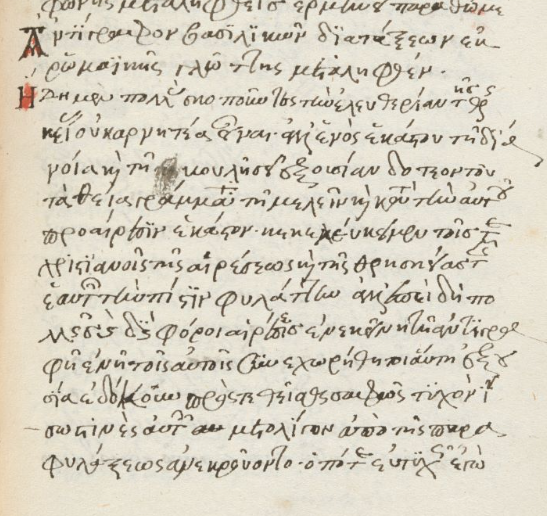 Document
Secondary source
Edict of Milan
Constantine the Great · 313 AD
 Artifact
Secondary source
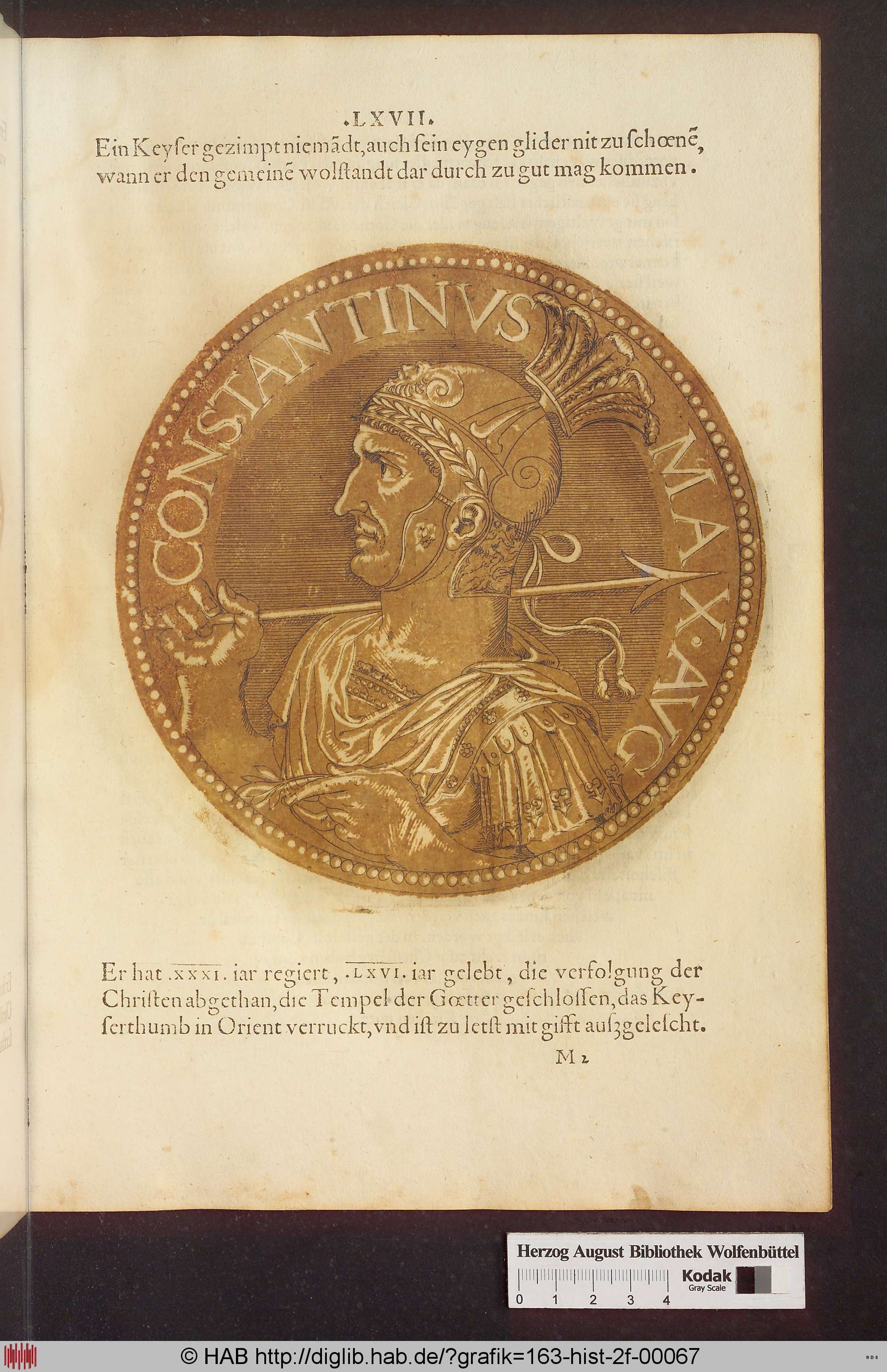
Woodcut Portrait of Constantine the Great
Josse van Gietleughen
 Artifact
Primary source
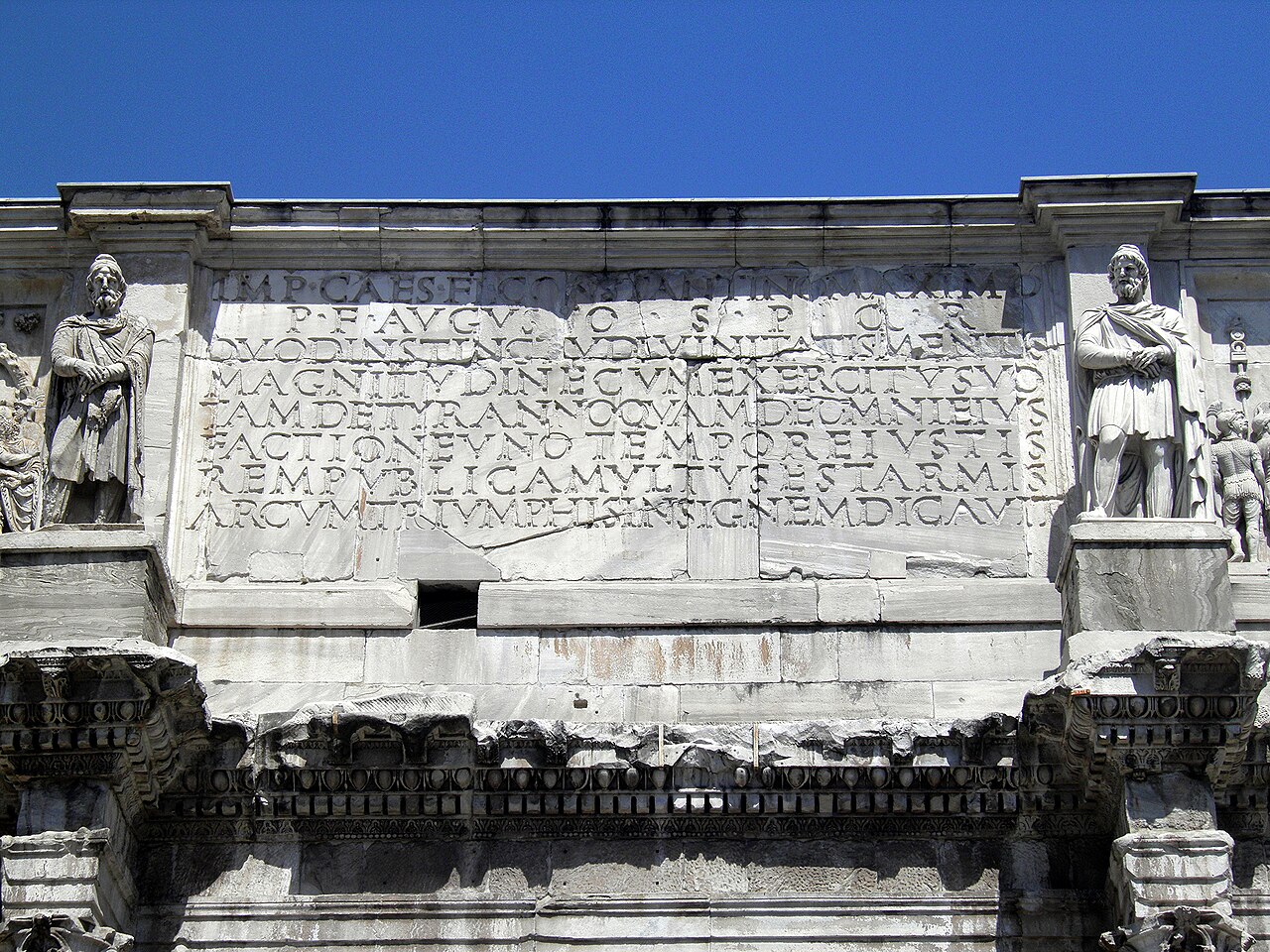
Arch of Constantine
Roman Senate · c. 312-315
 Painting
Secondary source
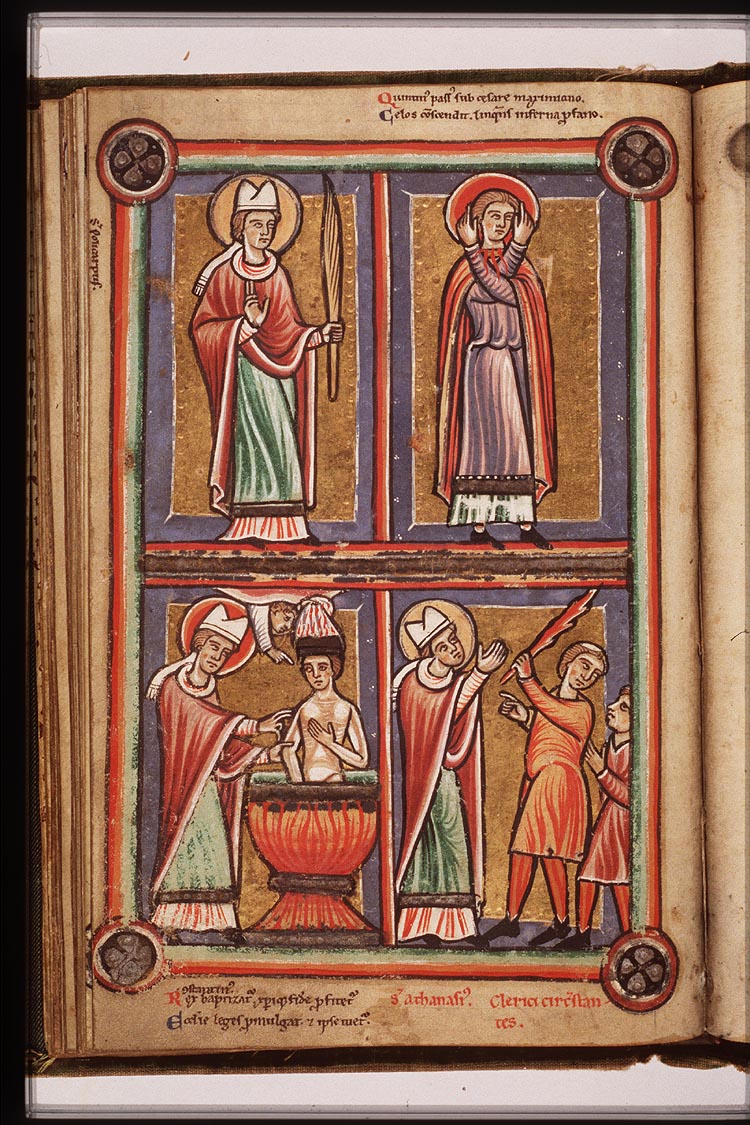
Constantine the Great Baptised by St Sylvester
c. 1200
 Book
Secondary source
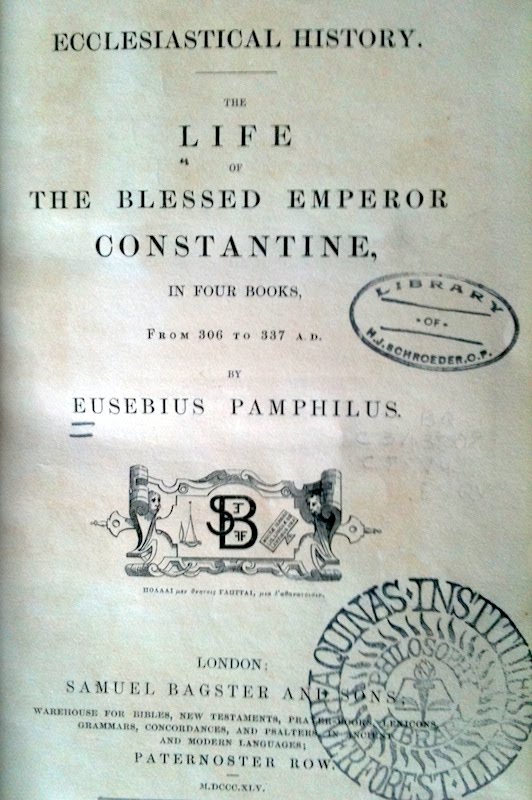
Life of Constantine
Eusebius of Caesarea · 345
Ready when you are
Start chatting with Constantine the Great now.
20 messages free · No credit card · Available in 50+ languages.