


Secondary sourceBookc. 313–324
Church History
Eusebius of Caesarea · c. 313–324
Eusebius of Caesarea's 4th-century history of the early Christian Church, ending with Constantine's victory over Licinius presented as Christianity's triumph.
Eusebius's history ends by praising Constantine's victory as Christianity's triumph, shaping his image as a God-chosen ruler.
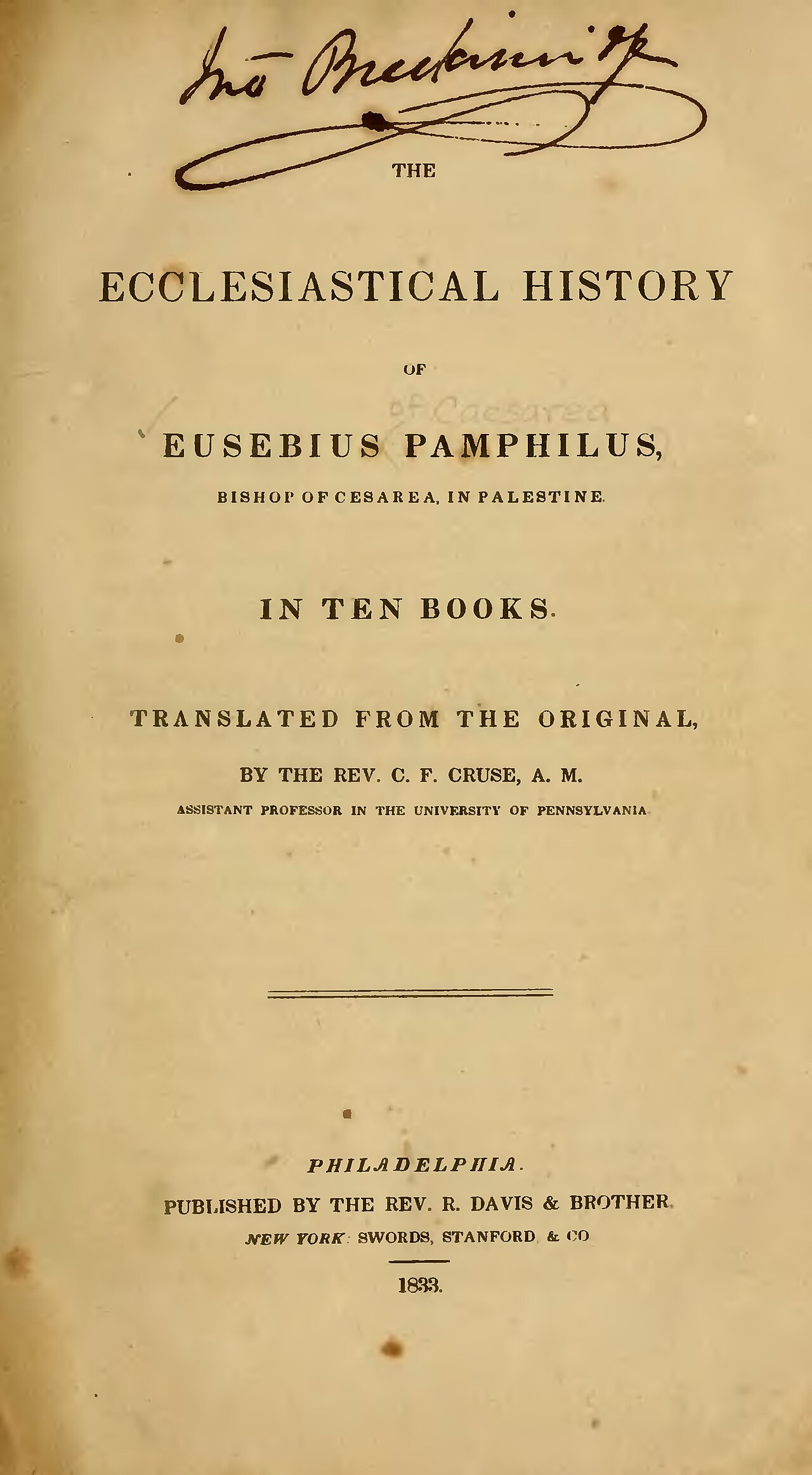
About this source
What it is
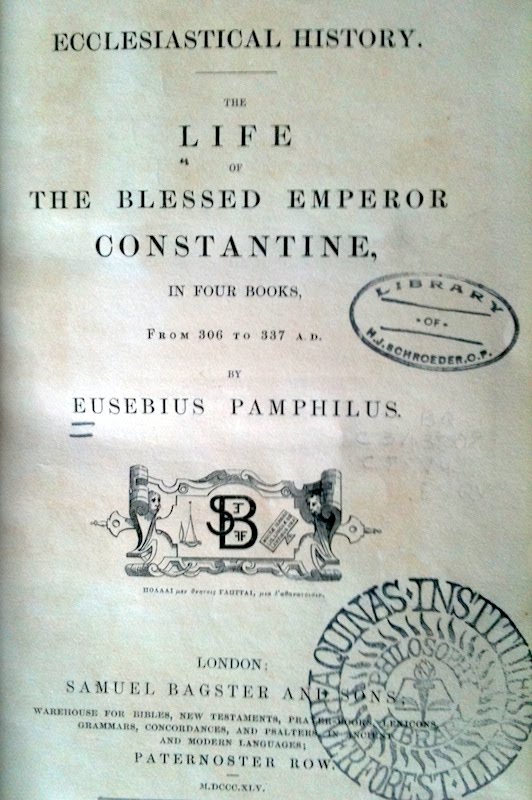
This is the Ecclesiastical History, written in Koine Greek by Eusebius, bishop of Caesarea, in the early 4th century. It traces Christianity from the apostles to Eusebius's own time, organised by the reigns of emperors. The image shown here is the title page of an 1833 English translation, not the ancient original.
Why it matters
Eusebius is often called the father of church history. His final book ends by celebrating Constantine's victory over Licinius as God's chosen ruler bringing peace to the Church. This framing shaped how Constantine was remembered for centuries as a Christian hero, even though Eusebius openly admired him and was not a neutral observer.
Look closer
- Why might a bishop have reason to present Constantine so favourably?
- What kinds of sources did Eusebius use, and what does that tell us about his reliability?
- How does the 1833 title page differ from what the original ancient text would have looked like?
This book is part of the curated material that grounds the AI version of Constantine the Great and Saint Paul on Humy.ai — when students ask about related events, the AI can quote it and cite it.
More Constantine the Great sources
Meet the AI Constantine the Great →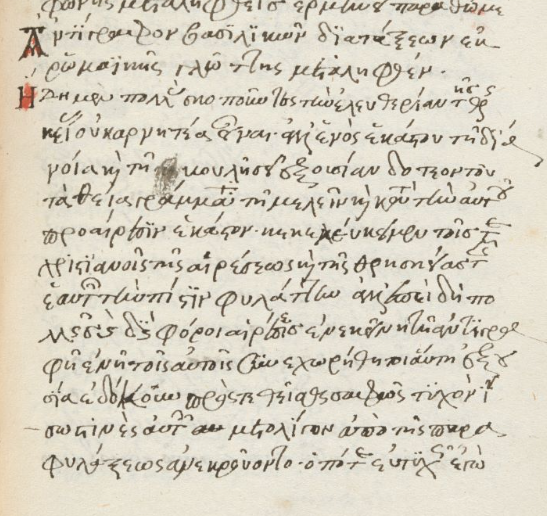 Document
Secondary source
Edict of Milan
Constantine the Great · 313 AD
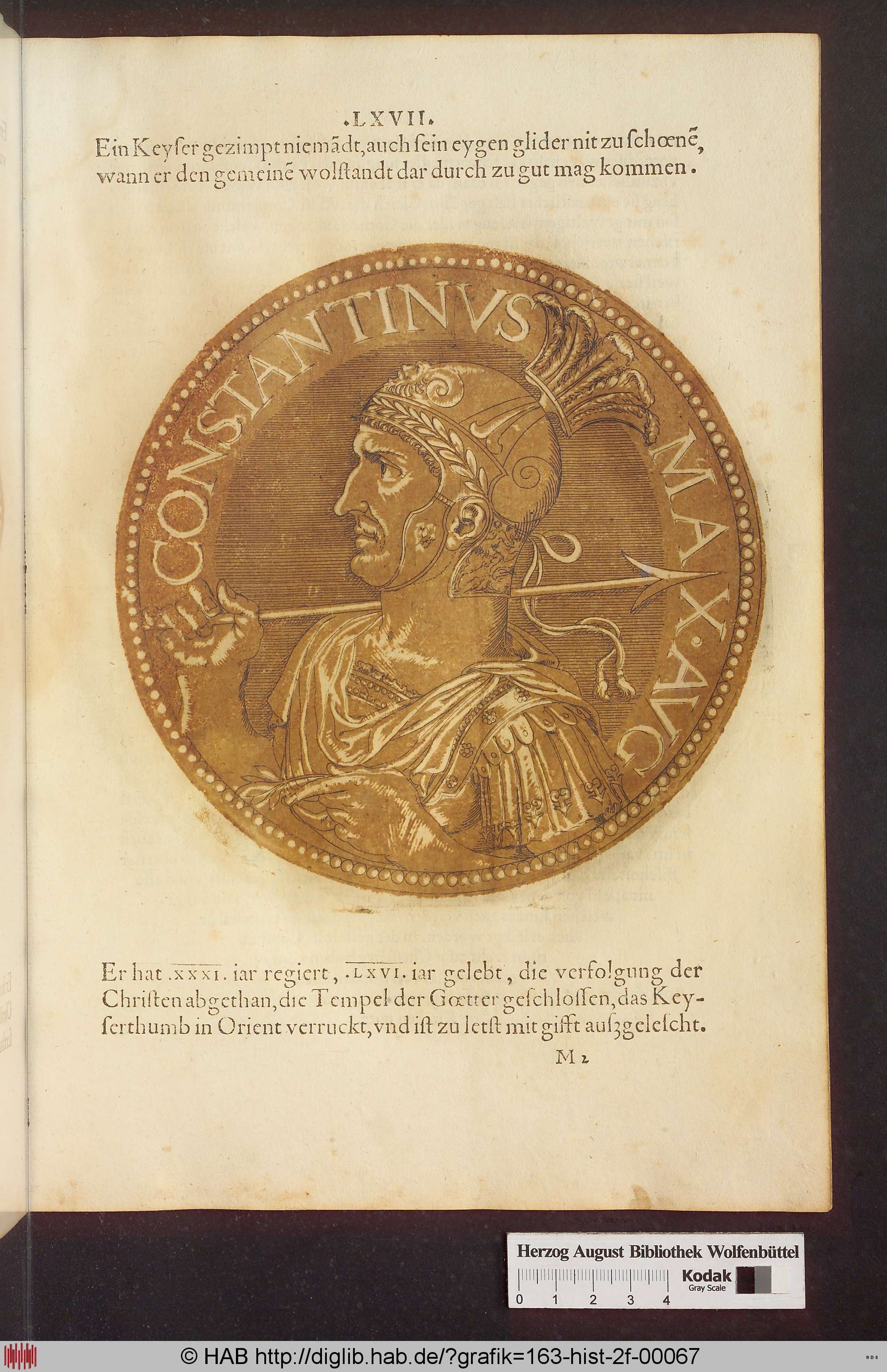 Artifact
Secondary source
Woodcut Portrait of Constantine the Great
Josse van Gietleughen
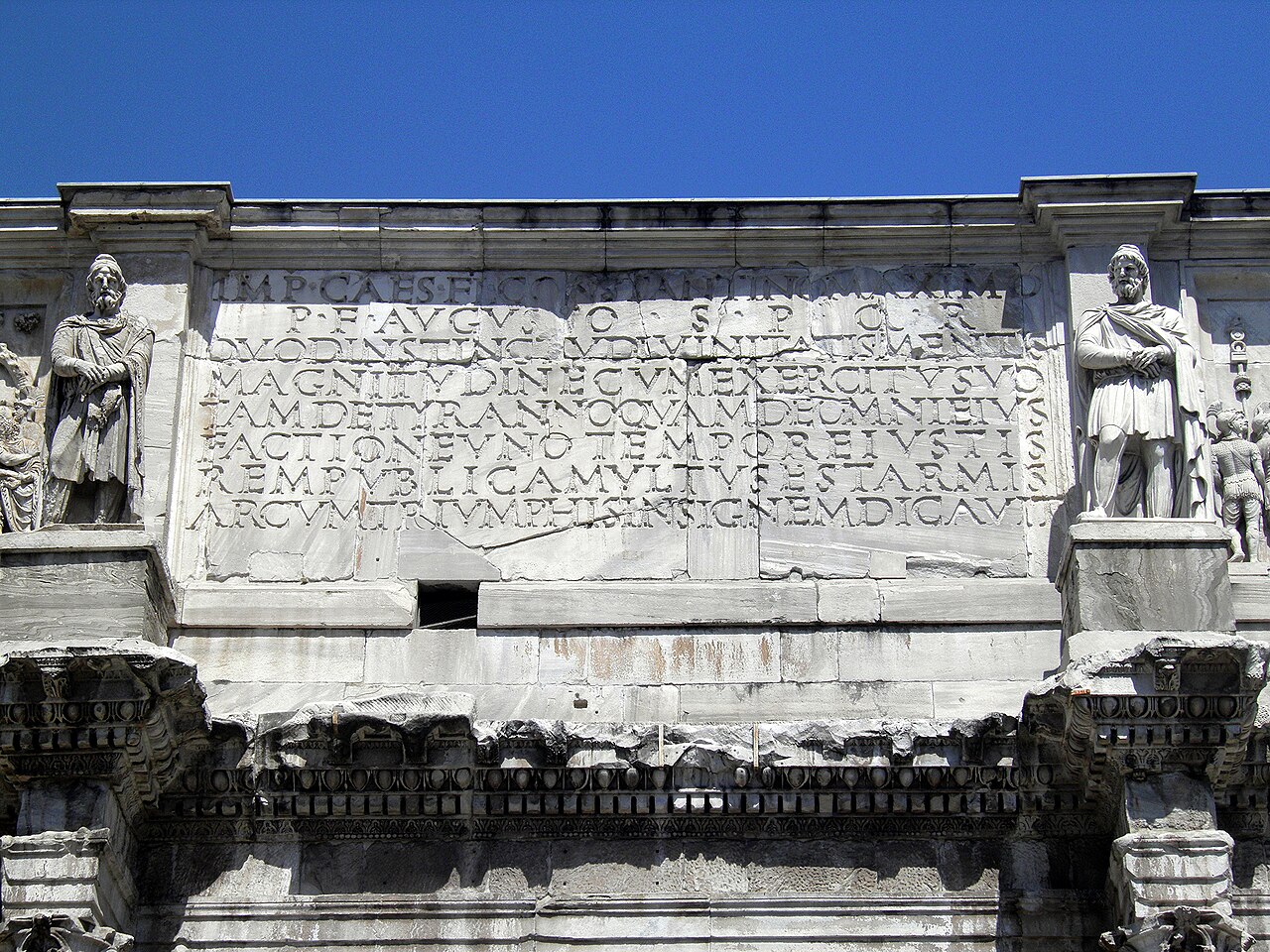 Artifact
Primary source
Arch of Constantine
Roman Senate · c. 312-315
 Painting
Secondary source
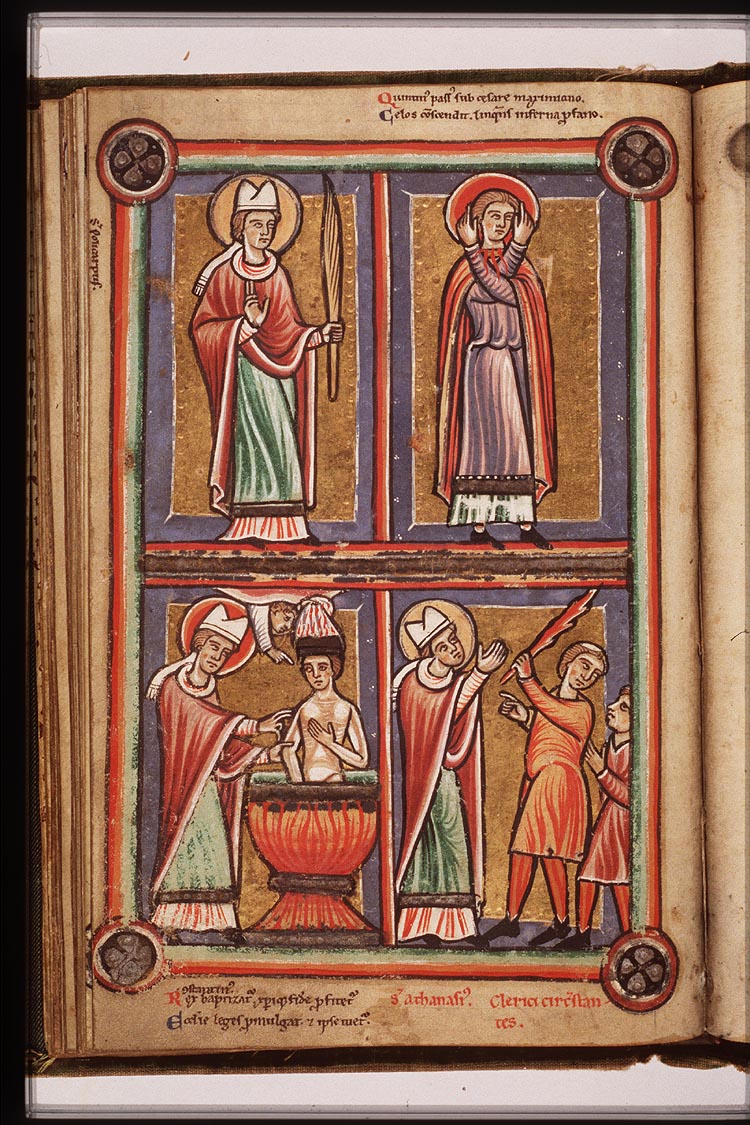
Constantine the Great Baptised by St Sylvester
c. 1200
 Book
Secondary source
Life of Constantine
Eusebius of Caesarea · 345
Ready when you are
Start chatting with Constantine the Great now.
20 messages free · No credit card · Available in 50+ languages.