


Secondary sourceBookc. 360 CE
De Caesaribus
Aurelius Victor · c. 360 CE
A Latin history of the Roman emperors by the pagan official Aurelius Victor, written a generation after Constantine's death.
This pagan historian's account of Constantine, written soon after his death, offers a counterweight to Christian praise of the emperor.
About this source
What it is
De Caesaribus is a Latin historical work by Aurelius Victor, a Roman official, covering emperors from Augustus through Constantine's successors. It was written around 360, not long after Constantine died.
Why it matters
Because Aurelius Victor was a pagan, not a Christian, his account offers a different perspective from Christian writers like Eusebius who praised Constantine as God's chosen ruler. Comparing the two shows students how the same emperor could be judged very differently depending on the author's beliefs and loyalties.
Look closer
- Why might a pagan official have a different view of Constantine than a Christian bishop?
- What kinds of events or achievements might such a history choose to include or leave out?
- How reliable do you think a history written one generation after an emperor's death can be?
This book is part of the curated material that grounds the AI version of Constantine the Great on Humy.ai — when students ask about related events, the AI can quote it and cite it.
More Constantine the Great sources
Meet the AI Constantine the Great →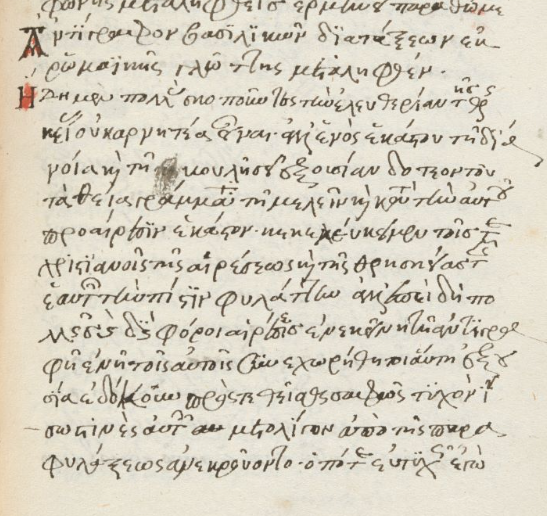 Document
Secondary source
Edict of Milan
Constantine the Great · 313 AD
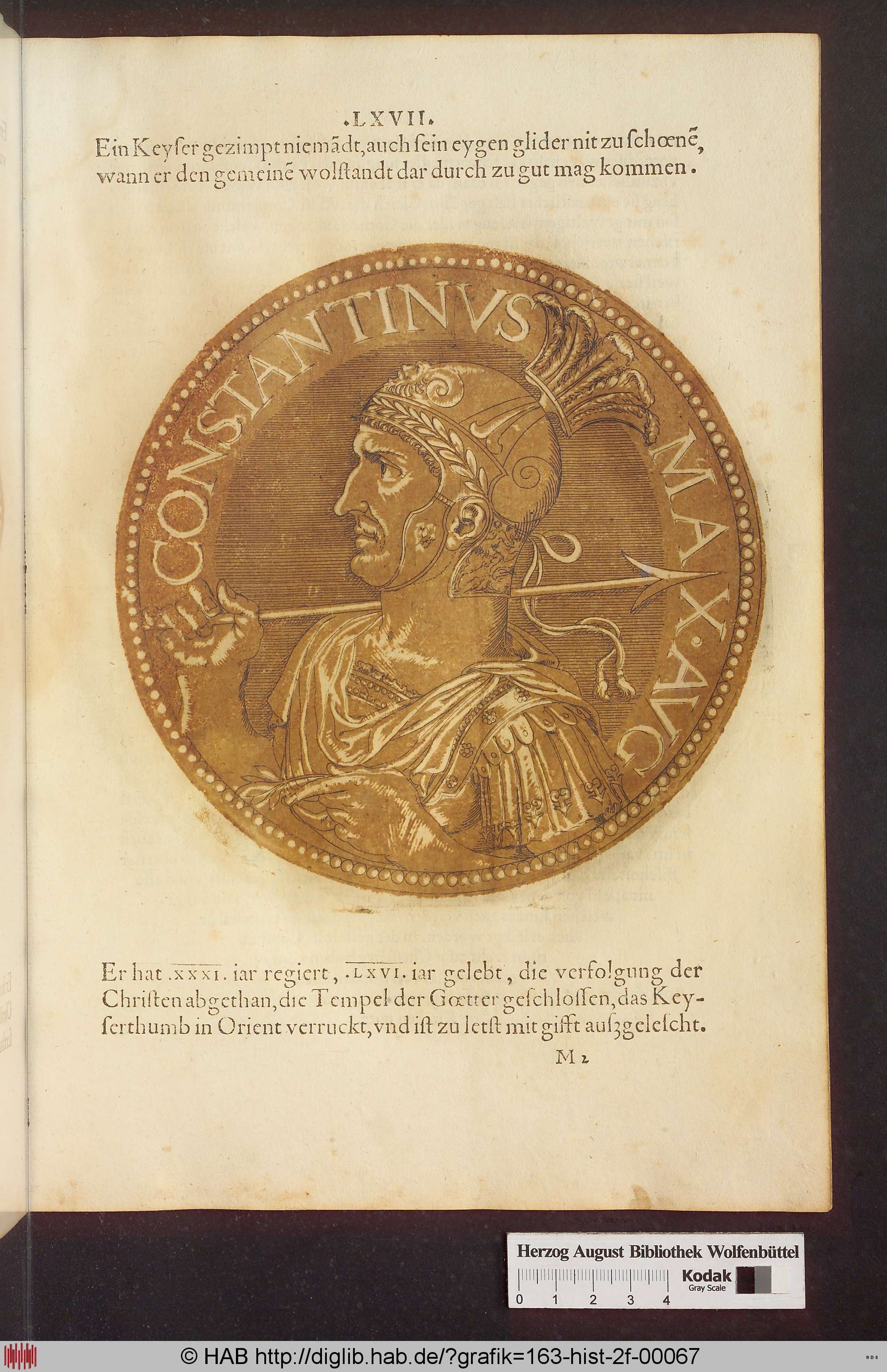 Artifact
Secondary source
Woodcut Portrait of Constantine the Great
Josse van Gietleughen
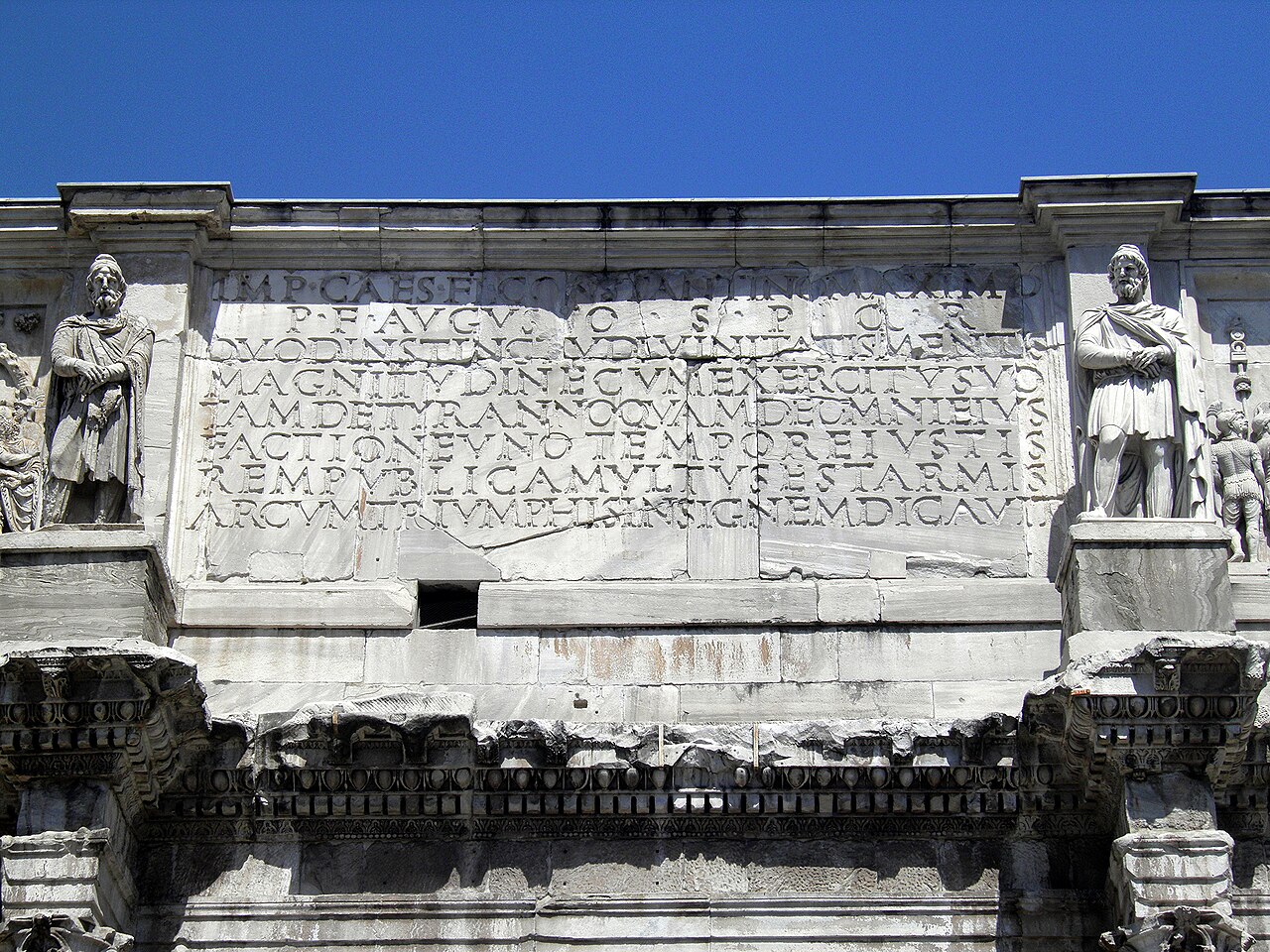 Artifact
Primary source
Arch of Constantine
Roman Senate · c. 312-315
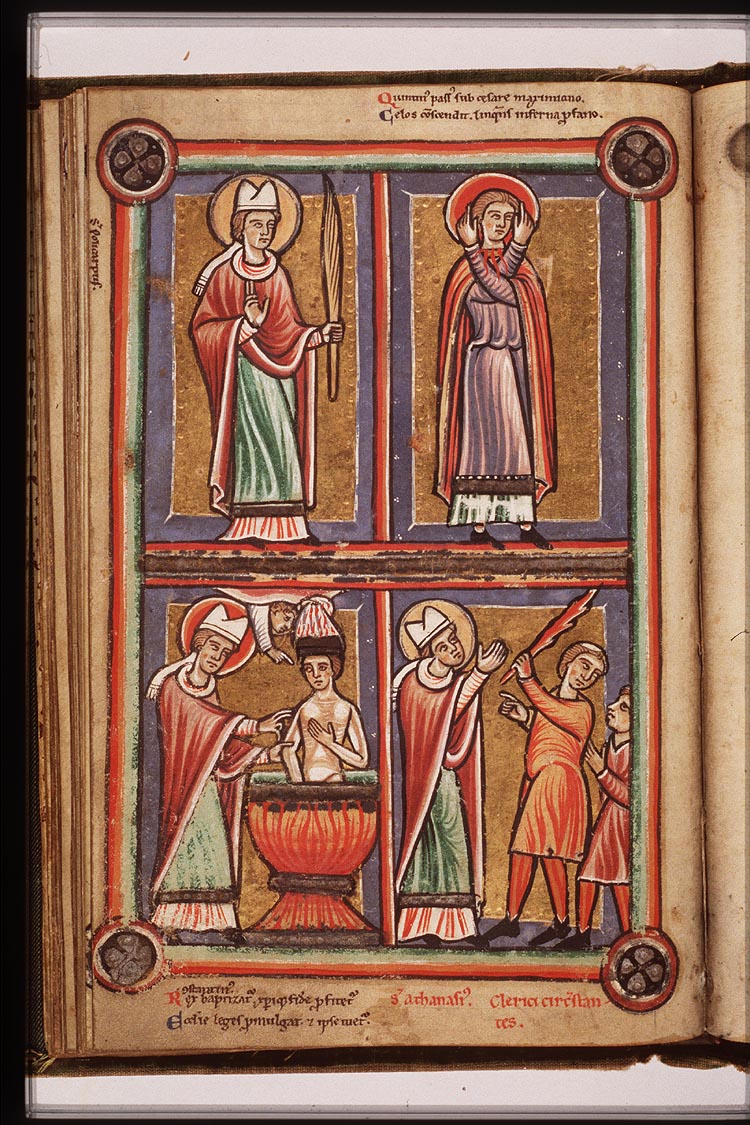 Painting
Secondary source
Constantine the Great Baptised by St Sylvester
c. 1200
 Book
Secondary source
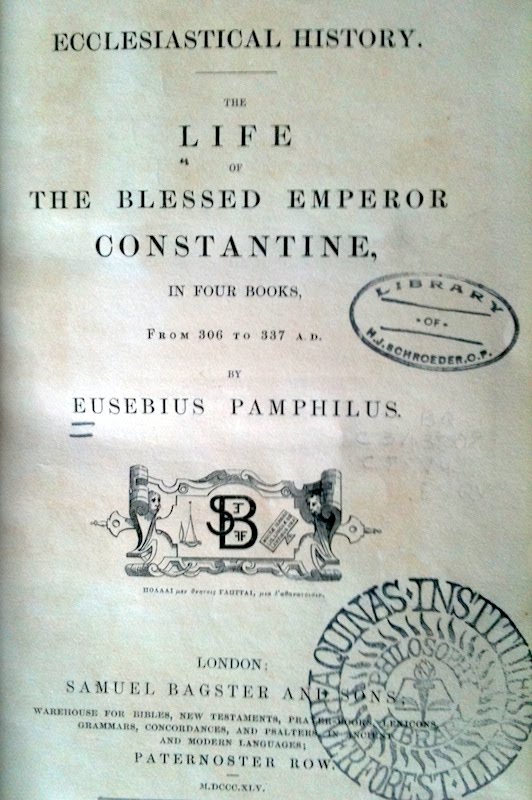
Life of Constantine
Eusebius of Caesarea · 345
Ready when you are
Start chatting with Constantine the Great now.
20 messages free · No credit card · Available in 50+ languages.