


Primary sourceArtifact335
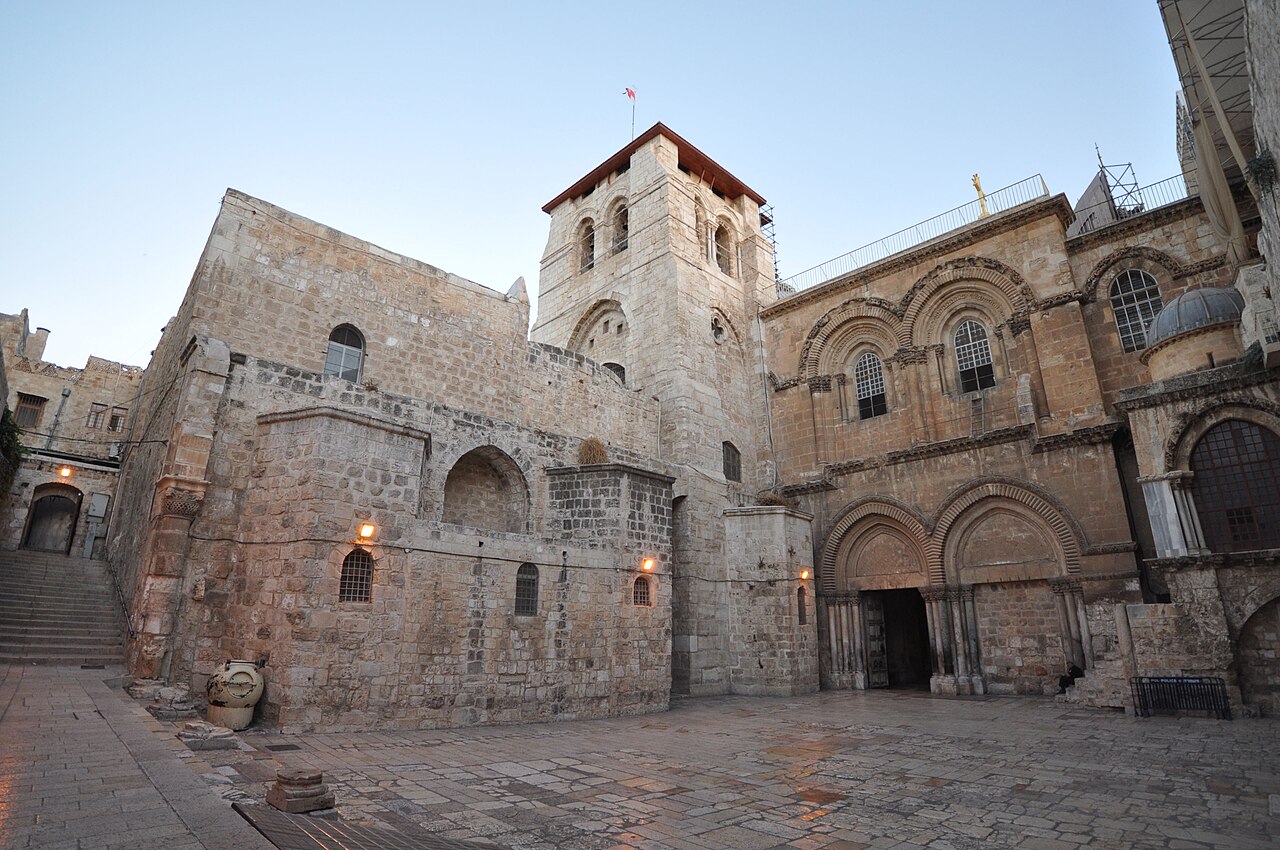
Church of the Holy Sepulchre
335
A fourth-century church in Jerusalem built on Constantine's orders over the traditional site of Jesus's tomb and crucifixion.
Constantine ordered this church built, marking his patronage of Christianity and creation of a Christian Holy Land.
About this source
What it is
A church in Jerusalem's Old City, begun around 325-335 after Constantine ordered a pagan temple on the site removed and a tomb identified as Jesus's burial place uncovered. It remains the holiest site in Christianity, shared today by several Christian denominations.
Why it matters
Bishop Macarius of Jerusalem asked Constantine for permission to search for the tomb, and Bishop Eusebius helped identify the site. Building the church shows Constantine using his power as emperor to create Christian holy places, turning old pagan sites into centres of the new state-favoured religion.
Look closer
- Why would an emperor spend resources building a church rather than a temple or monument to himself?
- What does it suggest that a Roman temple had to be torn down first?
- How might a building like this spread Constantine's influence and faith across the empire?
This artifact is part of the curated material that grounds the AI version of Constantine the Great on Humy.ai — when students ask about related events, the AI can quote it and cite it.
More Constantine the Great sources
Meet the AI Constantine the Great →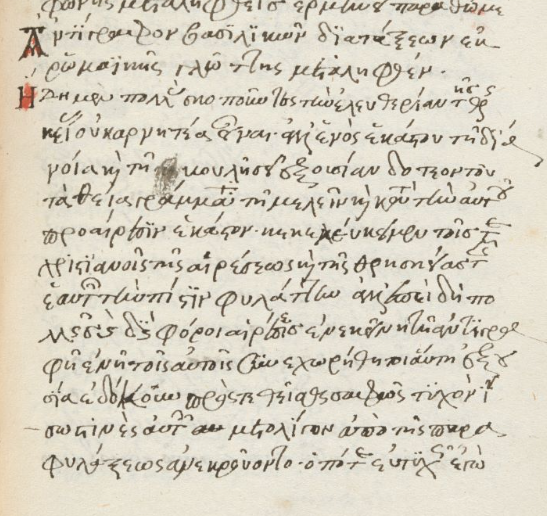 Document
Secondary source
Edict of Milan
Constantine the Great · 313 AD
 Artifact
Secondary source
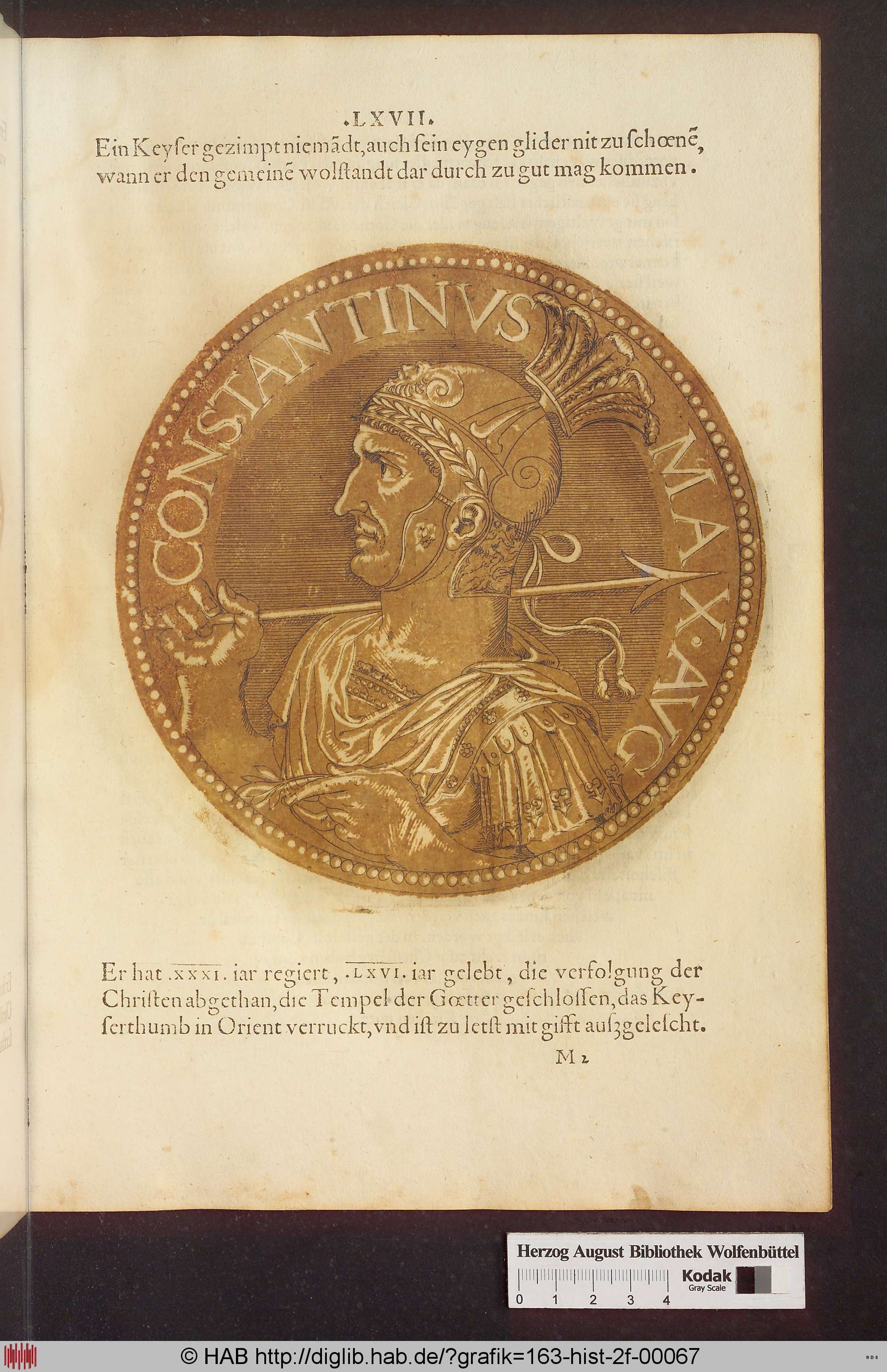
Woodcut Portrait of Constantine the Great
Josse van Gietleughen
 Artifact
Primary source
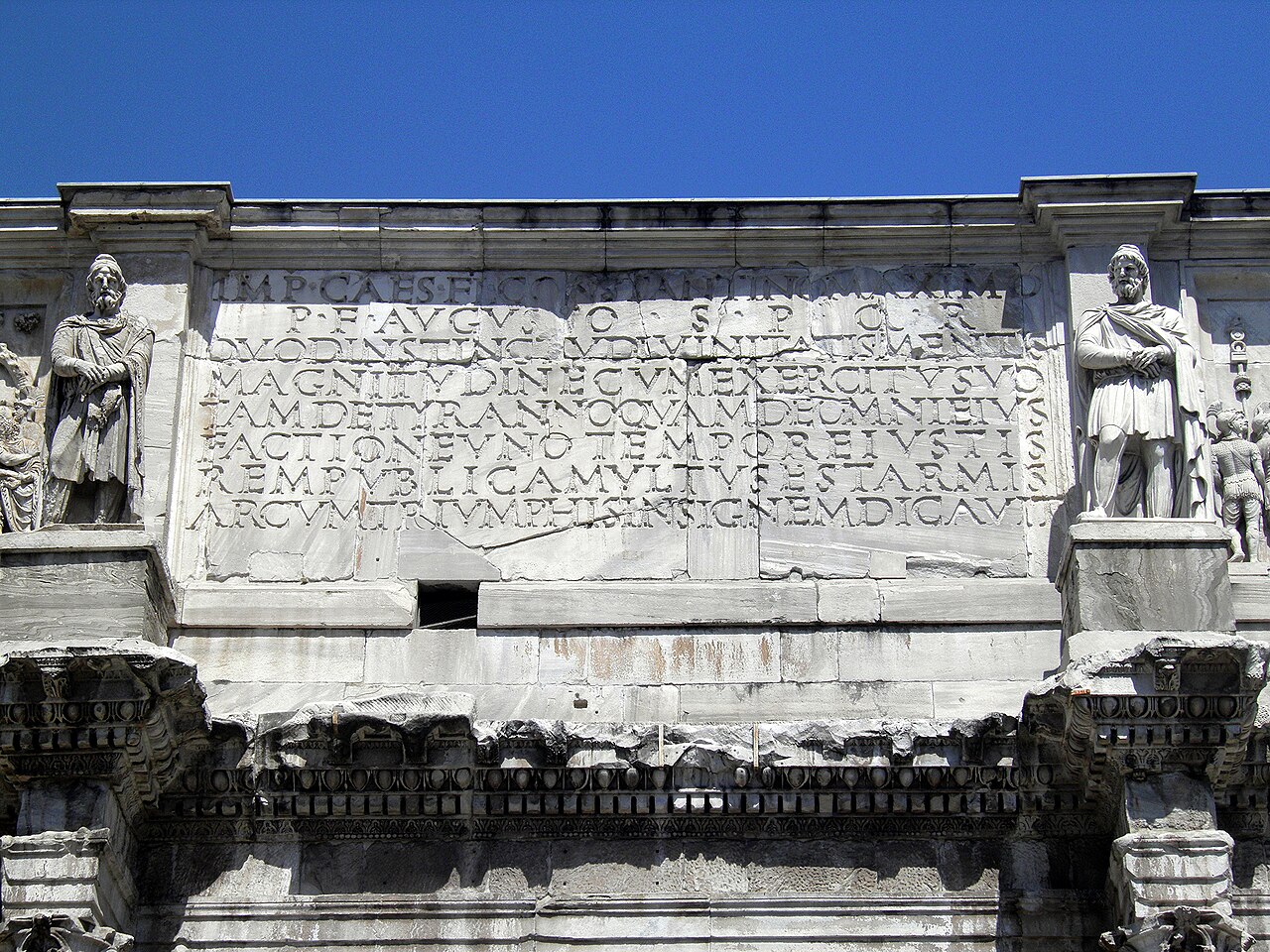
Arch of Constantine
Roman Senate · c. 312-315
 Painting
Secondary source
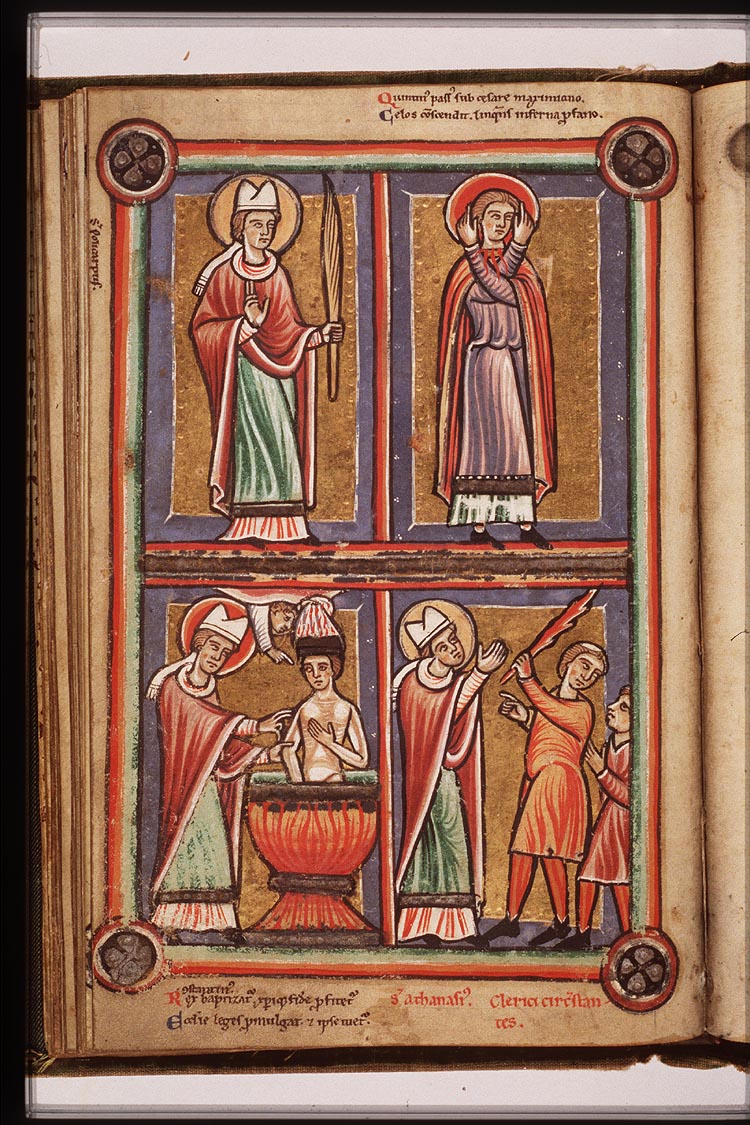
Constantine the Great Baptised by St Sylvester
c. 1200
 Book
Secondary source
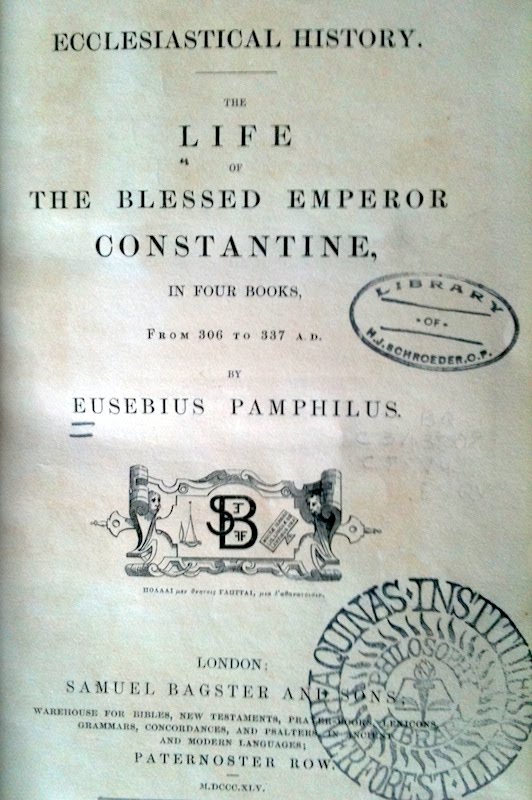
Life of Constantine
Eusebius of Caesarea · 345
Ready when you are
Start chatting with Constantine the Great now.
20 messages free · No credit card · Available in 50+ languages.