


Secondary sourcePainting1247
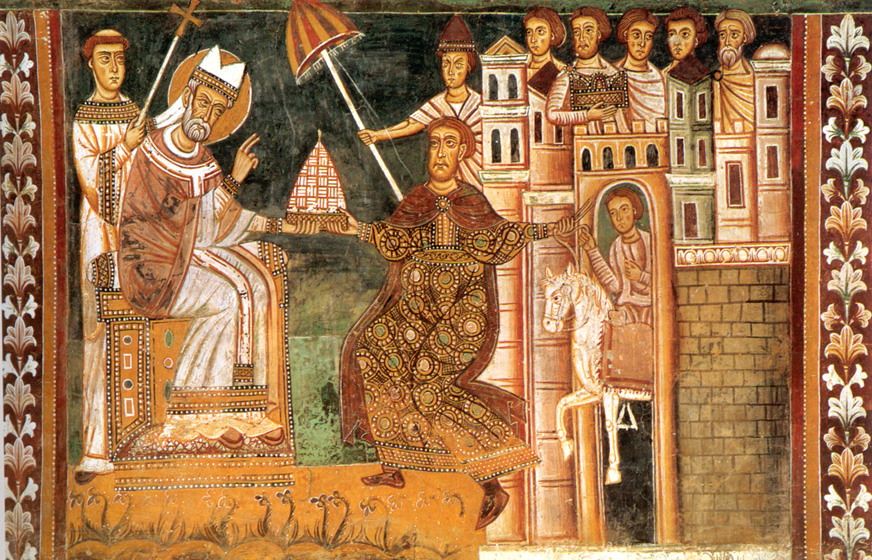
Sylvester I and Constantine Fresco, Santi Quattro Coronati
Unknown medieval artist in Rome · 1247
A medieval fresco in Rome showing Constantine with Pope Sylvester, reflecting later legends about Constantine's baptism.
Depicts Constantine as part of a medieval legend about his baptism by Pope Sylvester I.
About this source
What it is
This fresco, painted by an unknown medieval artist in 1247, decorates the San Silvestro Chapel at Santi Quattro Coronati in Rome. It shows a seated pope and a standing crowned emperor, understood to represent Pope Sylvester I and Constantine the Great.
Why it matters
The fresco reflects medieval legends that grew up around Constantine's conversion to Christianity, long after his actual lifetime. Images like this were used by the medieval Church to strengthen claims about the relationship between emperors and popes.
Look closer
- What symbols of power do you see on each figure, and what might they be meant to show about the relationship between pope and emperor?
- Why would a medieval painter show a scene from centuries earlier, and what does that tell you about how legends are formed?
- What does the fresco leave out about what we actually know happened in Constantine's life?
This painting is part of the curated material that grounds the AI version of Constantine the Great on Humy.ai — when students ask about related events, the AI can quote it and cite it.
More Constantine the Great sources
Meet the AI Constantine the Great →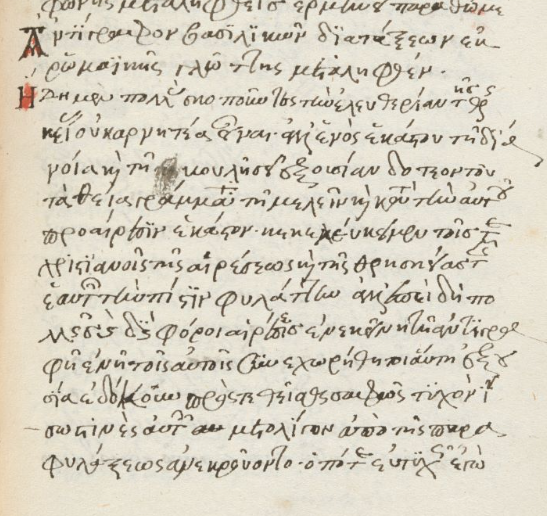 Document
Secondary source
Edict of Milan
Constantine the Great · 313 AD
 Artifact
Secondary source
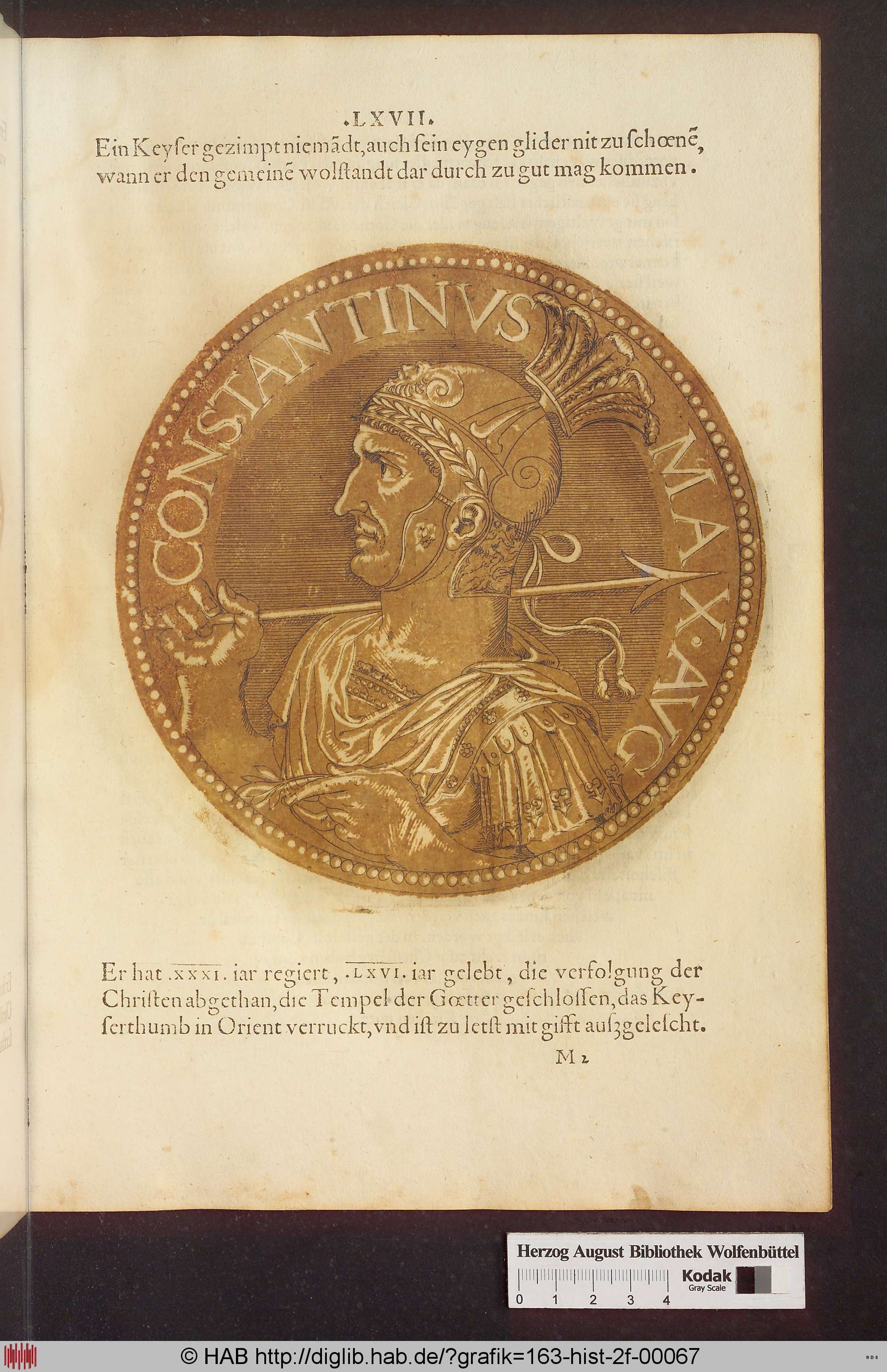
Woodcut Portrait of Constantine the Great
Josse van Gietleughen
 Artifact
Primary source
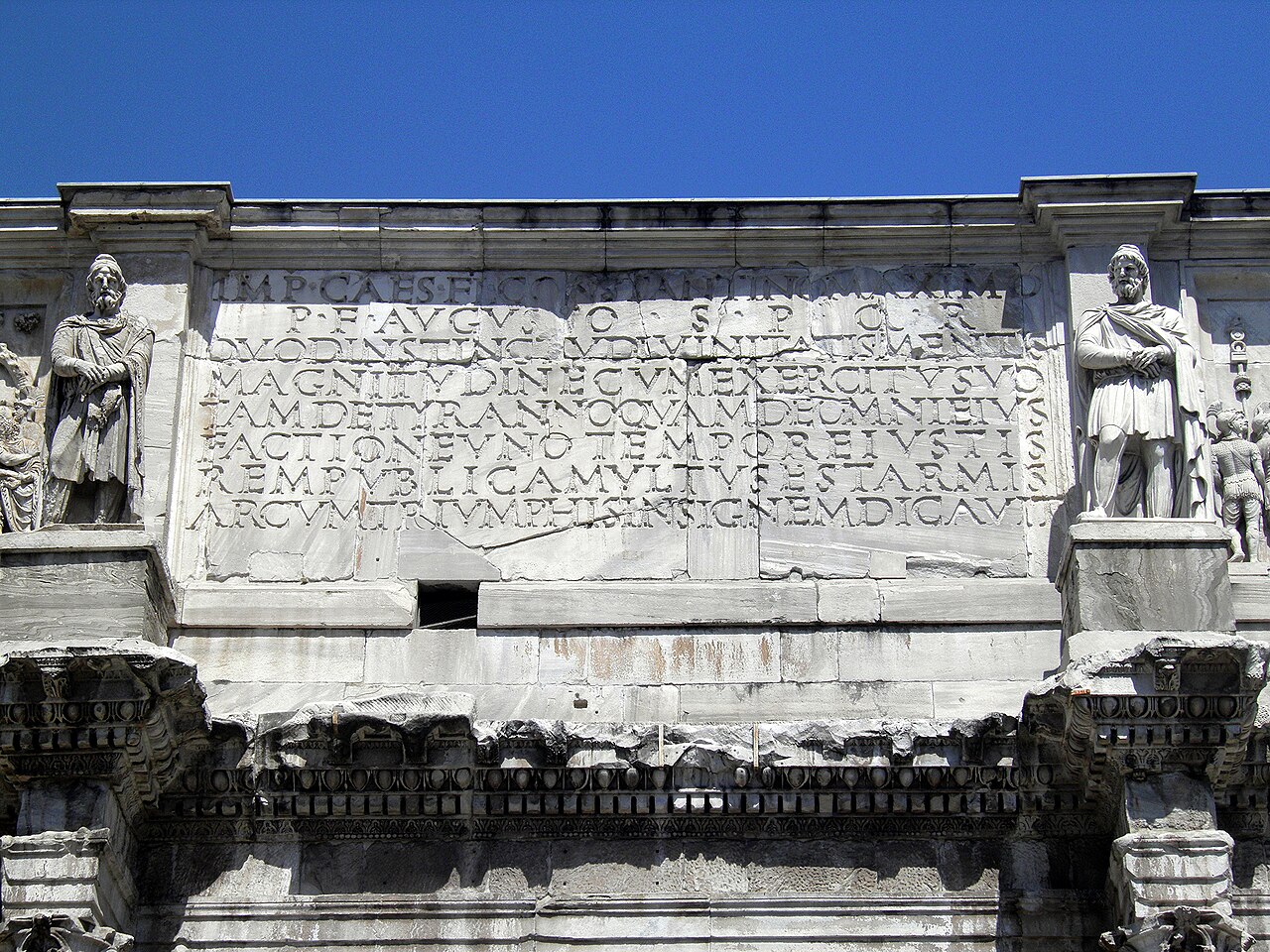
Arch of Constantine
Roman Senate · c. 312-315
 Painting
Secondary source
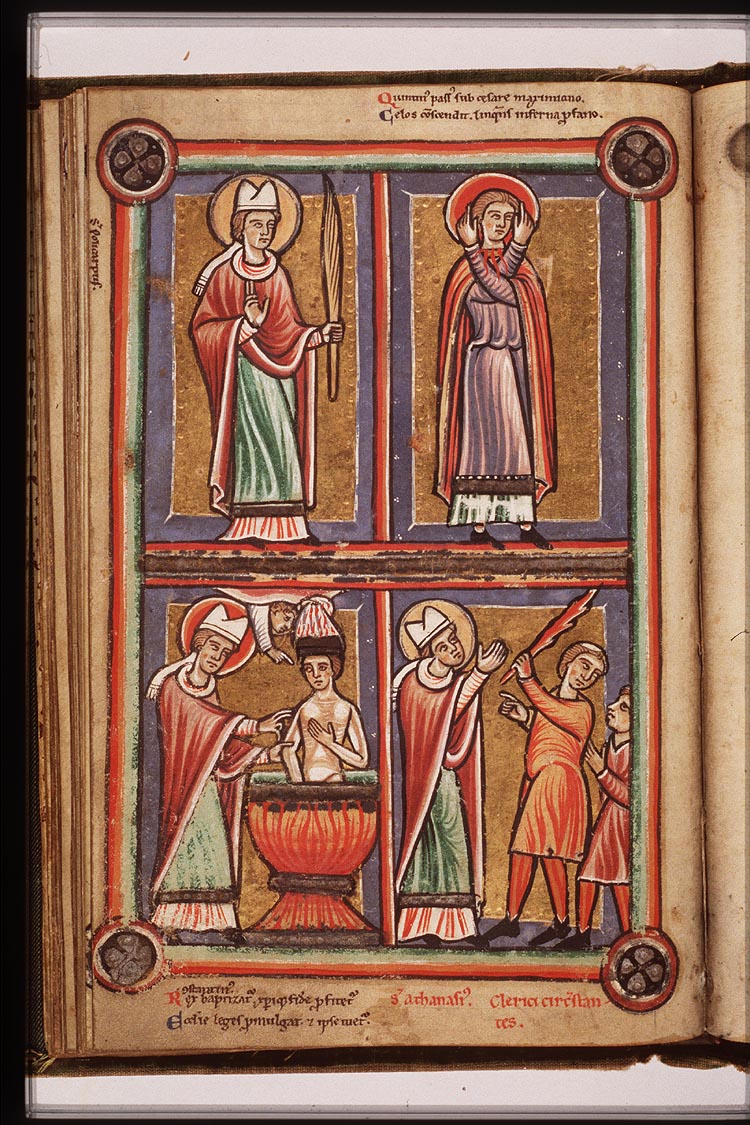
Constantine the Great Baptised by St Sylvester
c. 1200
 Book
Secondary source
Life of Constantine
Eusebius of Caesarea · 345
Ready when you are
Start chatting with Constantine the Great now.
20 messages free · No credit card · Available in 50+ languages.