


Primary sourceArtifact330
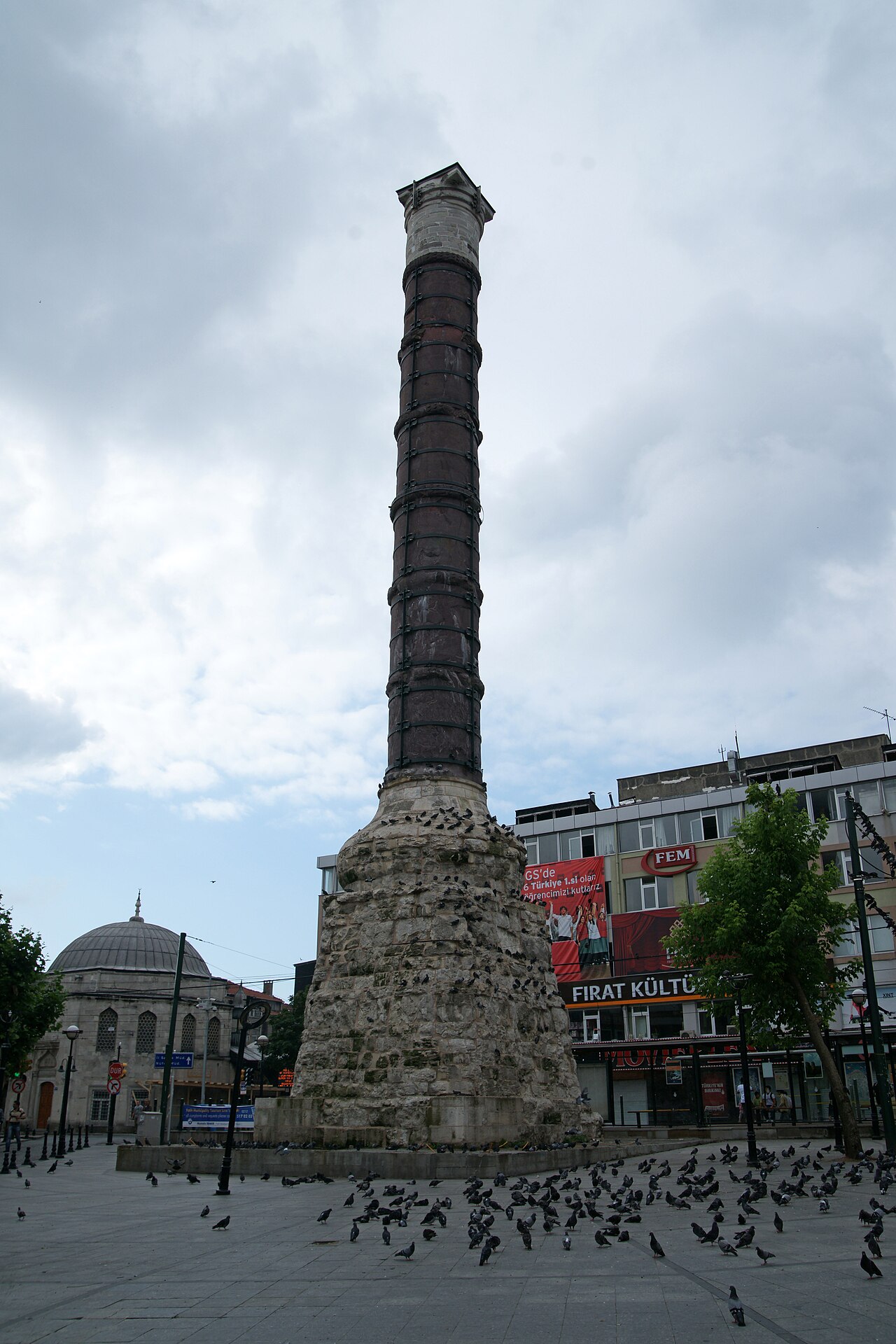
Column of Constantine
Commissioned by Constantine · 330
A porphyry column erected in Constantinople in 330 to mark the city's dedication as Constantine's new capital, once topped by his statue.
Constantine commissioned this column to mark the founding of Constantinople as his new imperial capital.
About this source
What it is
The Column of Constantine is a monumental column built on the orders of Emperor Constantine I in 330 CE, standing in what is now Istanbul. It originally supported a statue of Constantine shown as the god Sol-Apollo.
Why it matters
The column marked the founding of Constantinople as Constantine's new capital, a city that would remain the centre of the Eastern Roman Empire for over a thousand years. Showing himself as a sun-god on top of the column reveals how Constantine blended old Roman religious imagery with his new political power, even as he promoted Christianity.
Look closer
- Why might Constantine have chosen to be shown as a pagan sun-god rather than only as a Christian ruler?
- What does the column's survival across many centuries tell us about the city it stands in?
- How does the column's current, weathered condition compare to how it might have looked when first built?
This artifact is part of the curated material that grounds the AI version of Constantine the Great on Humy.ai — when students ask about related events, the AI can quote it and cite it.
More Constantine the Great sources
Meet the AI Constantine the Great →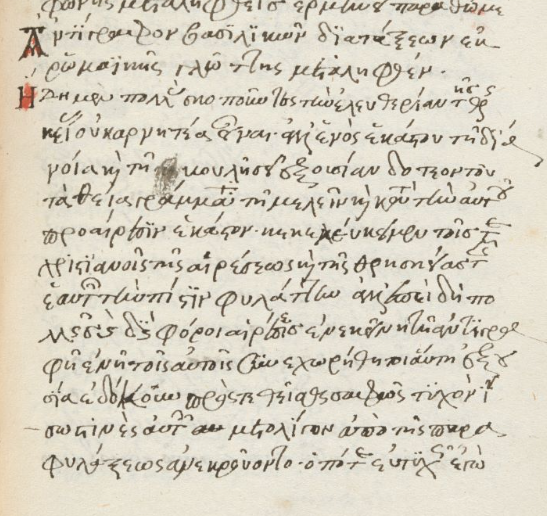 Document
Secondary source
Edict of Milan
Constantine the Great · 313 AD
 Artifact
Secondary source
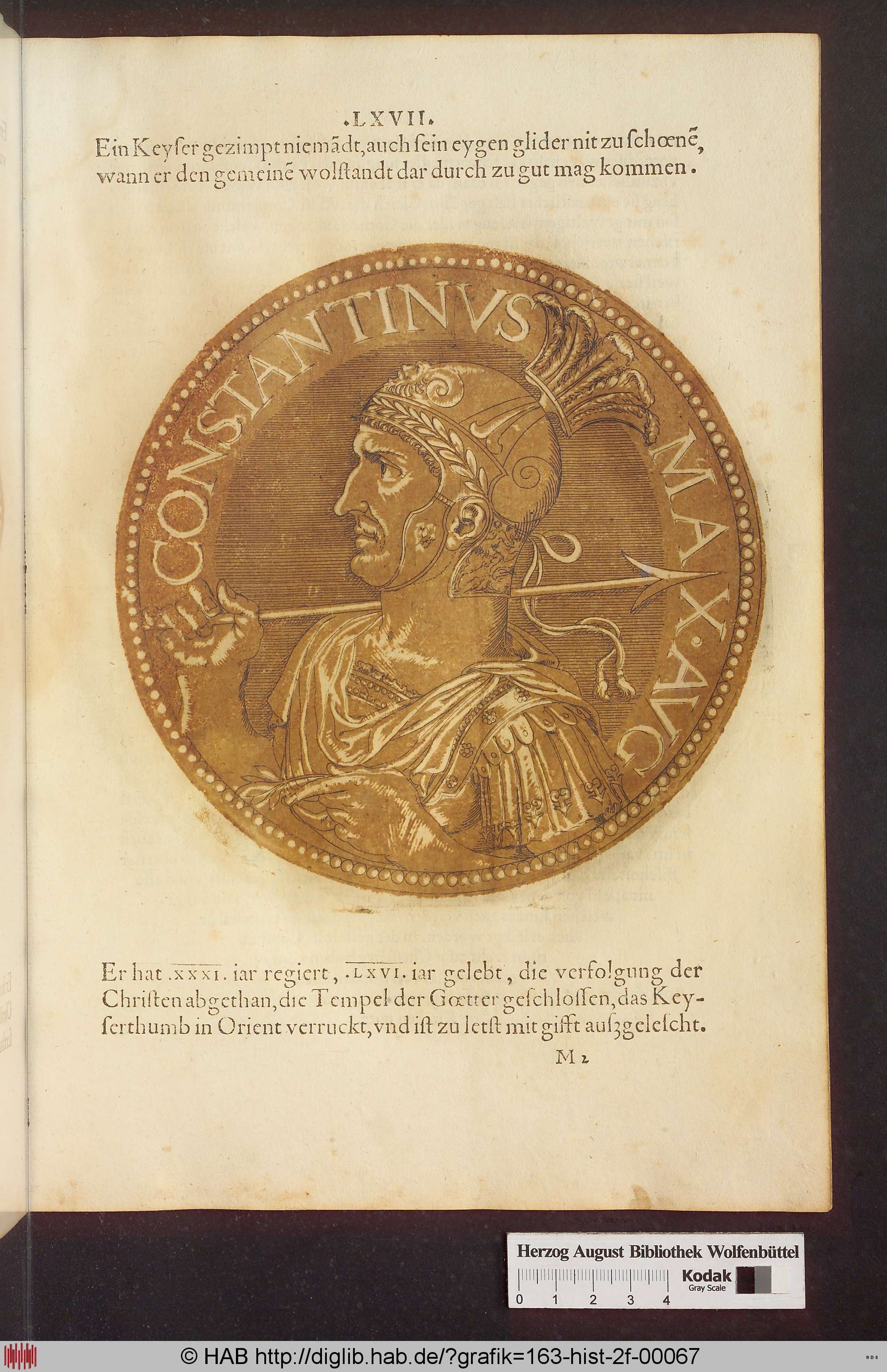
Woodcut Portrait of Constantine the Great
Josse van Gietleughen
 Artifact
Primary source
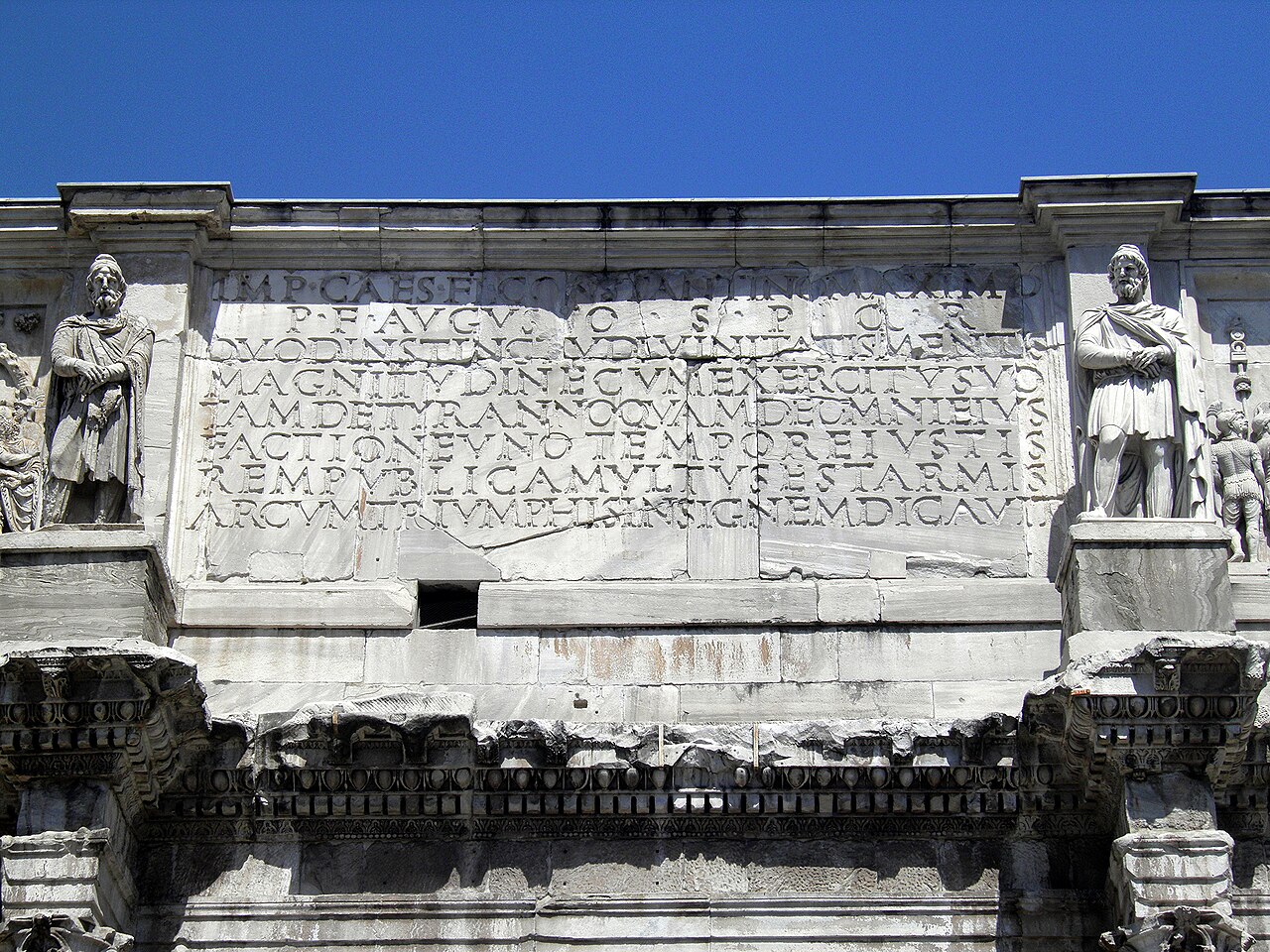
Arch of Constantine
Roman Senate · c. 312-315
 Painting
Secondary source
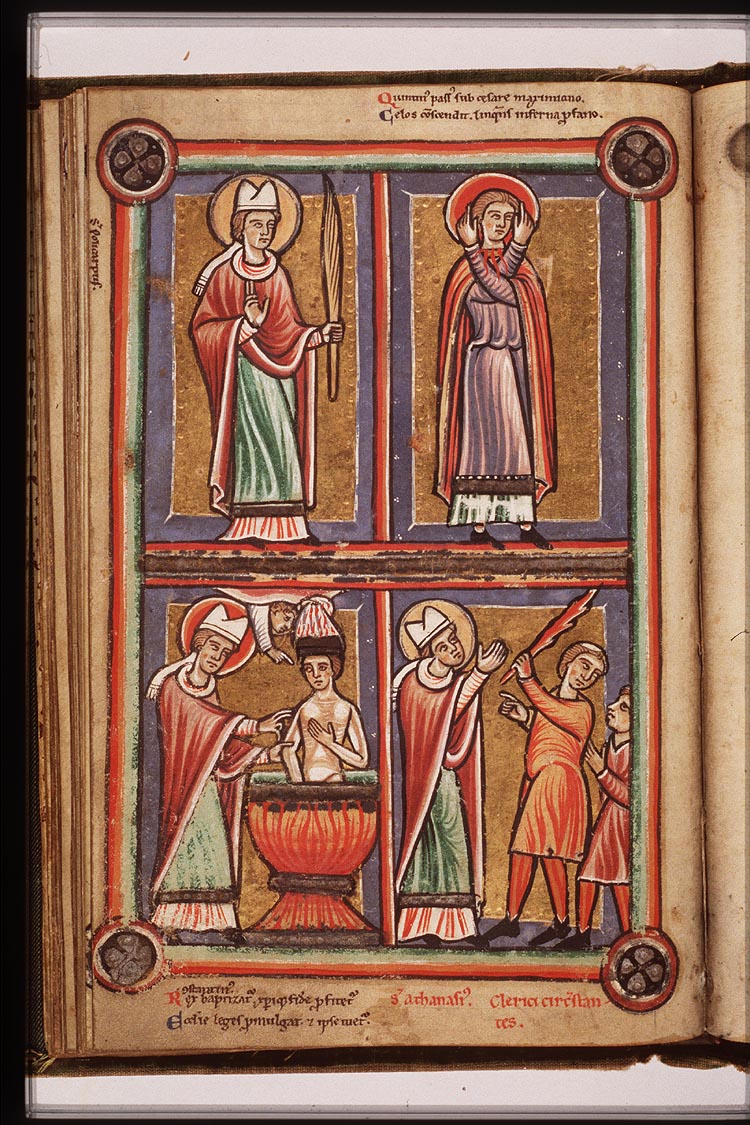
Constantine the Great Baptised by St Sylvester
c. 1200
 Book
Secondary source
Life of Constantine
Eusebius of Caesarea · 345
Ready when you are
Start chatting with Constantine the Great now.
20 messages free · No credit card · Available in 50+ languages.