


Secondary sourceBook1915
Church and Empire in the East under Constantine
George Adam Smith · 1915
A 1915 historical book by George Adam Smith about Constantine and the rise of the Church. It places his conversion in the longer story of Christian expansion and persecution.
A modern historian's study of Constantine's reign and his role in the rise of the Church, used to understand how later writers interpreted him.
About this source
What it is
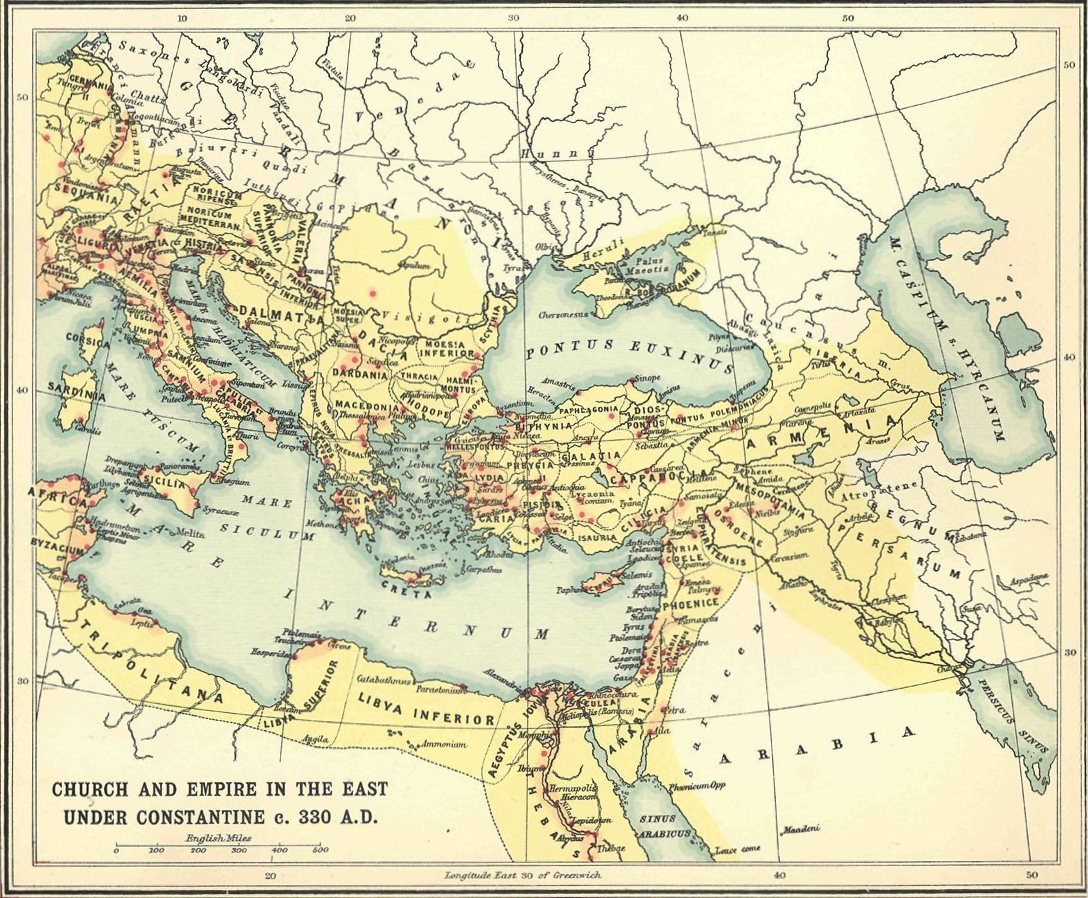
This is a 1915 book by George Adam Smith on the Church and the Empire in the East under Constantine. The text summarises how Christians suffered little persecution between the time of Marcus Aurelius and that of Decius, and how the Church grew rapidly after persecution ceased in 260. It states that in 311 Constantine adopted Christianity and that in 325 he presided at the Council of Nicaea. The book includes a historical map of the region around c. 330 AD, showing Roman provinces, Christian sites and place names in Latin and Greek.
Why it matters
This is a secondary study written more than 1,500 years after Constantine's reign. It shows how a early twentieth-century historian understood the change from persecution to imperial favour. Readers of the book can compare its interpretation with the earlier sources used to write about Constantine, and see how modern views of him were shaped.
Look closer
- The text describes persecution by Decius and Diocletian. Which events does the author treat as turning points, and why?
- The map shows Christian sites on a Roman-era landscape. What does it show about where the author thought the Church was strongest?
- What does the book leave out, and how might a different historian describe the same period?
This book is part of the curated material that grounds the AI version of Constantine the Great on Humy.ai — when students ask about related events, the AI can quote it and cite it.
More Constantine the Great sources
Meet the AI Constantine the Great →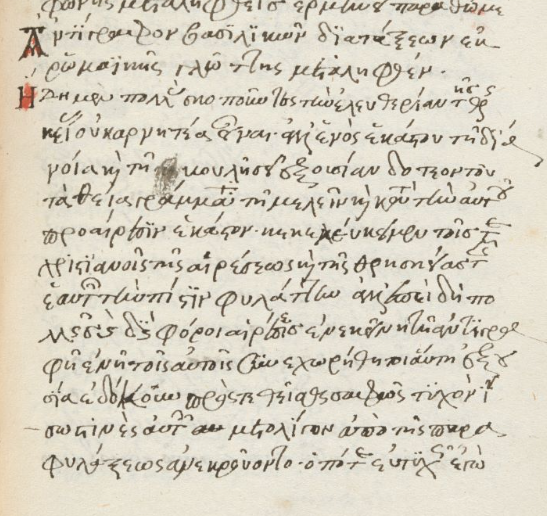 Document
Secondary source
Edict of Milan
Constantine the Great · 313 AD
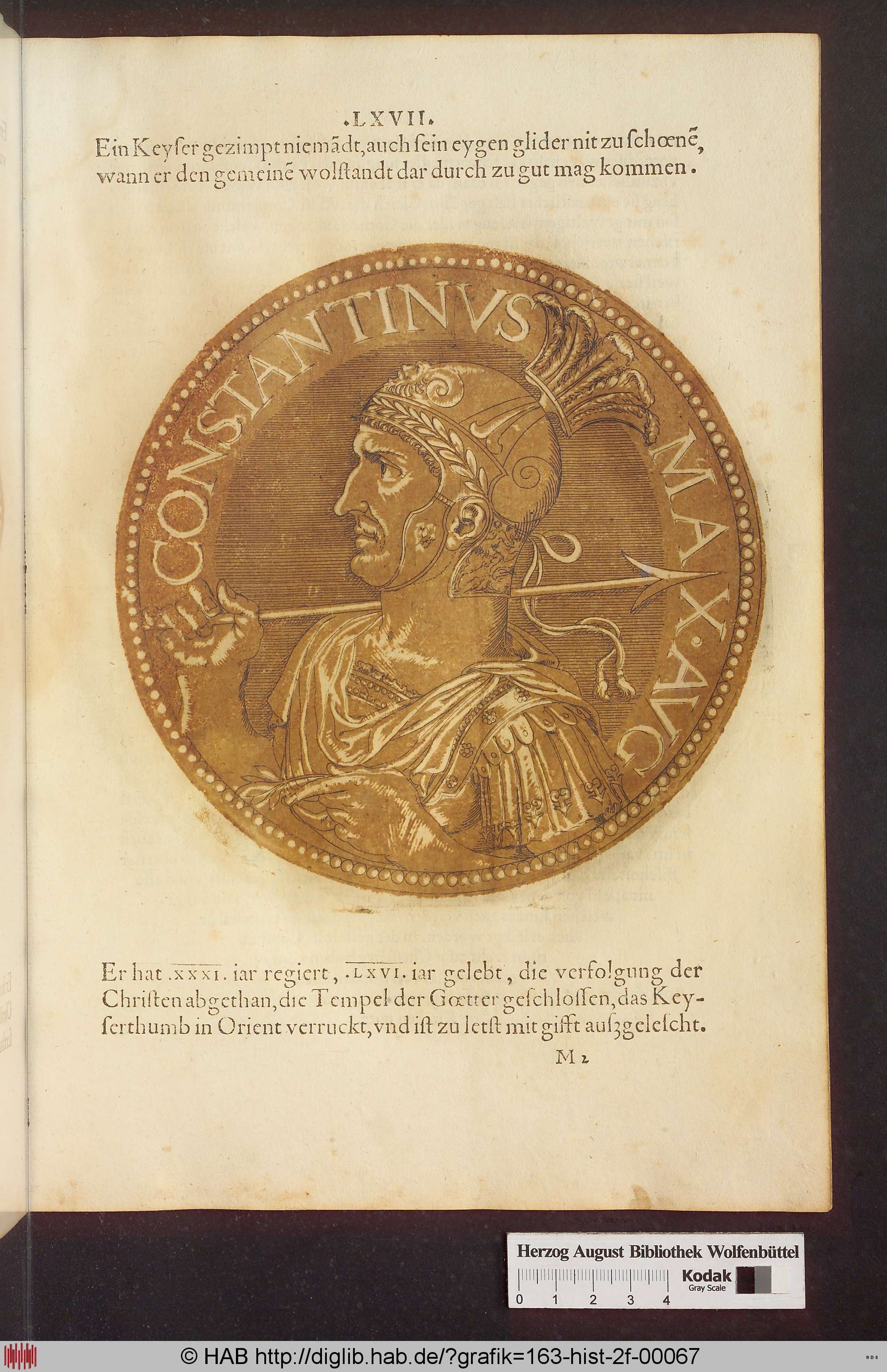 Artifact
Secondary source
Woodcut Portrait of Constantine the Great
Josse van Gietleughen
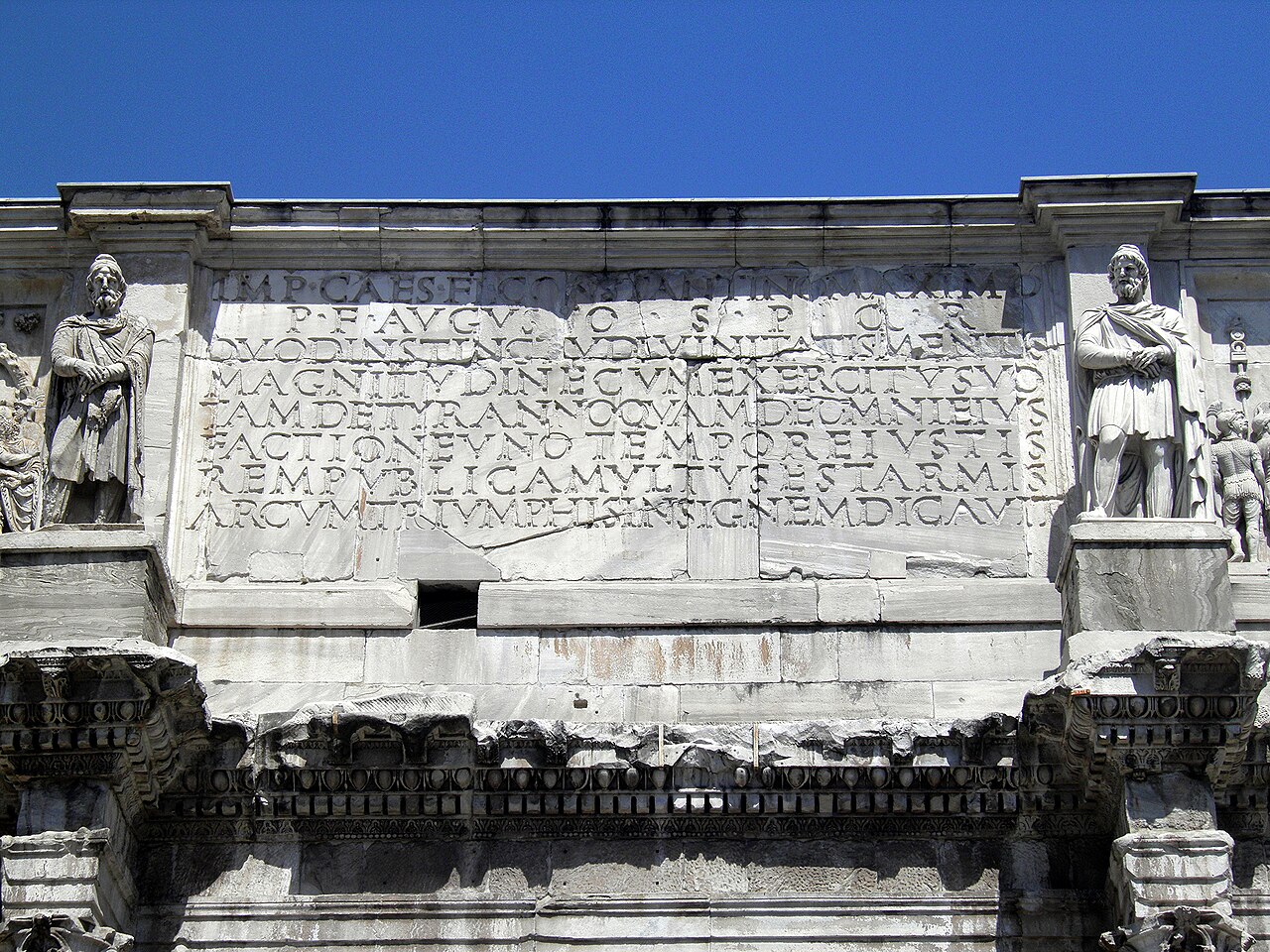 Artifact
Primary source
Arch of Constantine
Roman Senate · c. 312-315
 Painting
Secondary source
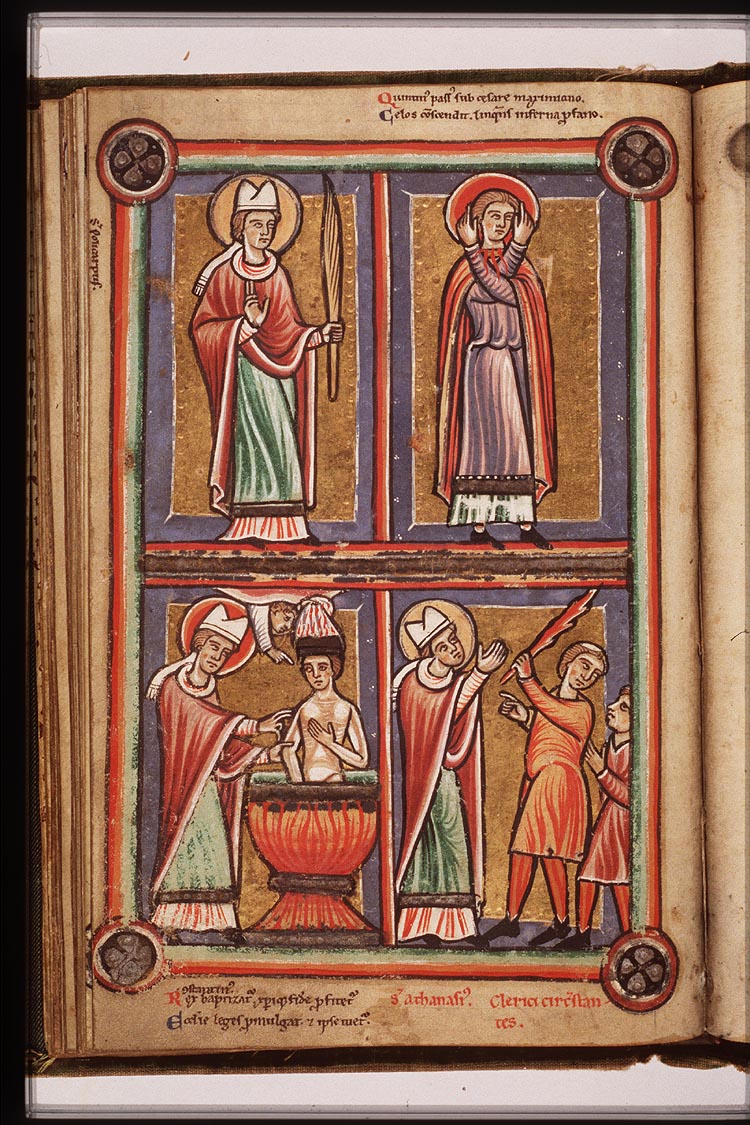
Constantine the Great Baptised by St Sylvester
c. 1200
 Book
Secondary source
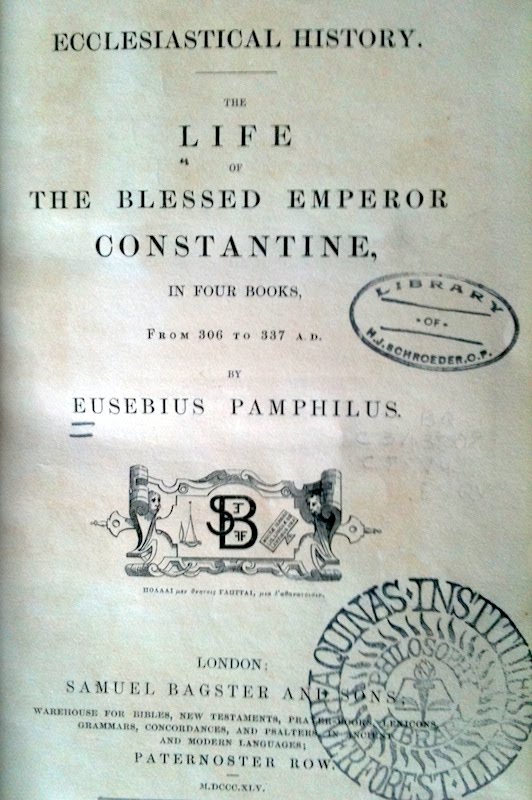
Life of Constantine
Eusebius of Caesarea · 345
Ready when you are
Start chatting with Constantine the Great now.
20 messages free · No credit card · Available in 50+ languages.