


Primary sourceDocument325 AD
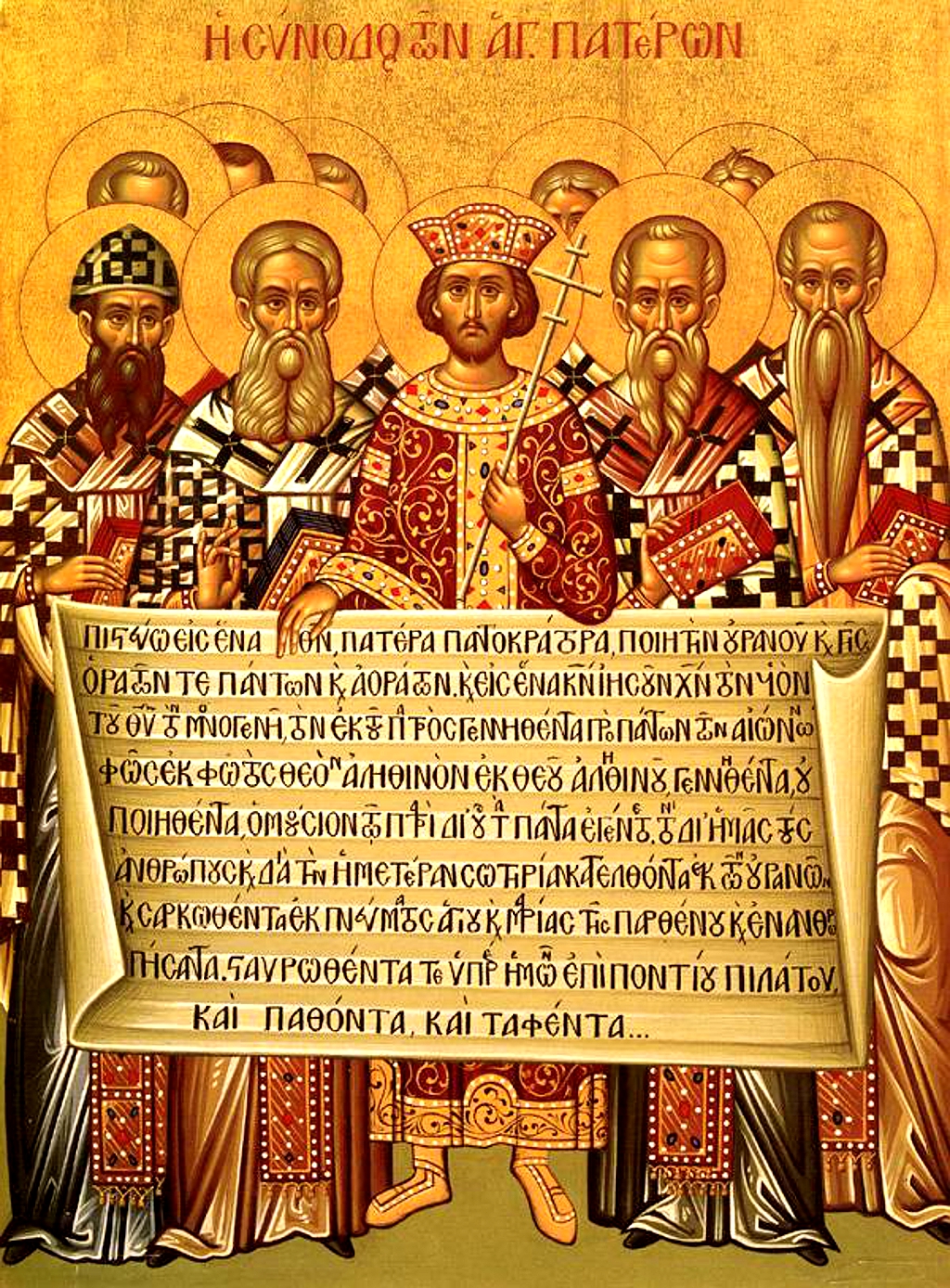
Nicene Creed
First Council of Nicaea · 325 AD
A 4th-century statement of Christian belief that declared Jesus to be 'of one substance with the Father,' settling a major dispute over his nature.
This creed formally defined Jesus's divine nature, shaping how mainstream Christianity understood him ever after.
About this source
What it is
The Nicene Creed is a formal statement of Christian belief adopted at the First Council of Nicaea in 325, called by Emperor Constantine. It was later revised at the Council of Constantinople in 381. It describes God the Father, Jesus Christ the Son, and the Holy Spirit, and states that Jesus is "begotten of the Father" and "consubstantial" -- of the same substance -- with him.
Why it matters
The creed was written to settle a bitter dispute, the Arian controversy, over whether Jesus was truly divine or a created being. The council's decision shaped mainstream Christian belief for most denominations ever since, and shows how political and religious authority combined under Constantine to define official doctrine about Jesus.
Look closer
- Why did an emperor, not just church leaders, call this council?
- What words does the creed use to describe Jesus's relationship to God?
- Why might disagreement over wording like this matter enough to cause lasting splits in the church?
This document is part of the curated material that grounds the AI version of Jesus Christ and Constantine the Great on Humy.ai — when students ask about related events, the AI can quote it and cite it.
More Jesus Christ sources
Meet the AI Jesus Christ →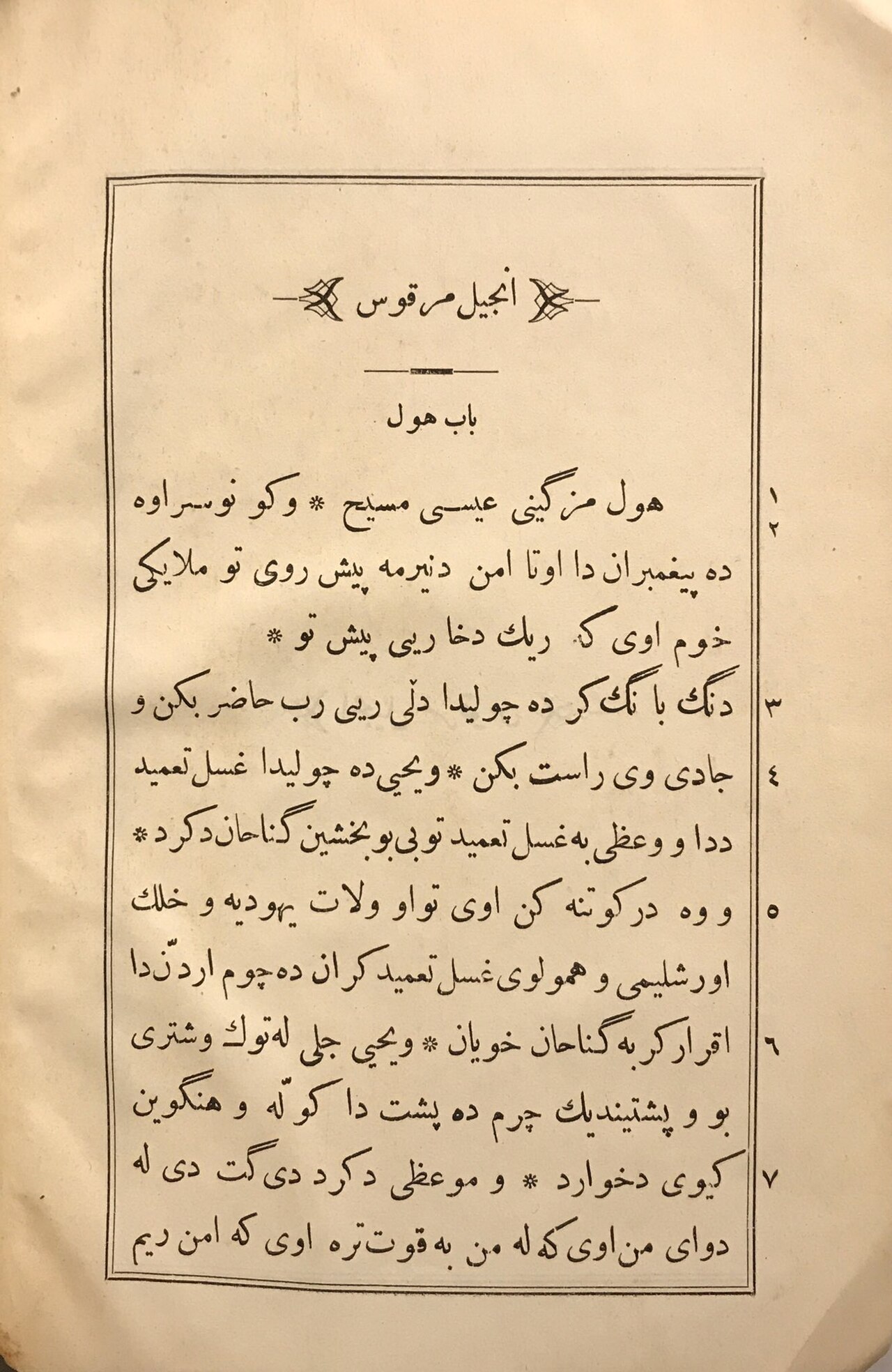 Book
Secondary source
Gospel of Mark
Mark the Evangelist · c. AD 66-75
 Artifact
Secondary source
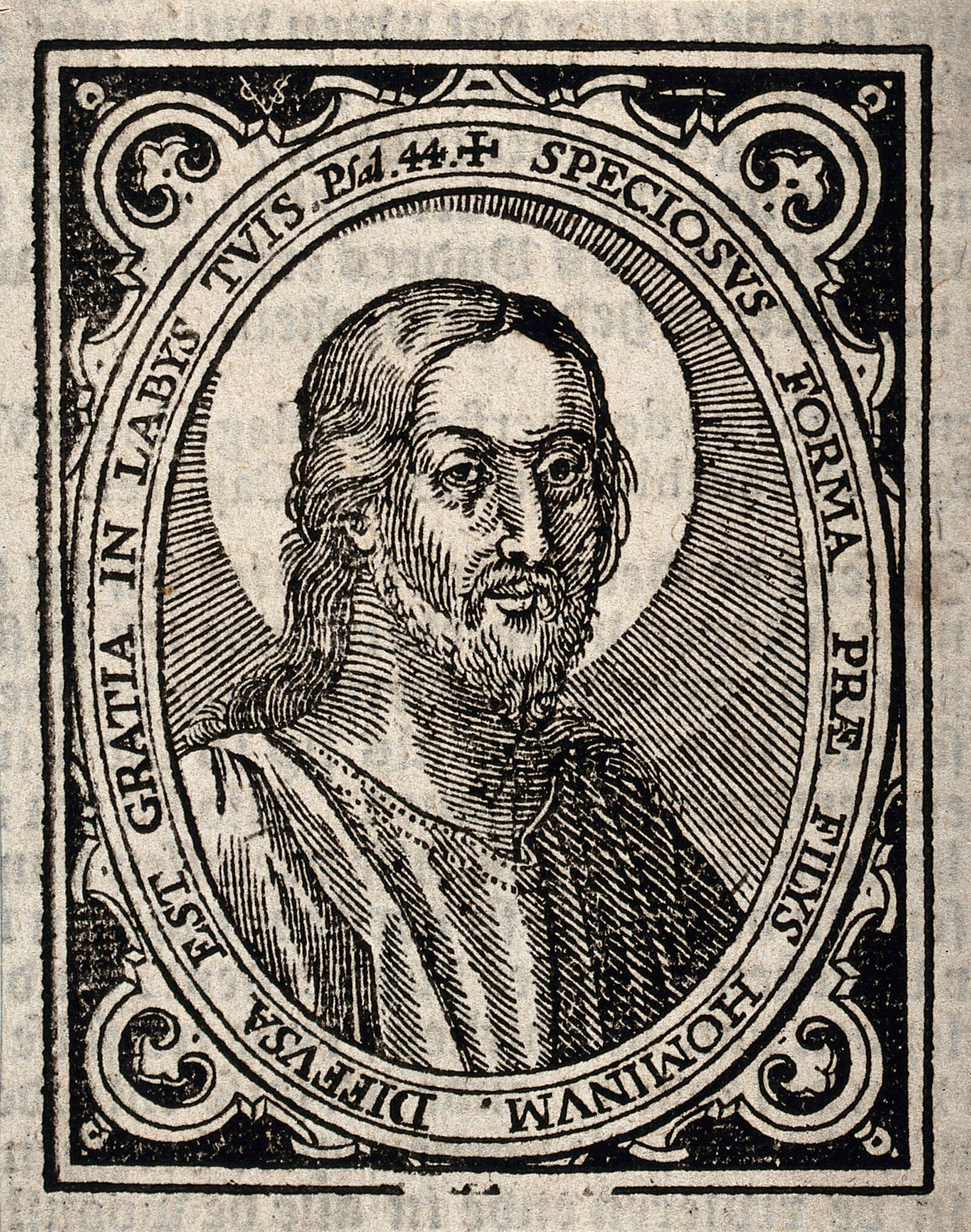
Jesus Christ, woodcut by Christoffel van Sichem III
Christoffel van Sichem III · c. 1645
 Book
Secondary source
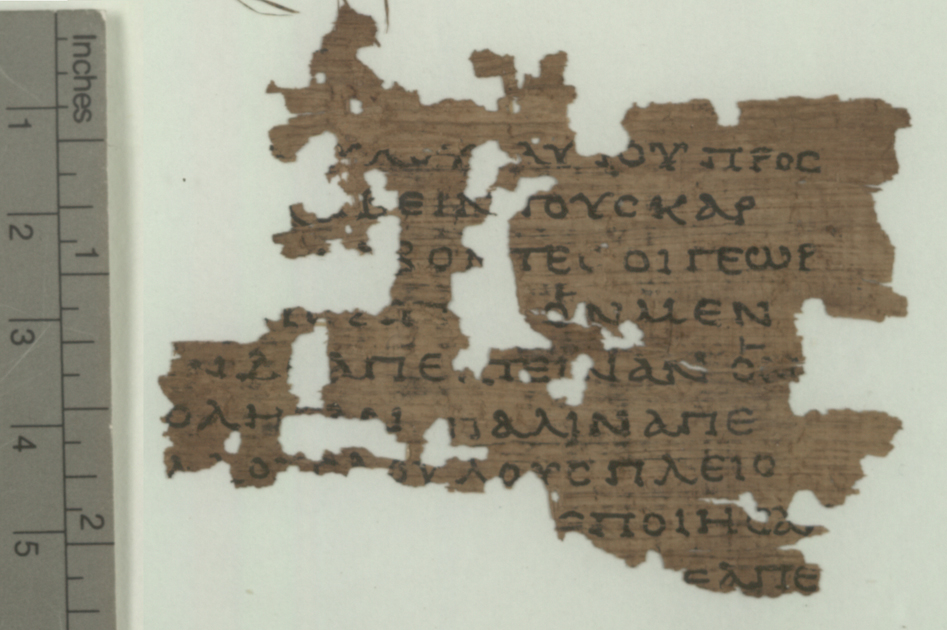
Gospel of Matthew
Matthew the Apostle · late 1st century AD
 Painting
Secondary source
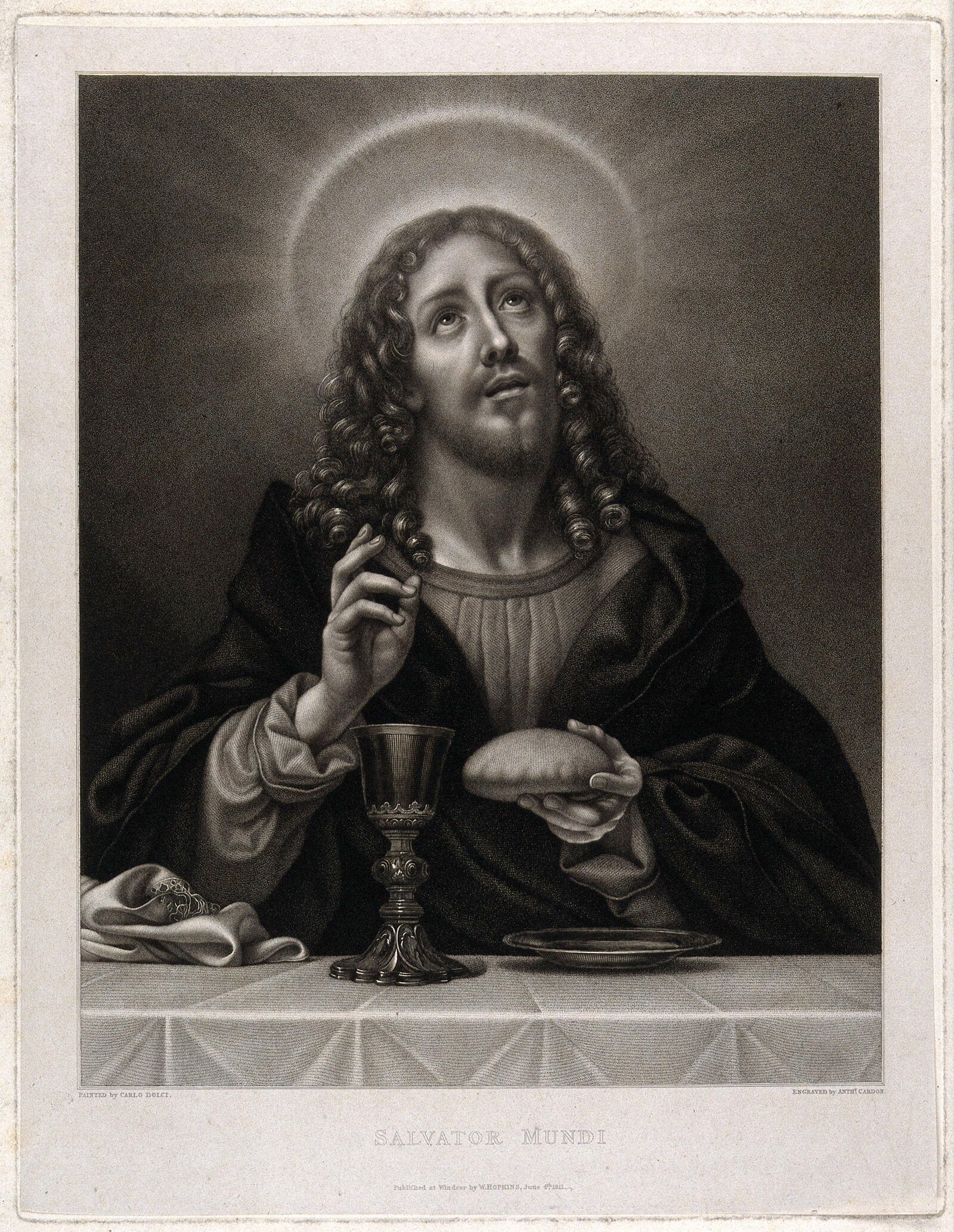
Jesus Christ blessing the Host
Carlo Dolci (painting); Anth. Cardon (engraving) · 4 June 1811
 Painting
Secondary source
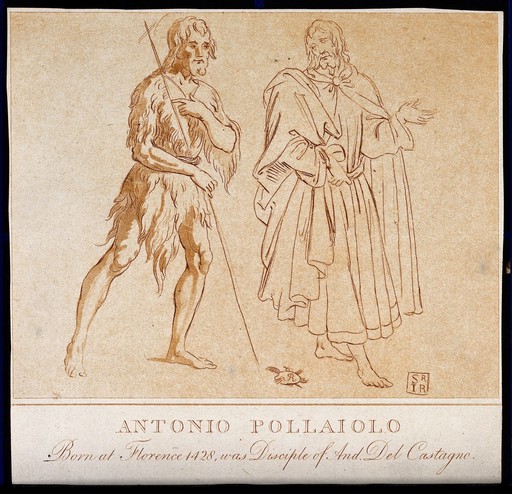
John the Baptist Meets Jesus Christ
Antonio Pollaiuolo
Ready when you are
Start chatting with Jesus Christ now.
20 messages free · No credit card · Available in 50+ languages.