


Primary sourceArtifact
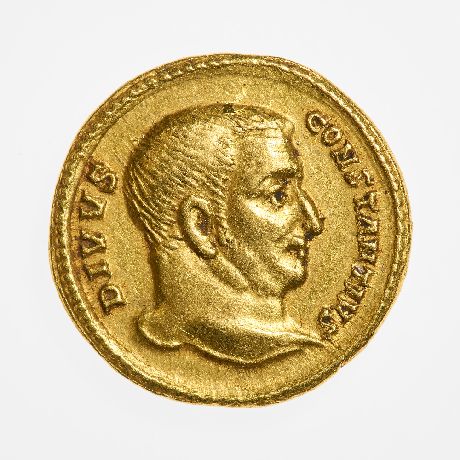
Gold Solidus from Constantine I to the Deified Constantius I
A gold coin issued by Constantine honoring his deified father Constantius I, used as imperial propaganda.
Issued under Constantine's authority, this coin shows how he used his father's deification to legitimize his own rule.
About this source
What it is
This gold coin, called a solidus, was issued by Constantine the Great. One side shows a portrait bust of his father, Constantius Chlorus. The other side shows a funeral pyre with Constantius, shown as a divine figure, rising in a four-horse chariot. The coin is held by the National Museum of Archaeology, History and Art in Luxembourg.
Why it matters
This coin is direct evidence of how Constantine used imagery to strengthen his own claim to power. By showing his father being honored as a god, Constantine linked his own rule to a sacred, inherited authority. Coins like this spread political messages across the empire to anyone who handled money.
Look closer
- Why might Constantine want his father shown rising to the heavens in a chariot?
- What does the inscription "DIVUS CONSTANTIVS" ("the deified Constantius") tell you about Roman ideas of rulership?
- Who would have seen and used this coin, and what message would they have received from it?
This artifact is part of the curated material that grounds the AI version of Constantine the Great on Humy.ai — when students ask about related events, the AI can quote it and cite it.
More Constantine the Great sources
Meet the AI Constantine the Great →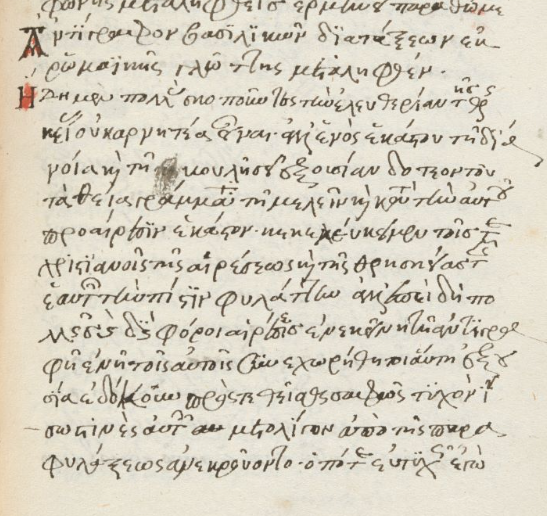 Document
Secondary source
Edict of Milan
Constantine the Great · 313 AD
 Artifact
Secondary source
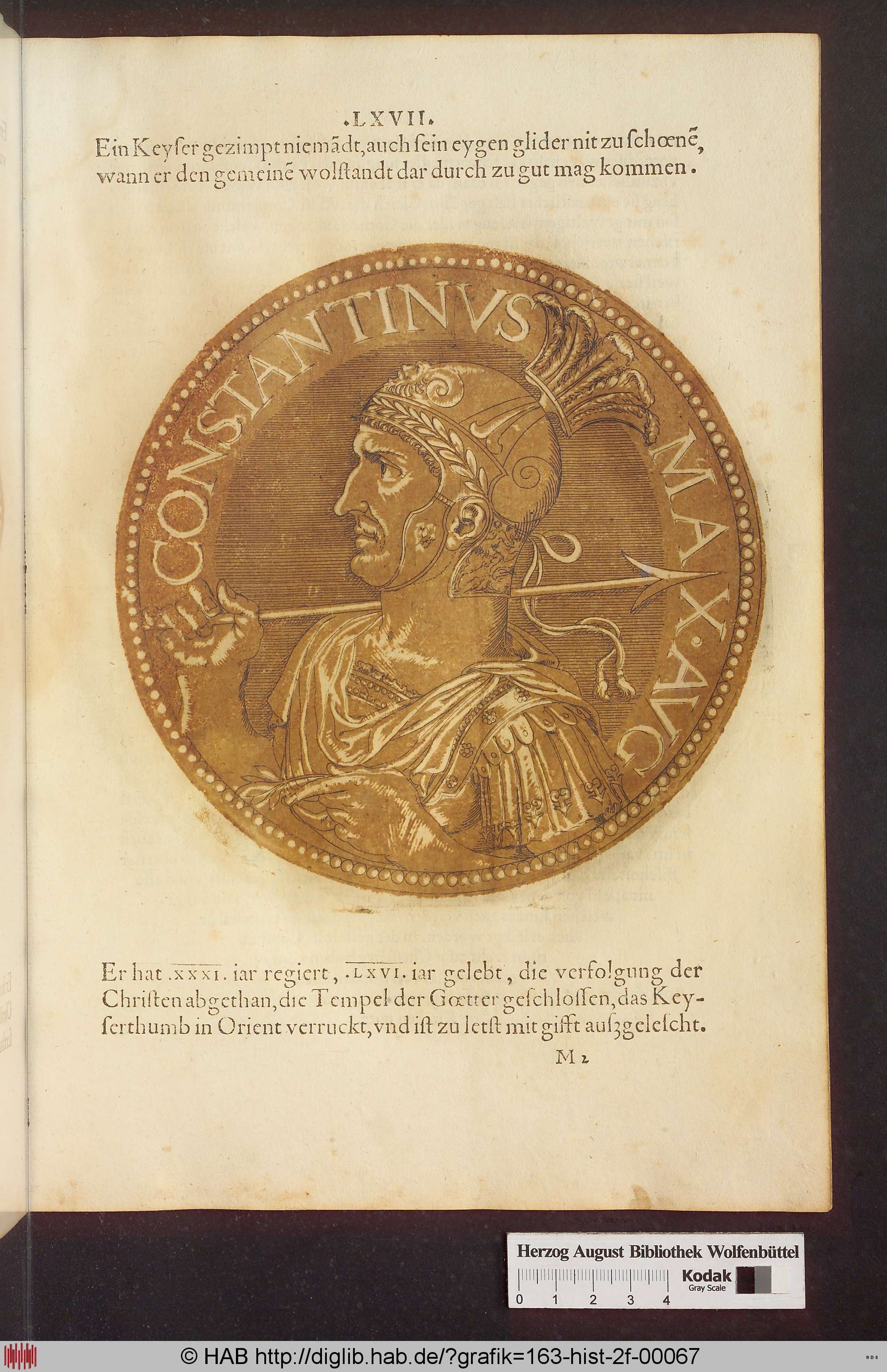
Woodcut Portrait of Constantine the Great
Josse van Gietleughen
 Artifact
Primary source
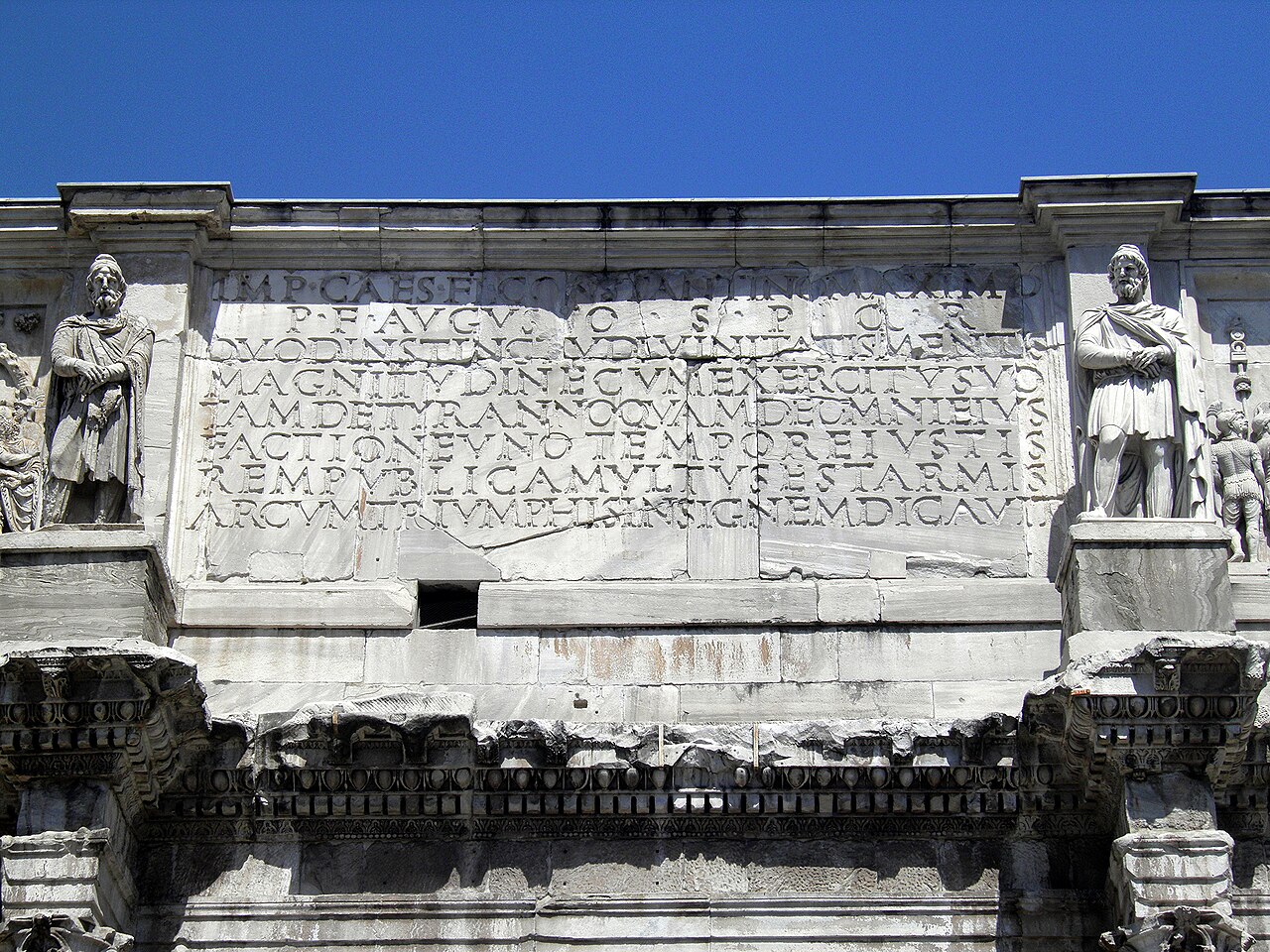
Arch of Constantine
Roman Senate · c. 312-315
 Painting
Secondary source
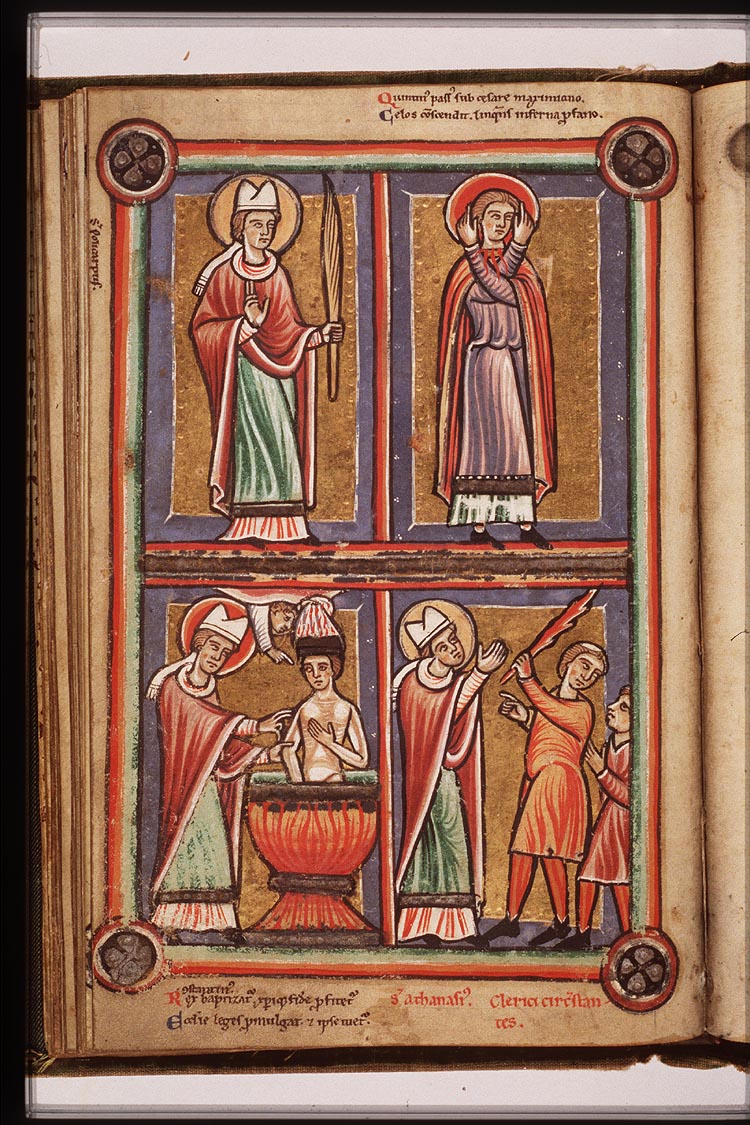
Constantine the Great Baptised by St Sylvester
c. 1200
 Book
Secondary source
Life of Constantine
Eusebius of Caesarea · 345
Ready when you are
Start chatting with Constantine the Great now.
20 messages free · No credit card · Available in 50+ languages.