


Primary sourceArtifact322 AD
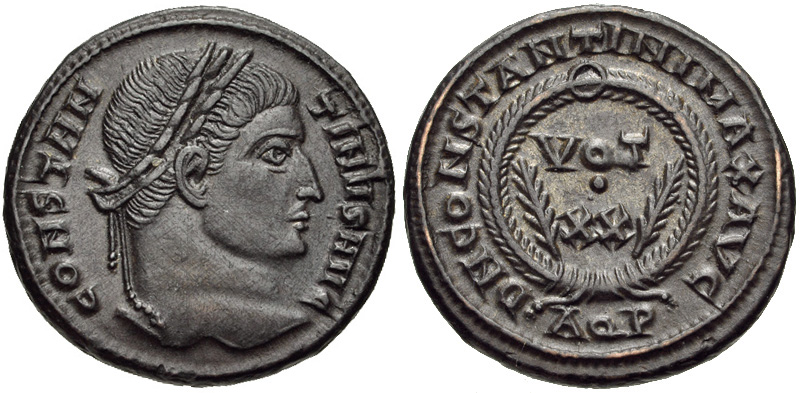
Bronze Follis of Constantine I, Aquileia Mint
322 AD
A bronze coin struck under Constantine in 322, showing his laureate portrait and a vota inscription within a wreath.
A coin struck under Constantine's authority bearing his portrait and an official vow inscription marking his reign.
About this source
What it is
This bronze coin (a follis) was struck at the Aquileia mint in AD 322, during Constantine's reign. One side shows his laureate head in profile; the other bears the inscription VOT/XX within a wreath, a formula marking vows for the emperor's rule.
Why it matters
Coins like this were a key way Roman emperors communicated their image and authority throughout the empire. The vota inscription refers to official vows made for an emperor's continued reign, showing how Roman political ritual and propaganda worked together.
Look closer
- Why would an emperor want a wreath and vow inscription on his coins?
- What does the repeated use of imperial portraits tell you about Roman government?
- What questions can't this coin answer about Constantine's actual rule?
This artifact is part of the curated material that grounds the AI version of Constantine the Great on Humy.ai — when students ask about related events, the AI can quote it and cite it.
More Constantine the Great sources
Meet the AI Constantine the Great →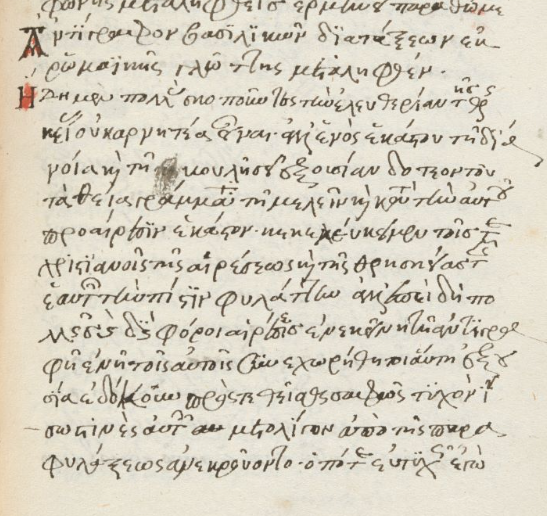 Document
Secondary source
Edict of Milan
Constantine the Great · 313 AD
 Artifact
Secondary source
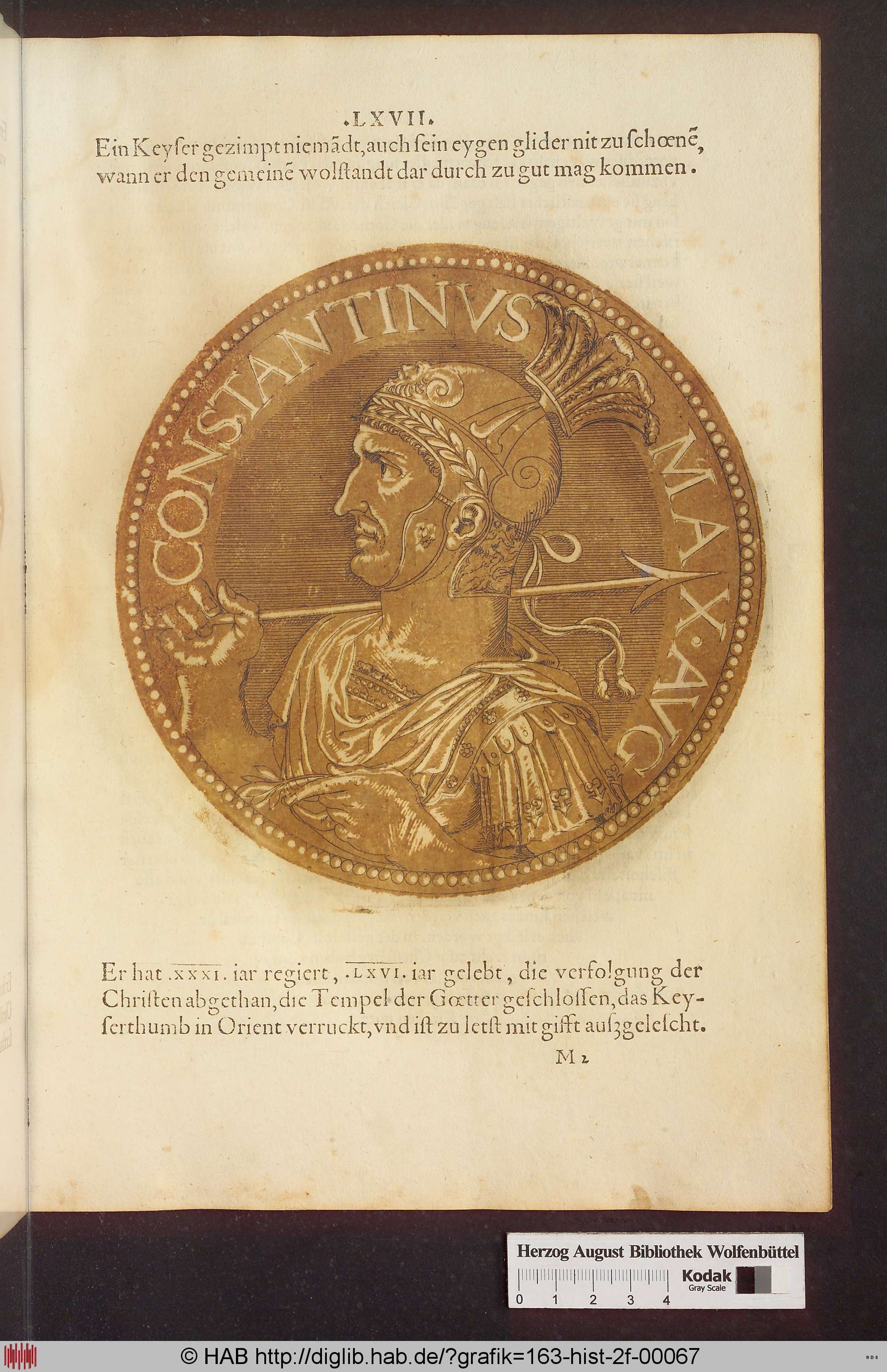
Woodcut Portrait of Constantine the Great
Josse van Gietleughen
 Artifact
Primary source
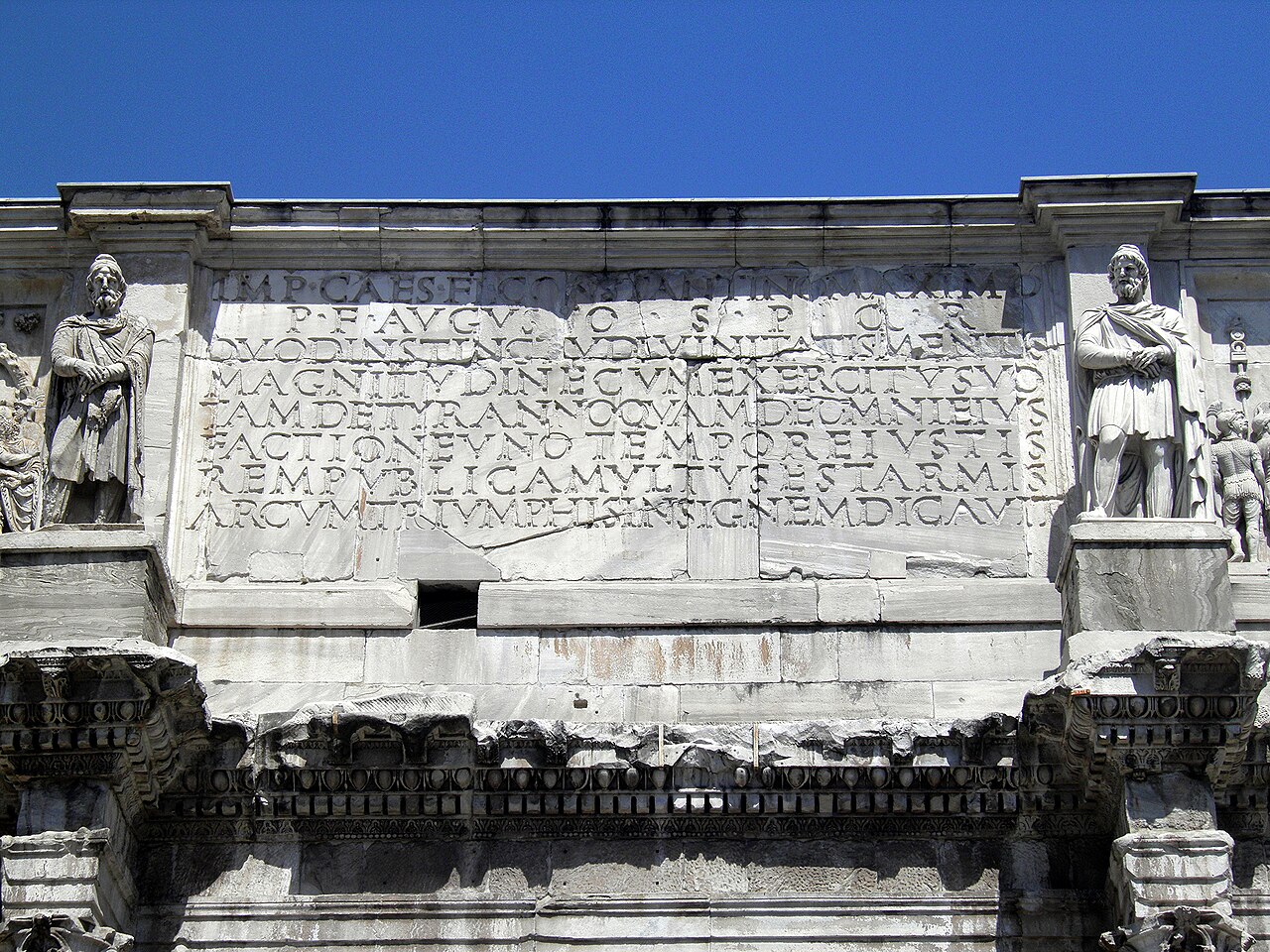
Arch of Constantine
Roman Senate · c. 312-315
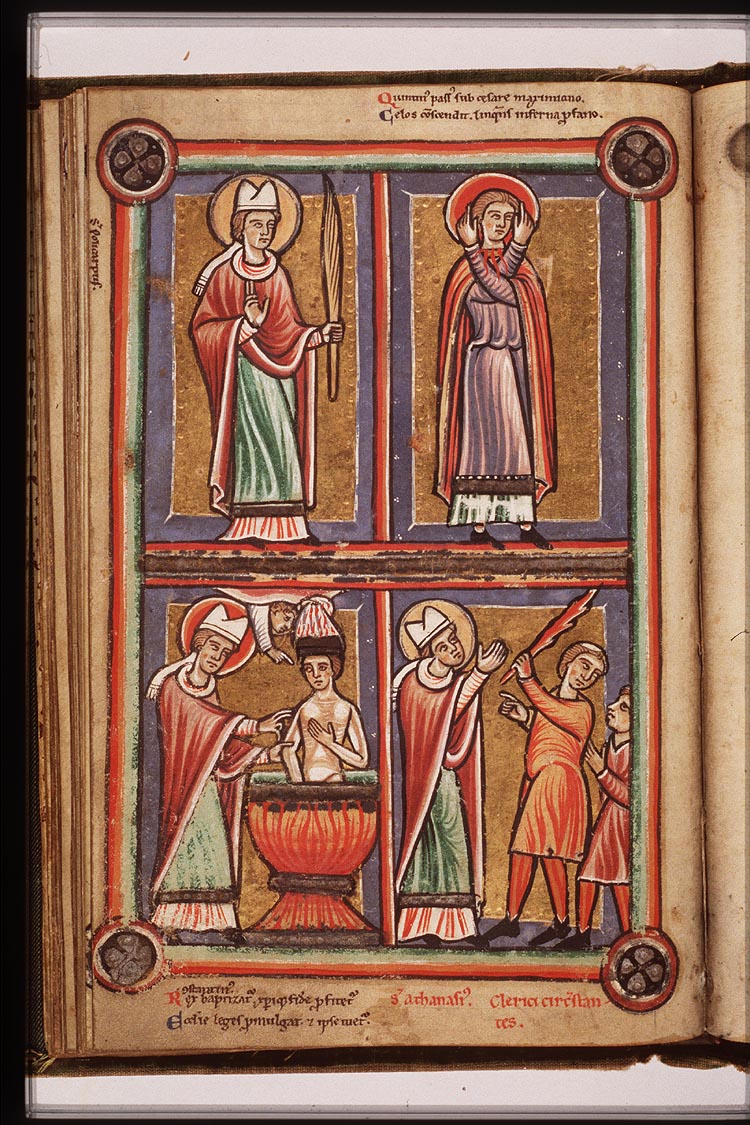 Painting
Secondary source
Constantine the Great Baptised by St Sylvester
c. 1200
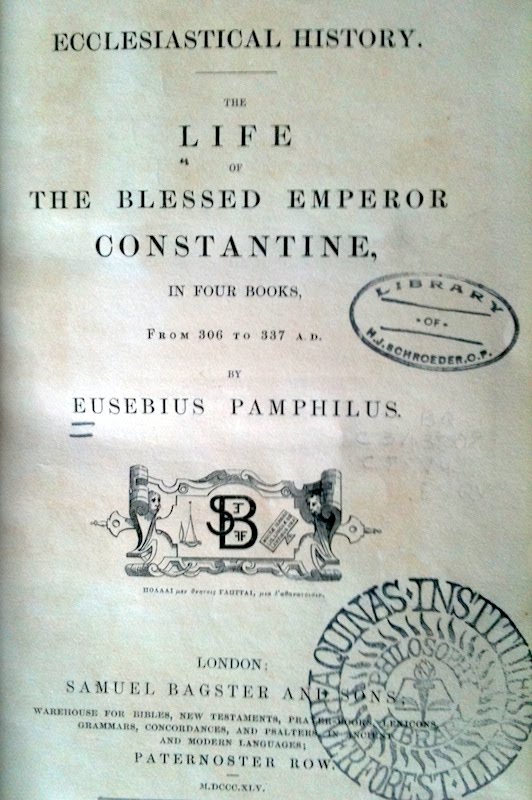 Book
Secondary source
Life of Constantine
Eusebius of Caesarea · 345
Ready when you are
Start chatting with Constantine the Great now.
20 messages free · No credit card · Available in 50+ languages.