


Primary sourceArtifact4th century CE
Sarcophagus Fragment Attributed to Constantine the Great
4th century CE
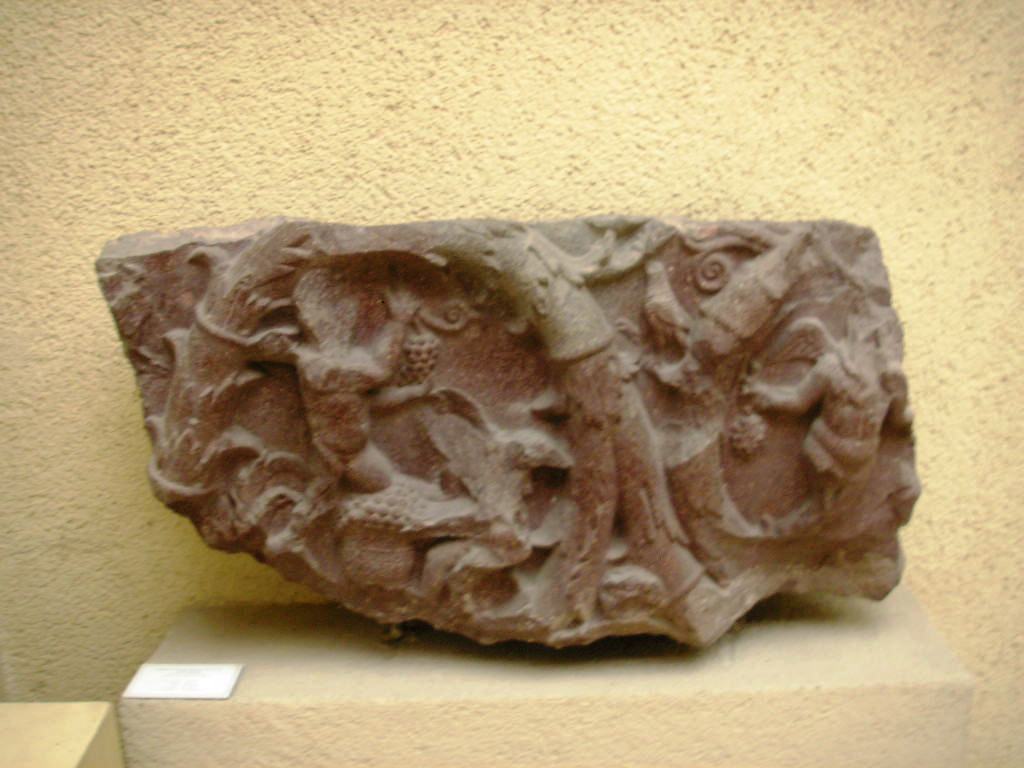
A porphyry sarcophagus fragment from Constantinople, tentatively linked to the burial of Constantine the Great.
A fragment tentatively attributed to Constantine's own tomb, offering physical evidence of his imperial burial.
About this source
What it is
This photograph shows a fragment of a sarcophagus carved from porphyry, a rare purple-red stone, made in Constantinople in the 4th century CE. It is tentatively attributed to the burial of the emperor Constantine the Great at the Church of the Holy Apostles.
Why it matters
Porphyry was reserved for emperors, so a fragment like this hints at the imperial status of whoever it was made for. If it truly belonged to Constantine's tomb, it connects directly to how the first Christian Roman emperor was honoured in death, though the attribution remains uncertain.
Look closer
- What can the choice of stone tell us about the person buried in this sarcophagus?
- Why do you think historians are only able to say 'tentatively attributed' rather than being certain?
- What is missing from this fragment that might help confirm whose tomb it came from?
This artifact is part of the curated material that grounds the AI version of Constantine the Great on Humy.ai — when students ask about related events, the AI can quote it and cite it.
More Constantine the Great sources
Meet the AI Constantine the Great →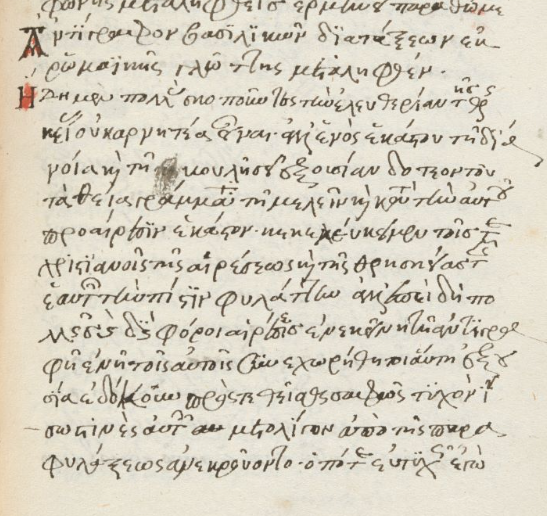 Document
Secondary source
Edict of Milan
Constantine the Great · 313 AD
 Artifact
Secondary source
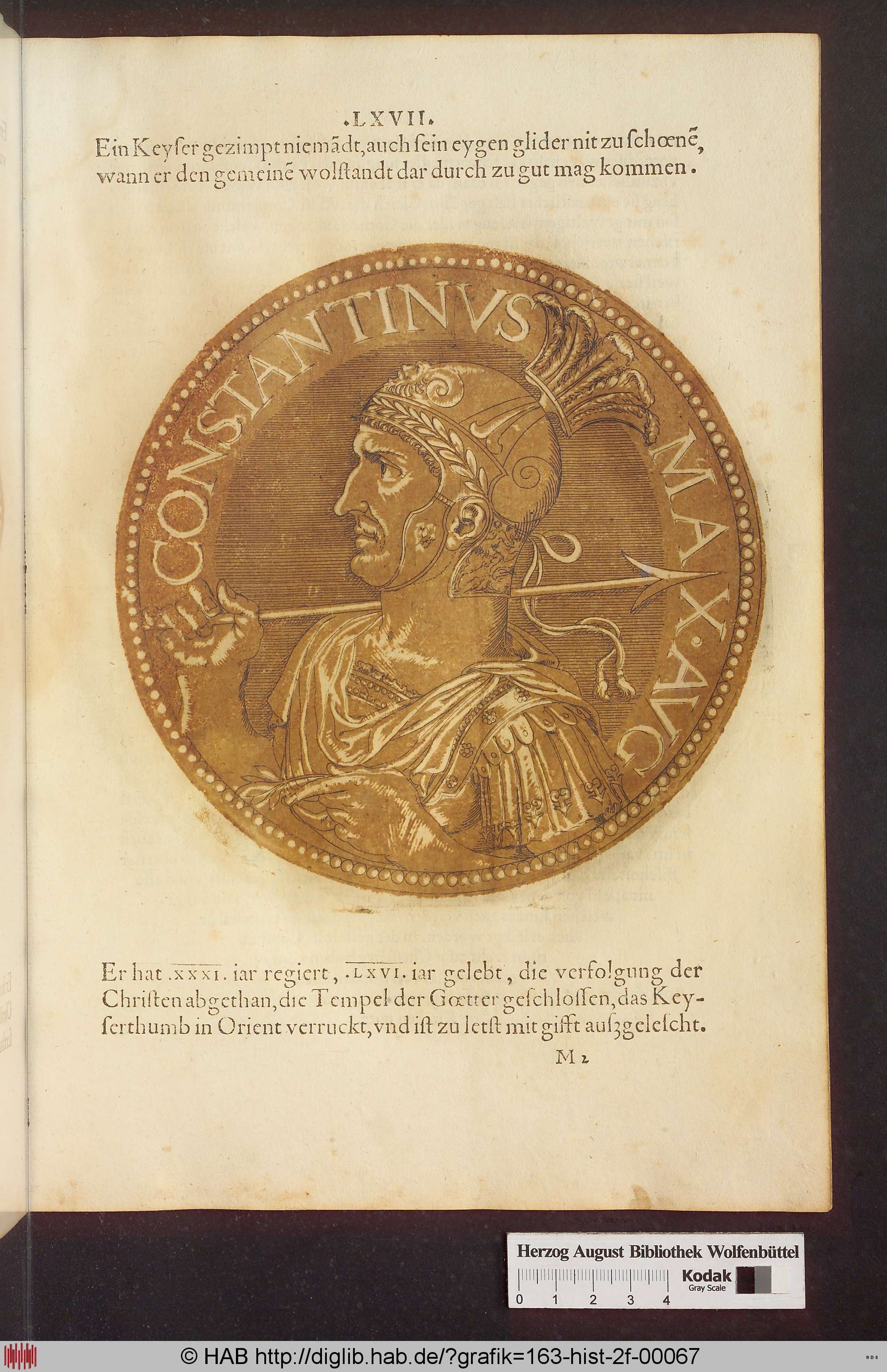
Woodcut Portrait of Constantine the Great
Josse van Gietleughen
 Artifact
Primary source
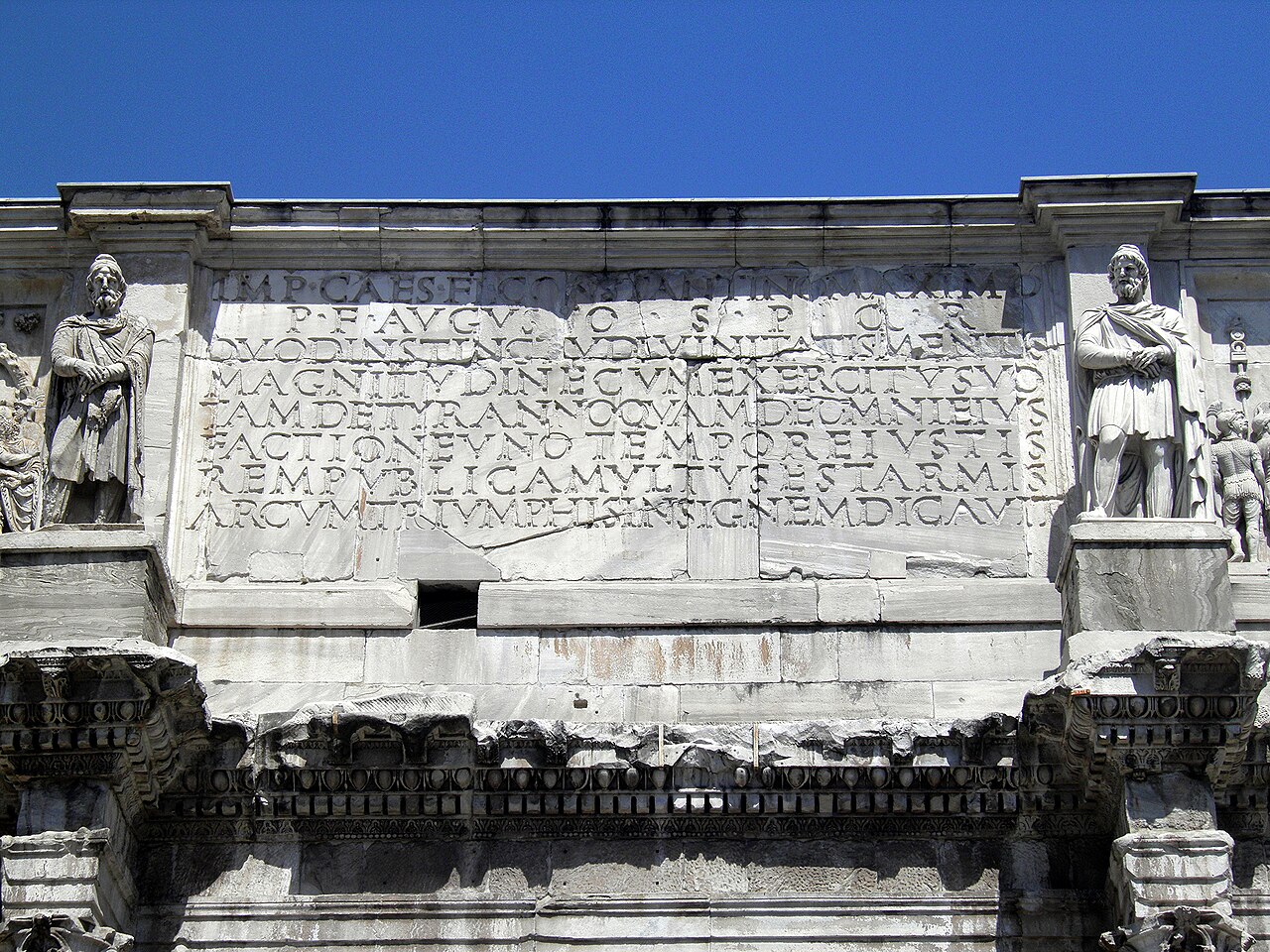
Arch of Constantine
Roman Senate · c. 312-315
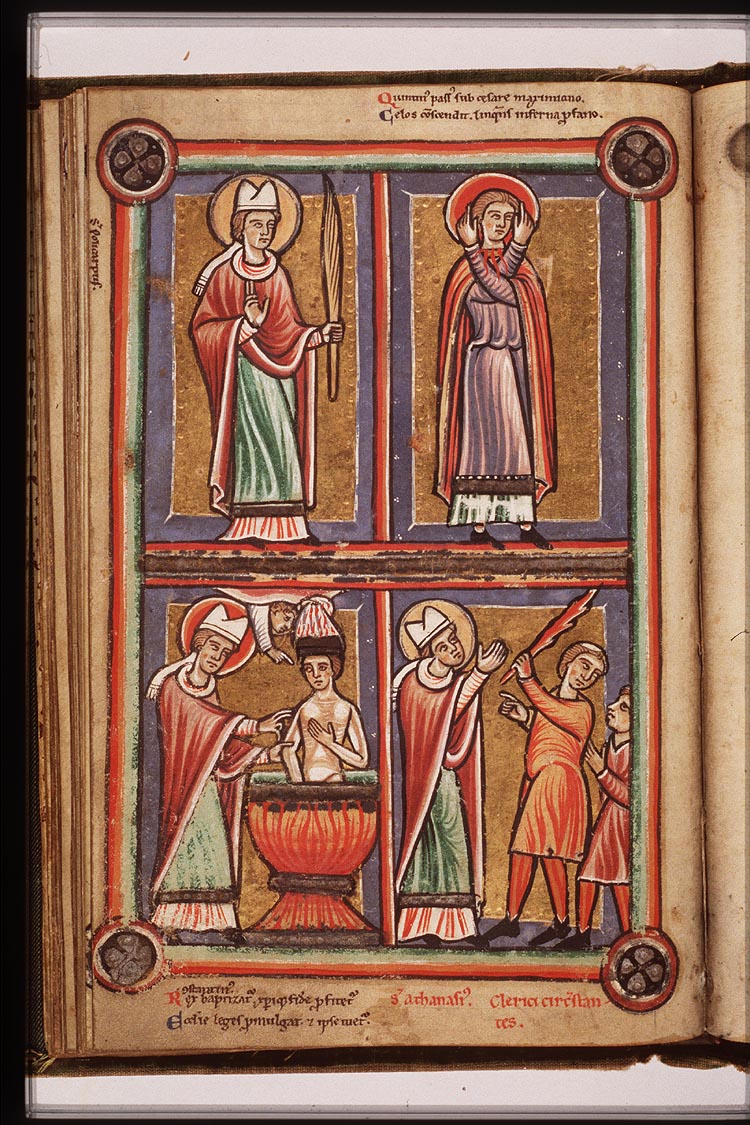 Painting
Secondary source
Constantine the Great Baptised by St Sylvester
c. 1200
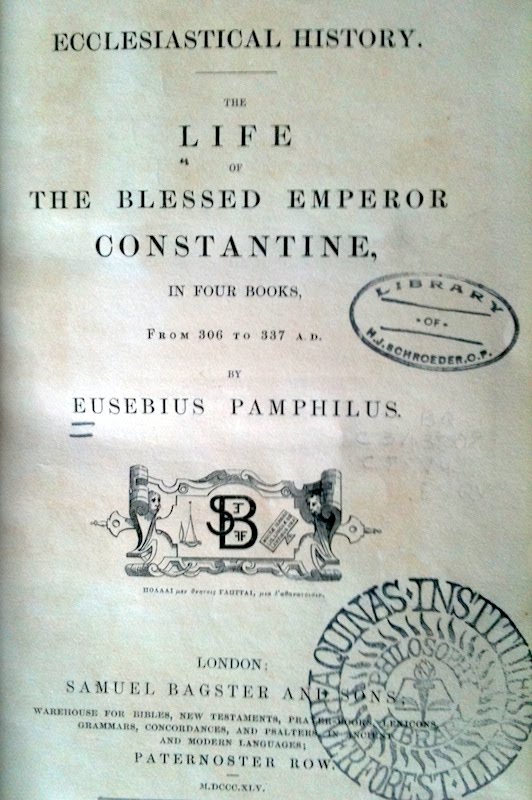 Book
Secondary source
Life of Constantine
Eusebius of Caesarea · 345
Ready when you are
Start chatting with Constantine the Great now.
20 messages free · No credit card · Available in 50+ languages.