


Primary sourceArtifact323 AD
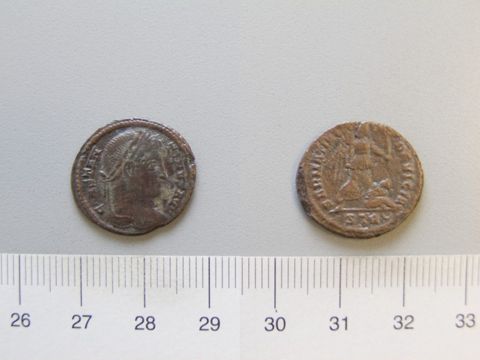
Nummus of Constantine I from Trier
323 AD
A bronze coin minted at Trier in 323 bearing the image of Constantine, found far away at Dura-Europos in Syria.
This bronze coin carries a portrait of Constantine, showing how his image circulated across the Roman Empire.
About this source
What it is
This is a small bronze coin, a nummus, minted in Trier in 323 showing a laureate portrait of the emperor Constantine I. It was excavated at Dura-Europos in Syria by a Yale-French archaeological team and is now held at the Yale University Art Gallery.
Why it matters
Everyday coins like this one were how most people across the Roman Empire actually saw the emperor's face, since few would ever see him in person. Finding a coin minted in Trier, in what is now Germany, all the way at Dura-Europos on the eastern frontier shows just how far Constantine's image and Roman currency travelled across his empire.
Look closer
- Why would an emperor want his portrait on every coin in circulation?
- What does the long distance between where this coin was made and where it was found tell us about Roman trade and administration?
- What can a small coin tell us that a grand monument cannot?
This artifact is part of the curated material that grounds the AI version of Constantine the Great on Humy.ai — when students ask about related events, the AI can quote it and cite it.
More Constantine the Great sources
Meet the AI Constantine the Great →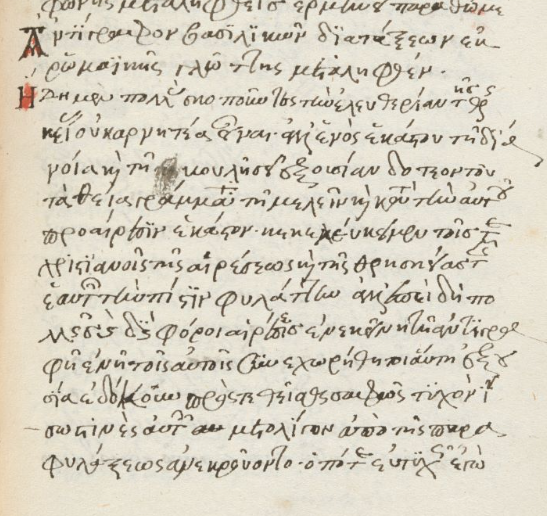 Document
Secondary source
Edict of Milan
Constantine the Great · 313 AD
 Artifact
Secondary source
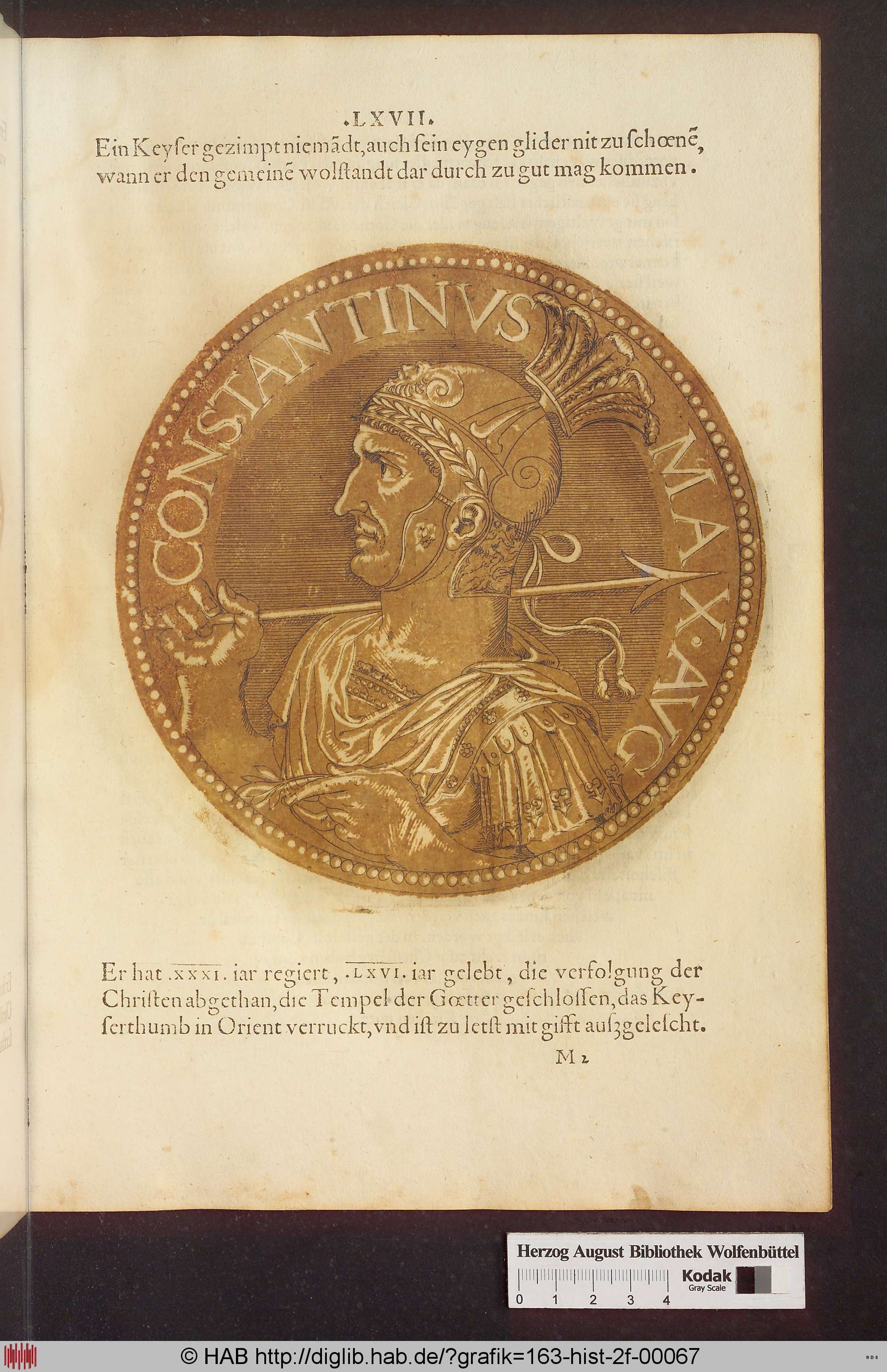
Woodcut Portrait of Constantine the Great
Josse van Gietleughen
 Artifact
Primary source
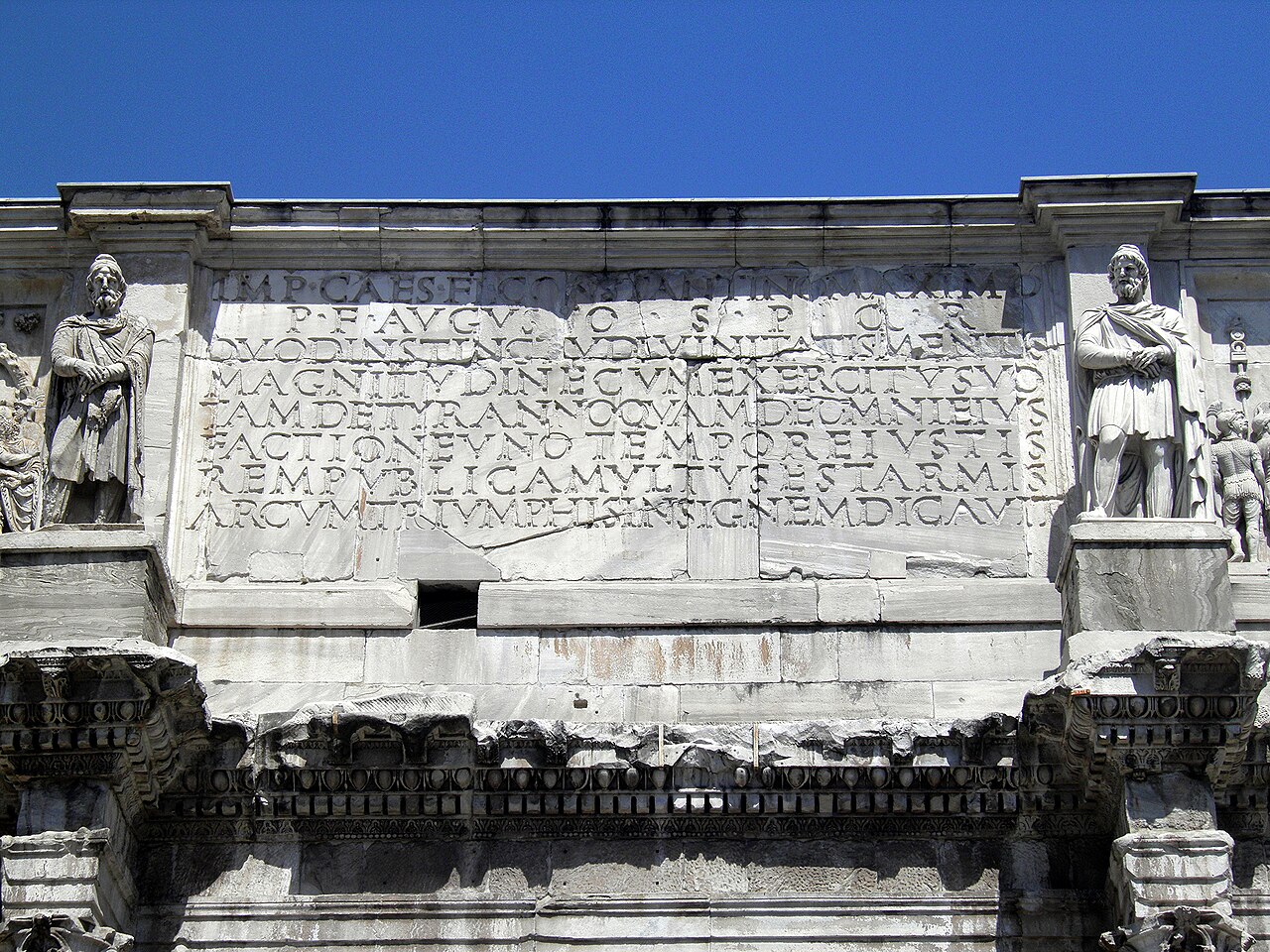
Arch of Constantine
Roman Senate · c. 312-315
 Painting
Secondary source
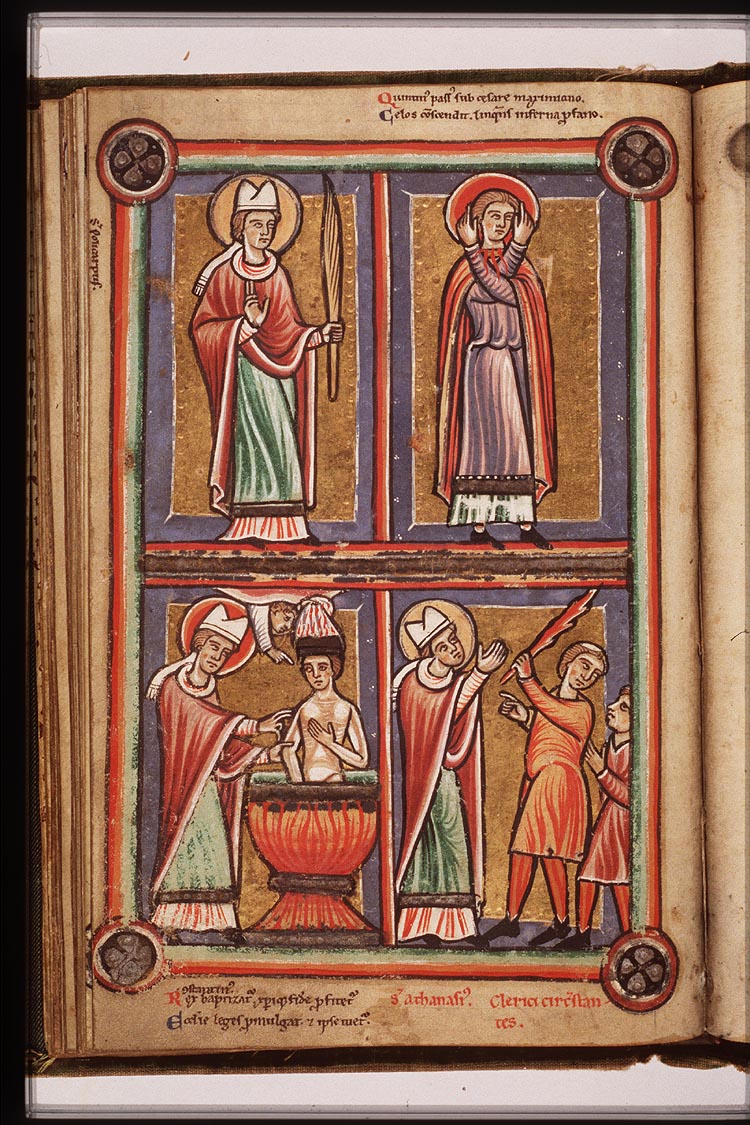
Constantine the Great Baptised by St Sylvester
c. 1200
 Book
Secondary source
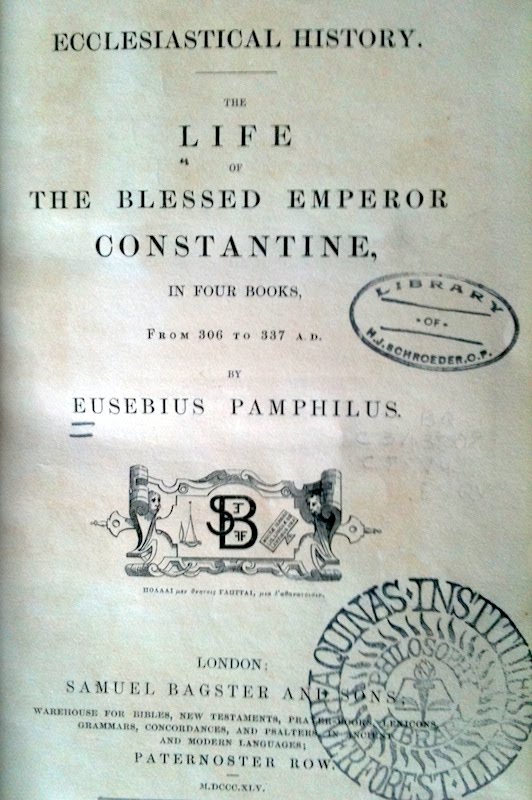
Life of Constantine
Eusebius of Caesarea · 345
Ready when you are
Start chatting with Constantine the Great now.
20 messages free · No credit card · Available in 50+ languages.