


Primary sourceArtifactc. 309-337
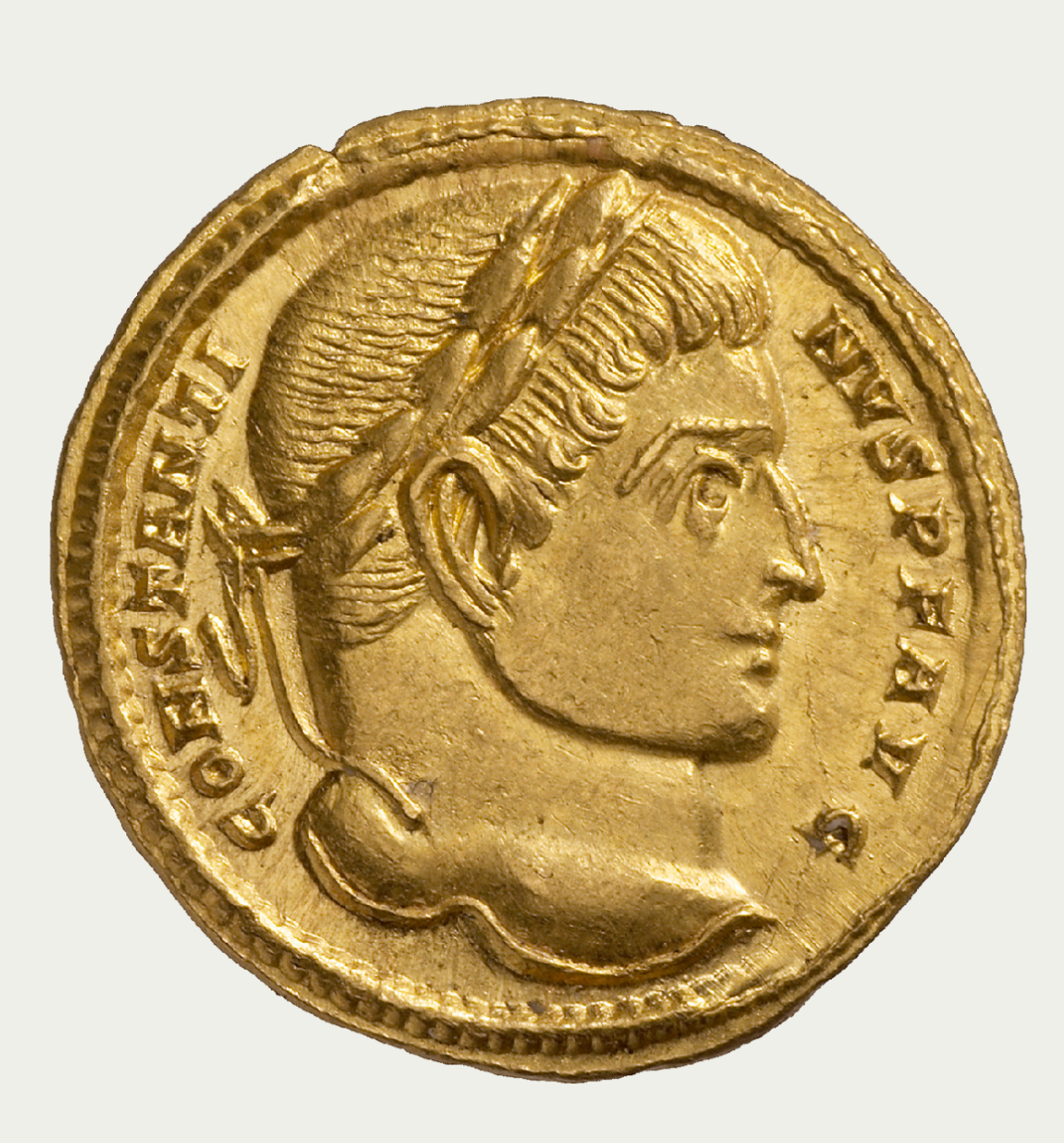
Solidus of Constantine I
Imperial mints · c. 309-337
A gold coin introduced by Constantine that stabilised the Roman currency and bears his portrait.
Constantine commissioned this gold coin, which carried his own portrait and stabilised Roman currency.
About this source
What it is
A gold coin called the solidus, struck by imperial mints under Constantine from around 309-337. It shows a laureate bust of the emperor and is held today in collections such as the British Museum.
Why it matters
Constantine's solidus replaced older, weaker coinage after a long period of financial instability in the Roman Empire. It became the standard gold coin for centuries, showing how Constantine reshaped the empire's economy as well as its religion and government.
Look closer
- What does the choice to put his own portrait on money tell you about how Constantine wanted to be seen?
- Why might a stable currency matter as much as military victories?
- What is lost or left out when we only know a ruler through an official coin image?
This artifact is part of the curated material that grounds the AI version of Constantine the Great on Humy.ai — when students ask about related events, the AI can quote it and cite it.
More Constantine the Great sources
Meet the AI Constantine the Great →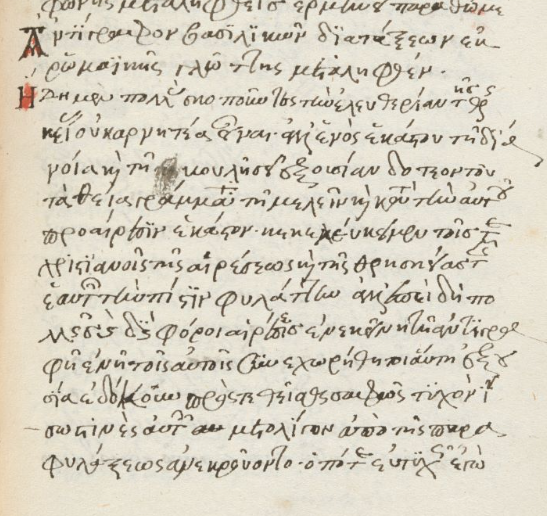 Document
Secondary source
Edict of Milan
Constantine the Great · 313 AD
 Artifact
Secondary source
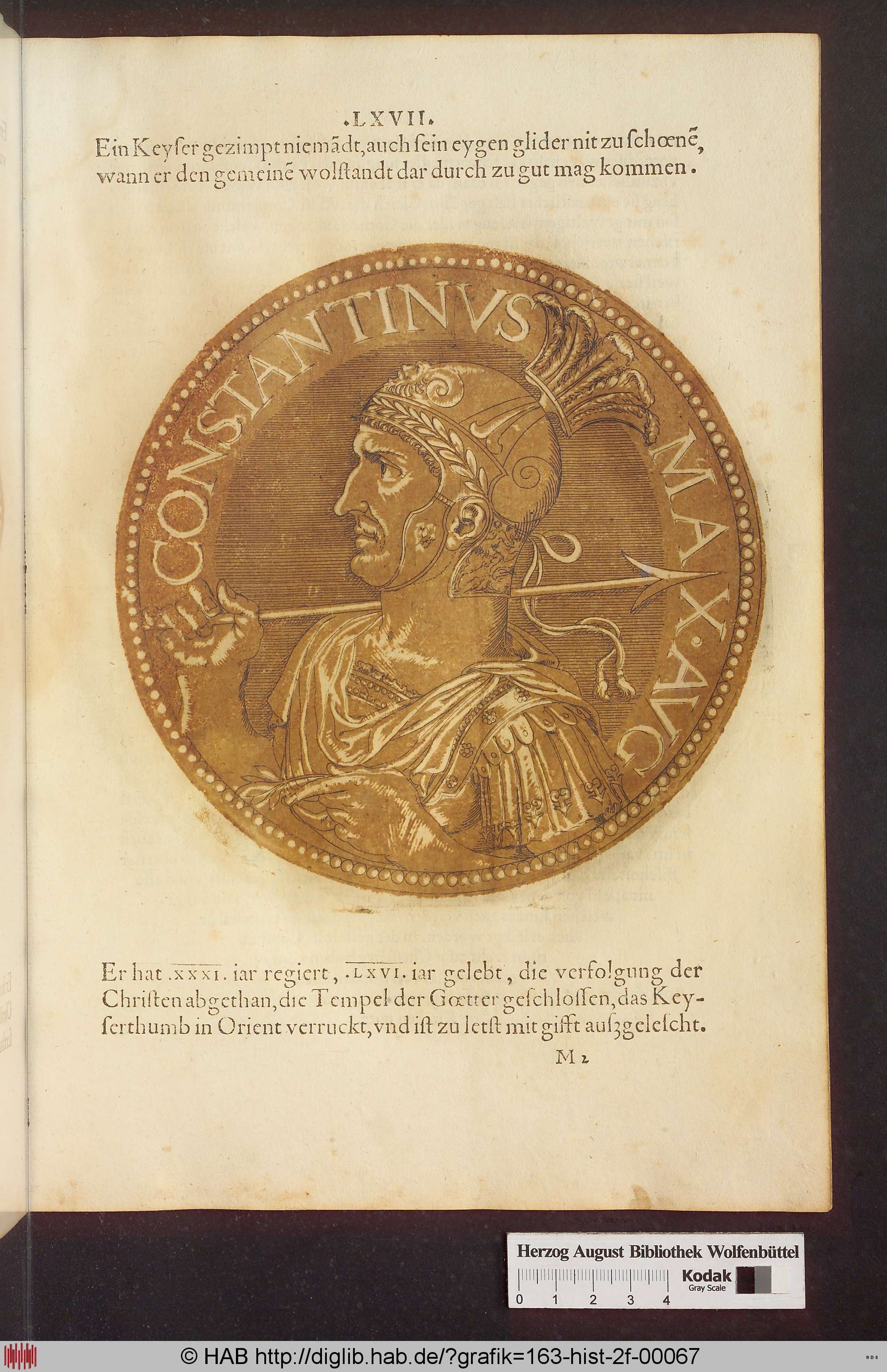
Woodcut Portrait of Constantine the Great
Josse van Gietleughen
 Artifact
Primary source
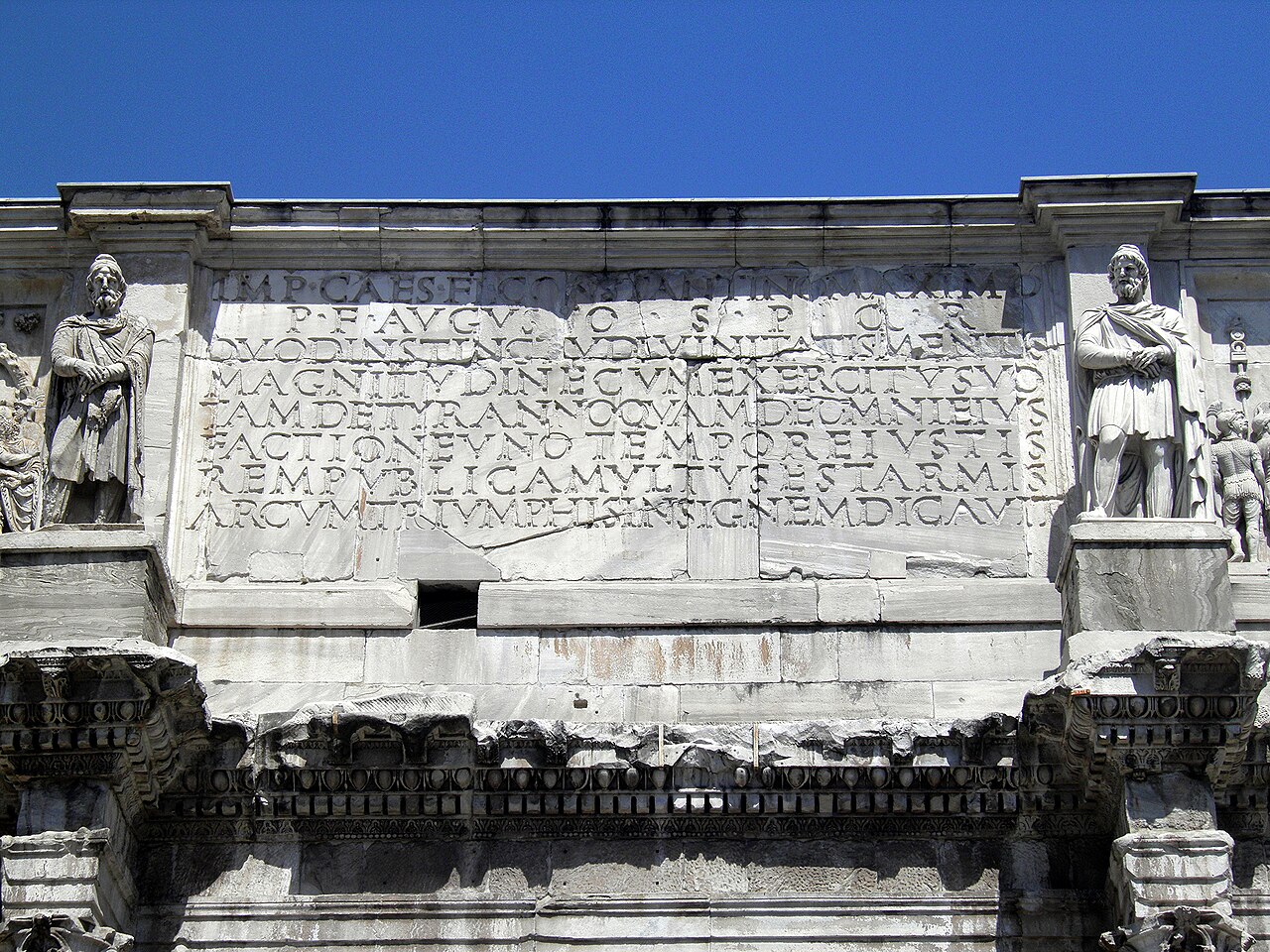
Arch of Constantine
Roman Senate · c. 312-315
 Painting
Secondary source
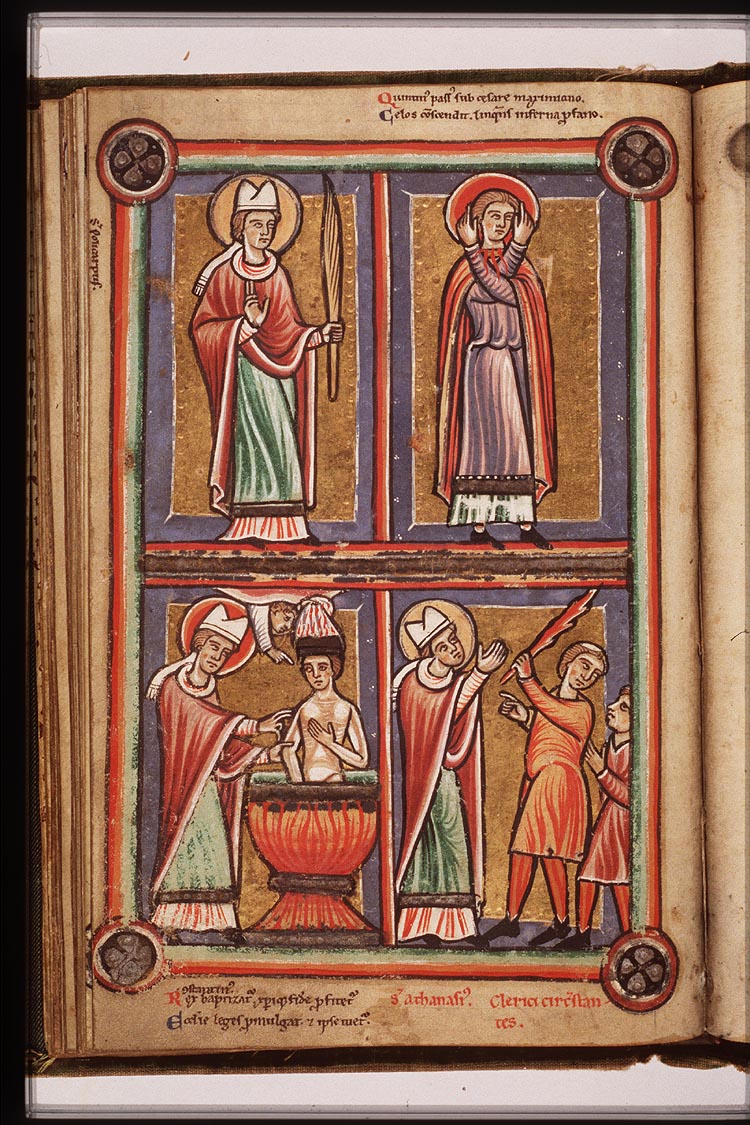
Constantine the Great Baptised by St Sylvester
c. 1200
 Book
Secondary source
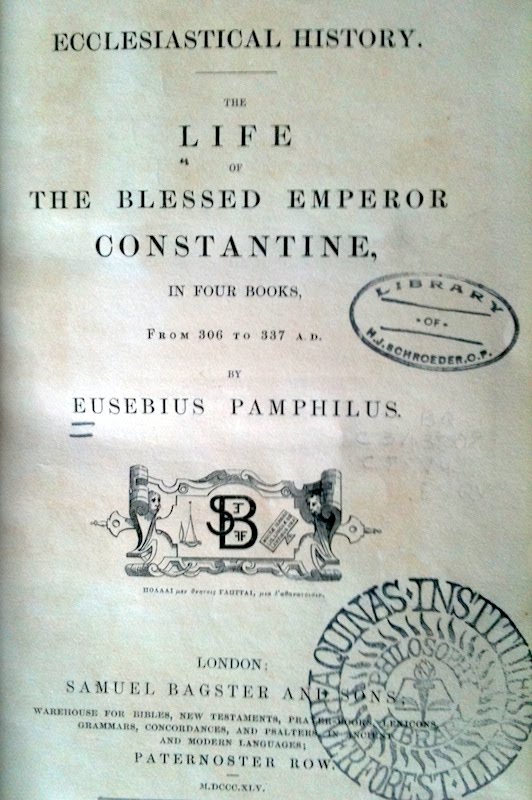
Life of Constantine
Eusebius of Caesarea · 345
Ready when you are
Start chatting with Constantine the Great now.
20 messages free · No credit card · Available in 50+ languages.