


Primary sourceArtifact4th century AD
Sarcophagi of Helena and Constantina
4th century AD
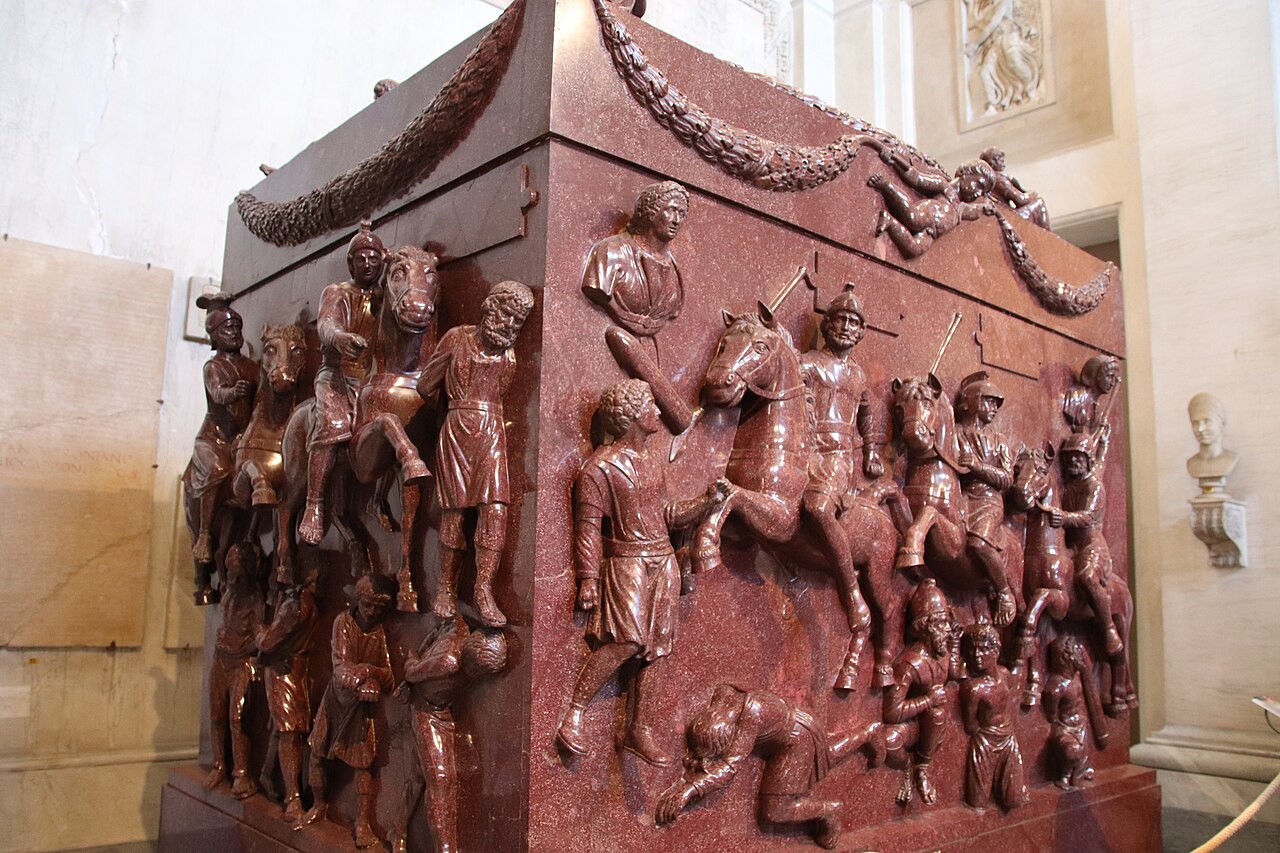
Two fourth-century porphyry sarcophagi, one likely made for Constantine himself and used for his mother Helena, the other for his daughter Constantina.
The sarcophagus carved with battle scenes was probably commissioned for Constantine before being used to bury his mother Helena.
About this source
What it is
These are two large stone coffins carved from Egyptian porphyry, a stone reserved for the finest Roman imperial monuments. One housed the body of Helena, Constantine's mother, after her death; it is thought it may originally have been made for Constantine himself. The other held the body of Constantina, Constantine's daughter. Both are now in the Vatican Museums.
Why it matters
The sarcophagi reveal the wealth and status of Constantine's family. Helena's coffin is carved with scenes of Roman cavalry defeating captured enemies, imagery usually linked with military emperors rather than a devout Christian woman, raising questions about whether it was repurposed. Constantina's sarcophagus shows cupids harvesting grapes, pagan-looking imagery later read by some as a Christian reference to the Eucharist. Together they show how Constantine's family blended old Roman imperial symbols with the new Christian identity of the dynasty.
Look closer
- Why might battle imagery meant for an emperor end up on his mother's coffin?
- How might the same picture of grape-harvesting cupids be read differently by a pagan and a Christian viewer?
- What does the material, porphyry, tell us about the status of the people buried in these sarcophagi?
This artifact is part of the curated material that grounds the AI version of Constantine the Great on Humy.ai — when students ask about related events, the AI can quote it and cite it.
More Constantine the Great sources
Meet the AI Constantine the Great →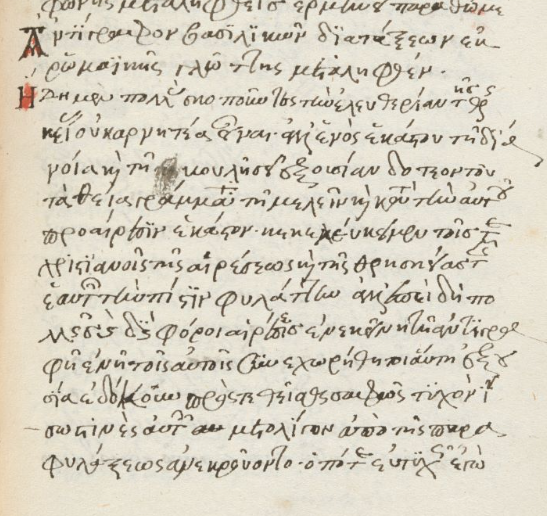 Document
Secondary source
Edict of Milan
Constantine the Great · 313 AD
 Artifact
Secondary source
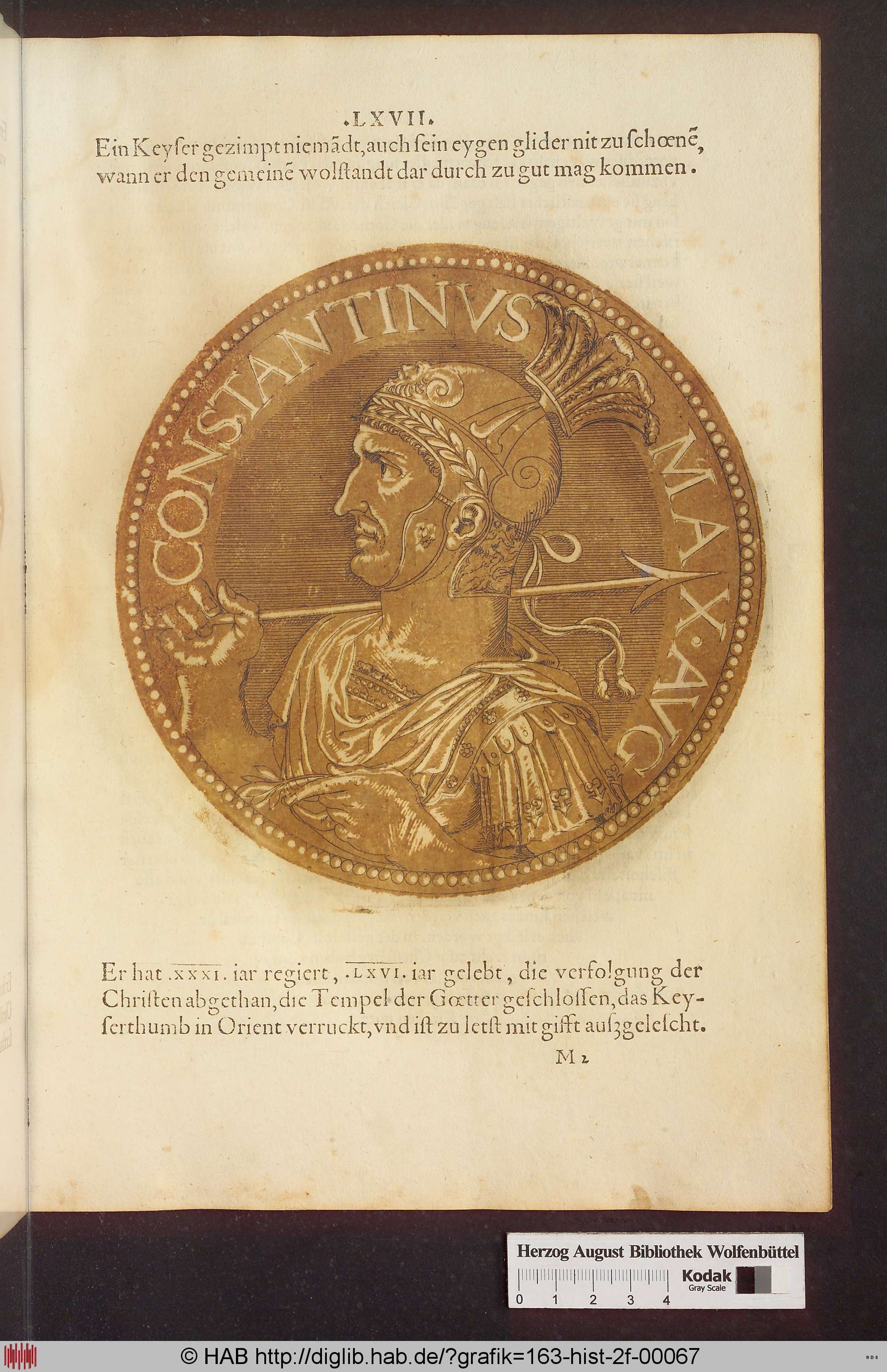
Woodcut Portrait of Constantine the Great
Josse van Gietleughen
 Artifact
Primary source
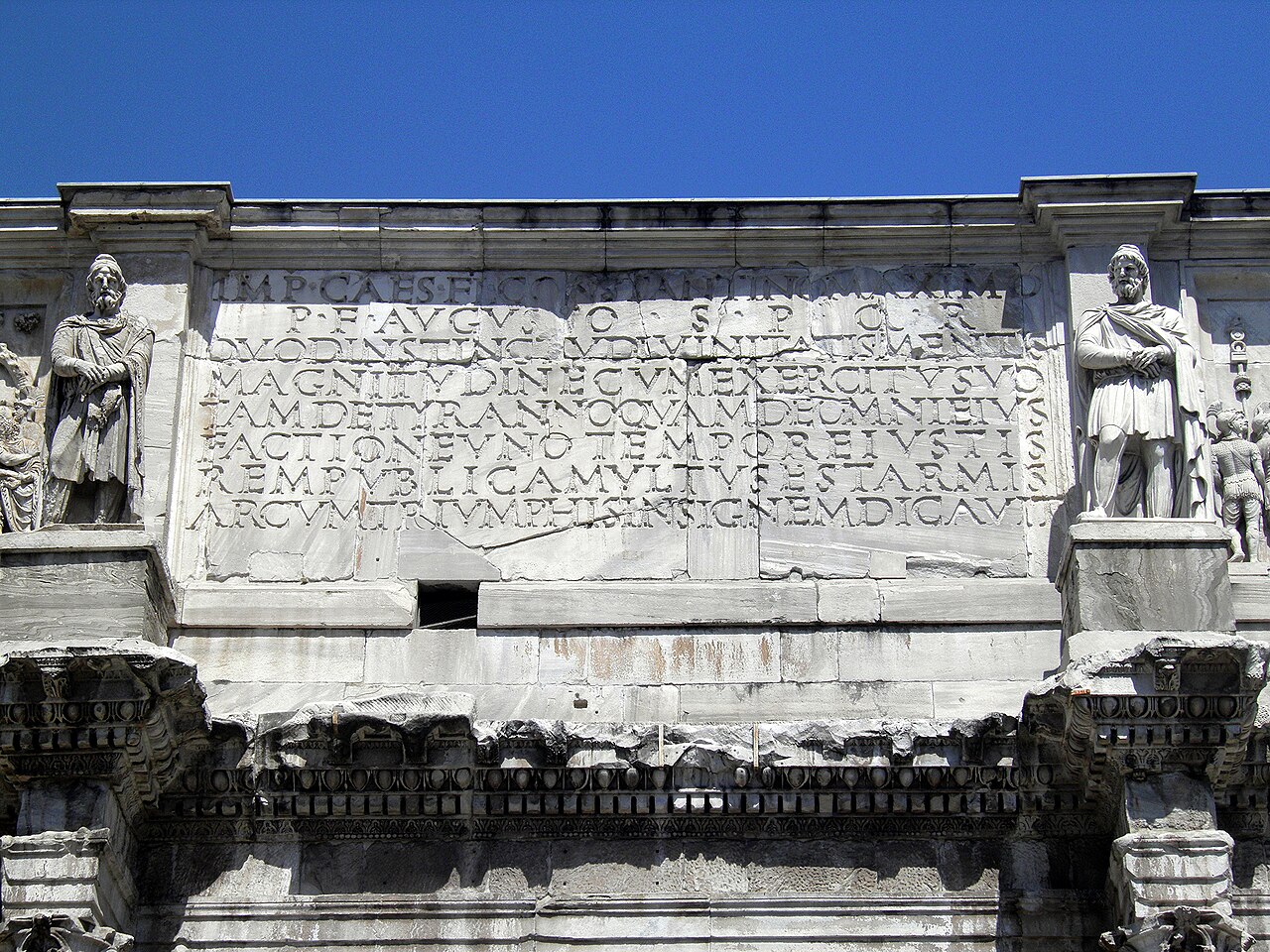
Arch of Constantine
Roman Senate · c. 312-315
 Painting
Secondary source
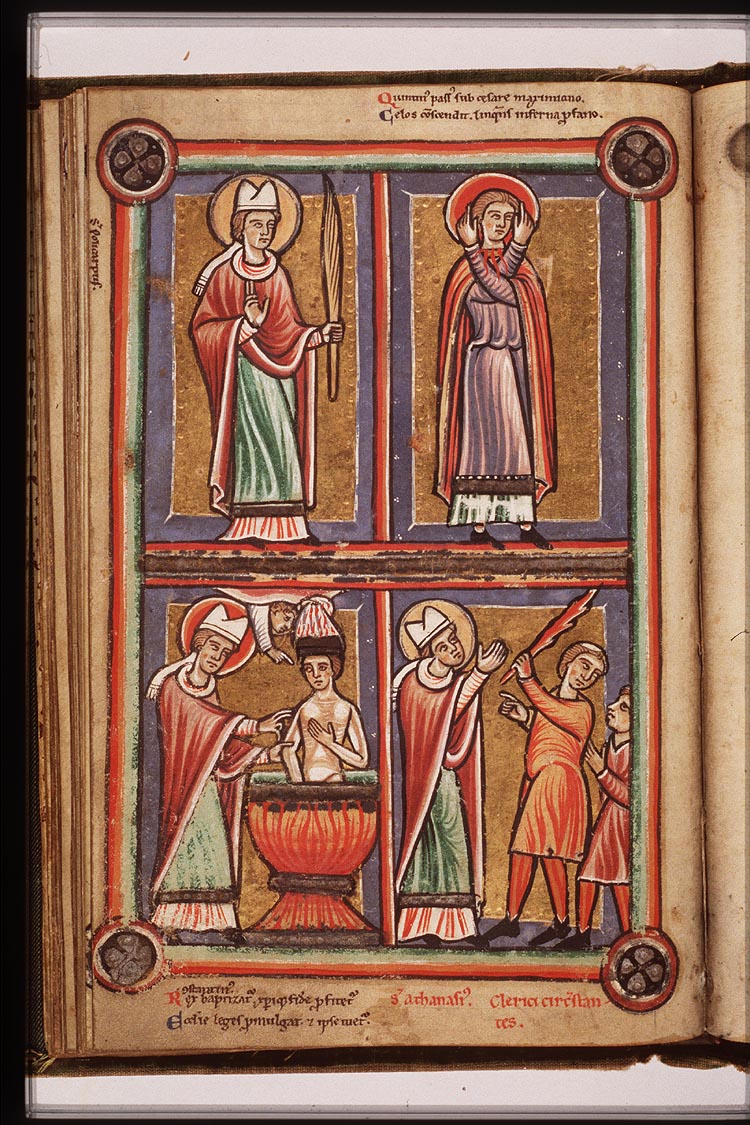
Constantine the Great Baptised by St Sylvester
c. 1200
 Book
Secondary source
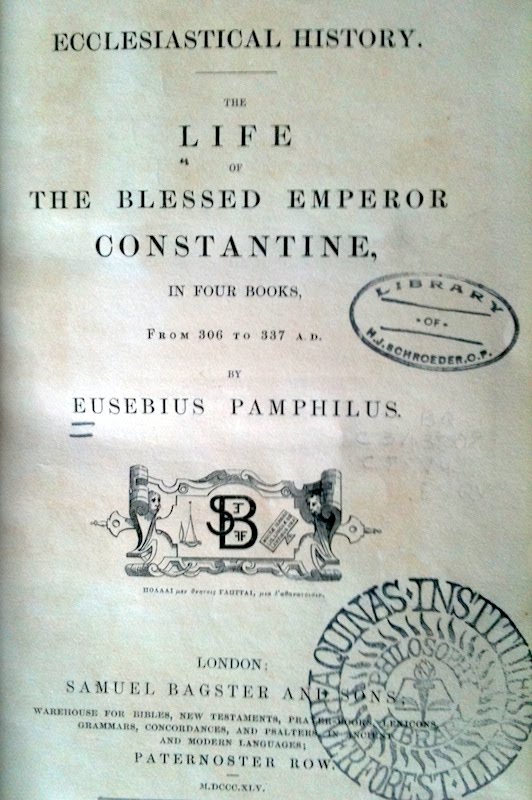
Life of Constantine
Eusebius of Caesarea · 345
Ready when you are
Start chatting with Constantine the Great now.
20 messages free · No credit card · Available in 50+ languages.