


Secondary sourcePainting1622
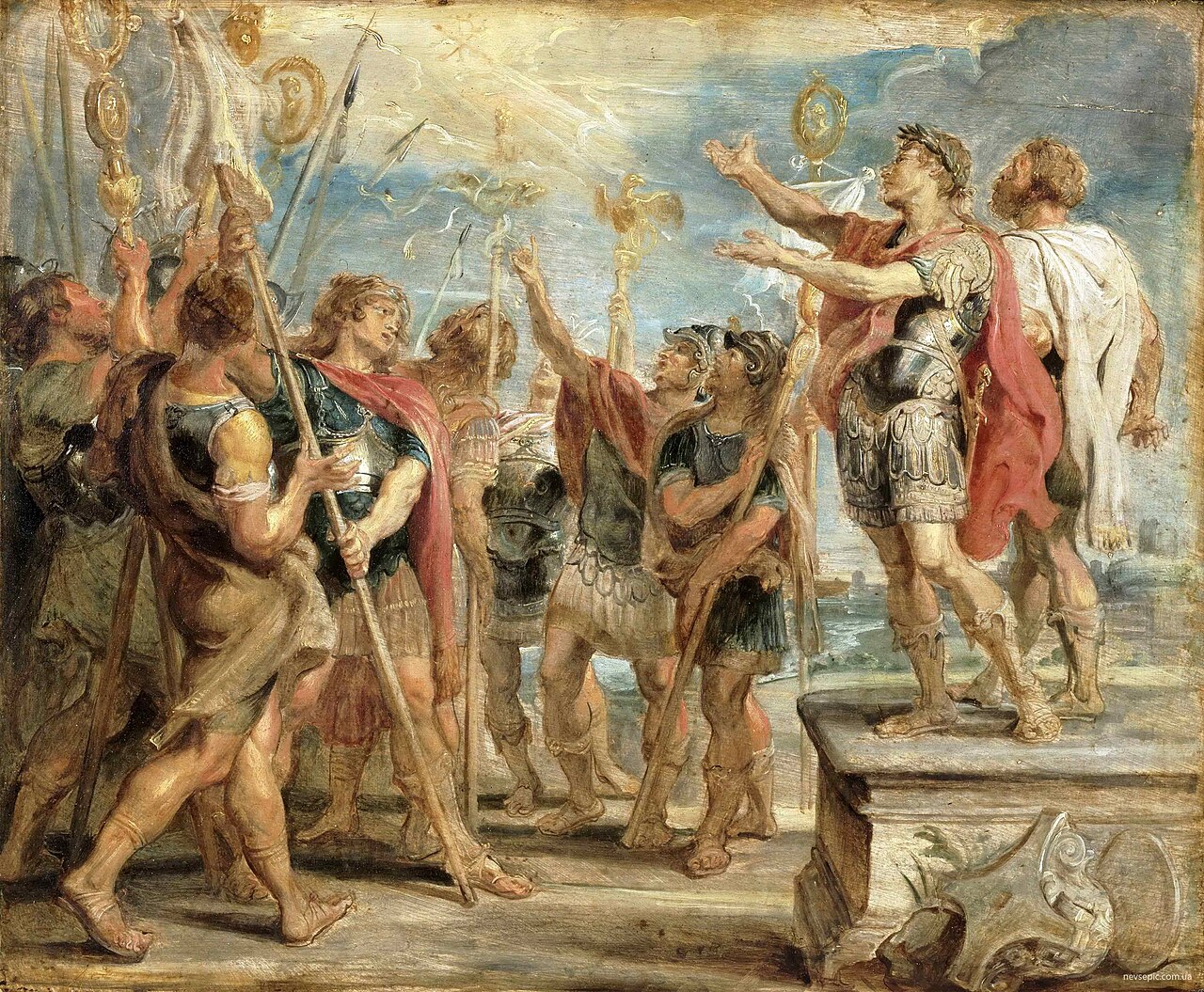
The Emblem of Christ Appearing to Constantine
Peter Paul Rubens · 1622
A Baroque painting by Peter Paul Rubens depicting the legendary vision that led Constantine to convert to Christianity.
A Baroque depiction of the legendary vision said to have led Constantine to Christianity.
About this source
What it is
This painting was made by Peter Paul Rubens in 1622, over a thousand years after Constantine's lifetime. It shows a Roman emperor in armor, arms raised toward the sky, where a chi-rho symbol — associated with Christ — appears, while soldiers look on in wonder.
Why it matters
The painting illustrates the legend of Constantine's vision before a key battle, which later Christian tradition credited with leading to his conversion. Rubens, a major Baroque artist, painted this scene long after the event, showing how the story of Constantine's conversion remained powerful centuries later.
Look closer
- What is the emperor doing with his body and face, and what emotion does that suggest?
- Why might an artist working over a thousand years after Constantine choose to paint this dramatic moment?
- What does the painting tell us about Rubens's time rather than about Constantine's own era?
This painting is part of the curated material that grounds the AI version of Constantine the Great on Humy.ai — when students ask about related events, the AI can quote it and cite it.
More Constantine the Great sources
Meet the AI Constantine the Great →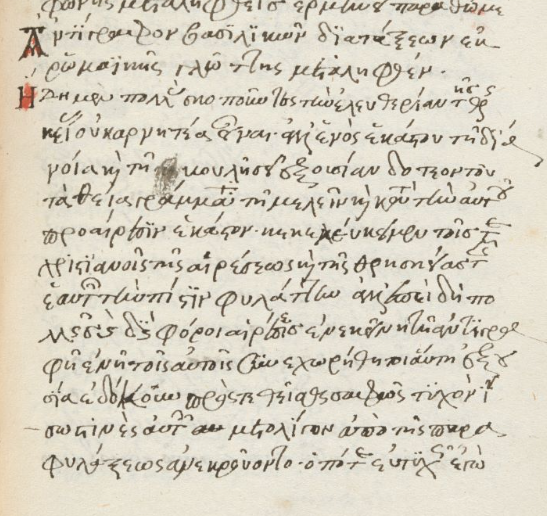 Document
Secondary source
Edict of Milan
Constantine the Great · 313 AD
 Artifact
Secondary source
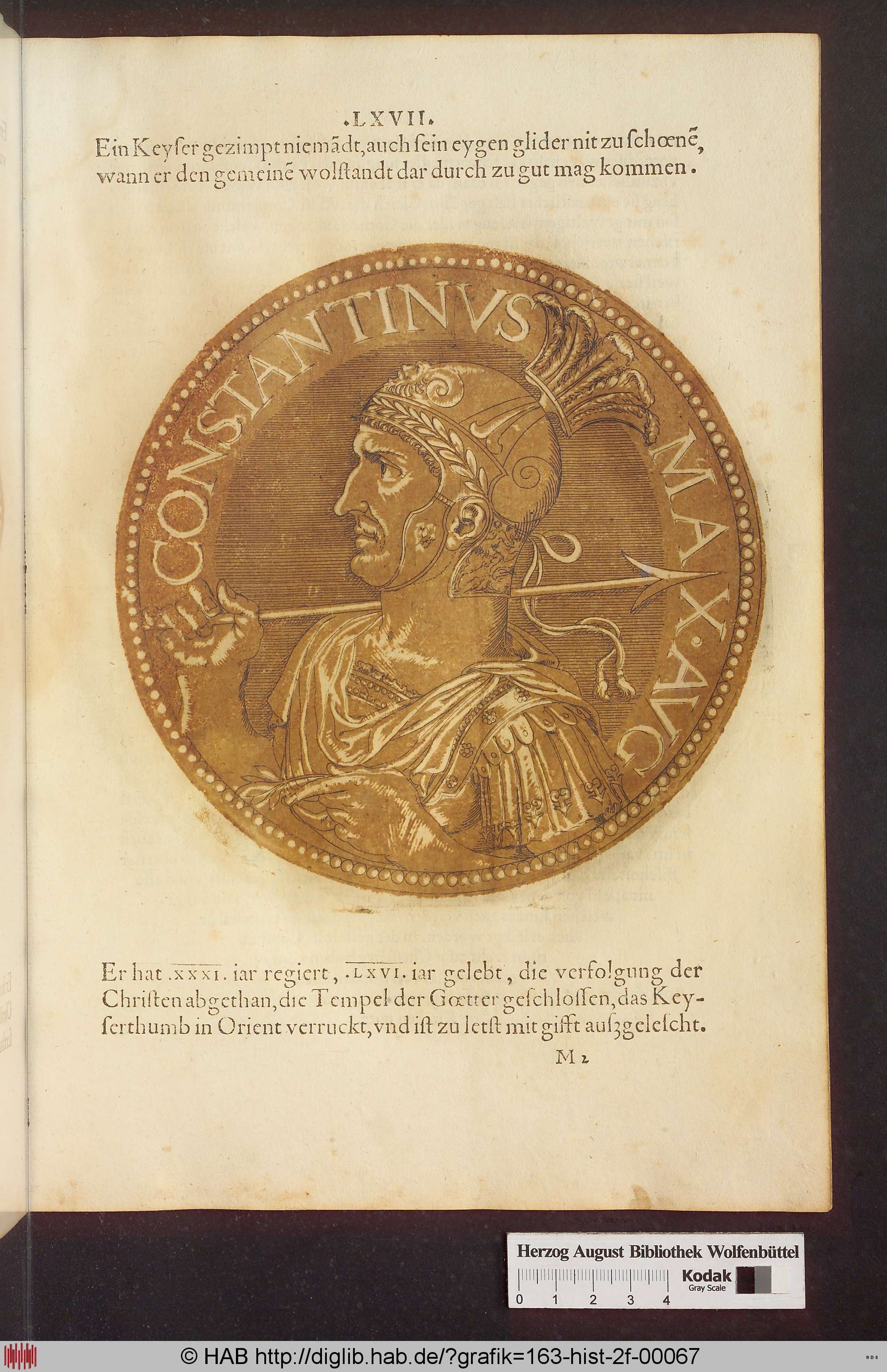
Woodcut Portrait of Constantine the Great
Josse van Gietleughen
 Artifact
Primary source
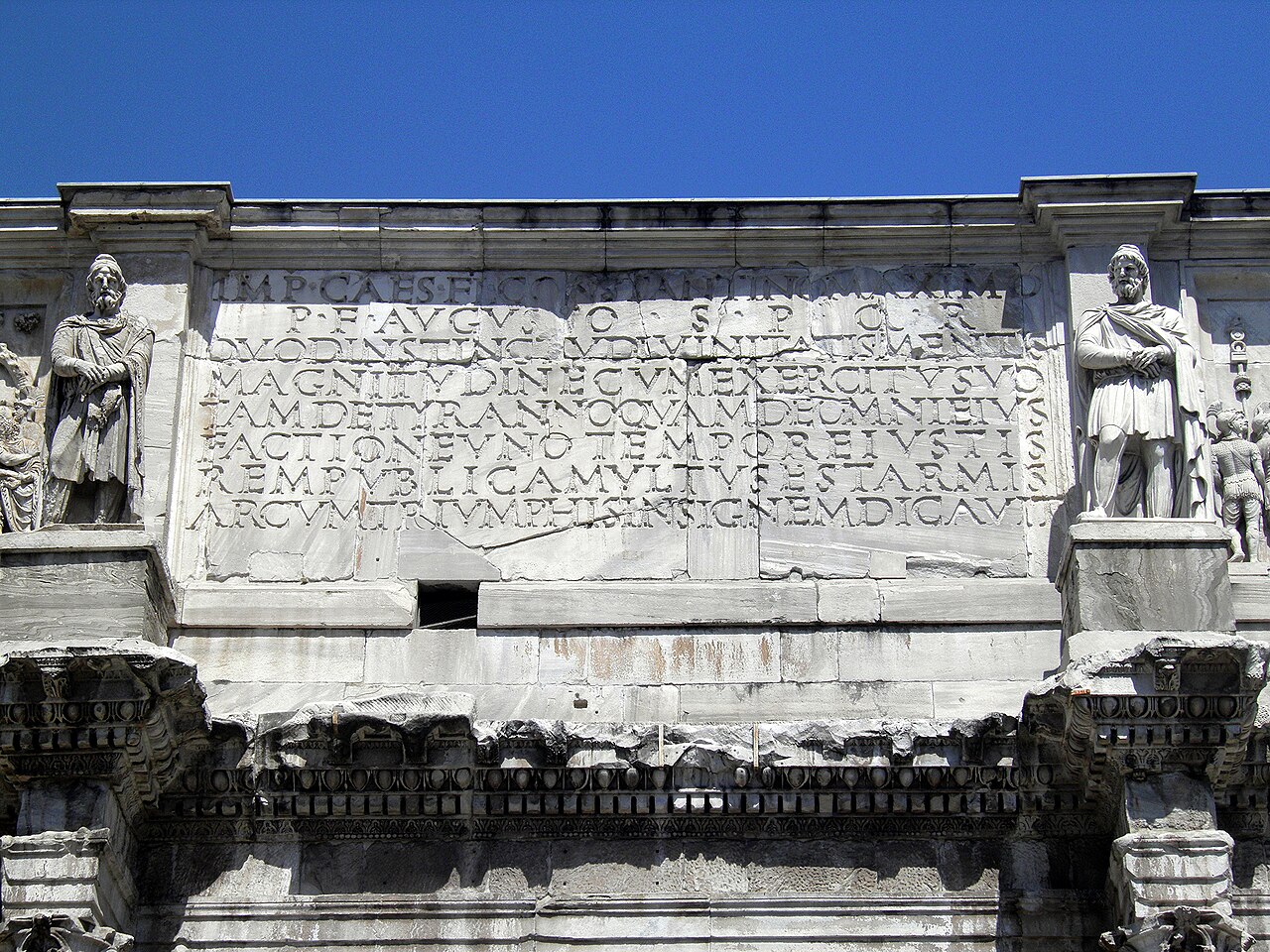
Arch of Constantine
Roman Senate · c. 312-315
 Painting
Secondary source
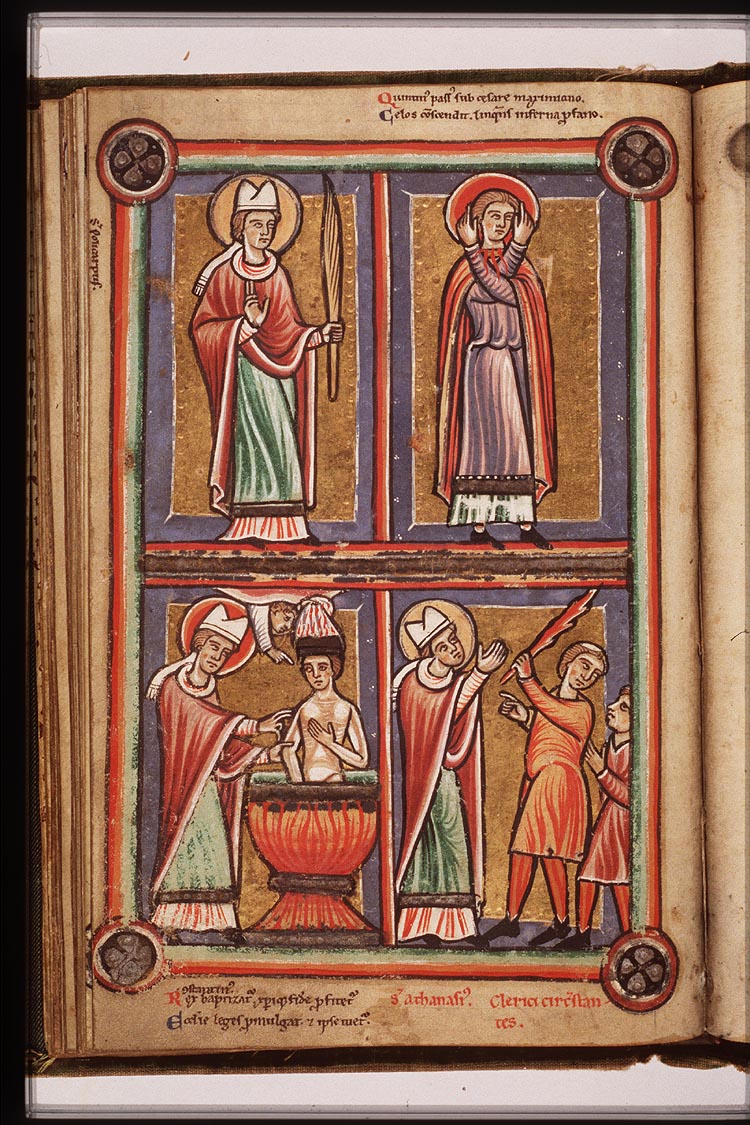
Constantine the Great Baptised by St Sylvester
c. 1200
 Book
Secondary source
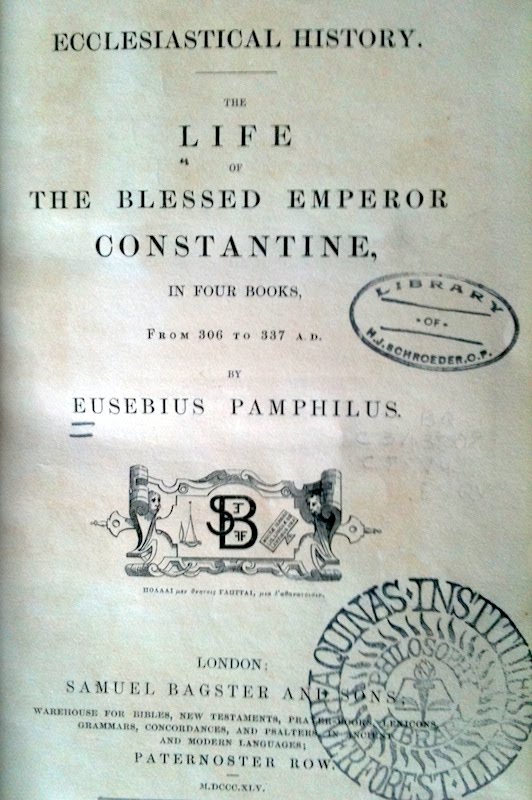
Life of Constantine
Eusebius of Caesarea · 345
Ready when you are
Start chatting with Constantine the Great now.
20 messages free · No credit card · Available in 50+ languages.