


Secondary sourcePainting
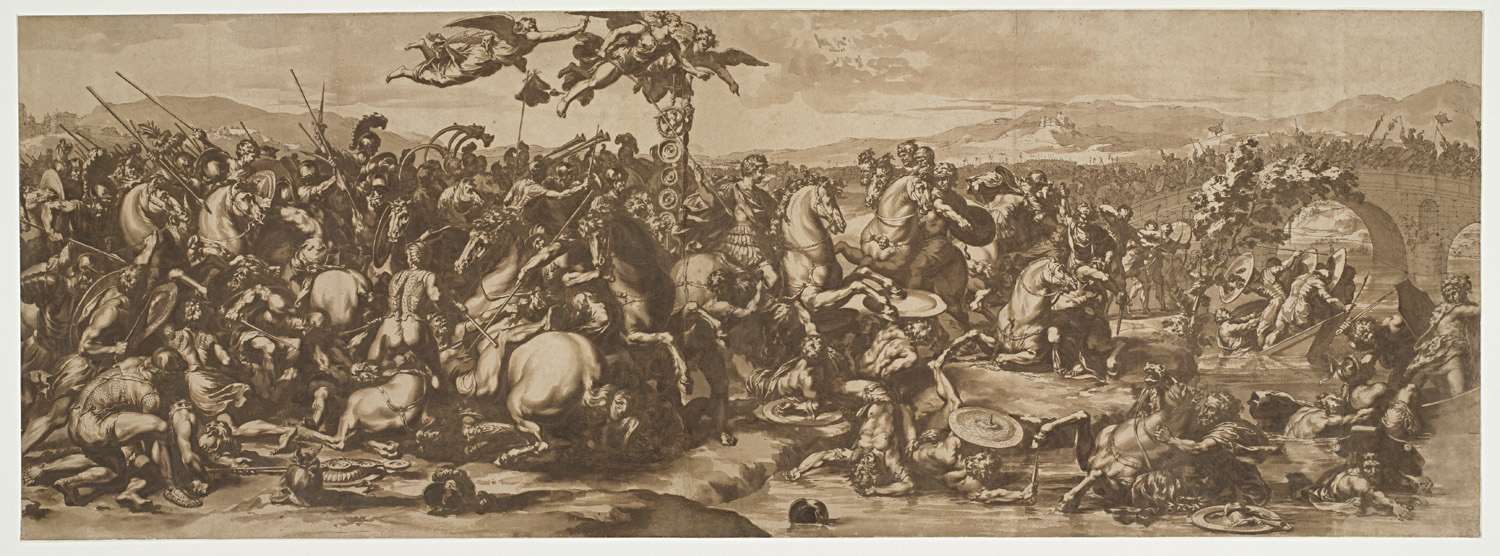
Constantine the Great Vanquishing the Tyrant Maxentius
Jan de Bisschop
A drawing copying a Vatican fresco scene of Constantine's victory over Maxentius at the Milvian Bridge, after designs linked to Raphael.
Depicts Constantine's victory at the Milvian Bridge, a turning point later linked to his rise and his Christian reputation.
About this source
What it is
This drawing by Jan de Bisschop is a careful copy of a large fresco in the Vatican, painted by Giulio Romano using sketches by Raphael. De Bisschop never saw the fresco itself, but worked from engravings of it that circulated in his time. It is held today by the Rijksmuseum.
Why it matters
The scene shows Constantine's famous victory at the Milvian Bridge, a battle later linked to his rise to power and his support for Christianity. The drawing shows how artists across centuries - Raphael, Giulio Romano, and later de Bisschop - kept reimagining and copying this dramatic moment from Roman history.
Look closer
- What makes this scene look dramatic and chaotic, and how does the artist draw your eye to Constantine?
- Why might de Bisschop have chosen to copy a famous fresco rather than invent his own scene?
- What does this image leave out about the real battle and its consequences?
This painting is part of the curated material that grounds the AI version of Constantine the Great on Humy.ai — when students ask about related events, the AI can quote it and cite it.
More Constantine the Great sources
Meet the AI Constantine the Great →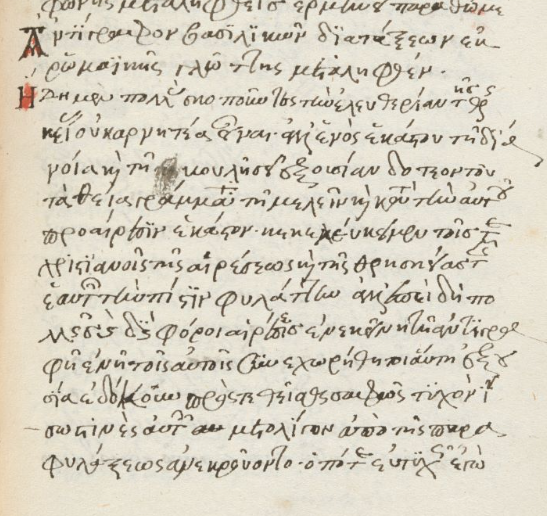 Document
Secondary source
Edict of Milan
Constantine the Great · 313 AD
 Artifact
Secondary source
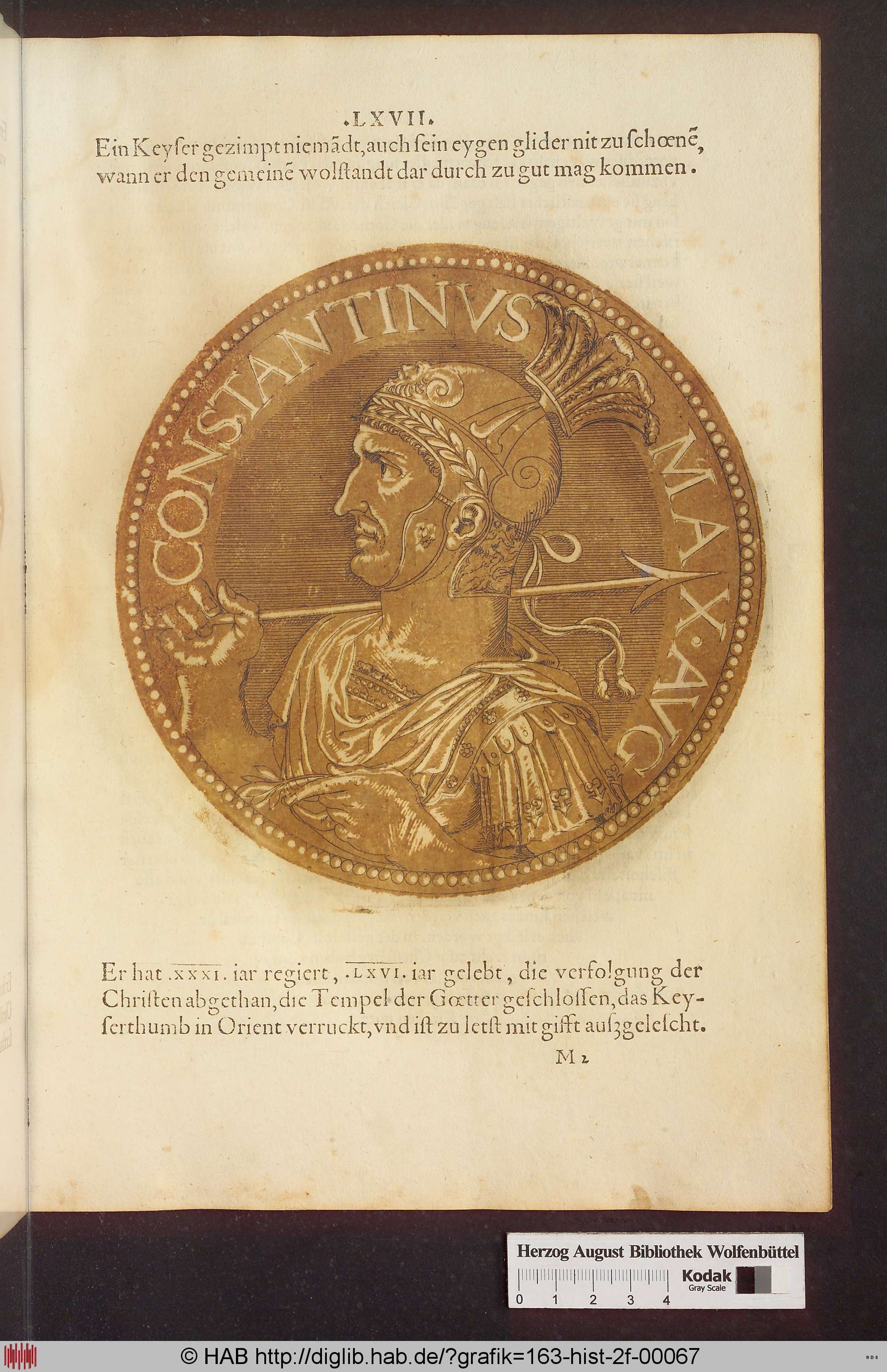
Woodcut Portrait of Constantine the Great
Josse van Gietleughen
 Artifact
Primary source
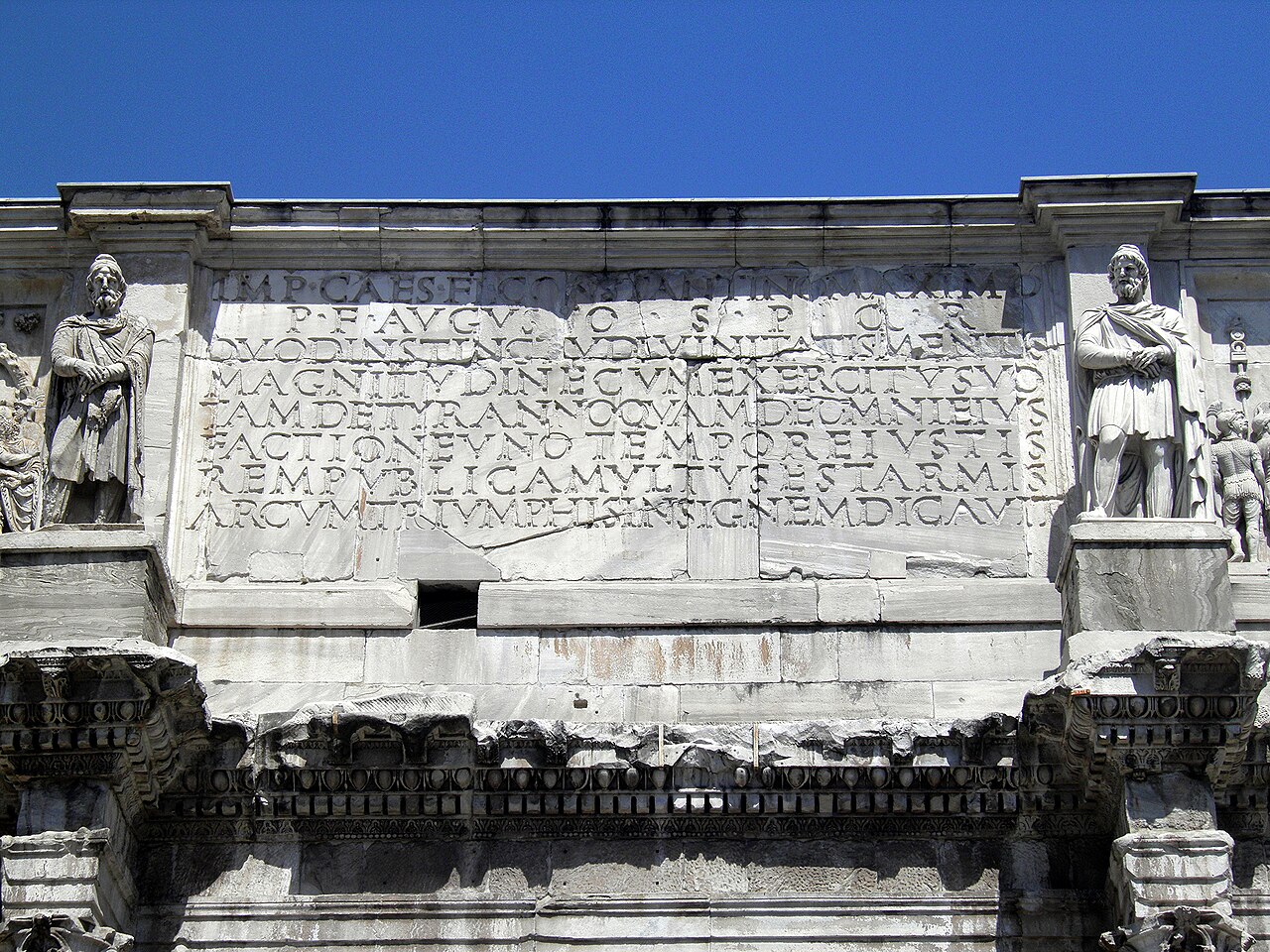
Arch of Constantine
Roman Senate · c. 312-315
 Painting
Secondary source
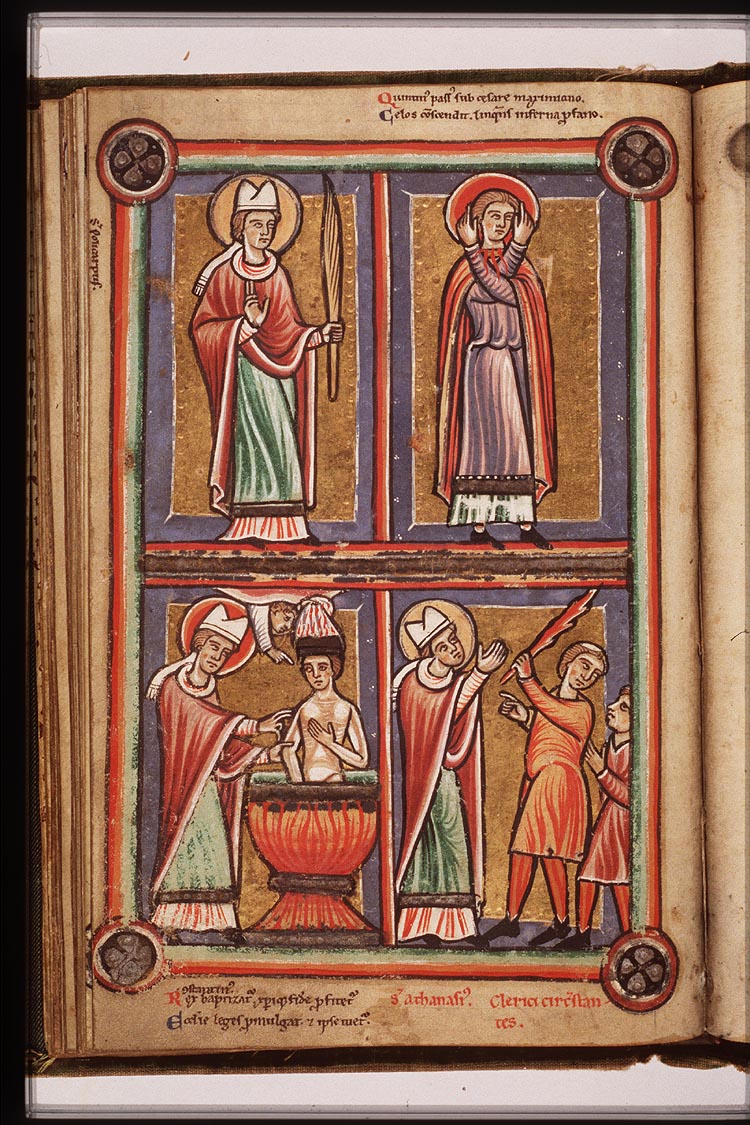
Constantine the Great Baptised by St Sylvester
c. 1200
 Book
Secondary source
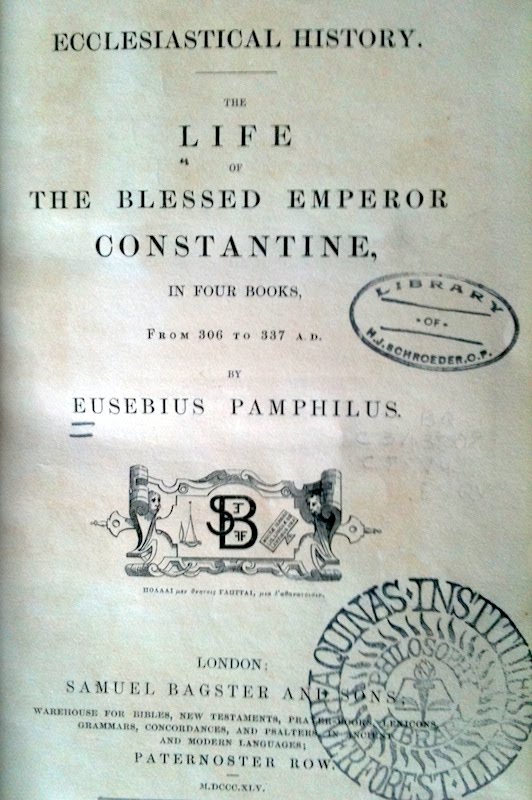
Life of Constantine
Eusebius of Caesarea · 345
Ready when you are
Start chatting with Constantine the Great now.
20 messages free · No credit card · Available in 50+ languages.