


Primary sourceSculpture
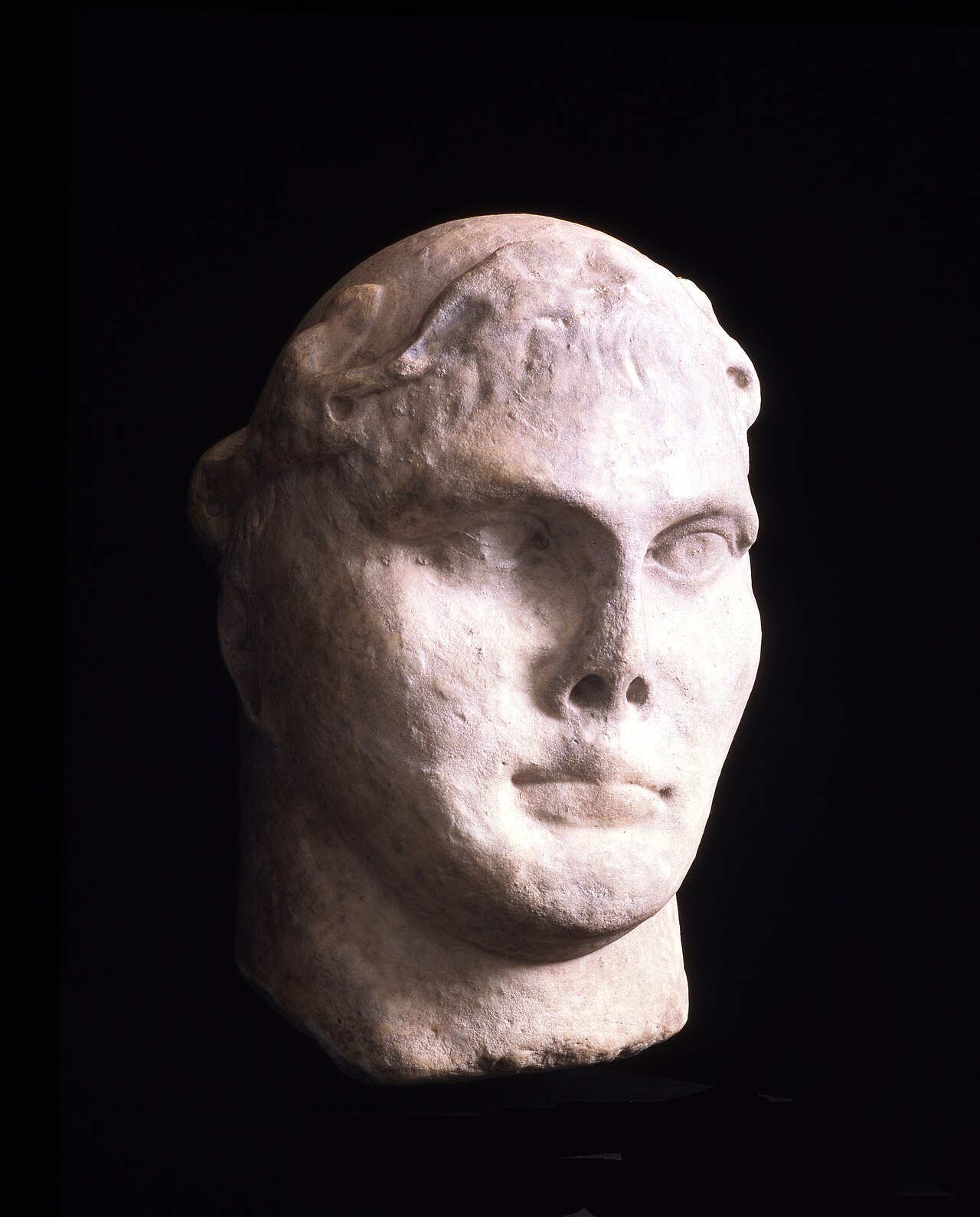
Head of Constantine the Great, York
A marble portrait head of Constantine found in York, linked to his proclamation as emperor there.
This marble head depicts Constantine and was found near York, where he was proclaimed emperor by the army.
About this source
What it is
The surviving fragment of a larger, twice life-sized marble statue of Constantine, found in Stonegate, York, before 1823. It is now held by the Yorkshire Museum and shows a clean-shaven face wearing a civic crown.
Why it matters
The head was found near the site of the Roman fortress of Eboracum, where Constantine was proclaimed emperor by the army in 306. Later research suggests the statue may have originally honoured an earlier emperor and been recarved into Constantine's likeness after his civil war victory, showing how Roman images of power were reused and reshaped.
Look closer
- What can damage and weathering on a statue like this tell us about its history?
- Why might a statue of one emperor be recarved to show another?
- What does it mean that this is only a fragment of a much larger monument?
This sculpture is part of the curated material that grounds the AI version of Constantine the Great on Humy.ai — when students ask about related events, the AI can quote it and cite it.
More Constantine the Great sources
Meet the AI Constantine the Great →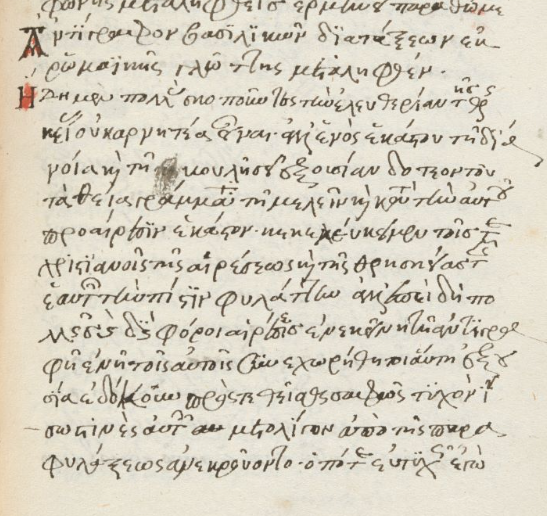 Document
Secondary source
Edict of Milan
Constantine the Great · 313 AD
 Artifact
Secondary source
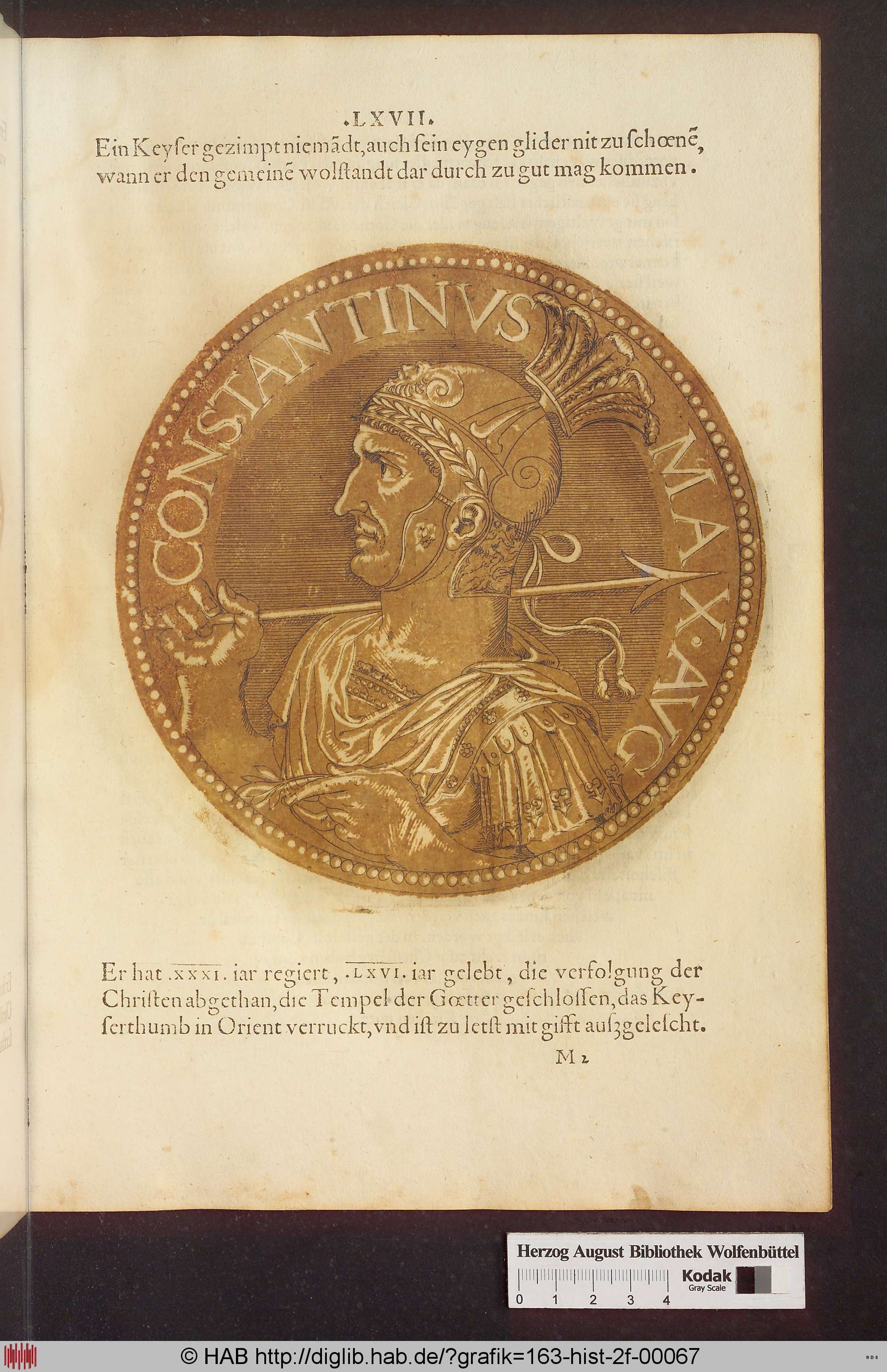
Woodcut Portrait of Constantine the Great
Josse van Gietleughen
 Artifact
Primary source
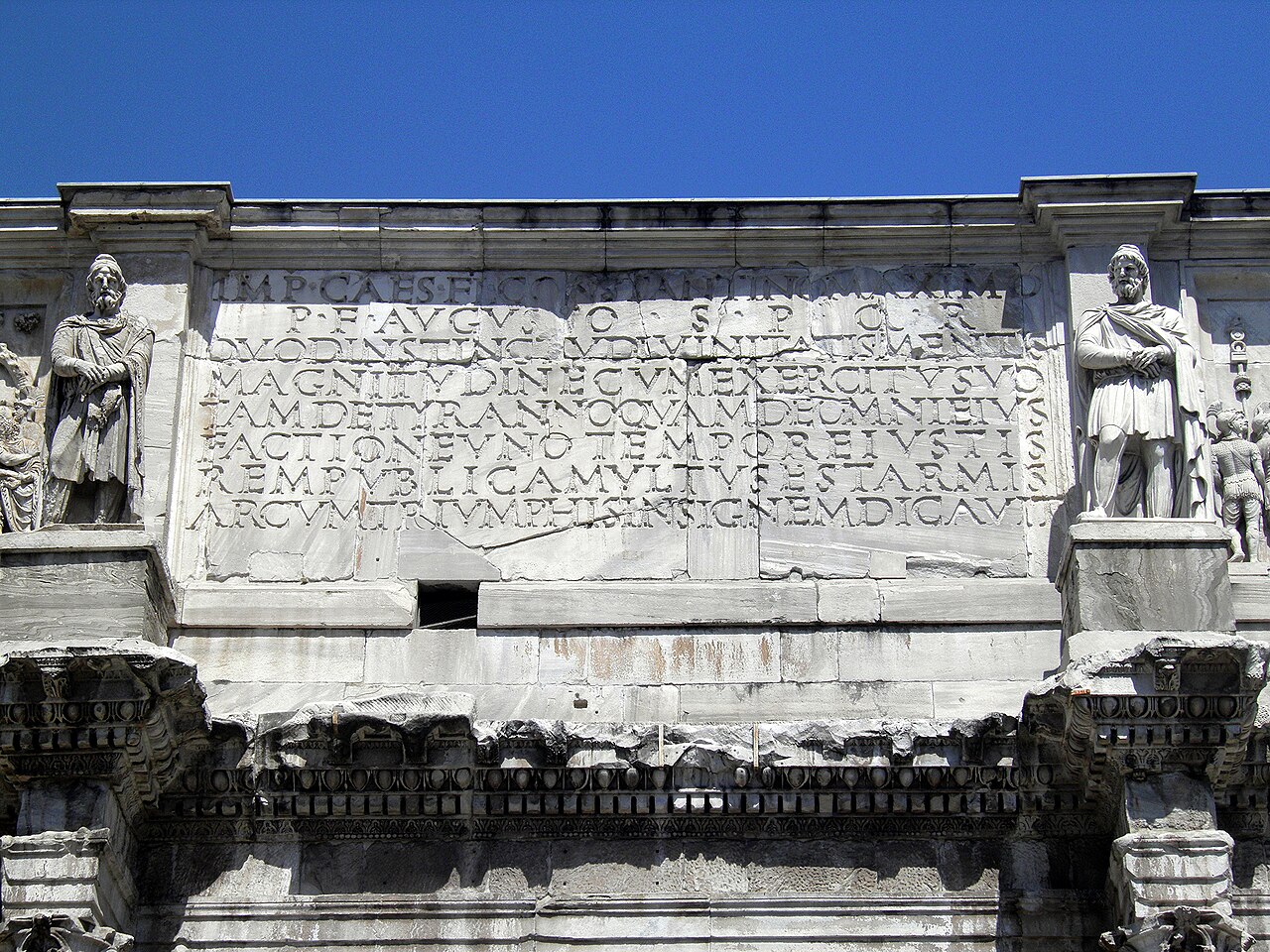
Arch of Constantine
Roman Senate · c. 312-315
 Painting
Secondary source
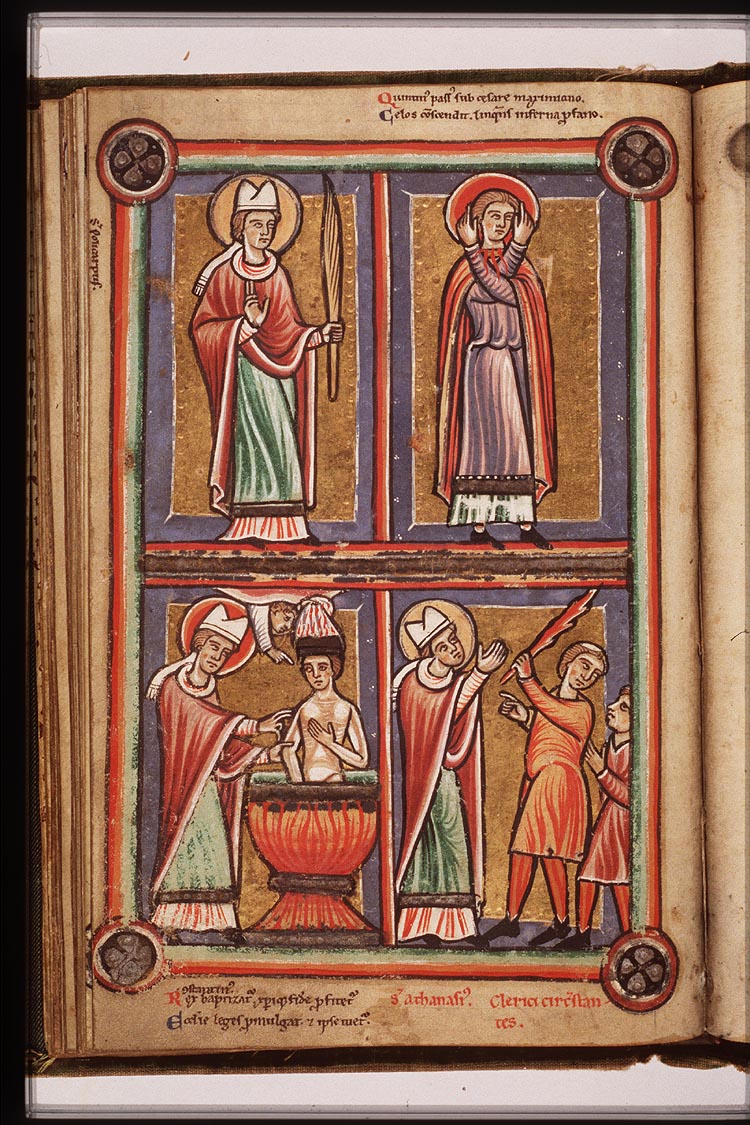
Constantine the Great Baptised by St Sylvester
c. 1200
 Book
Secondary source
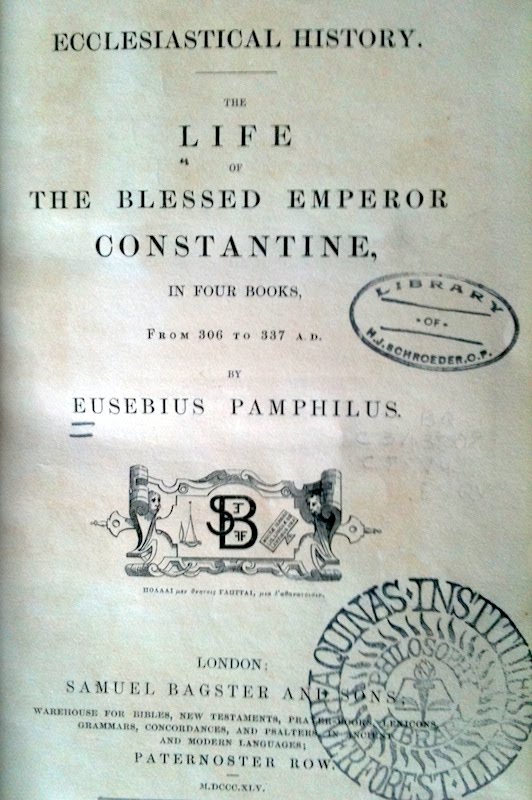
Life of Constantine
Eusebius of Caesarea · 345
Ready when you are
Start chatting with Constantine the Great now.
20 messages free · No credit card · Available in 50+ languages.