


Secondary sourceArtifact4th century AD, later rebuilt
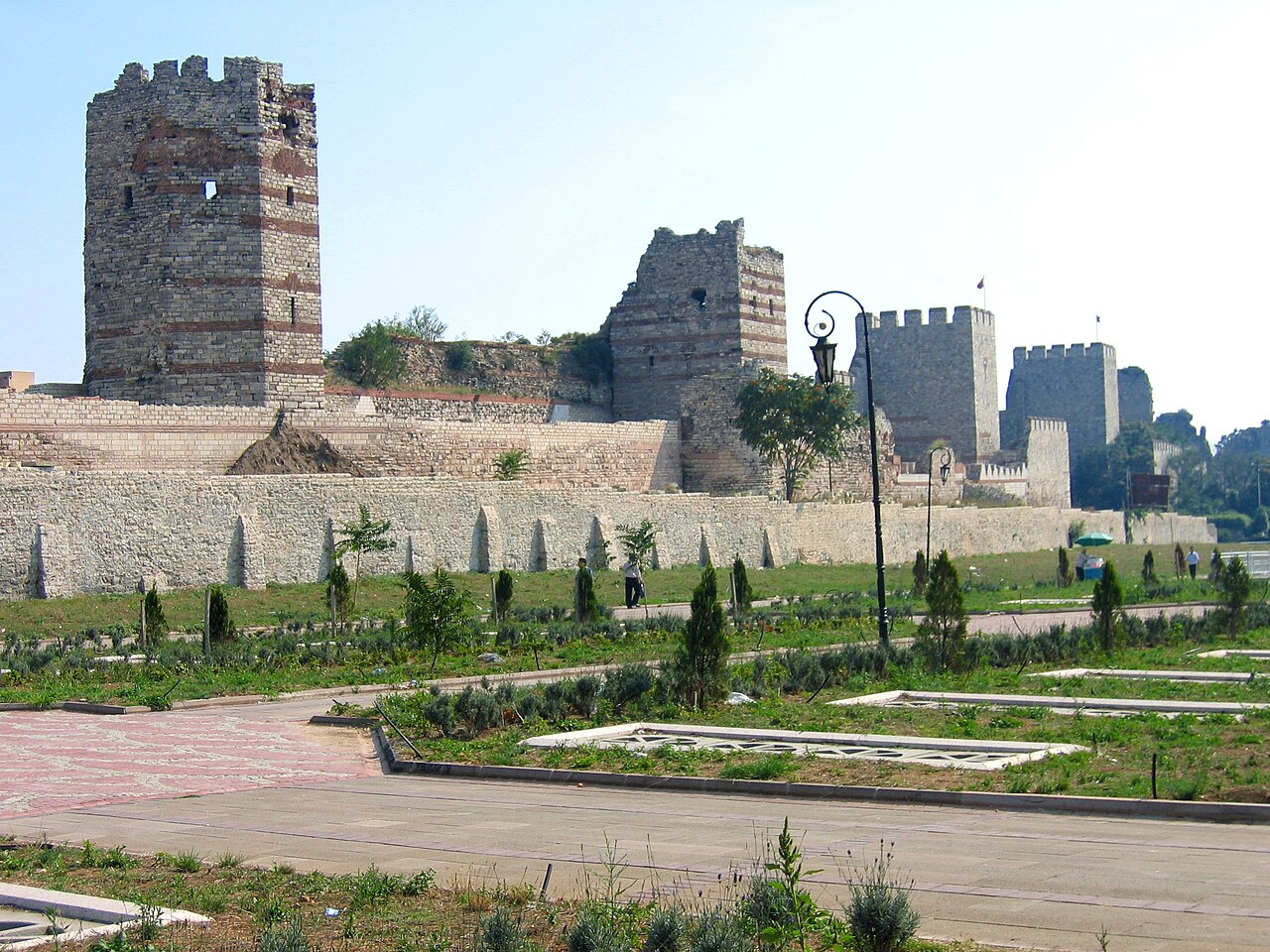
Walls of Constantinople
4th century AD, later rebuilt
The defensive stone walls first laid out by Constantine the Great around his new capital, later expanded by his successors.
Constantine commissioned the original walled circuit of Constantinople, the new capital city he founded.
About this source
What it is
These are the fortified walls that surrounded Constantinople, the city Constantine founded as the new capital of the Roman Empire. The original circuit was built under Constantine, and later replaced and expanded by the famous Theodosian walls in the 5th century. Sections still stand today in modern Istanbul.
Why it matters
The walls show Constantine's ambition to build a capital that could rival Rome itself, strong enough to protect his new seat of power on both land and sea. For centuries afterward, the fortifications were almost impossible for besieging armies to break through, protecting the Byzantine Empire that grew from Constantine's foundation.
Look closer
- Why would a new emperor want to build an entirely new capital city with its own walls?
- What does the survival and later rebuilding of these walls tell us about the city's importance over time?
- What can walls and fortifications tell us about a ruler's priorities that written sources might not?
This artifact is part of the curated material that grounds the AI version of Constantine the Great on Humy.ai — when students ask about related events, the AI can quote it and cite it.
More Constantine the Great sources
Meet the AI Constantine the Great →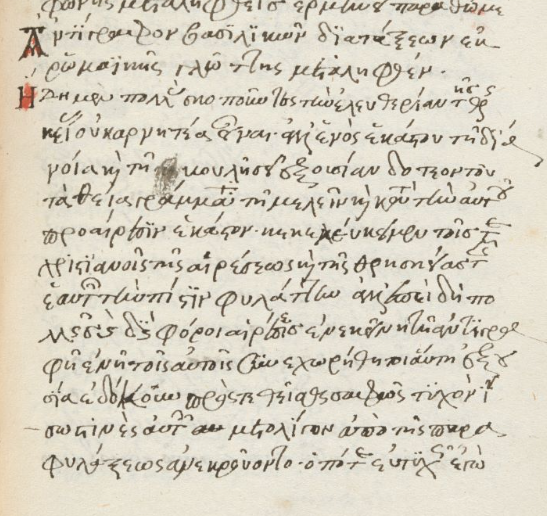 Document
Secondary source
Edict of Milan
Constantine the Great · 313 AD
 Artifact
Secondary source
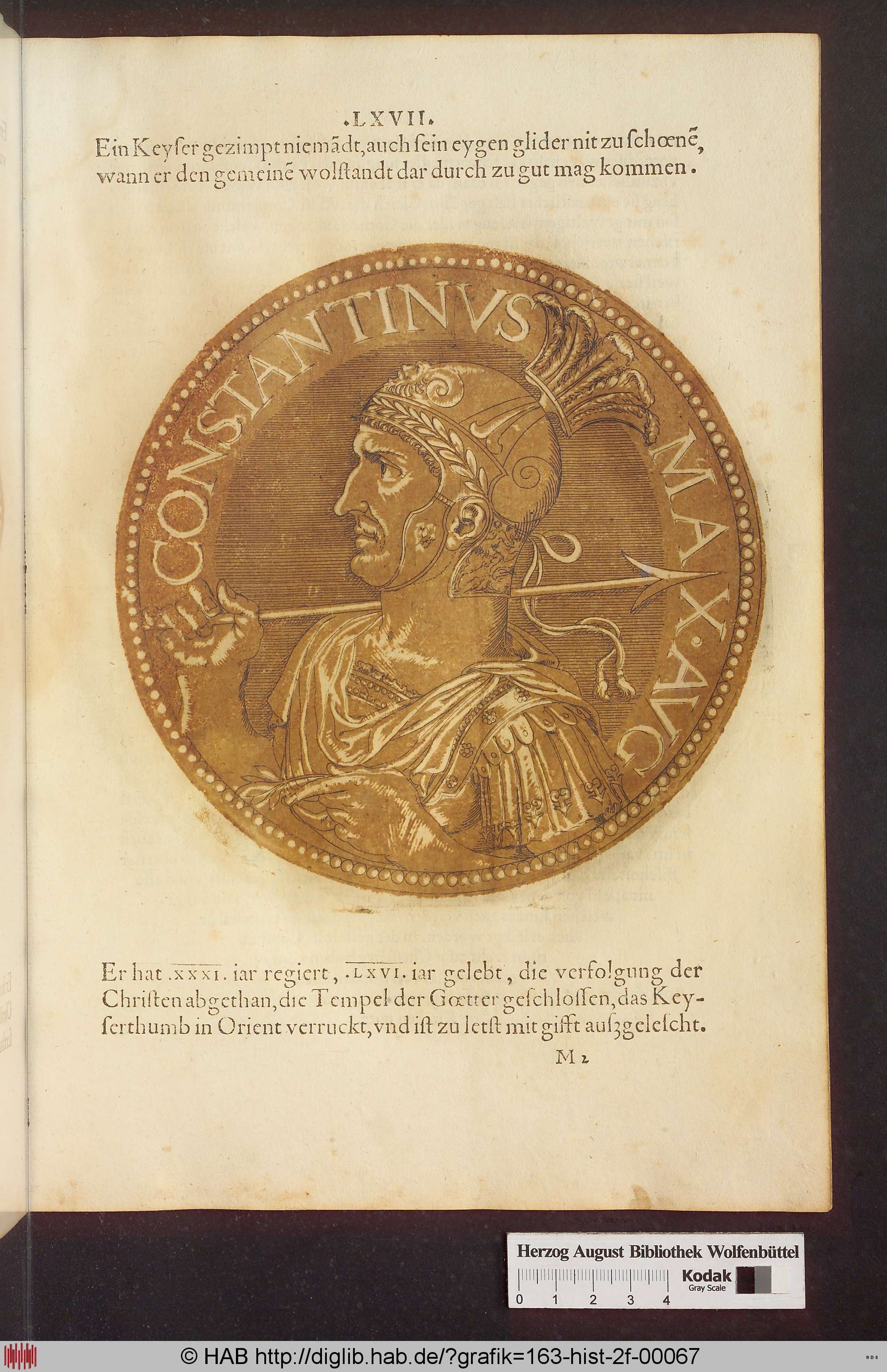
Woodcut Portrait of Constantine the Great
Josse van Gietleughen
 Artifact
Primary source
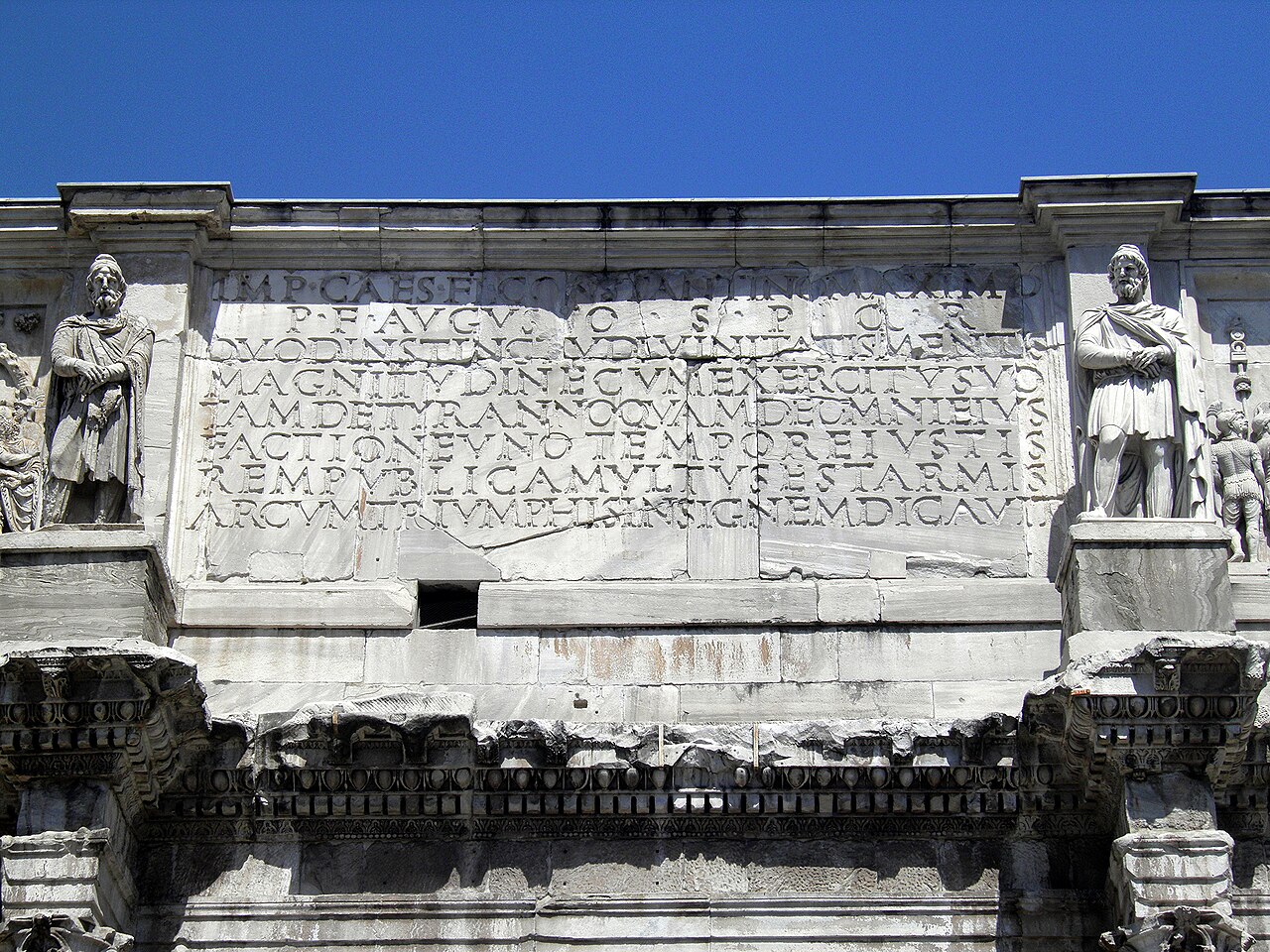
Arch of Constantine
Roman Senate · c. 312-315
 Painting
Secondary source
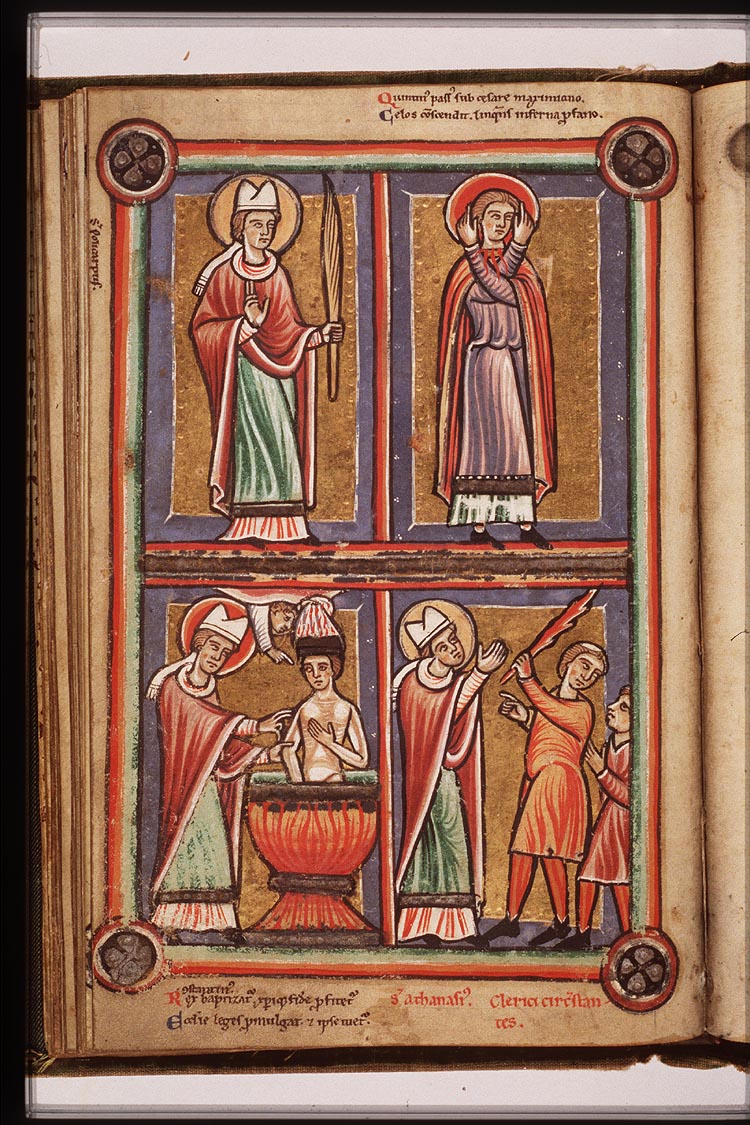
Constantine the Great Baptised by St Sylvester
c. 1200
 Book
Secondary source
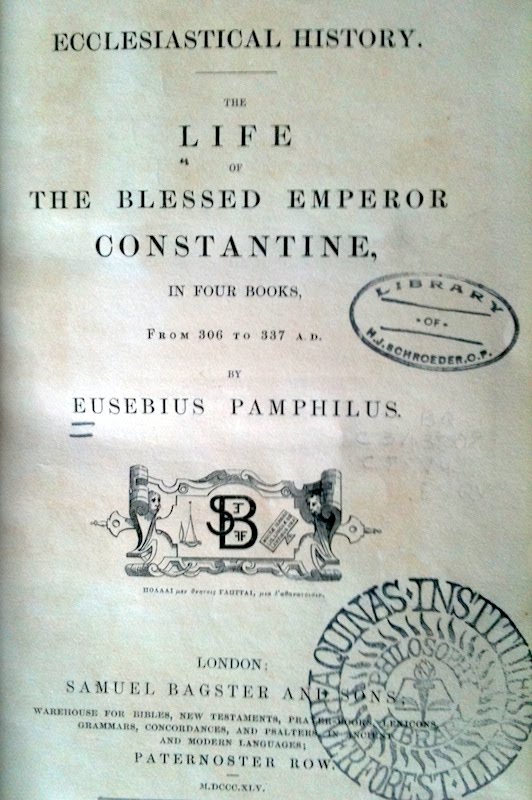
Life of Constantine
Eusebius of Caesarea · 345
Ready when you are
Start chatting with Constantine the Great now.
20 messages free · No credit card · Available in 50+ languages.