


Secondary sourceSculpture1670
The Vision of Constantine
Gian Lorenzo Bernini · 1670
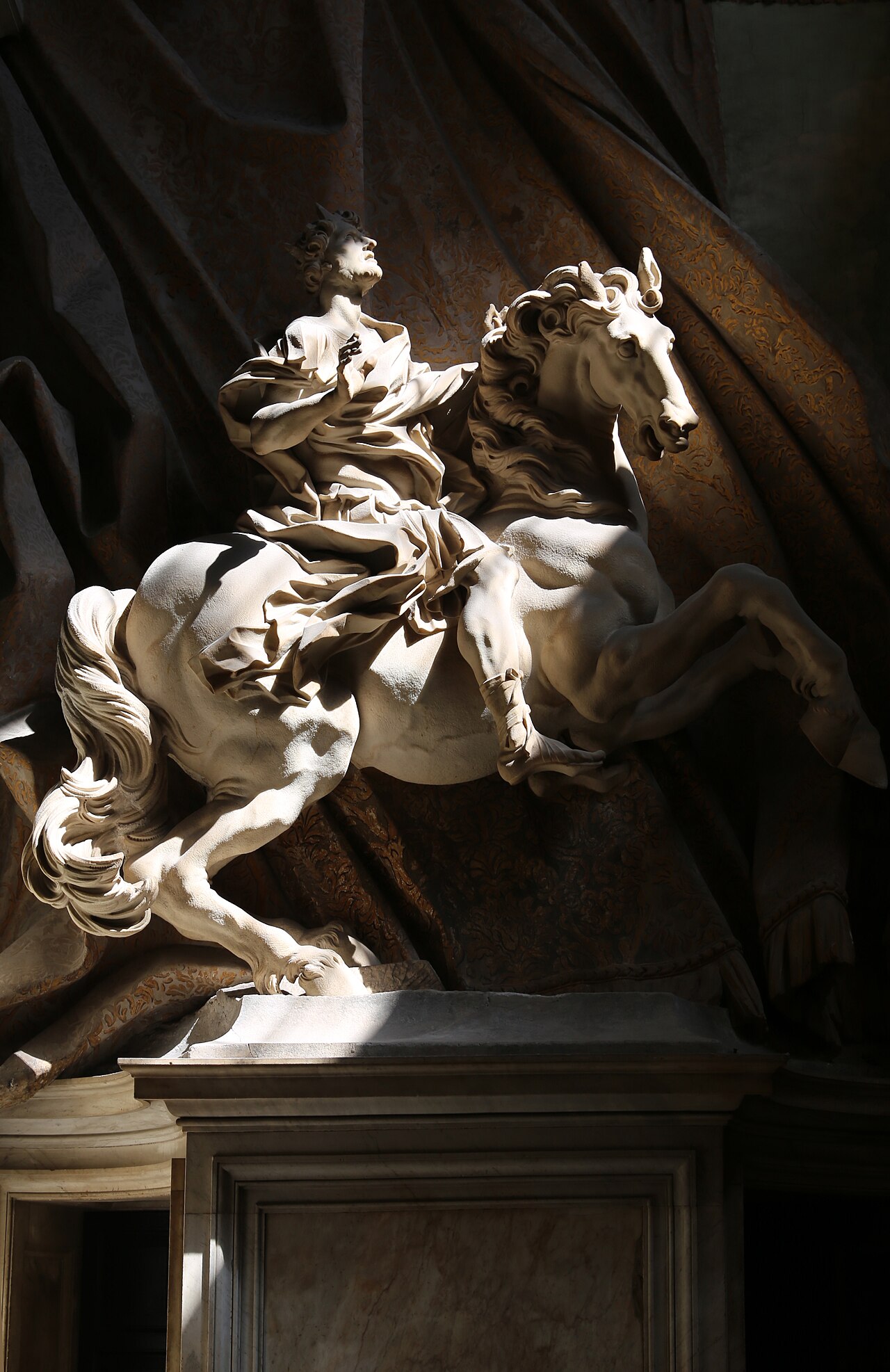
An equestrian marble statue by Bernini in St Peter's Basilica, showing Constantine's legendary vision before his conversion to Christianity.
Bernini's Baroque statue commemorates Constantine's legendary vision and conversion, celebrated centuries later by the papacy.
About this source
What it is
This is a marble equestrian sculpture carved by Gian Lorenzo Bernini, unveiled in 1670 as part of the Scala Regia leading to St Peter's Basilica. It shows Constantine on a rearing horse, reacting to a vision of a cross that, according to legend, appeared to him before his battle with Maxentius.
Why it matters
Bernini's statue, made over a thousand years after Constantine's life, shows how 17th-century popes celebrated him as the first Christian emperor whose conversion helped establish the Church's power. Even at the time it was criticized for inaccuracies, such as showing Constantine as unrealistically youthful and without proper riding equipment.
Look closer
- What is the sculpture trying to make the viewer feel, and how does the horse's pose help create that effect?
- Why did critics at the time complain that the statue was historically inaccurate?
- Why would a 17th-century pope want a dramatic statue of Constantine placed at the entrance to the Vatican Palace?
This sculpture is part of the curated material that grounds the AI version of Constantine the Great on Humy.ai — when students ask about related events, the AI can quote it and cite it.
More Constantine the Great sources
Meet the AI Constantine the Great →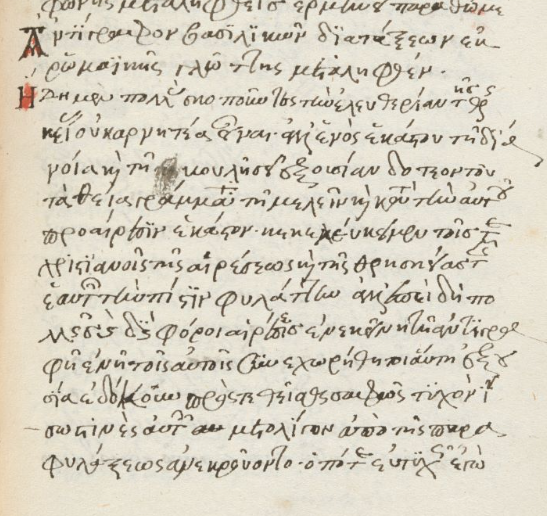 Document
Secondary source
Edict of Milan
Constantine the Great · 313 AD
 Artifact
Secondary source
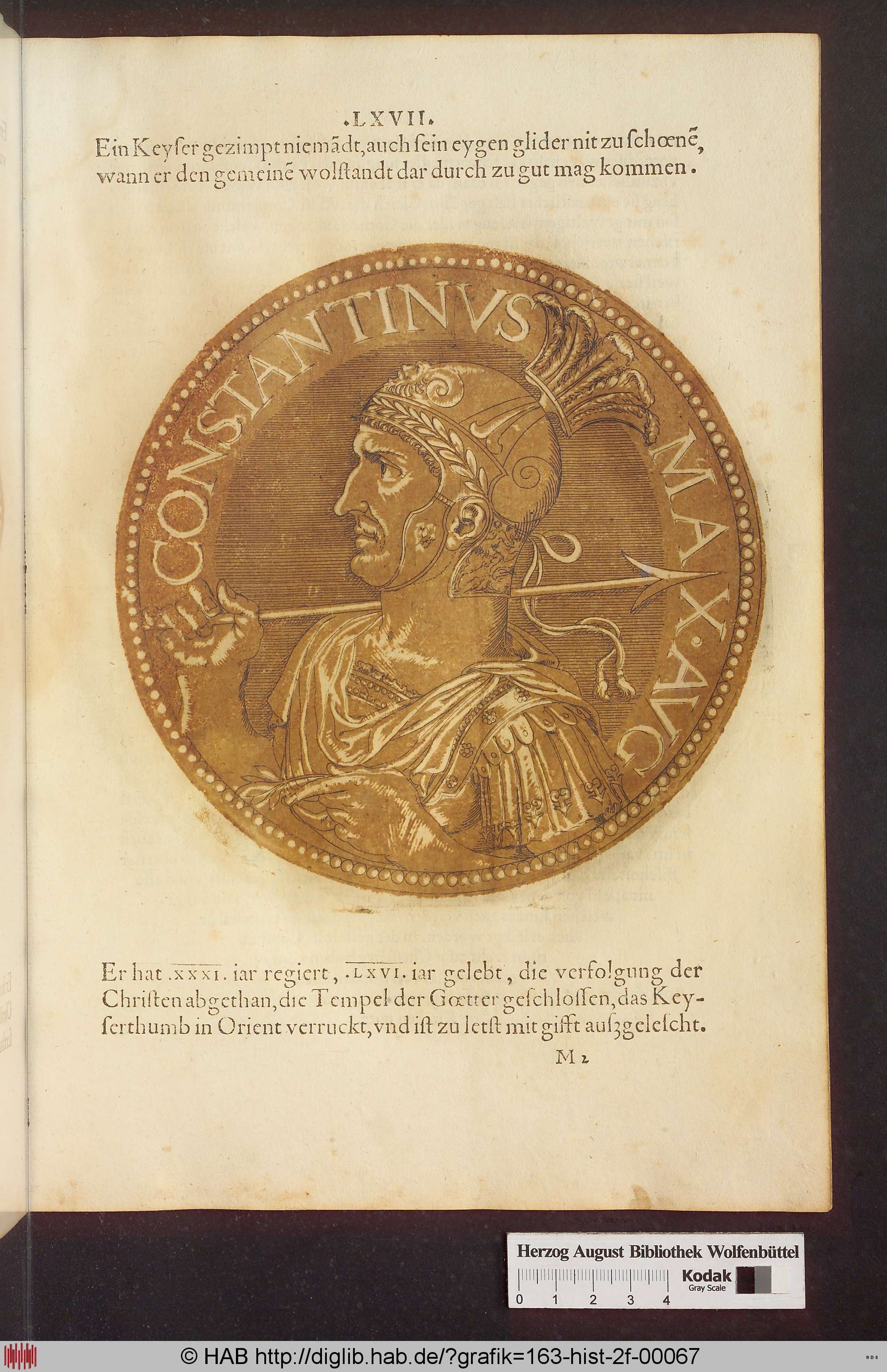
Woodcut Portrait of Constantine the Great
Josse van Gietleughen
 Artifact
Primary source
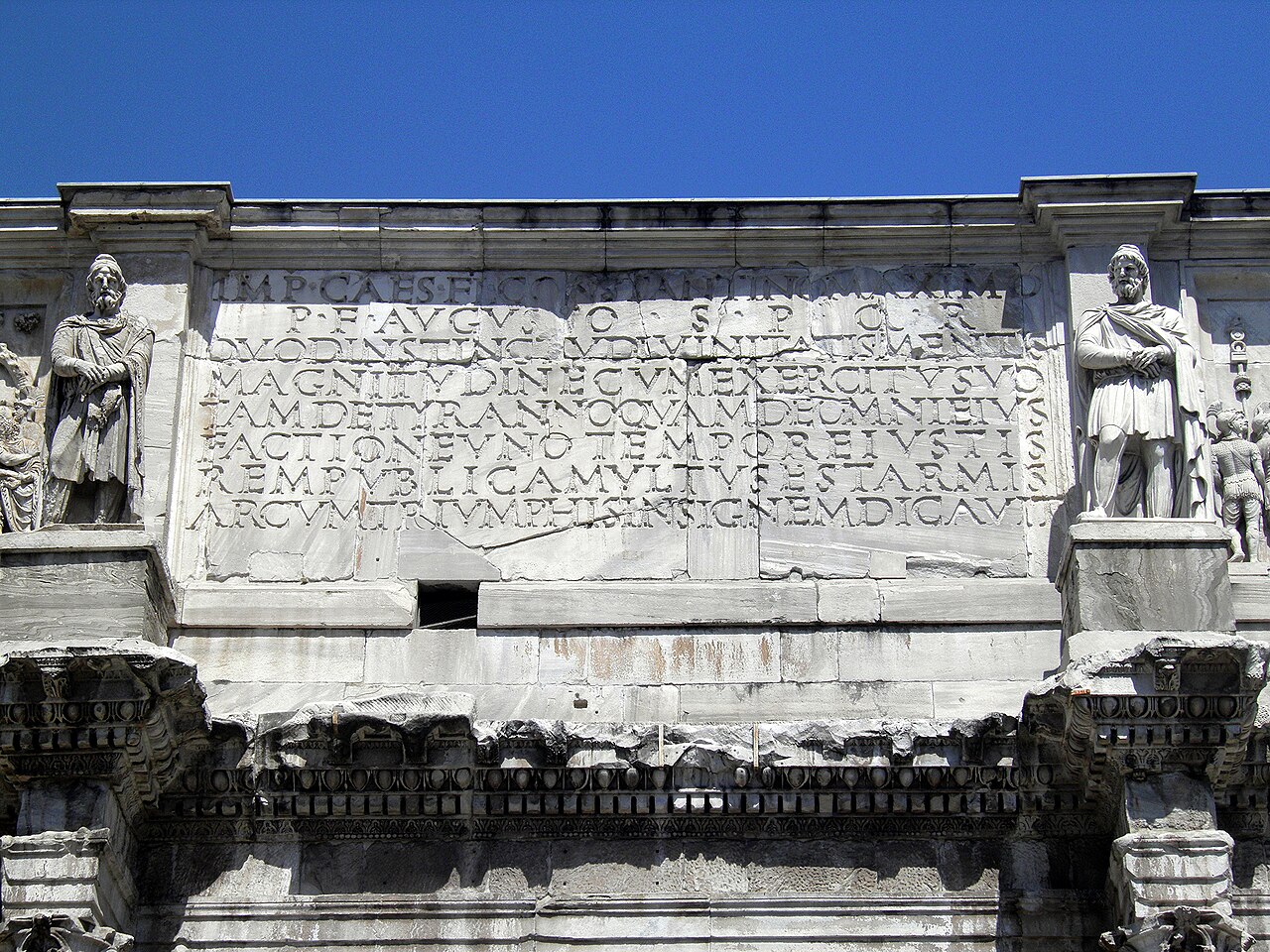
Arch of Constantine
Roman Senate · c. 312-315
 Painting
Secondary source
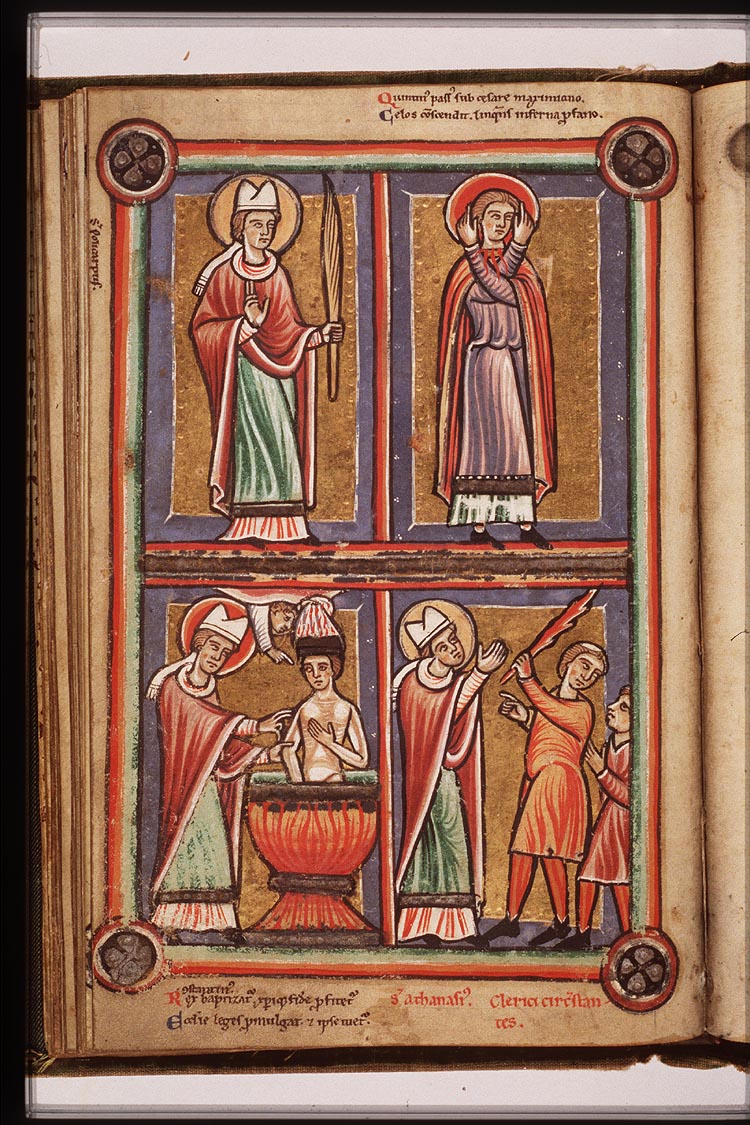
Constantine the Great Baptised by St Sylvester
c. 1200
 Book
Secondary source
Life of Constantine
Eusebius of Caesarea · 345
Ready when you are
Start chatting with Constantine the Great now.
20 messages free · No credit card · Available in 50+ languages.