


Primary sourceArtifact319-320 AD
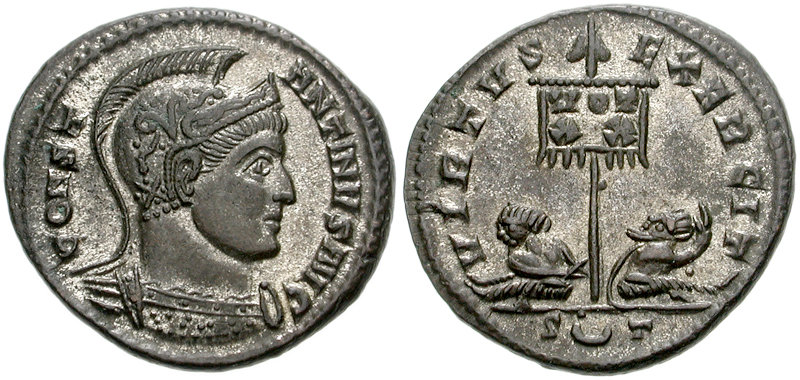
Bronze Follis of Constantine I, Ticinum Mint
319-320 AD
A bronze coin struck under Constantine around 319-320, showing his portrait and a military standard flanked by captives.
A coin issued under Constantine's authority, bearing his own portrait and a propaganda image of military triumph.
About this source
What it is
This is a bronze coin (a follis) minted at Ticinum in northern Italy around AD 319-320, during Constantine's reign. One side shows his helmeted, armored portrait; the other shows the Labarum, a military standard, with two captives seated below it.
Why it matters
Roman emperors used coins to spread images and messages across the empire. This coin presents Constantine as a victorious military leader, with captives symbolizing conquered enemies. It shows how he wanted to be seen by his subjects and soldiers.
Look closer
- What does the choice to show captives on a coin tell you about Roman ideas of power?
- Why would an emperor want his portrait on money used every day?
- What is left out of this image of Constantine's reign?
This artifact is part of the curated material that grounds the AI version of Constantine the Great on Humy.ai — when students ask about related events, the AI can quote it and cite it.
More Constantine the Great sources
Meet the AI Constantine the Great →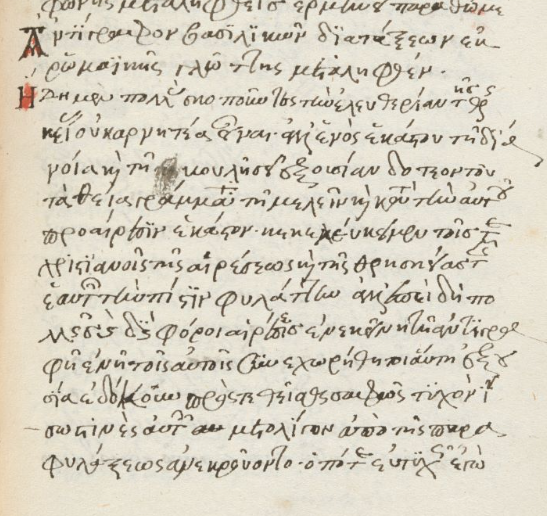 Document
Secondary source
Edict of Milan
Constantine the Great · 313 AD
 Artifact
Secondary source
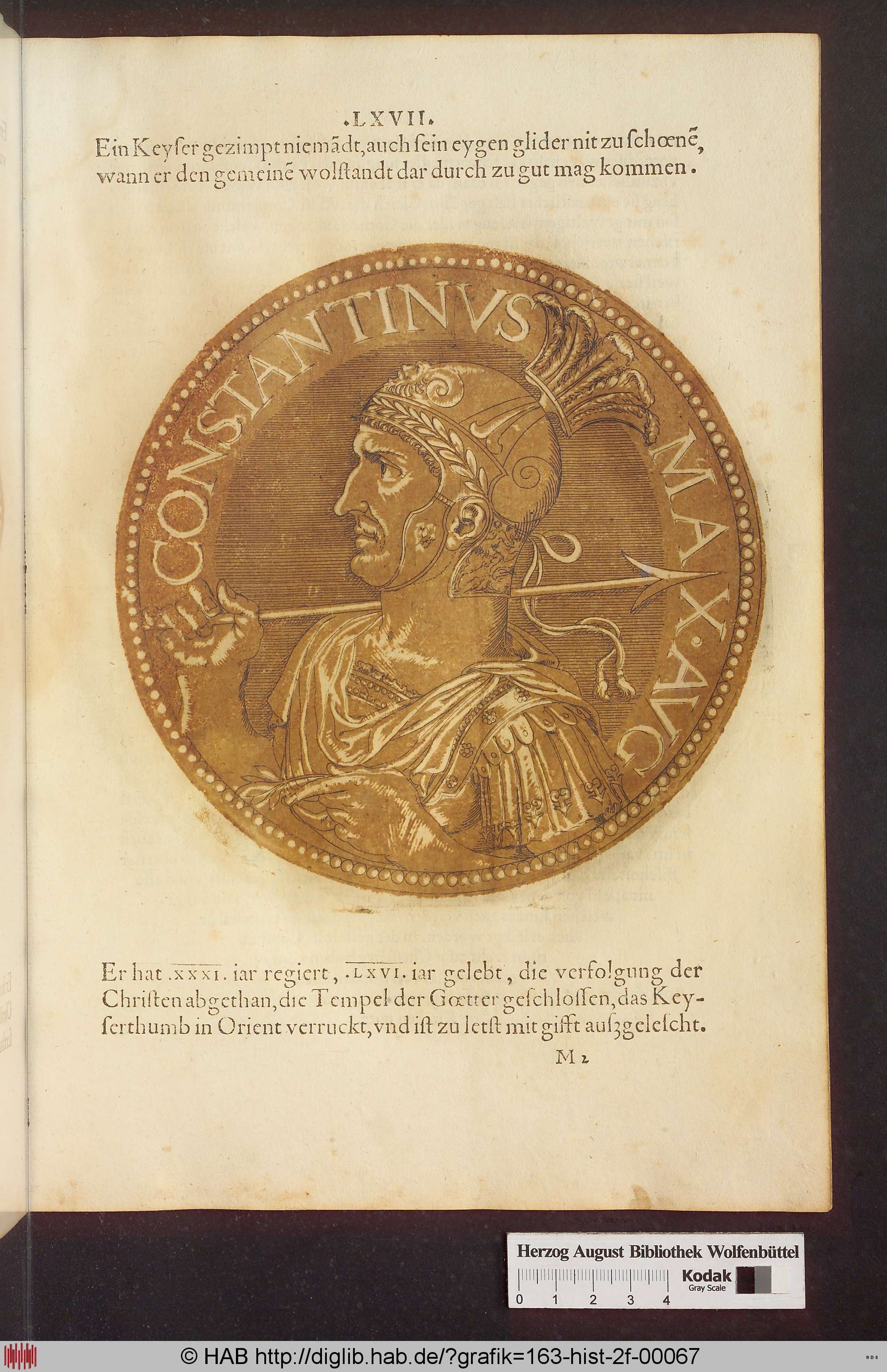
Woodcut Portrait of Constantine the Great
Josse van Gietleughen
 Artifact
Primary source
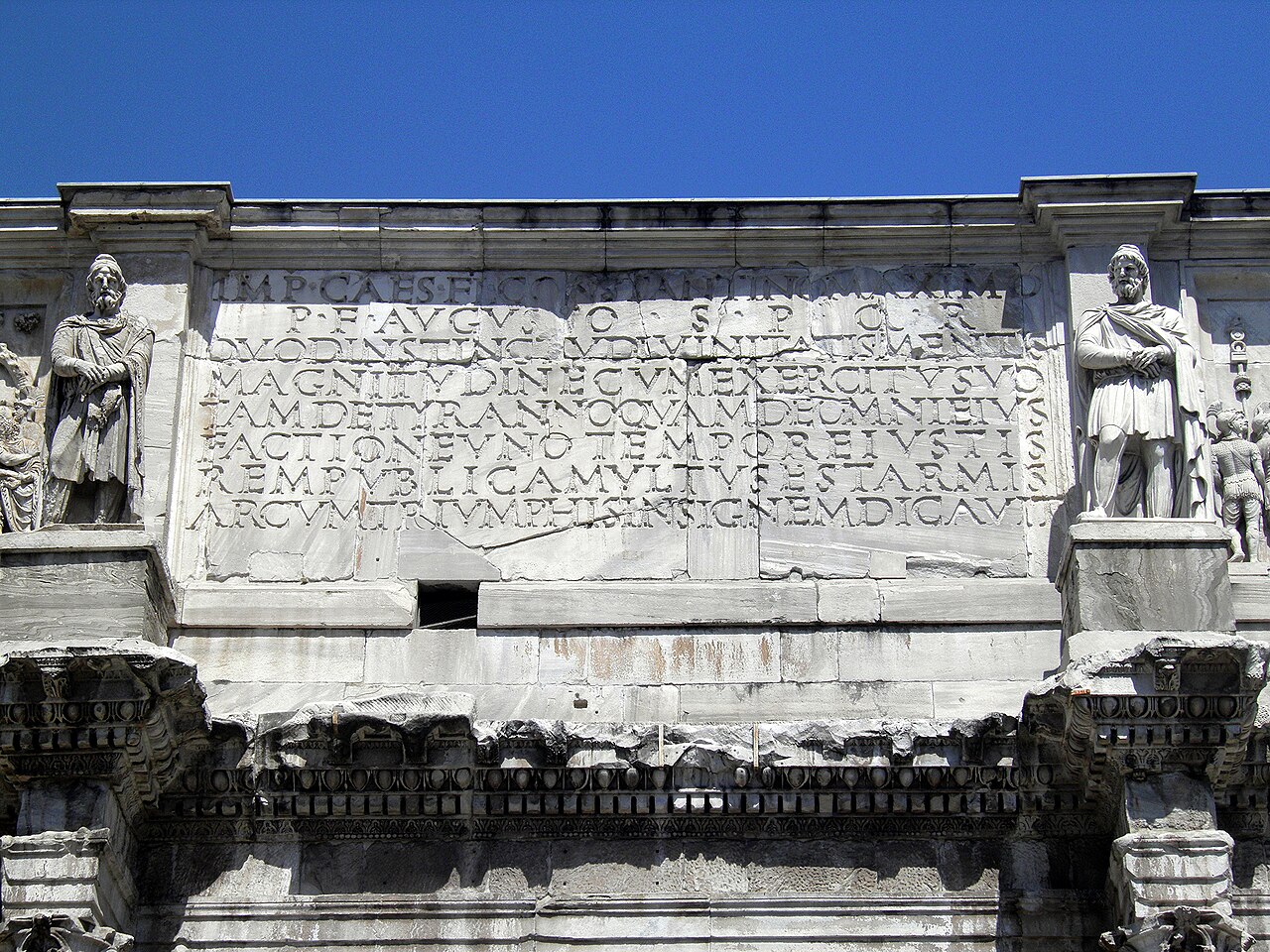
Arch of Constantine
Roman Senate · c. 312-315
 Painting
Secondary source
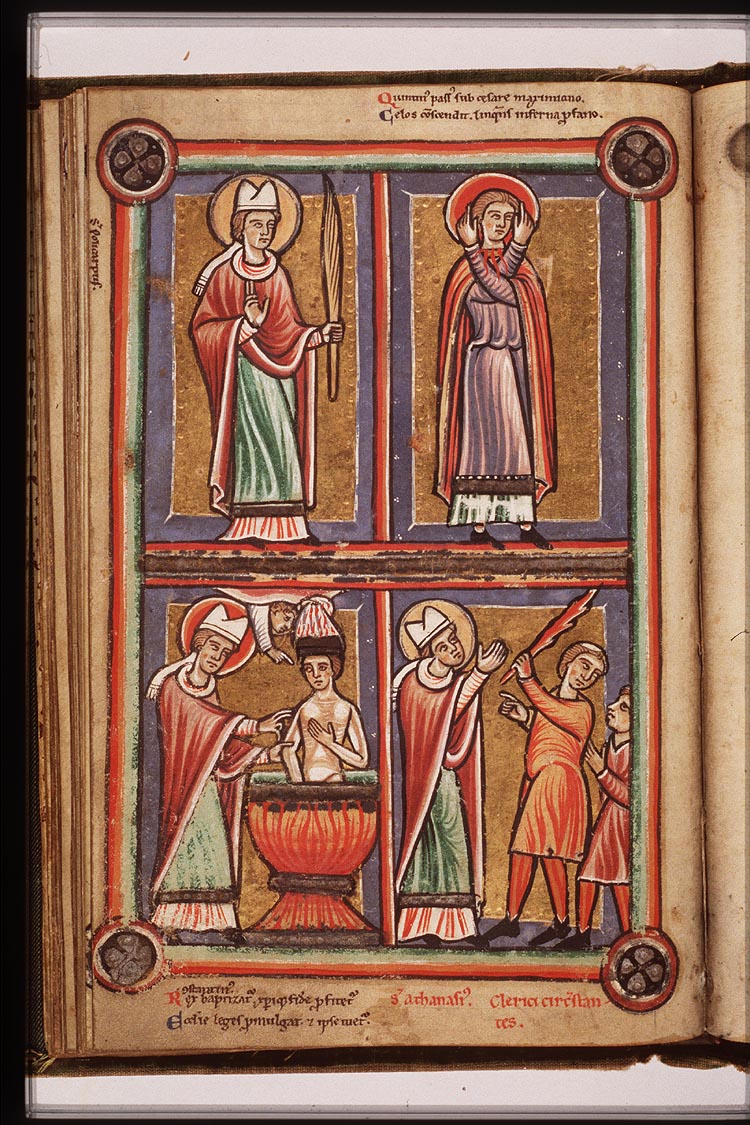
Constantine the Great Baptised by St Sylvester
c. 1200
 Book
Secondary source
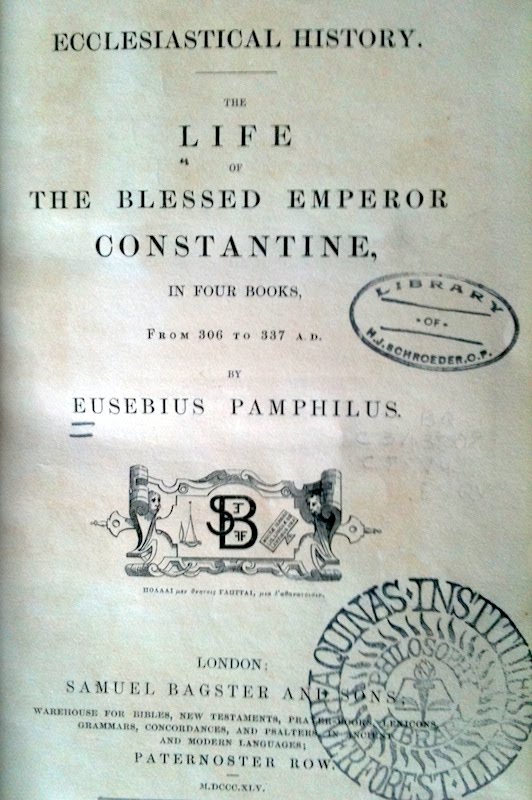
Life of Constantine
Eusebius of Caesarea · 345
Ready when you are
Start chatting with Constantine the Great now.
20 messages free · No credit card · Available in 50+ languages.