


Primary sourceArtifactc. 520
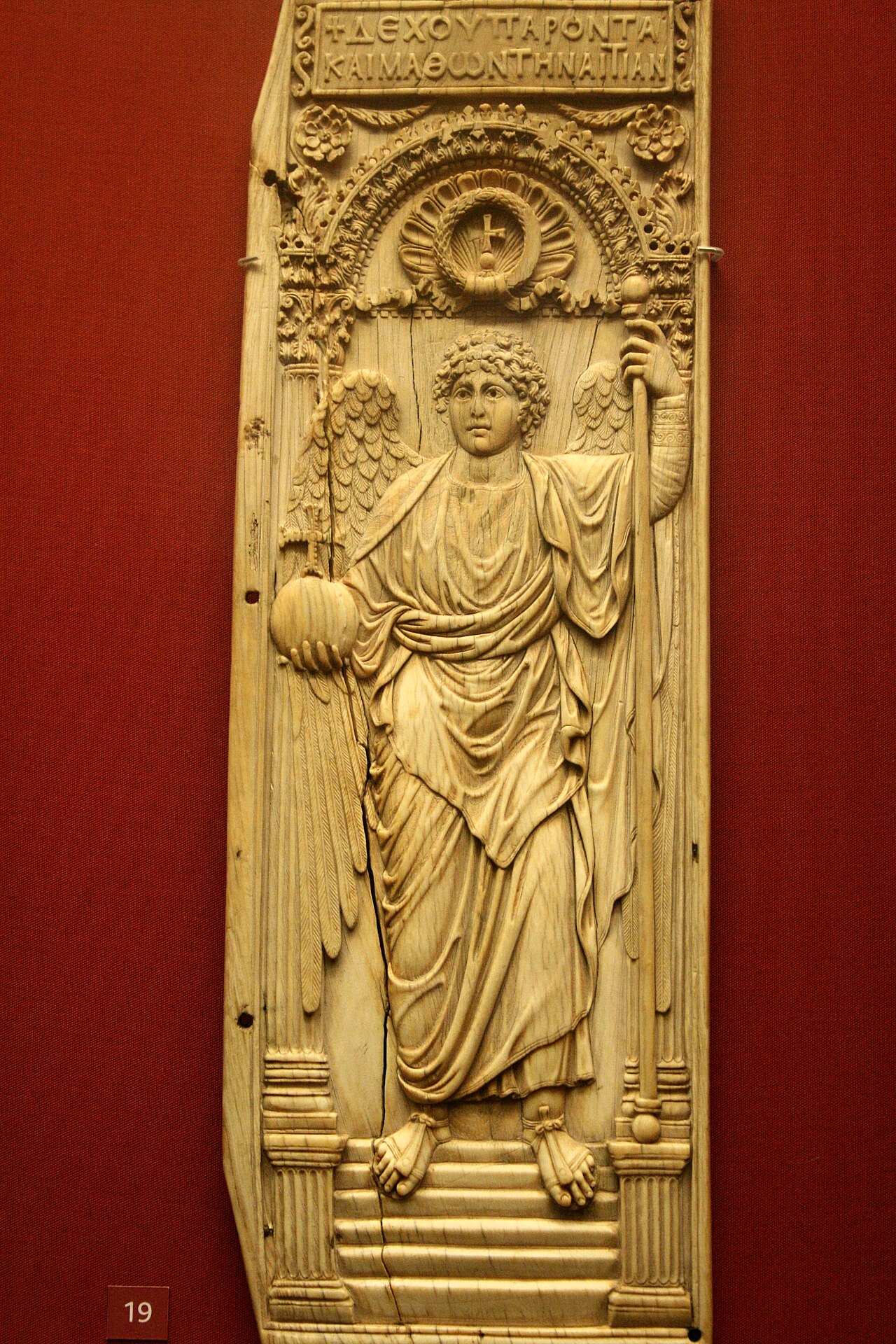
Archangel ivory
c. 520
A large carved Byzantine ivory panel showing an archangel, likely made for a diptych that may have included an image of Emperor Justinian.
This ivory may be the surviving half of a diptych that once paired an archangel with an image of Justinian receiving imperial power.
About this source
What it is
This is the largest surviving Byzantine ivory panel, now in the British Museum. Carved in the early 6th century, probably in Constantinople's imperial workshops, it shows an archangel, usually identified as Michael, holding a sceptre and an orb, standing on a staircase beneath an arch with a cross.
Why it matters
Scholars believe the panel once formed one half of a diptych, with the missing other half possibly showing Emperor Justinian, to whom the archangel would be offering symbols of imperial power. The carving's classical style combined with its unusual sense of space reflects the artistic world of Justinian's court.
Look closer
- What details in the carving suggest it was meant to honor imperial power rather than just a religious figure?
- Why might historians connect this ivory to Justinian even though his image does not survive?
- What does the Greek inscription at the top suggest about who commissioned the piece and why?
This artifact is part of the curated material that grounds the AI version of Justinian I on Humy.ai — when students ask about related events, the AI can quote it and cite it.
More Justinian I sources
Meet the AI Justinian I →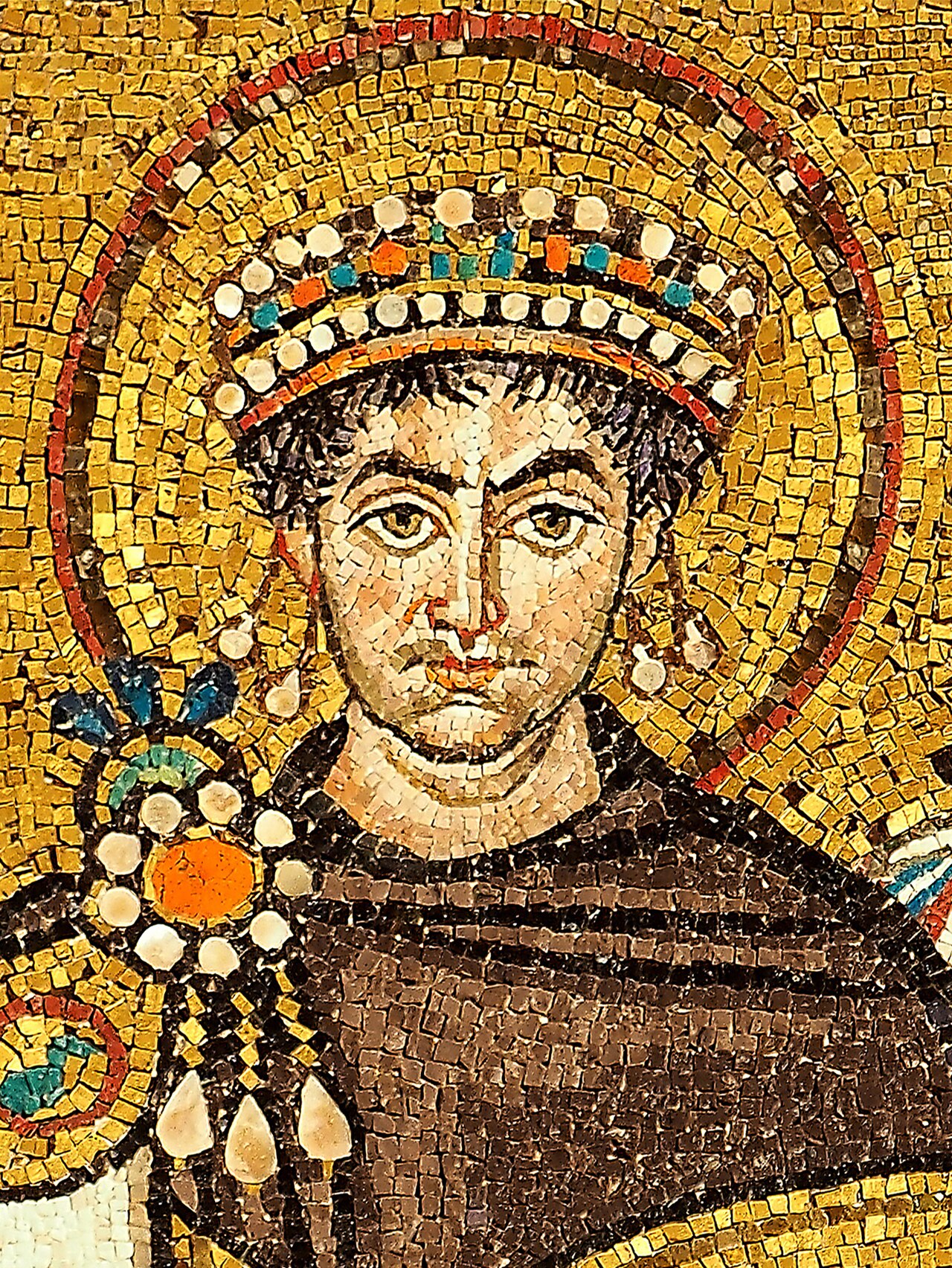 Artifact
Primary source
Portrait of Justinian I, San Vitale Mosaic
Byzantine mosaicists · c. 547
 Painting
Secondary source
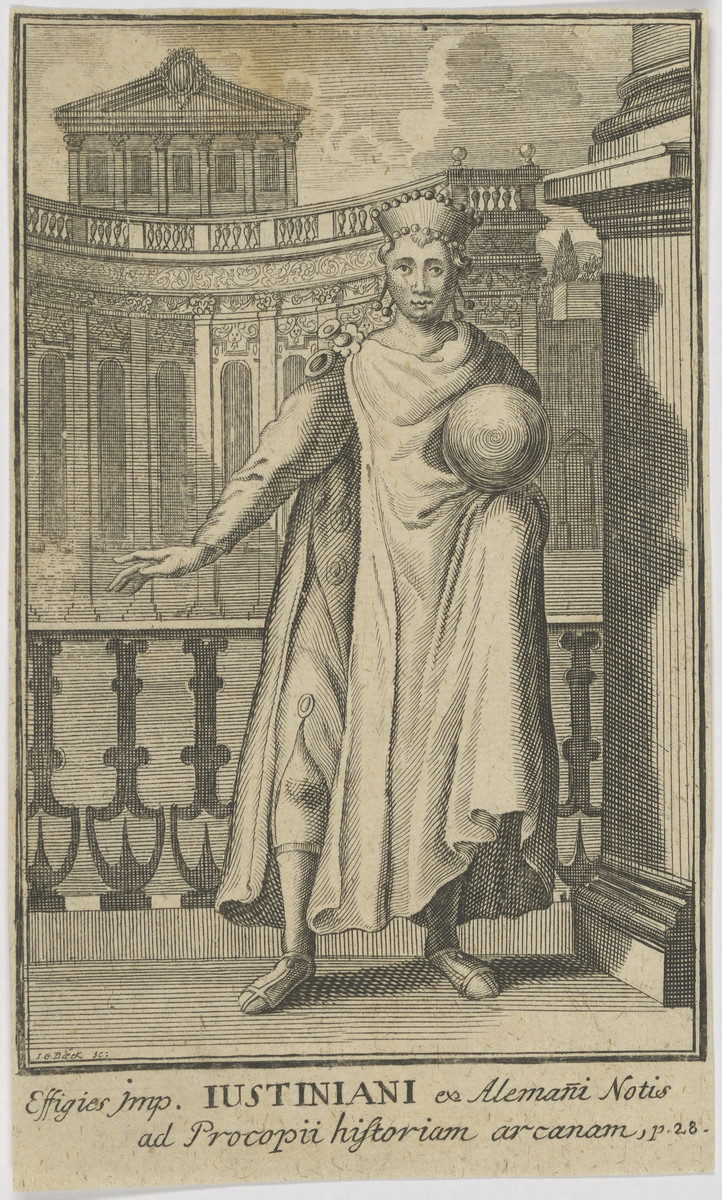
Portrait of Emperor Justinian
Johann Friedrich Böck
 Document
Primary source
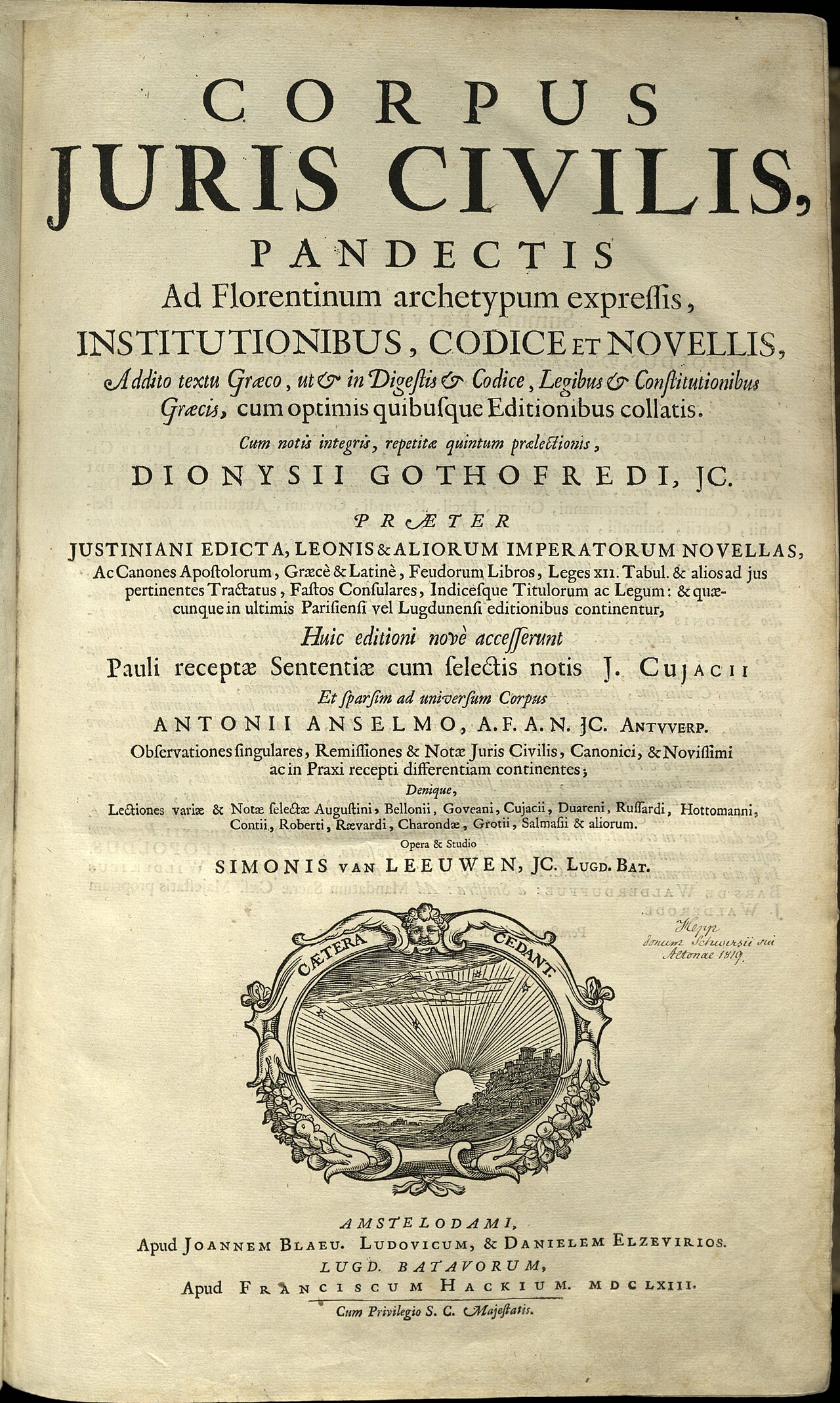
Corpus Juris Civilis
Tribonian · 528-534
 Artifact
Primary source
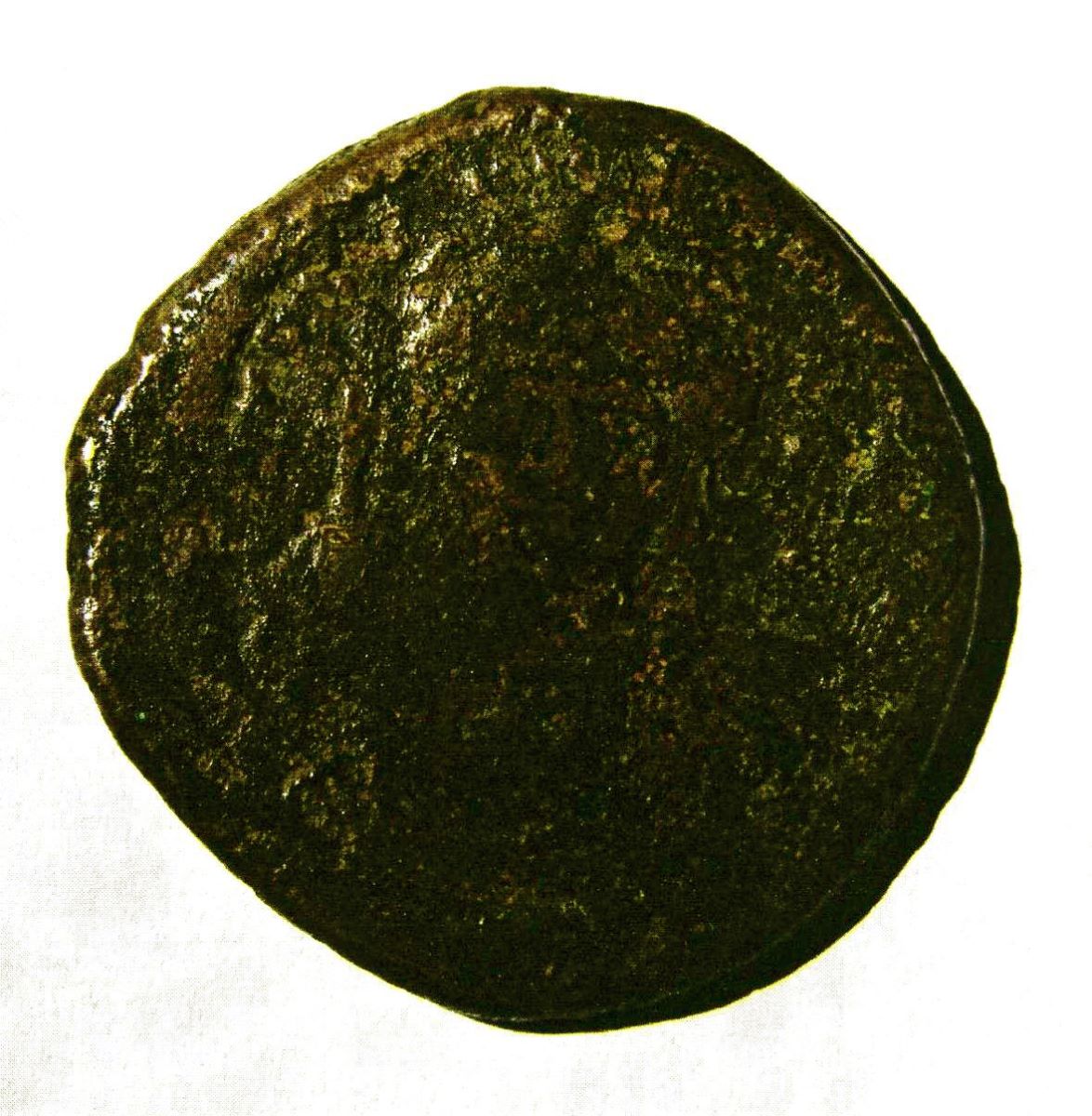
Bronze Follis of Justinian I with Globus Cruciger
 Artifact
Secondary source
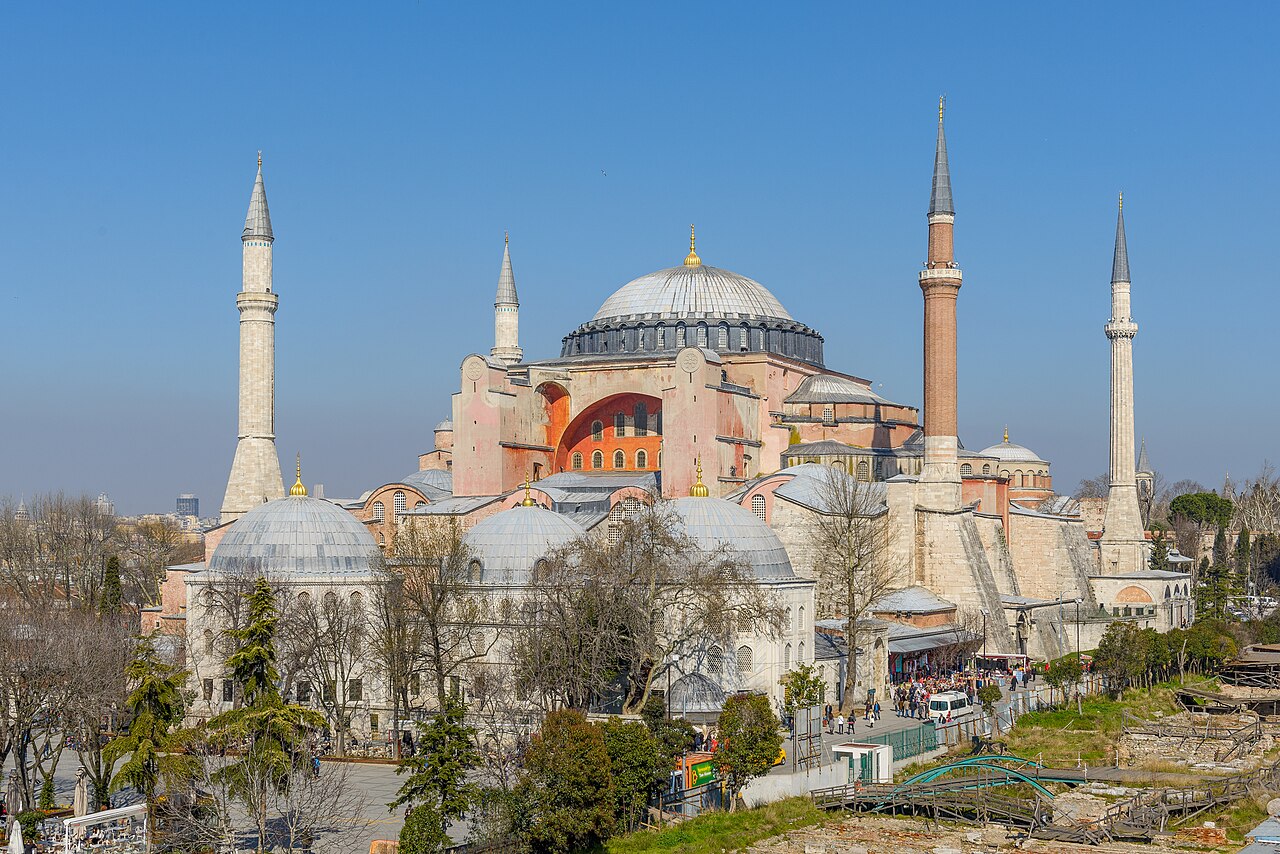
Hagia Sophia
Isidore of Miletus and Anthemius of Tralles · 532-537 CE
Ready when you are
Start chatting with Justinian I now.
20 messages free · No credit card · Available in 50+ languages.