


Secondary sourceArtifact1728 (building); 1768 (work took place)
Arkwright House
1728 (building); 1768 (work took place)
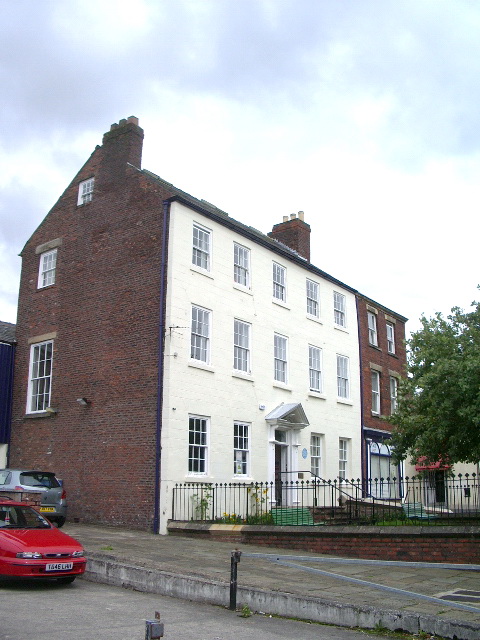
A Georgian house in Preston where Richard Arkwright lodged and worked in 1768 to develop the water frame spinning machine.
Arkwright lodged and worked here in 1768 with collaborators to develop the water frame spinning machine.
About this source
What it is
Arkwright House is a Georgian building in Stoneygate, Preston, built in 1728. In 1768 Richard Arkwright lodged here and worked secretly with Thomas Highs and John Kay to develop a machine for spinning yarn, later known as the water frame, which was patented in 1769. The house is now a listed building.
Why it matters
This building links the invention of the water frame directly to a specific place and the people involved in developing it alongside Arkwright. Their work was done in secrecy, with the landlord believing they were working on something else entirely. A historian has argued this house is one of the birthplaces of the Industrial Revolution.
Look closer
- Why might Arkwright and his collaborators have kept their work secret from the landlord?
- What does the choice of an ordinary lodging house, rather than a workshop, suggest about the early stages of invention?
- Who else was involved in developing the water frame here, and why is Arkwright usually remembered as its sole inventor?
This artifact is part of the curated material that grounds the AI version of Richard Arkwright on Humy.ai — when students ask about related events, the AI can quote it and cite it.
More Richard Arkwright sources
Meet the AI Richard Arkwright →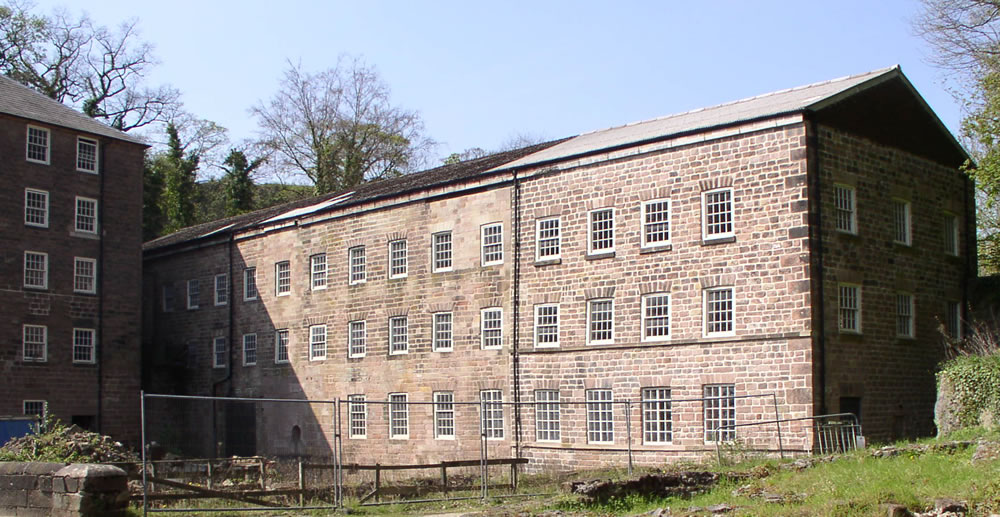 Artifact
Primary source
Cromford Mill
Richard Arkwright · 1771
 Painting
Primary source
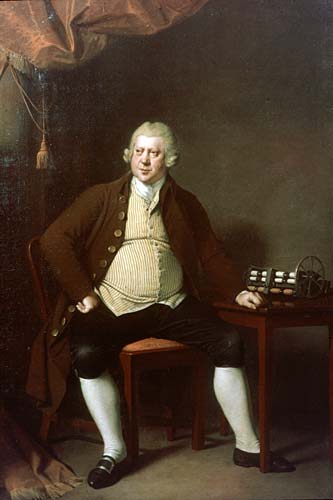
Portrait of Richard Arkwright
Joseph Wright of Derby · 1790
 Artifact
Primary source
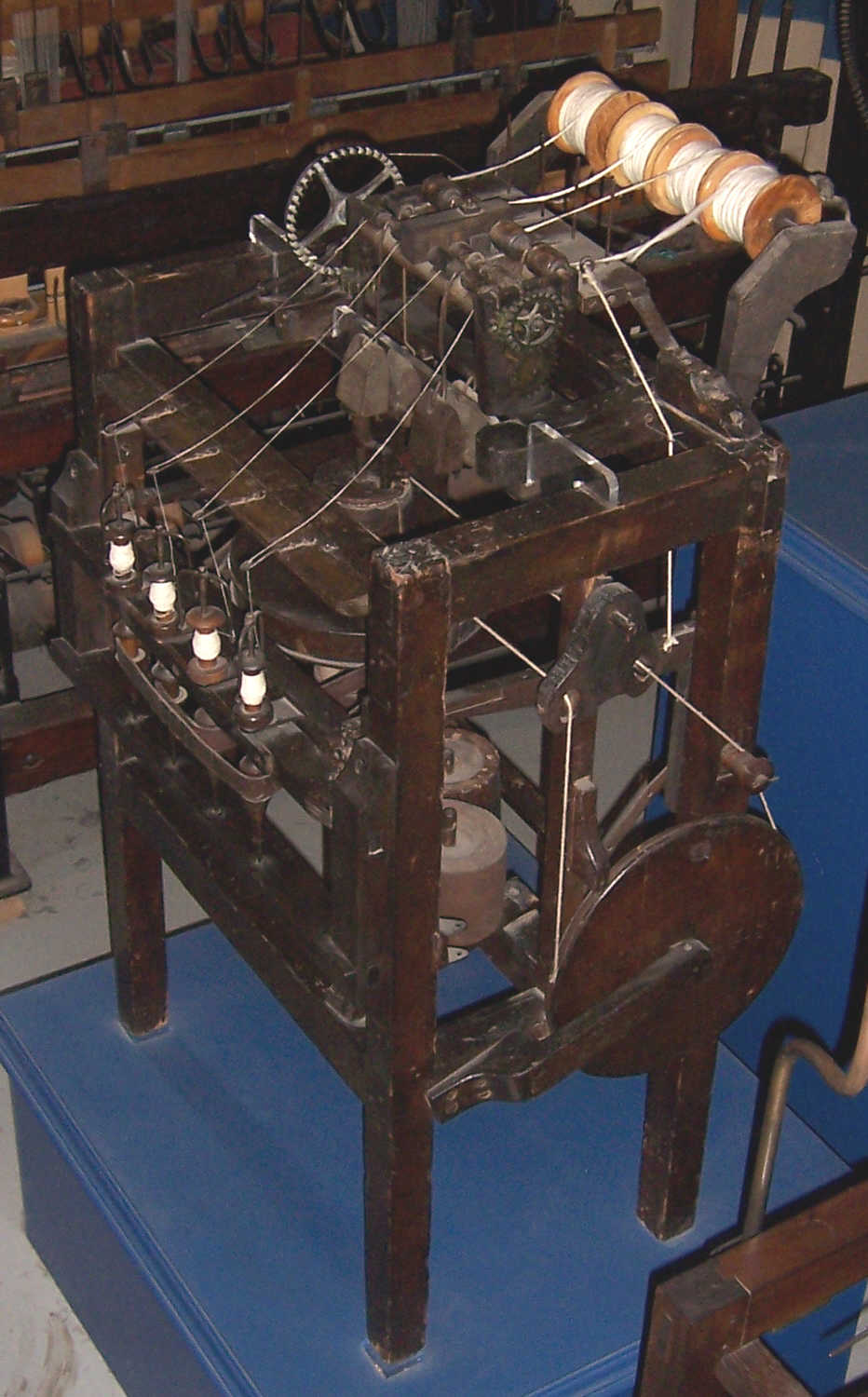
Arkwright Water Frame
1775
 Artifact
Primary source
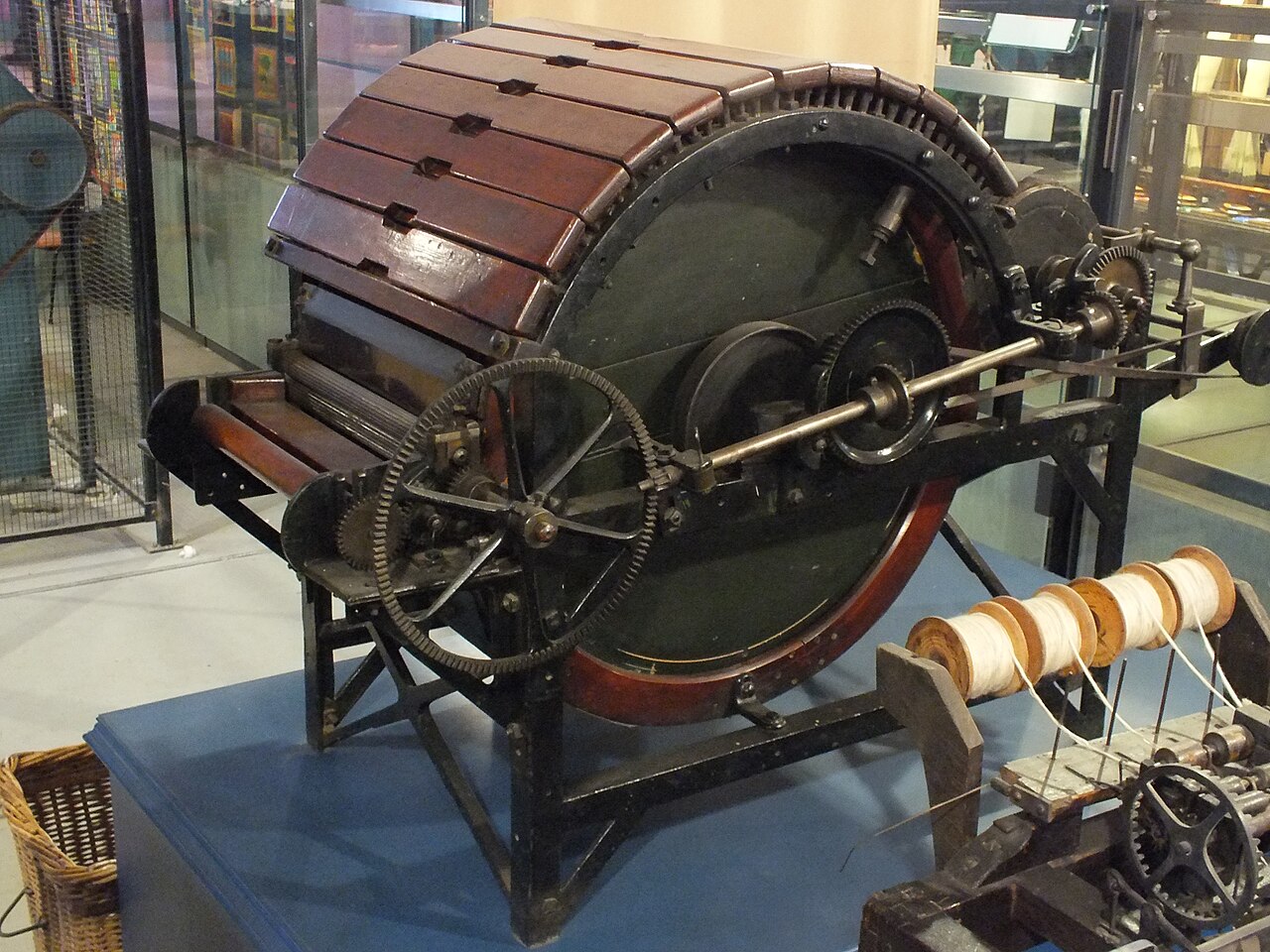
Arkwright's Carding Machine
1775
Primary source
The Case of Mr. Richard Arkwright and Co.
Richard Arkwright · 1782
Ready when you are
Start chatting with Richard Arkwright now.
20 messages free · No credit card · Available in 50+ languages.