


Secondary sourceSculpturec. 1st century BC
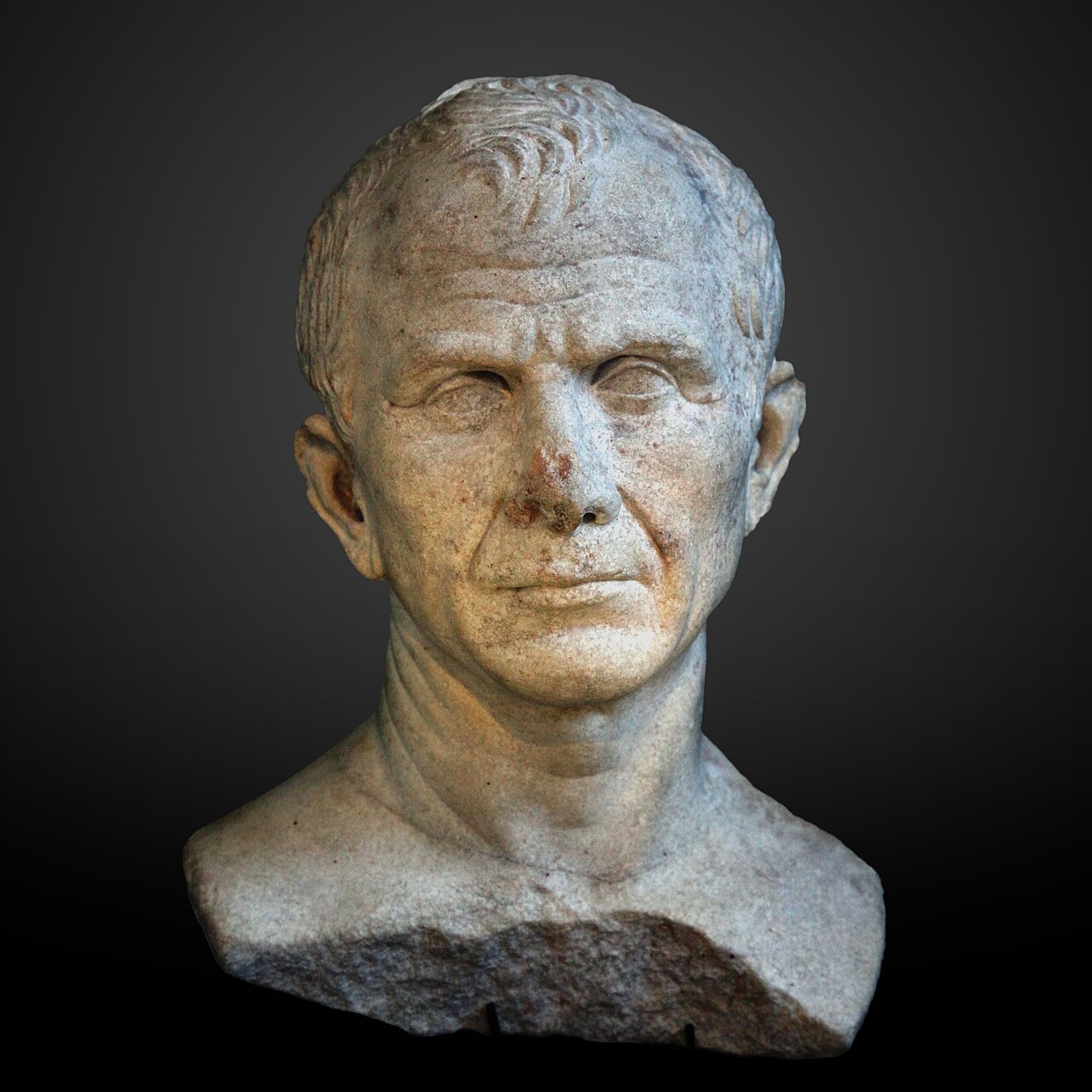
Arles bust
c. 1st century BC
A marble head recovered from the Rhône River, claimed by some archaeologists to be a lifetime portrait of Julius Caesar.
This bust is disputedly identified as a lifetime portrait of Caesar, debated among historians and archaeologists.
About this source
What it is
This life-sized marble bust was discovered underwater in the Rhône River near Arles, France, in 2007. It dates to around the 1st century BC and is held by the Musée départemental de l'Arles antique.
Why it matters
The archaeologists who found it claimed it was a portrait of Julius Caesar made around 46 BC, which would make it the oldest known image of him, created not long after he founded a veteran colony at Arles. But many historians, including Mary Beard and Paul Zanker, strongly dispute this, pointing out it doesn't closely resemble coin portraits of Caesar or the accepted
This sculpture is part of the curated material that grounds the AI version of Julius Caesar on Humy.ai — when students ask about related events, the AI can quote it and cite it.
More Julius Caesar sources
Meet the AI Julius Caesar →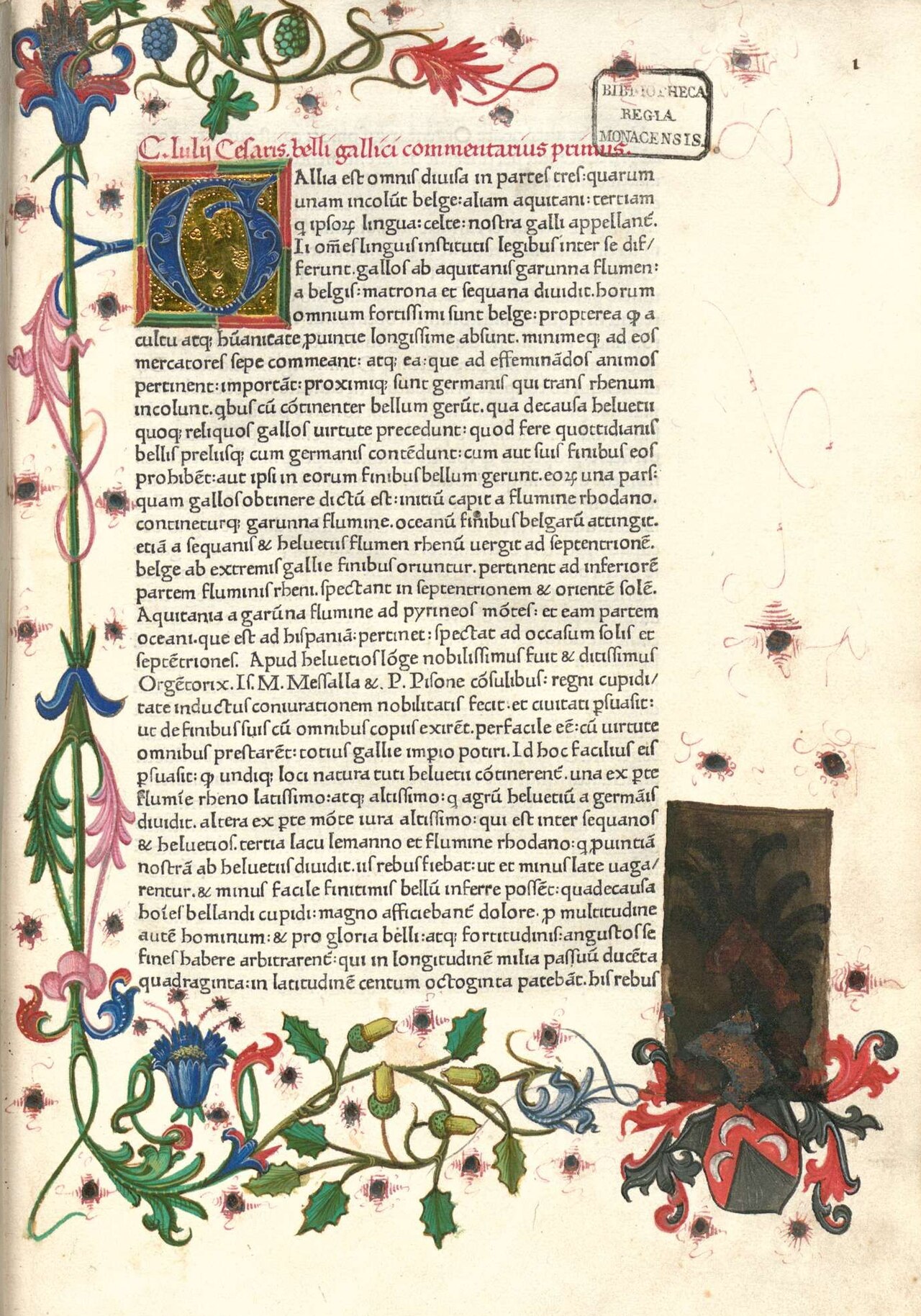 Book
Primary source
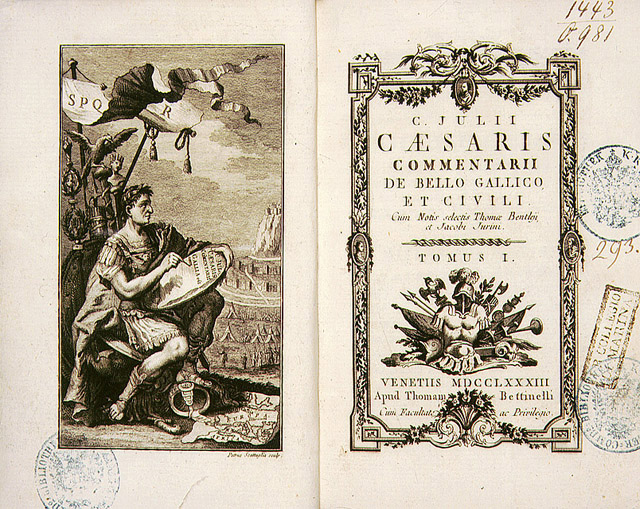
Commentarii de Bello Gallico
Julius Caesar · c. 58-50 BCE (this copy 1469)
 Painting
Secondary source
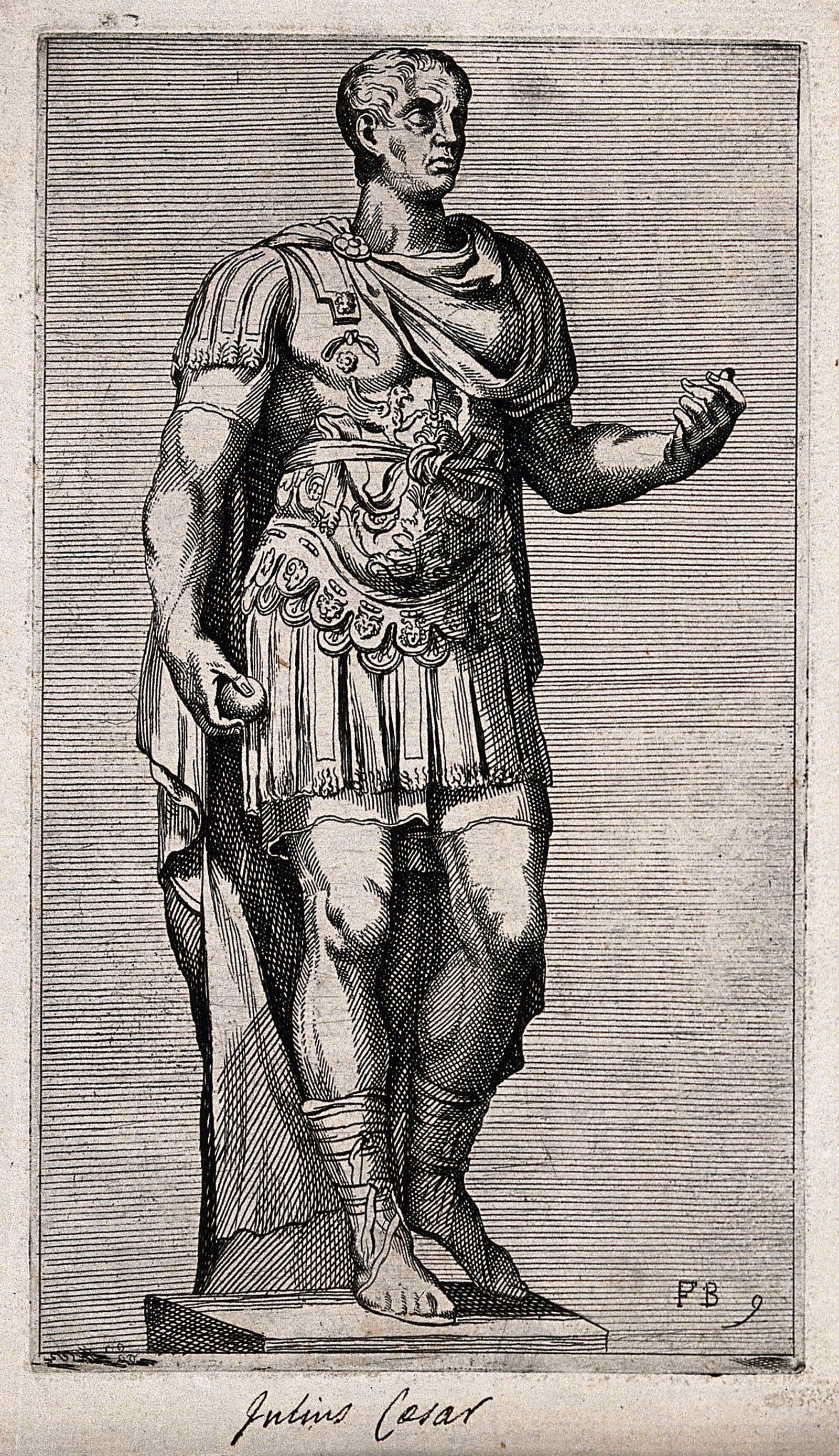
Etched Portrait of Julius Caesar
F. Perrier
 Painting
Secondary source
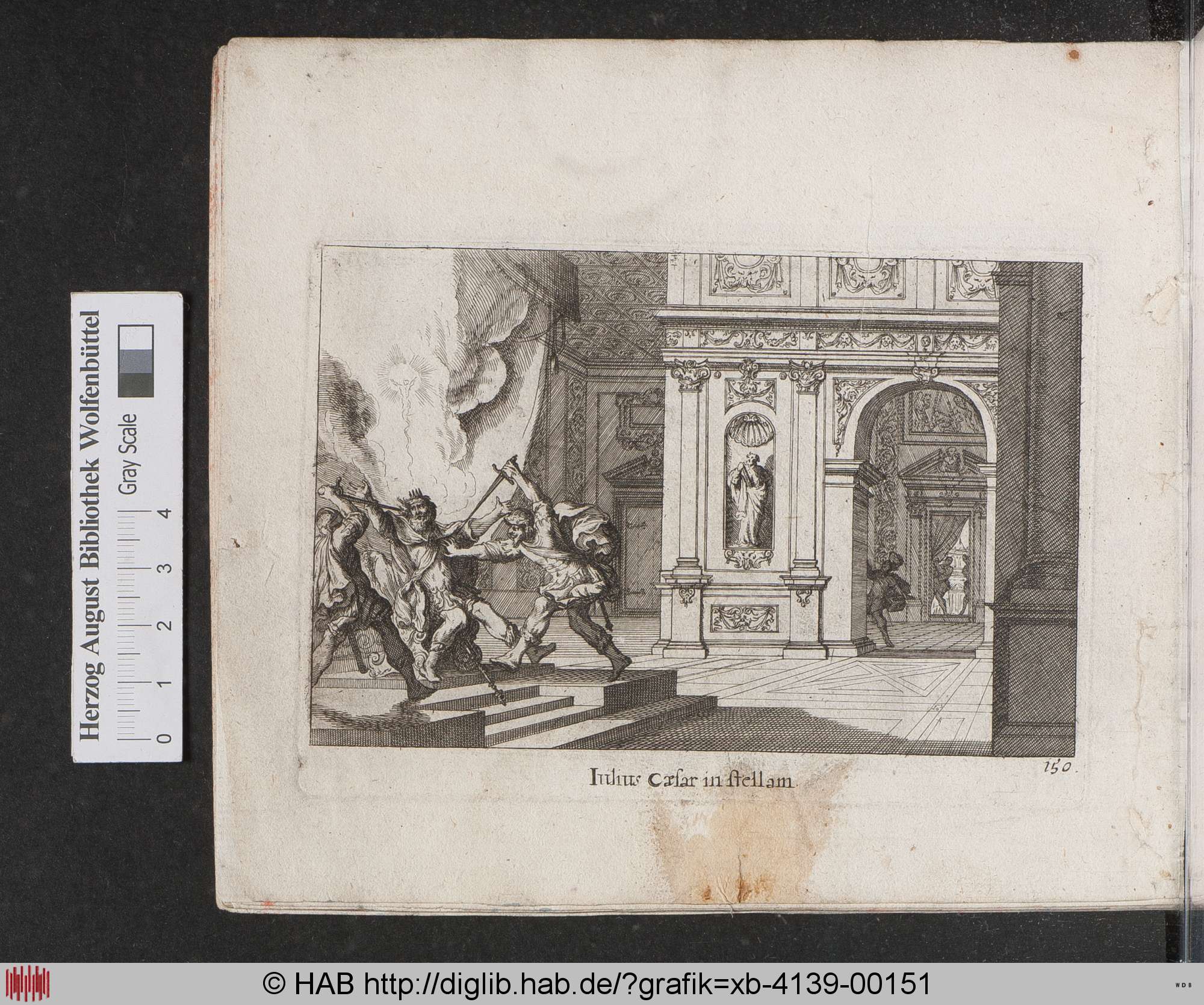
Murder of Julius Caesar in the Senate
 Book
Primary source
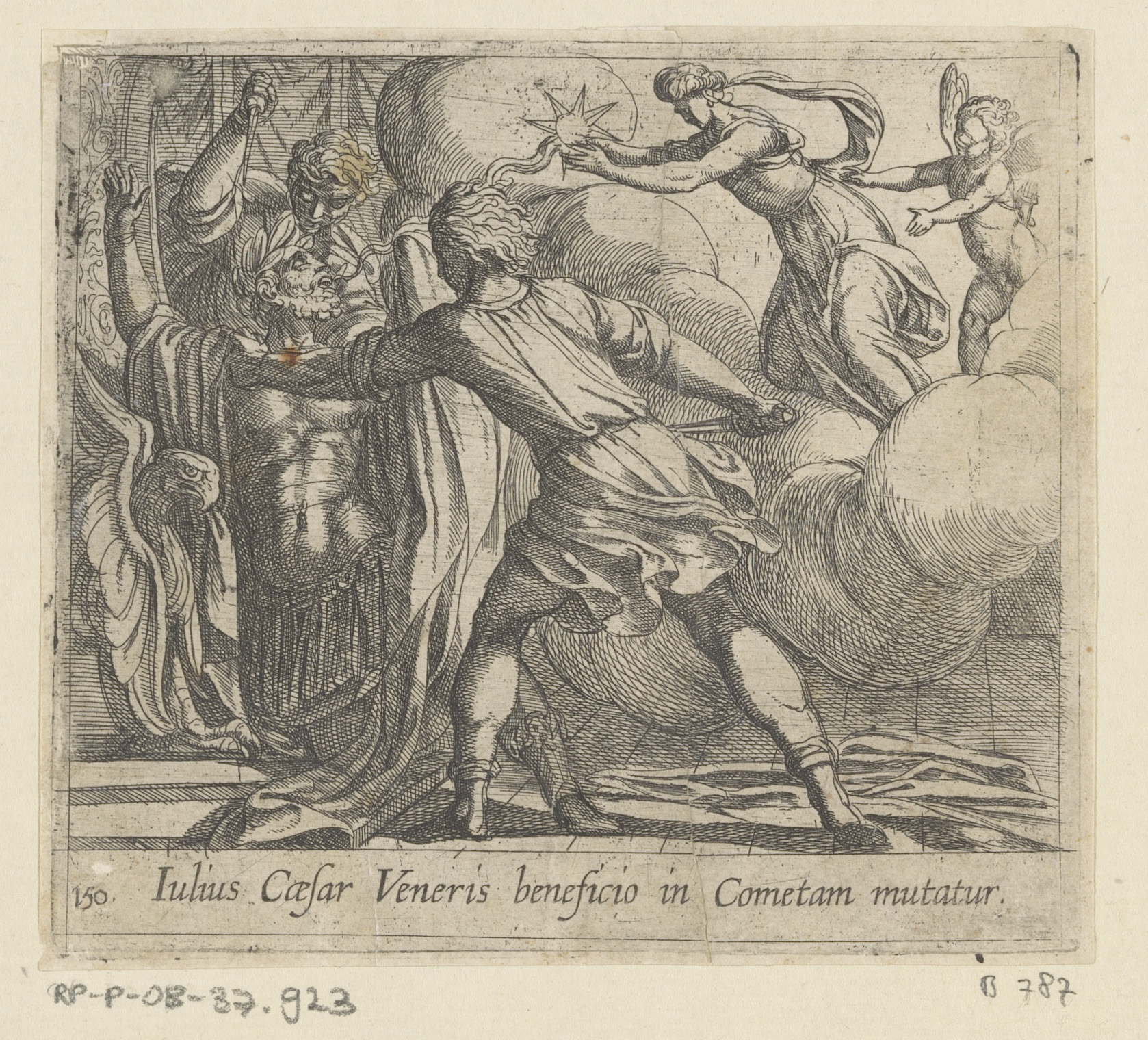
Commentarii de Bello Civili
Julius Caesar · 49-48 BCE
 Painting
Secondary source
The Murder of Julius Caesar
1606
Ready when you are
Start chatting with Julius Caesar now.
20 messages free · No credit card · Available in 50+ languages.