


Secondary sourceBookc. 1st–3rd century CE (traditionally attributed to Chanakya, c. 300 BCE)
Arthashastra
Chanakya (traditional attribution) · c. 1st–3rd century CE (traditionally attributed to Chanakya, c. 300 BCE)
A Sanskrit treatise on statecraft traditionally attributed to Chandragupta's minister Chanakya, the main source for how Mauryan government is imagined.
Traditionally written by Chandragupta's minister Chanakya, shaping how his reign and government are remembered.
About this source
What it is
The Arthashastra is an ancient Sanskrit treatise on politics, law, economics and military strategy. Tradition says it was written by Chanakya (Kautilya), the legendary advisor of Chandragupta Maurya, but modern scholars think it was compiled and expanded by several authors over centuries, reaching its current form between the 1st and 3rd centuries CE. It was lost for centuries and rediscovered in 1905.
Why it matters
Whether or not Chanakya wrote it, the Arthashastra became the classic text through which historians picture Mauryan government — its courts, spies, taxes and the king's duties. Its link to Chandragupta and Chanakya was strengthened later, especially during the Gupta era, to connect later rulers to the Mauryan legacy.
Look closer
- Why might later rulers want to connect their own advisors to the legendary Chanakya?
- What does it mean that scholars now doubt the text was written by one person at one time?
- How might a treatise on ideal government differ from how a kingdom was actually run?
This book is part of the curated material that grounds the AI version of Chandragupta Maurya on Humy.ai — when students ask about related events, the AI can quote it and cite it.
More Chandragupta Maurya sources
Meet the AI Chandragupta Maurya →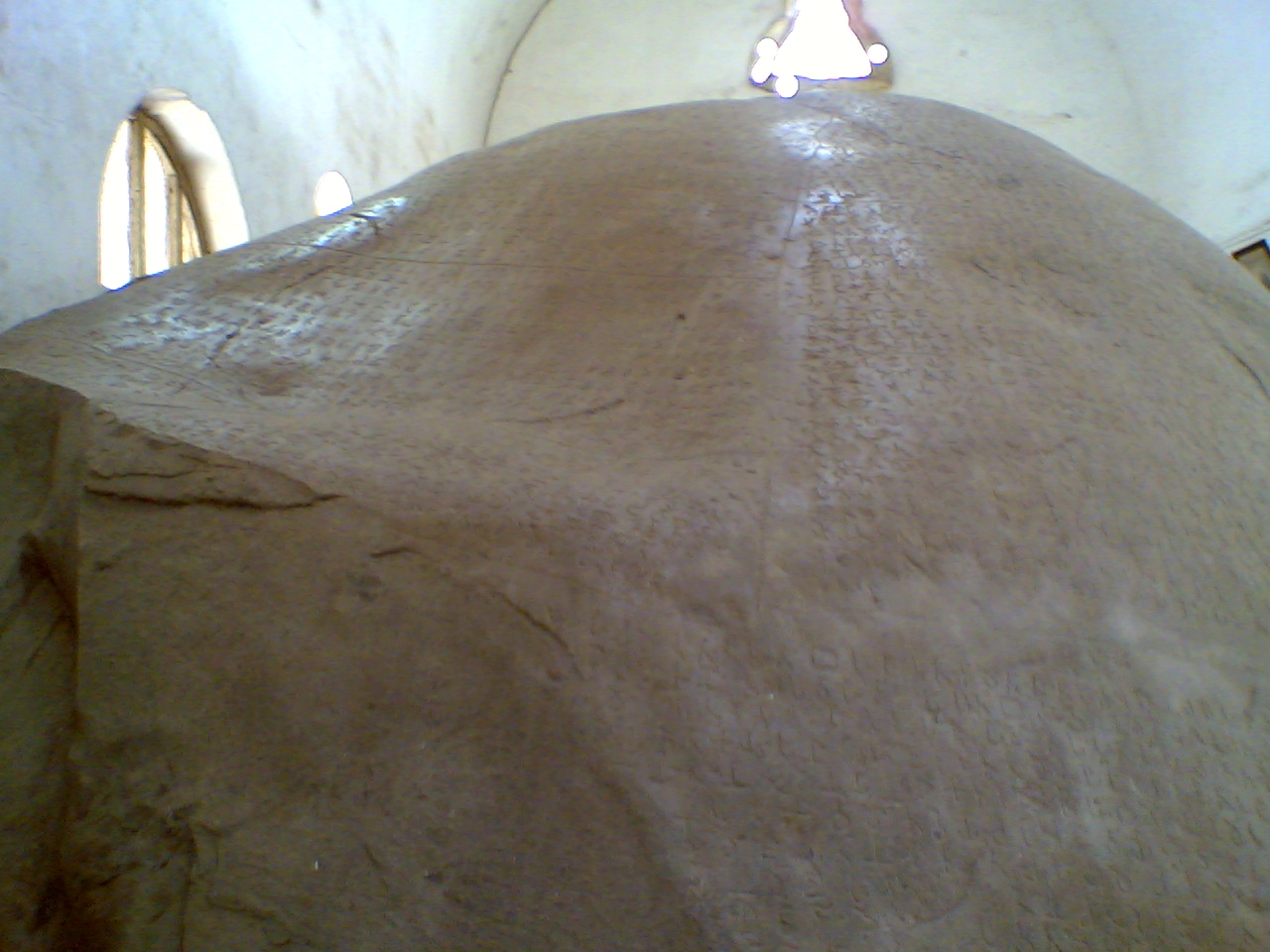 Document
Secondary source
Junagadh Rock Inscription of Rudradaman
Rudradaman I (commissioner) · shortly after 150 CE
 Book
Secondary source
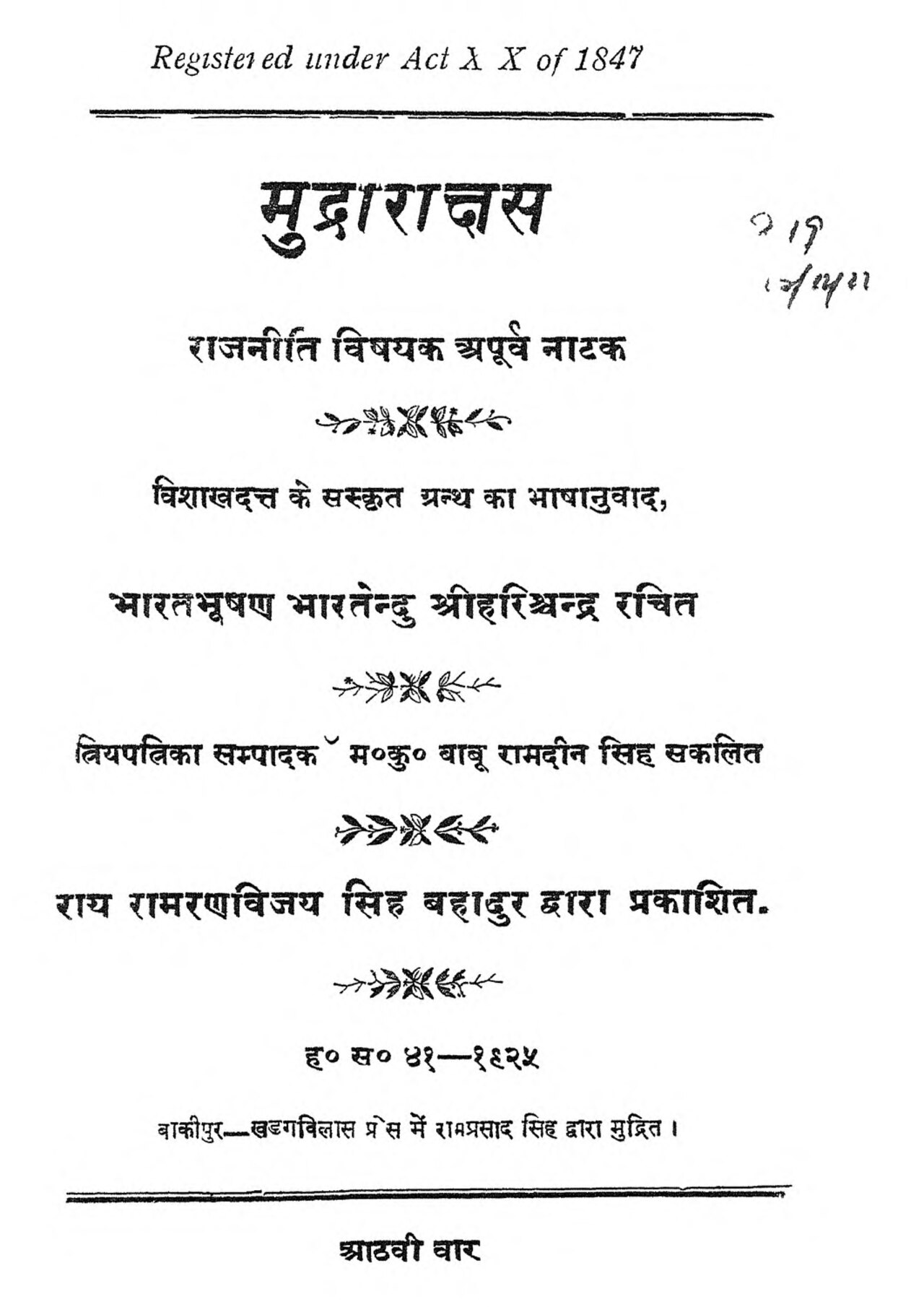
Mudrarakshasa
Vishakhadatta · between the 4th and 8th century CE
 Document
Primary source
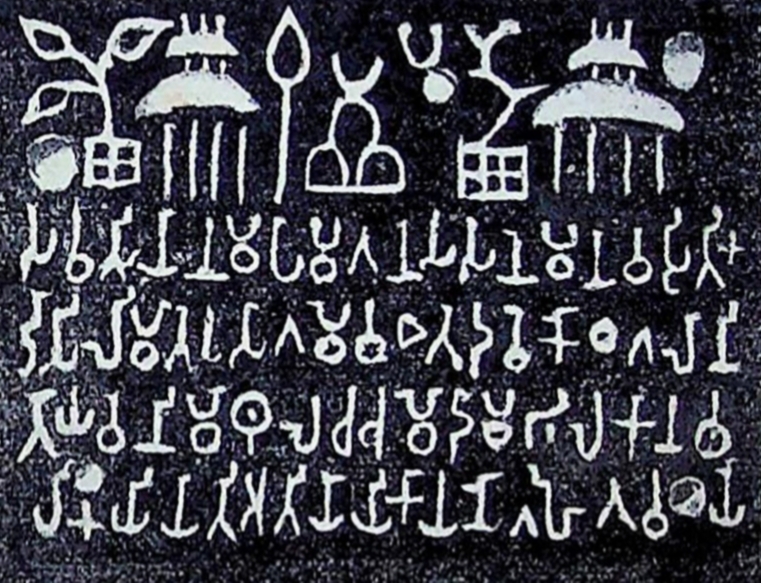
Sohgaura Copper Plate Inscription
3rd century BCE
 Document
Secondary source
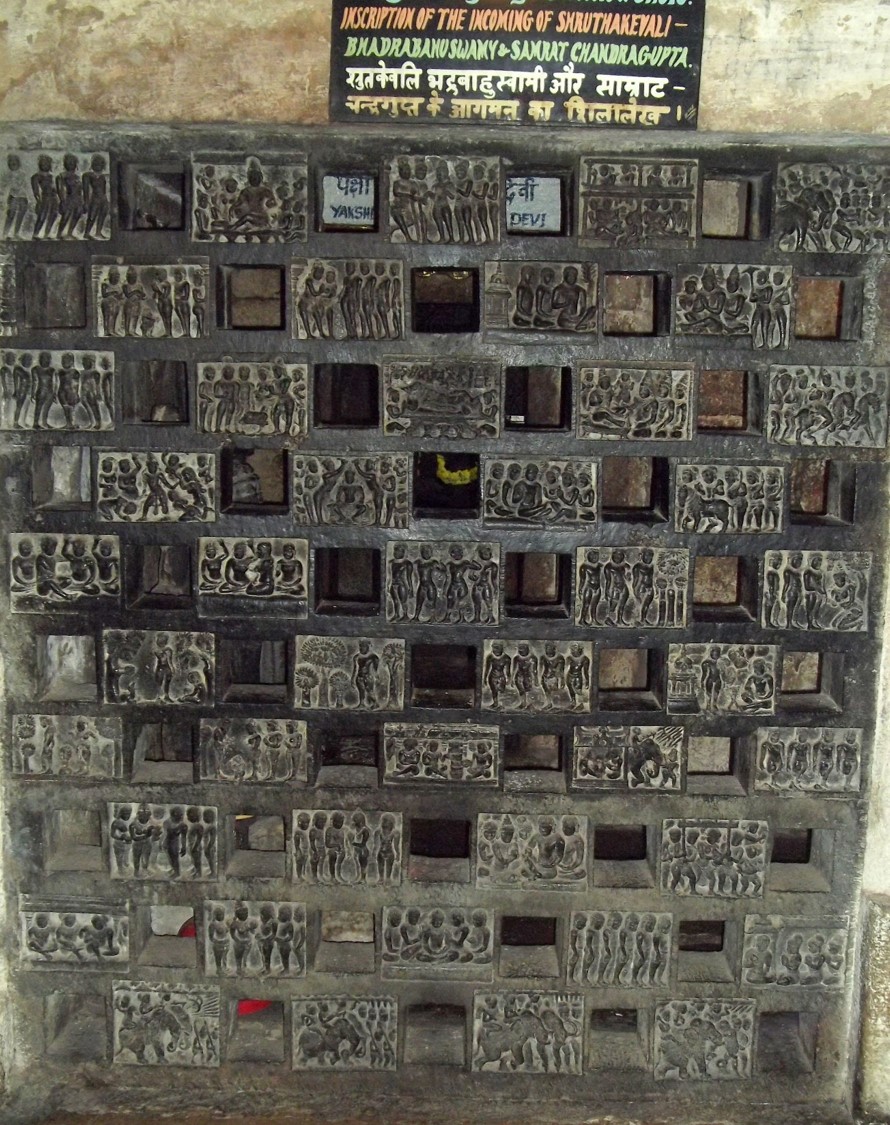
Shravanabelagola Inscription of Bhadrabahu and Chandragupta
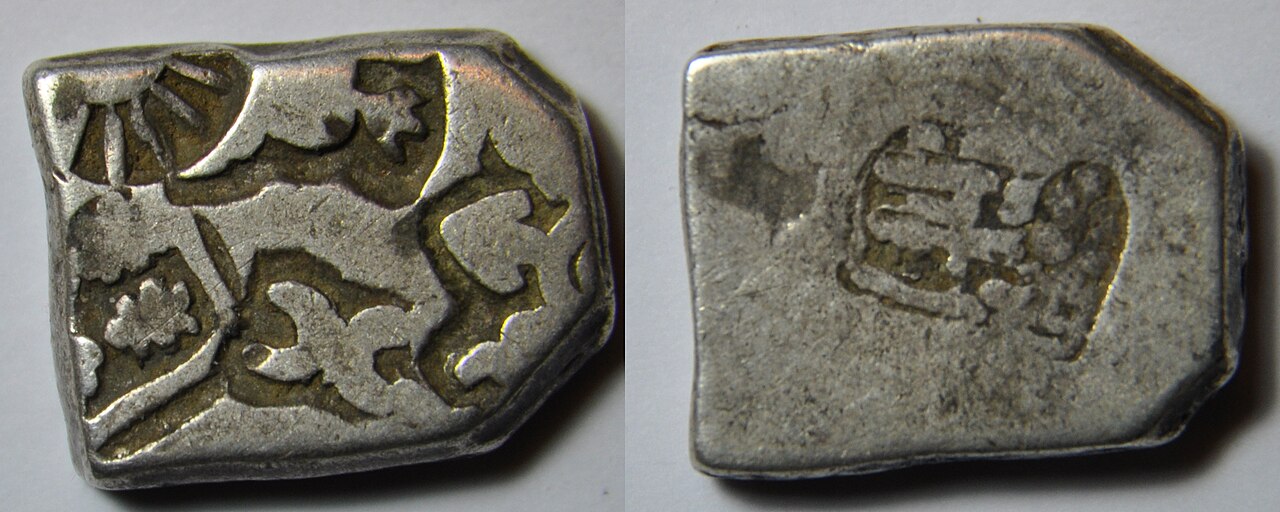 Artifact
Primary source
Mauryan Punch-Marked Silver Karshapana Coin
c. 4th–2nd century BCE
Ready when you are
Start chatting with Chandragupta Maurya now.
20 messages free · No credit card · Available in 50+ languages.