


Primary sourceDocument3rd century BCE
Sohgaura Copper Plate Inscription
3rd century BCE
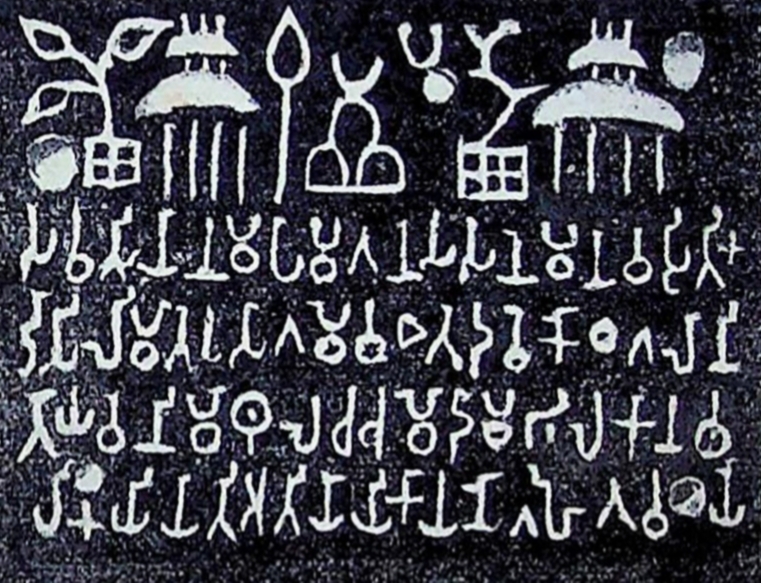
An early Brahmi-script copper plate recording famine-relief storehouses, sometimes linked to Chandragupta Maurya's reign.
An early administrative document some scholars connect to Chandragupta's Mauryan administration.
About this source
What it is
This copper plate, inscribed in early Brahmi script, is one of the oldest surviving administrative documents from ancient India, dated to around the 3rd century BCE. It records an order about storehouses for famine relief. Scholars Jaychandra Vidyalankar and Kashiprasad Jaysaval studied and published on this plate, and some have connected it to the Mauryan administration under Chandragupta.
Why it matters
If linked to Chandragupta's reign, the plate would be rare physical evidence of how the Mauryan state organised relief and storage for its people, beyond what later texts and inscriptions claim. It shows the kind of practical government record that survives from this very early period of Indian writing.
Look closer
- What does this object suggest about how the Mauryan state planned for hard times like famine?
- Why is dating such an early object to a specific king so difficult?
- What symbols can you identify on the plate, and what might they represent?
This document is part of the curated material that grounds the AI version of Chandragupta Maurya on Humy.ai — when students ask about related events, the AI can quote it and cite it.
More Chandragupta Maurya sources
Meet the AI Chandragupta Maurya →Secondary source
Arthashastra
Chanakya (traditional attribution) · c. 1st–3rd century CE (traditionally attributed to Chanakya, c. 300 BCE)
 Document
Secondary source
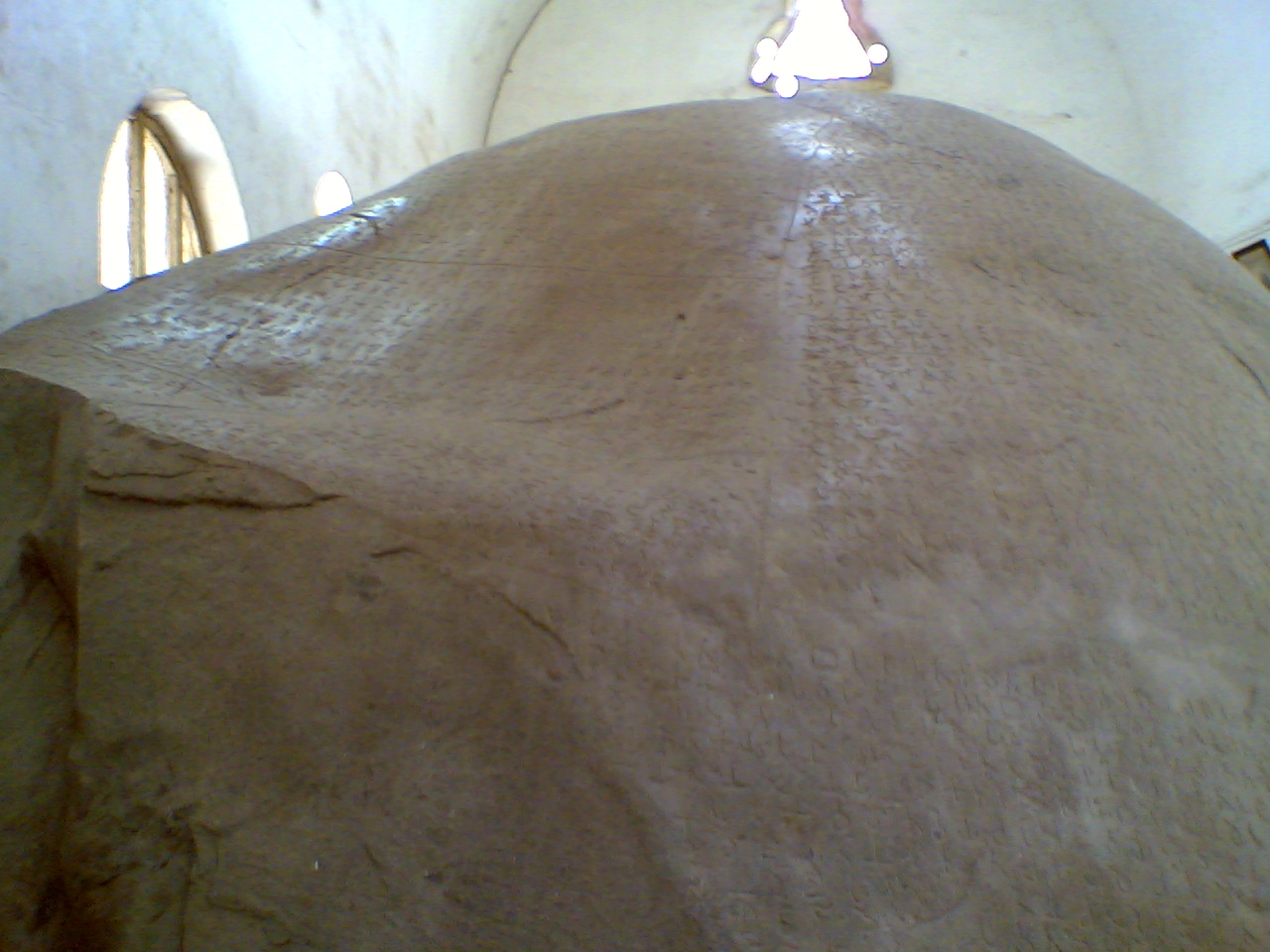
Junagadh Rock Inscription of Rudradaman
Rudradaman I (commissioner) · shortly after 150 CE
 Book
Secondary source
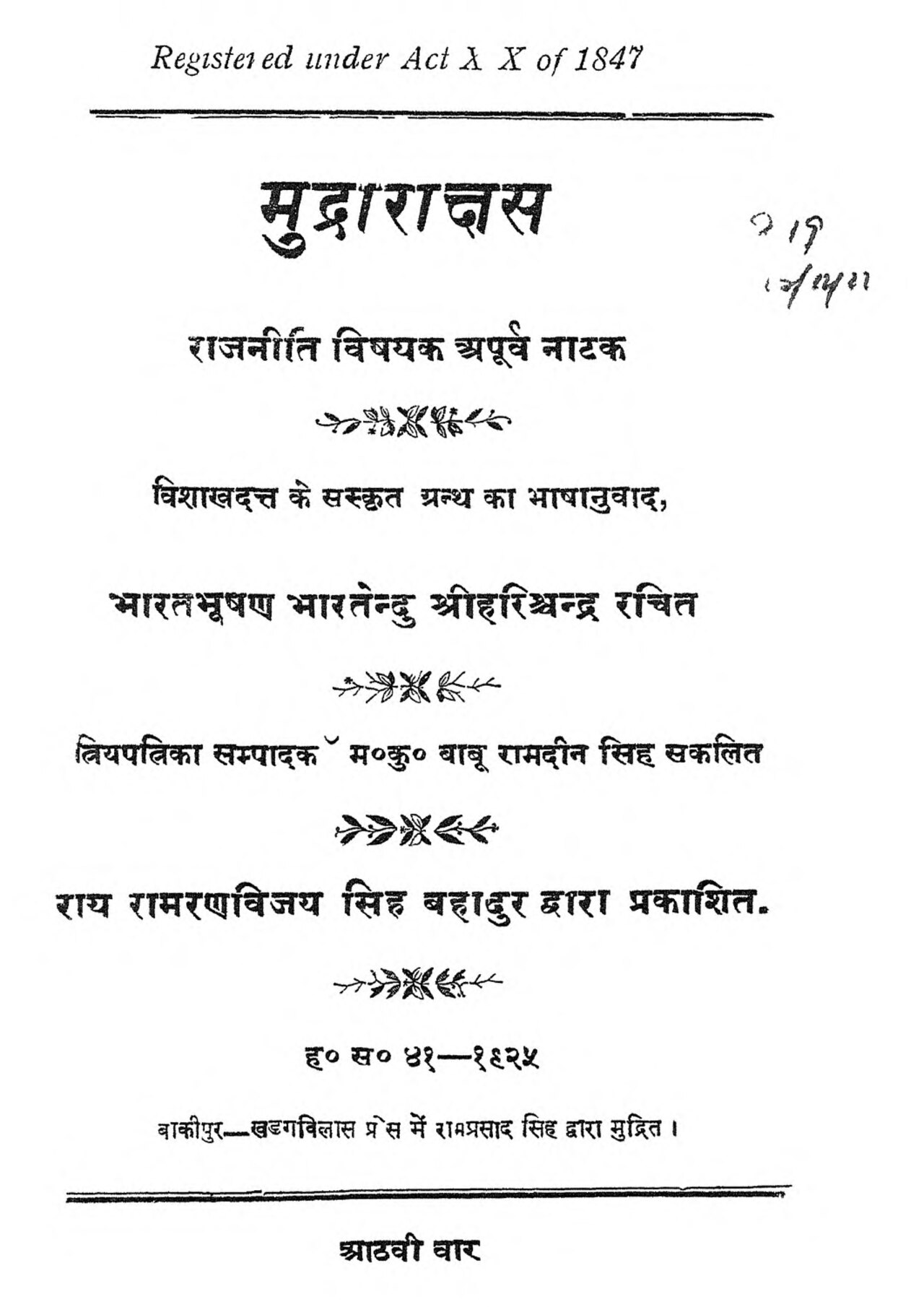
Mudrarakshasa
Vishakhadatta · between the 4th and 8th century CE
 Document
Secondary source
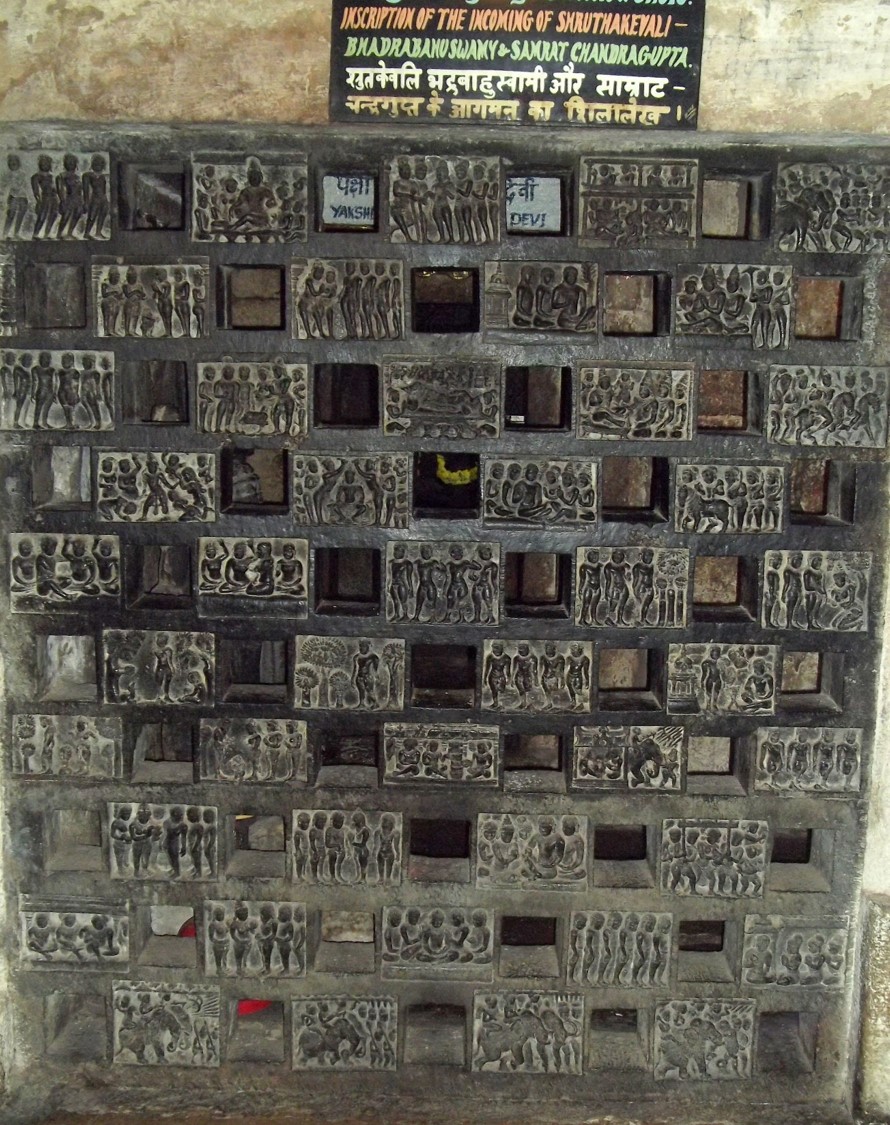
Shravanabelagola Inscription of Bhadrabahu and Chandragupta
 Artifact
Primary source
Mauryan Punch-Marked Silver Karshapana Coin
c. 4th–2nd century BCE
Ready when you are
Start chatting with Chandragupta Maurya now.
20 messages free · No credit card · Available in 50+ languages.