


Secondary sourcePainting
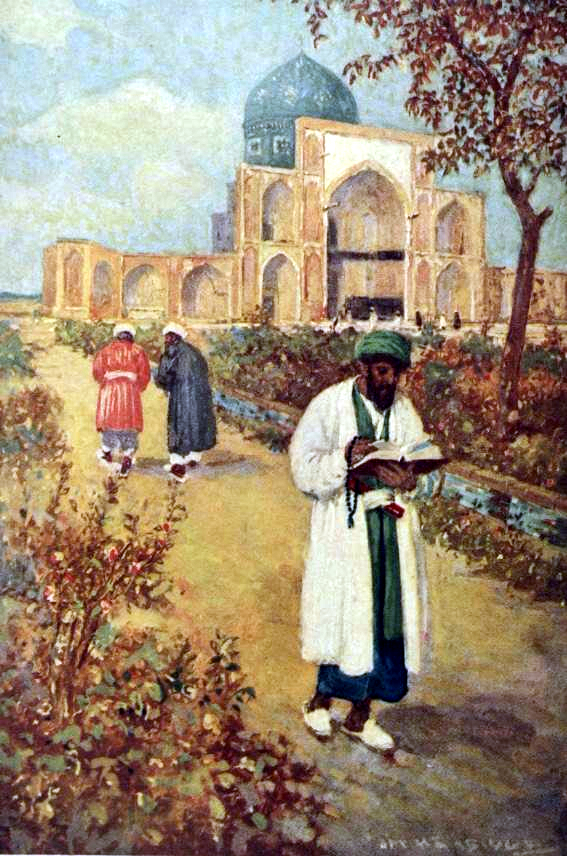
At the Tomb of Omar Khayyam
Jay Hambidge
A 19th-century illustration imagining a visit to Khayyam's tomb, reflecting Western romantic fascination with the poet and the legendary rose anecdote tied to his grave.
An imagined Western illustration of Khayyam's tomb, showing how his legend was pictured abroad long after his death.
About this source
What it is
This is a drawing by the artist Jay Hambidge showing a scene at the tomb of Omar Khayyam. It depicts a sunlit garden path with a man holding a book and beads, and figures walking toward a domed building, evoking the atmosphere described in old accounts of the poet's grave.
Why it matters
In the 19th century, Western readers became fascinated with Khayyam largely through FitzGerald's translation of his poetry. This romanticized image drew on earlier Persian writer Nizami Aruzi's story about roses blooming at Khayyam's tomb, and artists like Hambidge helped spread this picturesque, somewhat imagined version of the poet's resting place to English-speaking audiences.
Look closer
- Does this picture look like a realistic record or an imagined, idealized scene? What details suggest this?
- Why might Western artists have been drawn to illustrate a Persian poet's tomb?
- What story or legend might this image be trying to illustrate?
This painting is part of the curated material that grounds the AI version of Omar Khayyam on Humy.ai — when students ask about related events, the AI can quote it and cite it.
More Omar Khayyam sources
Meet the AI Omar Khayyam →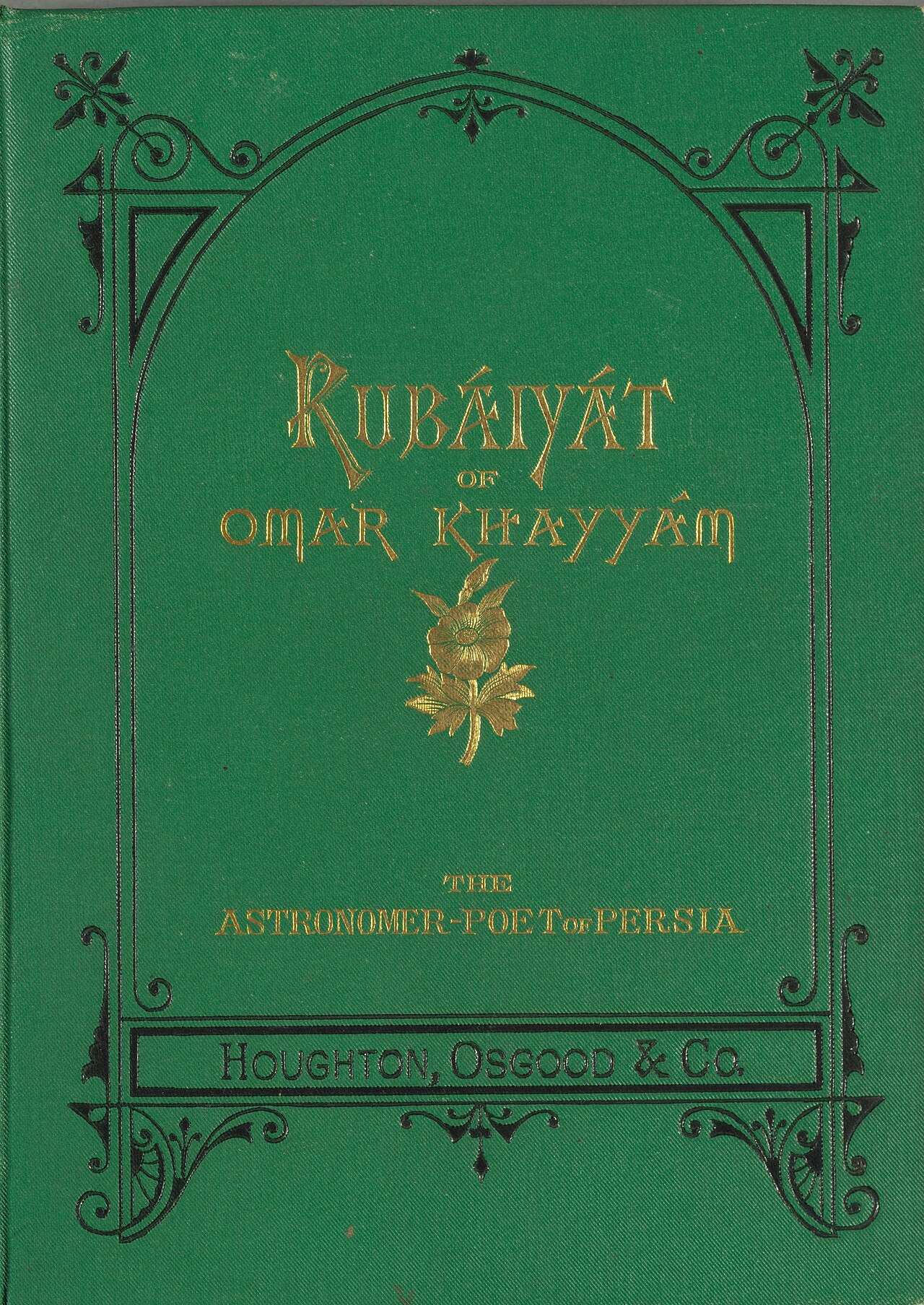 Book
Secondary source
Rubáiyát of Omar Khayyám
Edward FitzGerald · 1878
 Document
Primary source
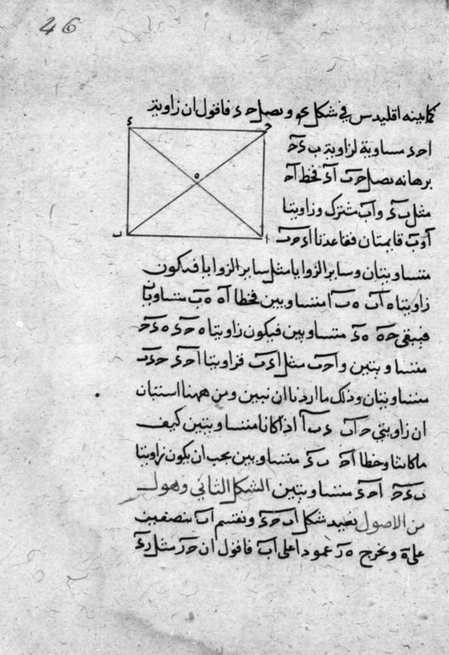
Khayyam Geometry Manuscript
Omar Khayyám
Secondary source
The Rubaiyat of Omar Khayyam (First Edition)
Edward FitzGerald · 1859
 Book
Secondary source
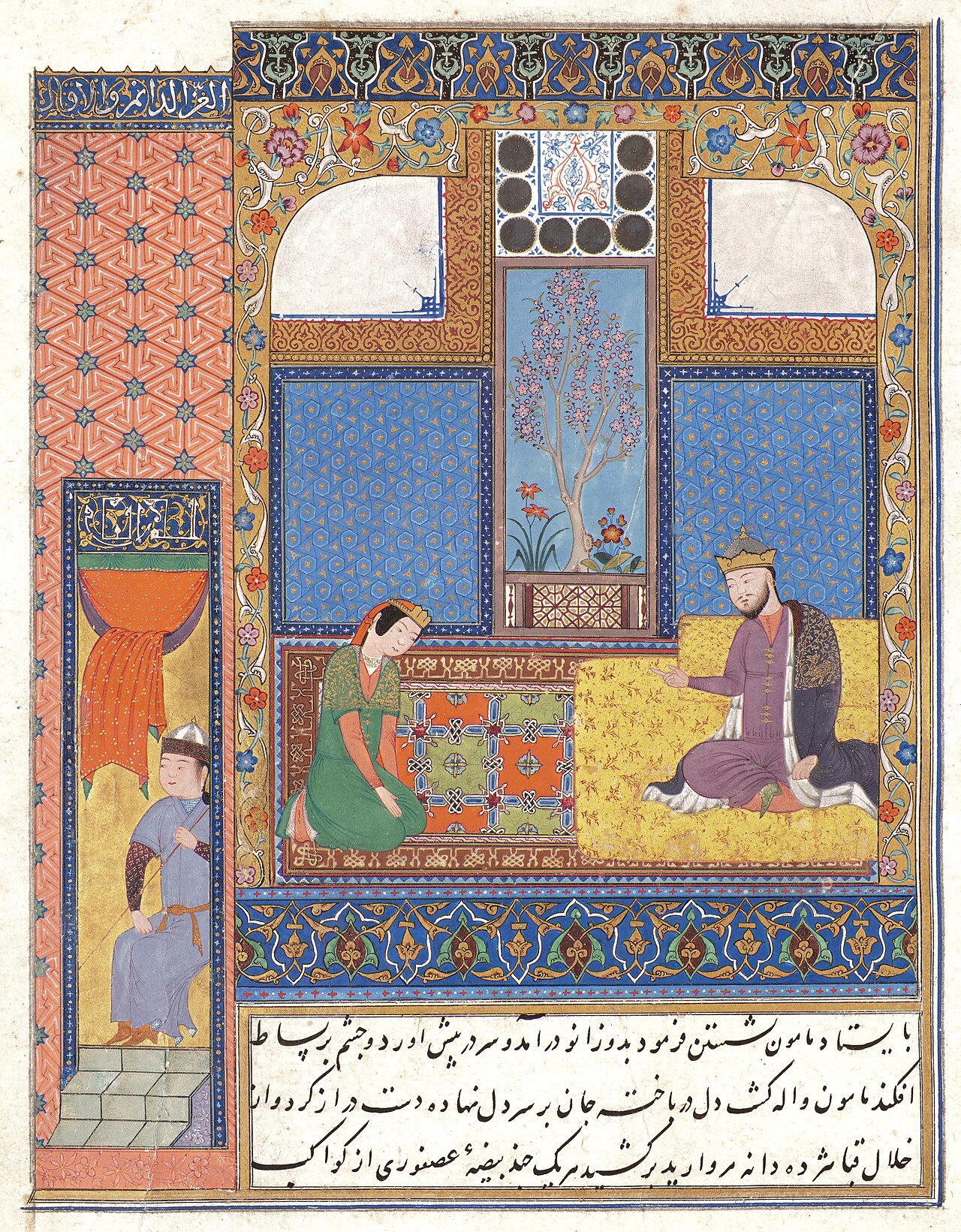
Chahar Maqala
Nizami Aruzi · 1155–1157
 Artifact
Secondary source
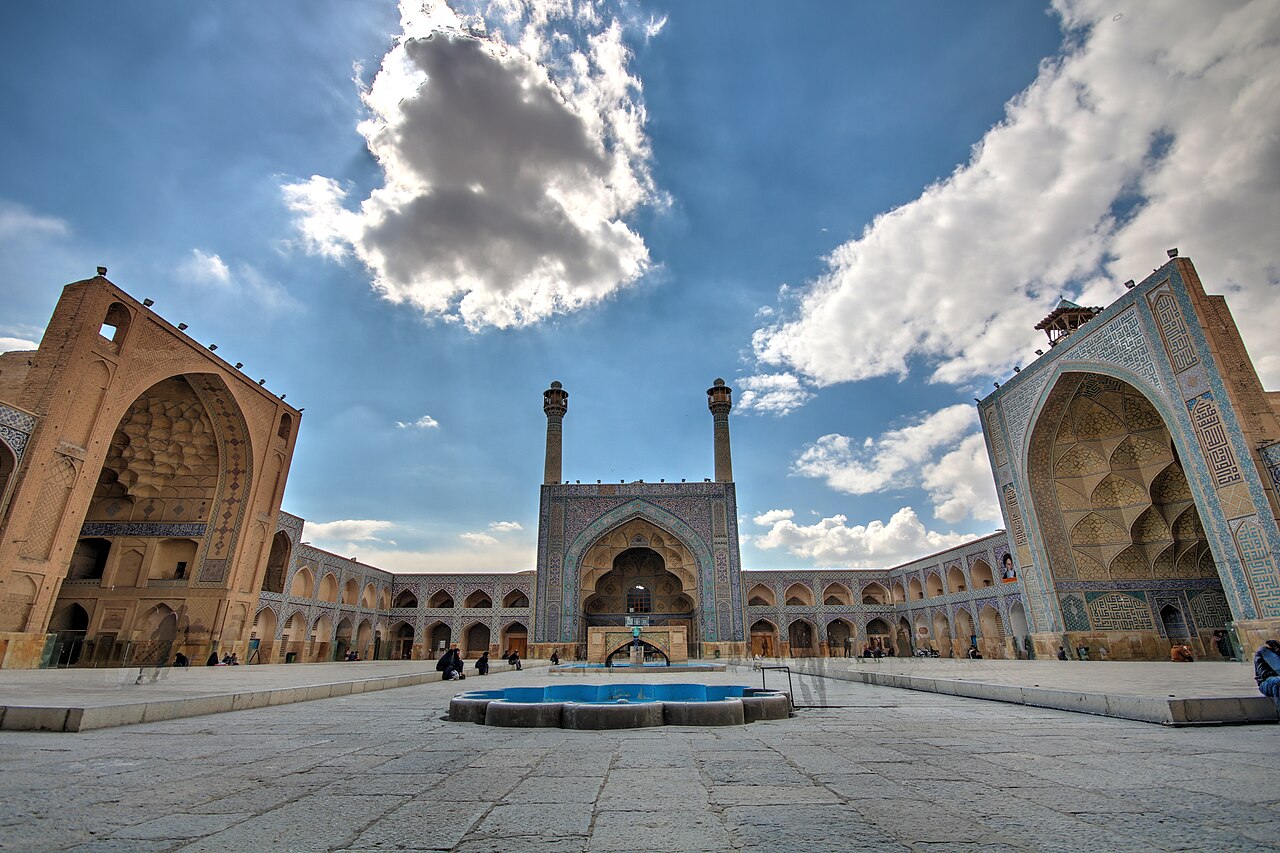
Jameh Mosque of Isfahan
841 (rebuilt 1086-1089 under Khayyám's patrons)
Ready when you are
Start chatting with Omar Khayyam now.
20 messages free · No credit card · Available in 50+ languages.