


Secondary sourceBook1155–1157
Chahar Maqala
Nizami Aruzi · 1155–1157
A 12th-century Persian prose work by Khayyám's own student, containing eyewitness anecdotes about him, including the story of his tomb.
Written by Khayyám's own student, this book preserves eyewitness anecdotes about his life and death.
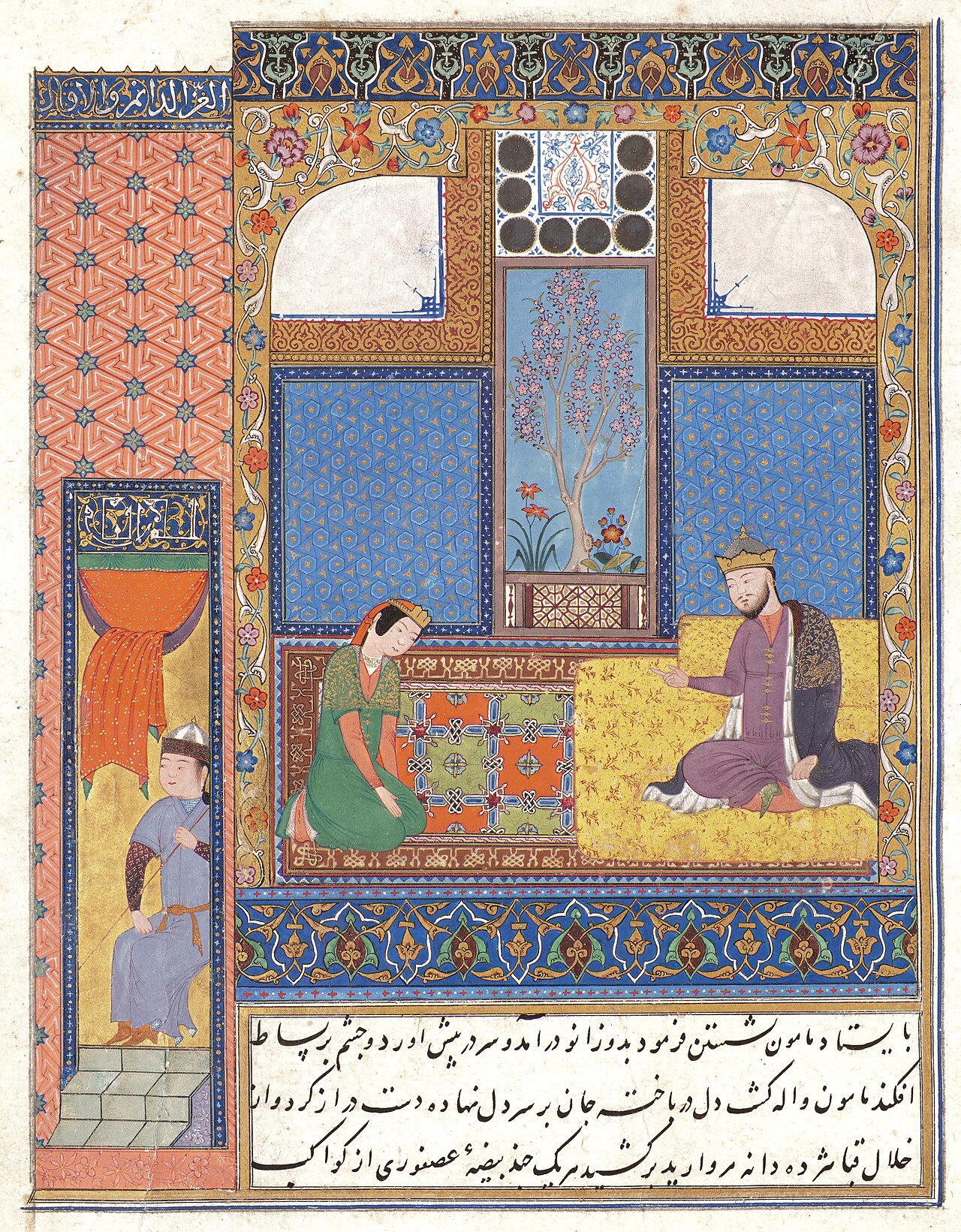
About this source
What it is
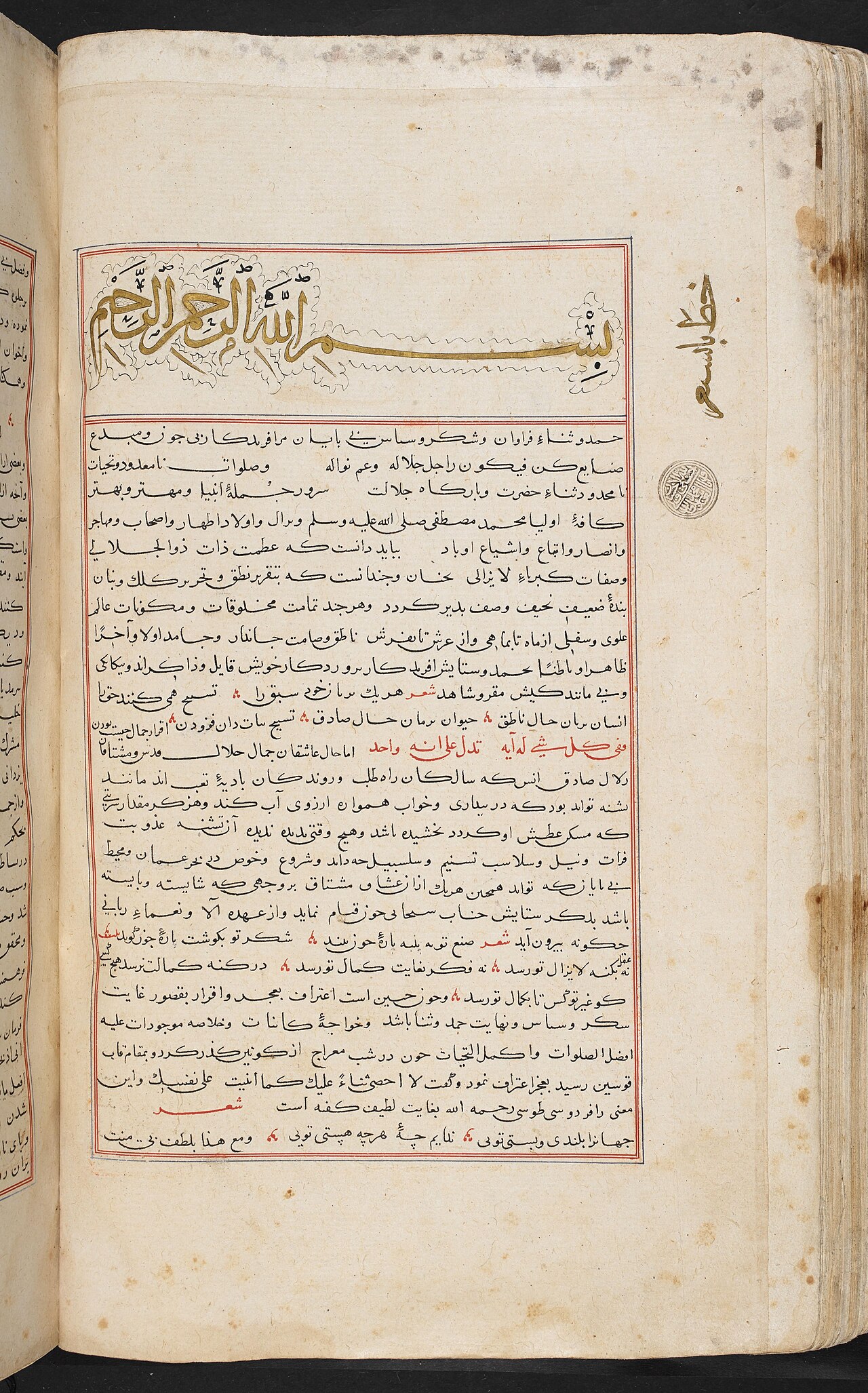
Written between 1155 and 1157 by Nizami Aruzi, the Chahar Maqala ("Four Discourses") is a Persian prose work in four chapters about the roles considered essential to a king: secretary, poet, astrologer and physician. The illustrated page shown here, from a 1431 Timurid manuscript in the Baysunghur school, depicts a scene from the text.
Why it matters
Nizami Aruzi had been a student of Omar Khayyám, and his book preserves an eyewitness anecdote about Khayyám, including the famous story of a prophecy about his own grave and a visit to his rose-strewn tomb in Nishapur. The work is also a major source for the literary and political culture of the Seljuk era, with anecdotes about poets like Ferdowsi and scientists like Bīrūnī and Rāzī.
Look closer
- Why might a student's firsthand account be considered especially valuable evidence about Khayyám?
- What does the painted scene show about how later generations imagined this world?
- How might a story written decades after someone's death change in the retelling?
This book is part of the curated material that grounds the AI version of Omar Khayyam and Al-Biruni on Humy.ai — when students ask about related events, the AI can quote it and cite it.
More Omar Khayyam sources
Meet the AI Omar Khayyam →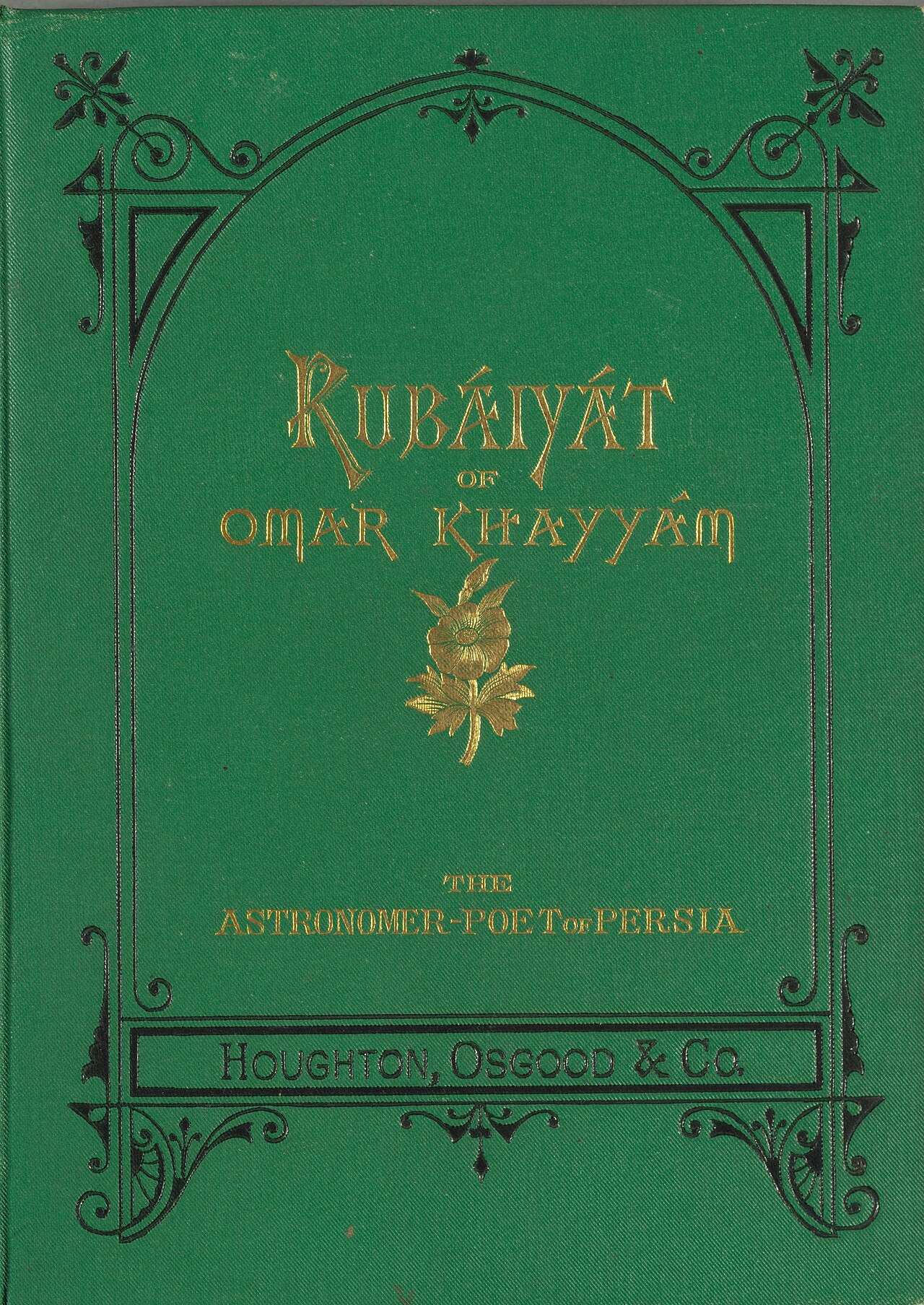 Book
Secondary source
Rubáiyát of Omar Khayyám
Edward FitzGerald · 1878
 Document
Primary source
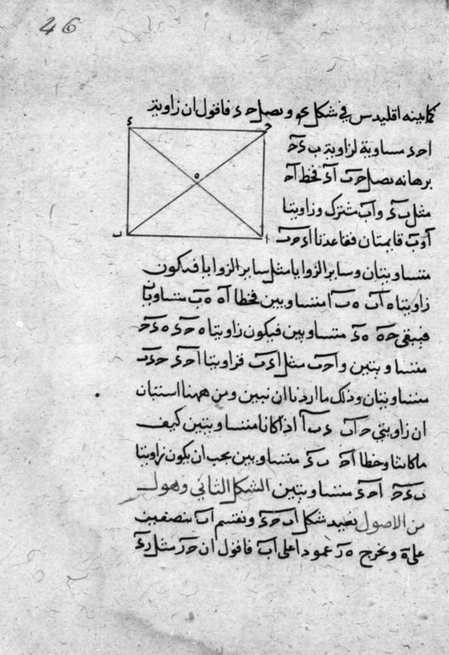
Khayyam Geometry Manuscript
Omar Khayyám
Secondary source
The Rubaiyat of Omar Khayyam (First Edition)
Edward FitzGerald · 1859
 Artifact
Secondary source
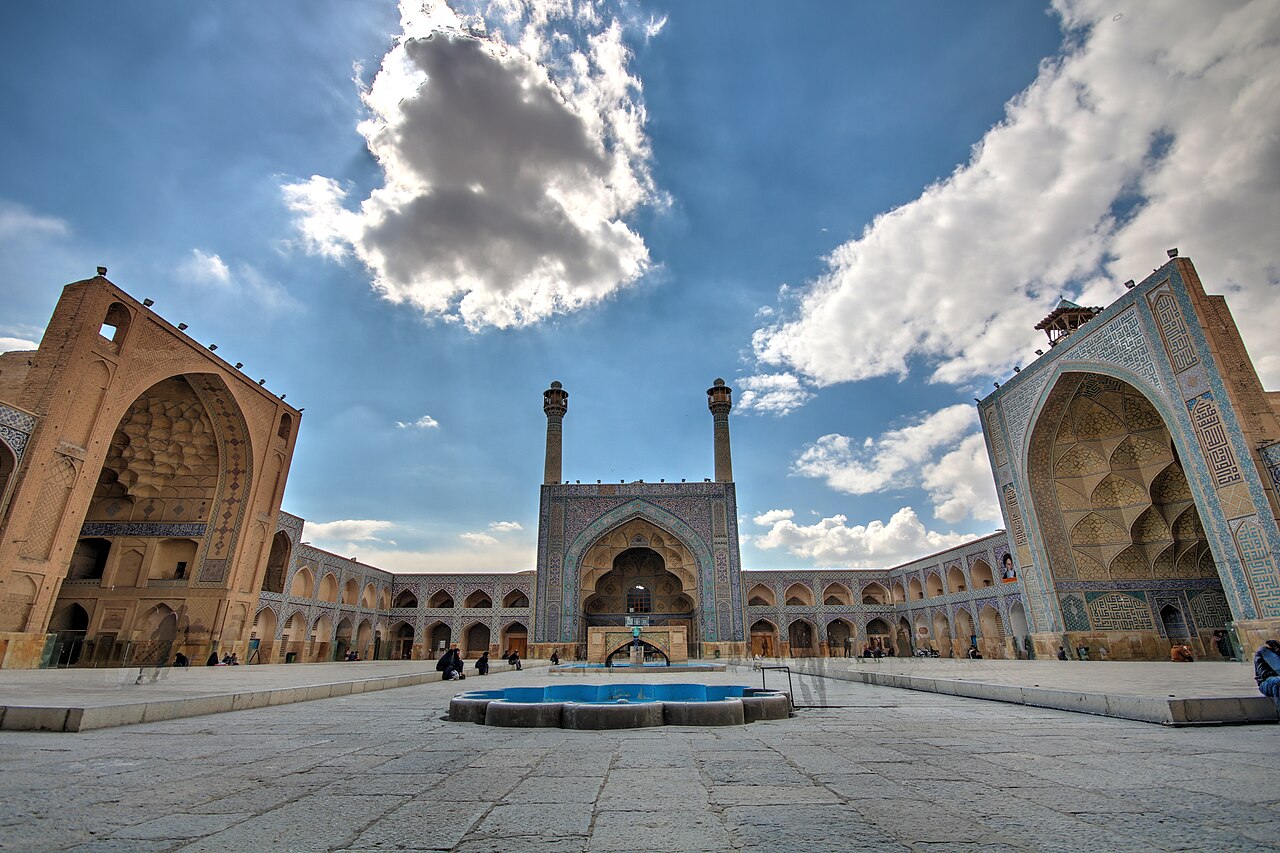
Jameh Mosque of Isfahan
841 (rebuilt 1086-1089 under Khayyám's patrons)
 Book
Secondary source
Jami' al-tawarikh
Rashid al-Din Hamadani · c. 1400 (manuscript copy)
Ready when you are
Start chatting with Omar Khayyam now.
20 messages free · No credit card · Available in 50+ languages.