


Primary sourceArtifact10th century CE
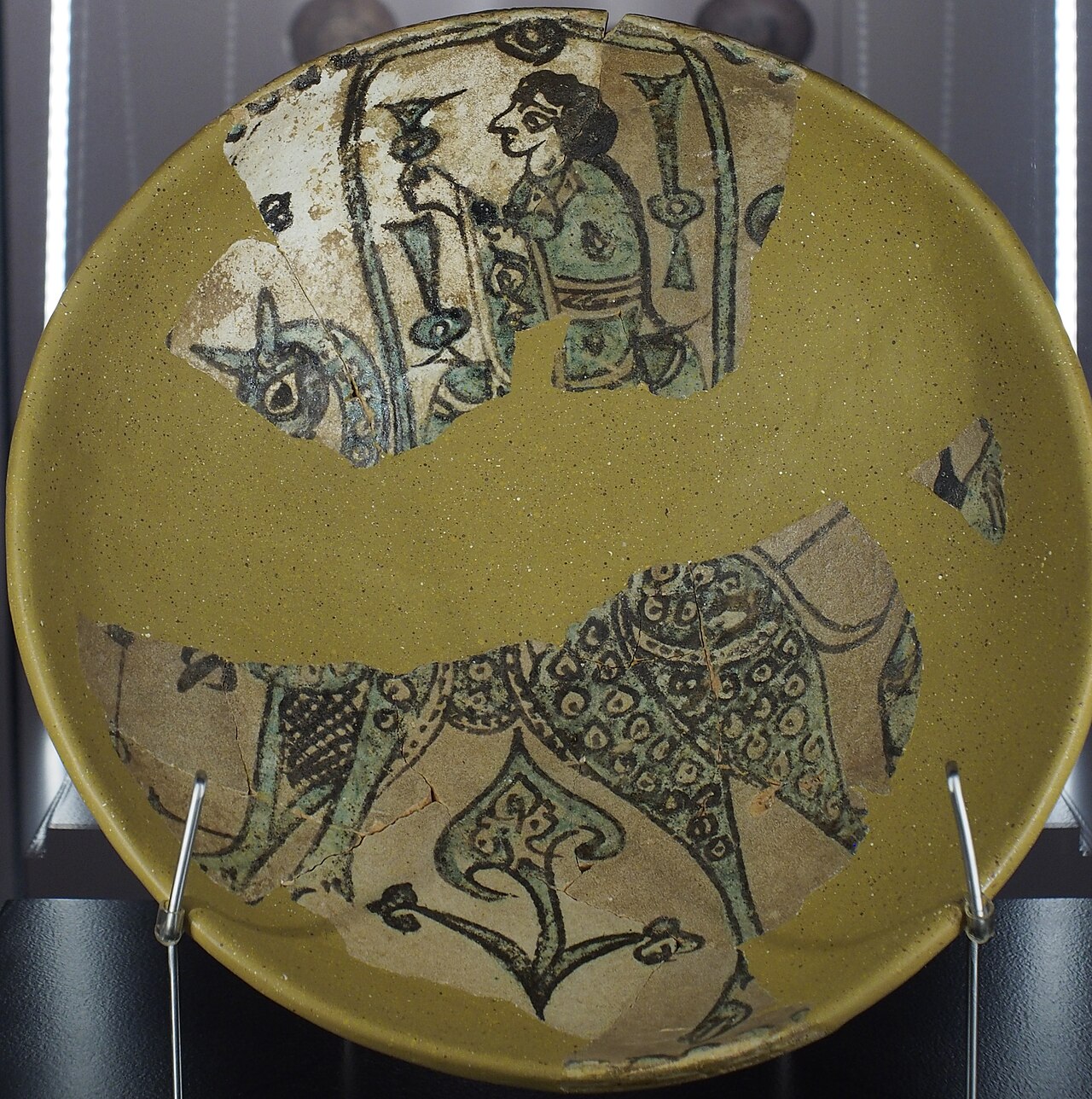
Ataifor of Guadalajara
10th century CE
A glazed ceramic dish from the caliphal period showing a seated ruler figure, often used as the closest surviving image associated with Abd ar-Rahman III.
This dish is sometimes used as the closest surviving visual association with Abd ar-Rahman III, though it does not certainly depict him.
About this source
What it is
This is a shallow glazed ceramic dish (ataifor) dated to the 10th century, decorated with painted figures and animal shapes. It is held by the Museo de Guadalajara and survives in reassembled pieces.
Why it matters
No confirmed portrait of Abd ar-Rahman III survives, so objects like this dish, showing a seated figure that may represent a ruler, are sometimes used to suggest how caliphal authority was pictured in the art of his time. It is a reminder of how much Islamic art of this period relied on decorative and symbolic imagery rather than individual portraits.
Look closer
- Why can't historians be certain this figure represents Abd ar-Rahman III specifically?
- What do the painted figures and animals tell you about the artistic style of the period?
- Why might a dish, rather than a painting, be one of the few surviving images from this era?
This artifact is part of the curated material that grounds the AI version of Abd al-Rahman III on Humy.ai — when students ask about related events, the AI can quote it and cite it.
More Abd al-Rahman III sources
Meet the AI Abd al-Rahman III →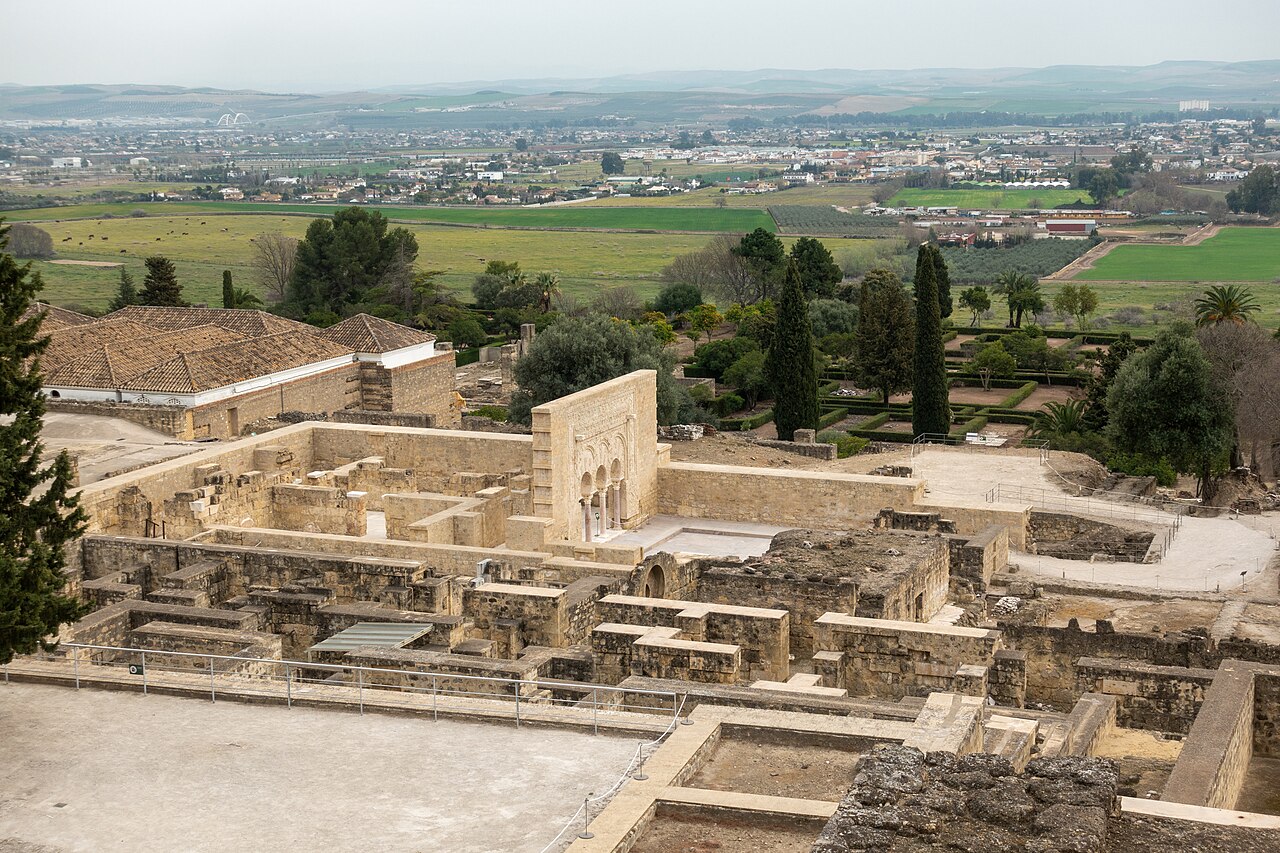 Artifact
Primary source
Madinat al-Zahra
c. 936-1000
 Artifact
Primary source
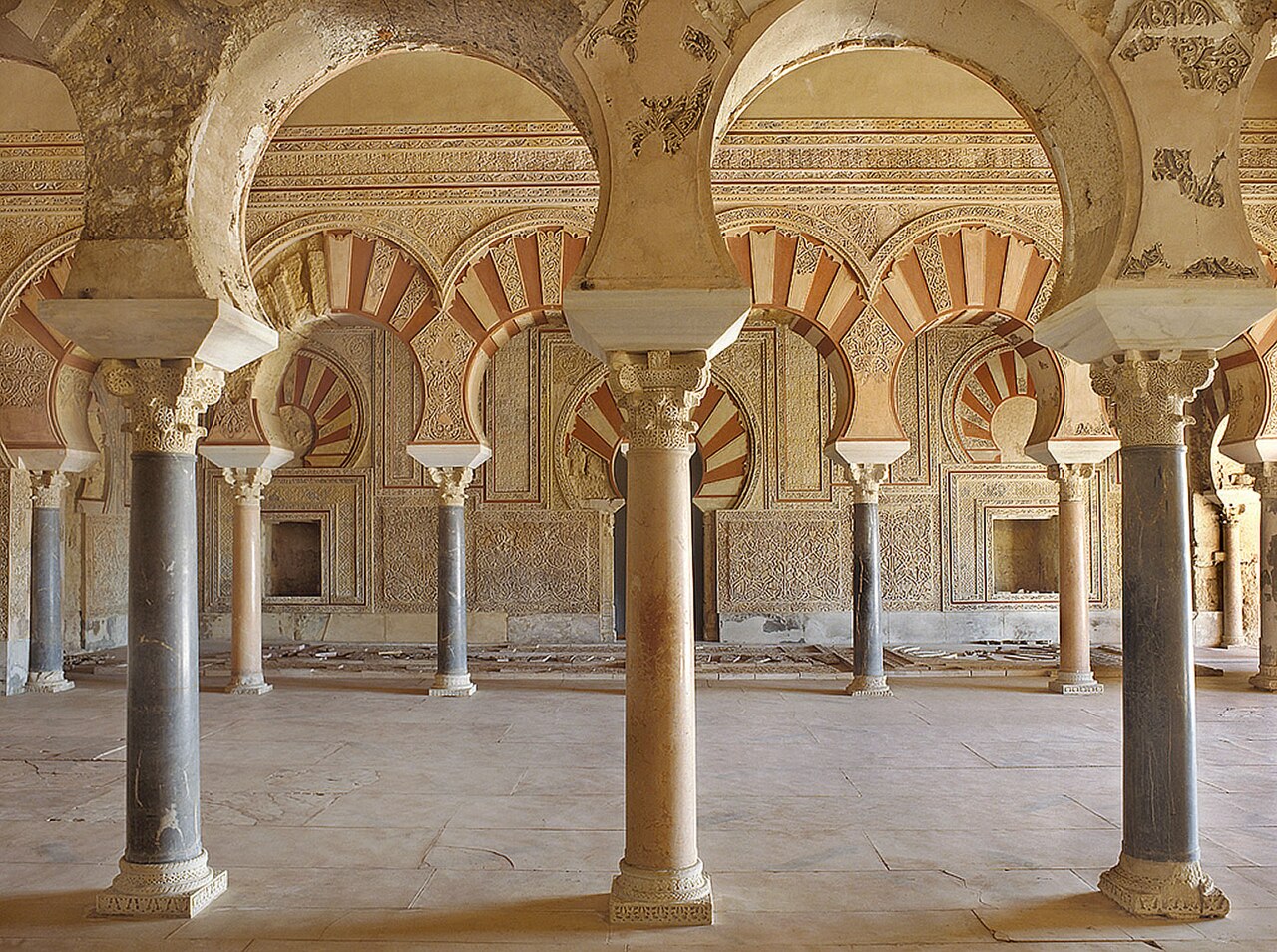
Salón Rico (Hall of Abd al-Rahman III)
953-957
Primary source
Letter of Hasdai ibn Shaprut to King Joseph of the Khazars
Hasdai ibn Shaprut · c. 950s
 Artifact
Primary source
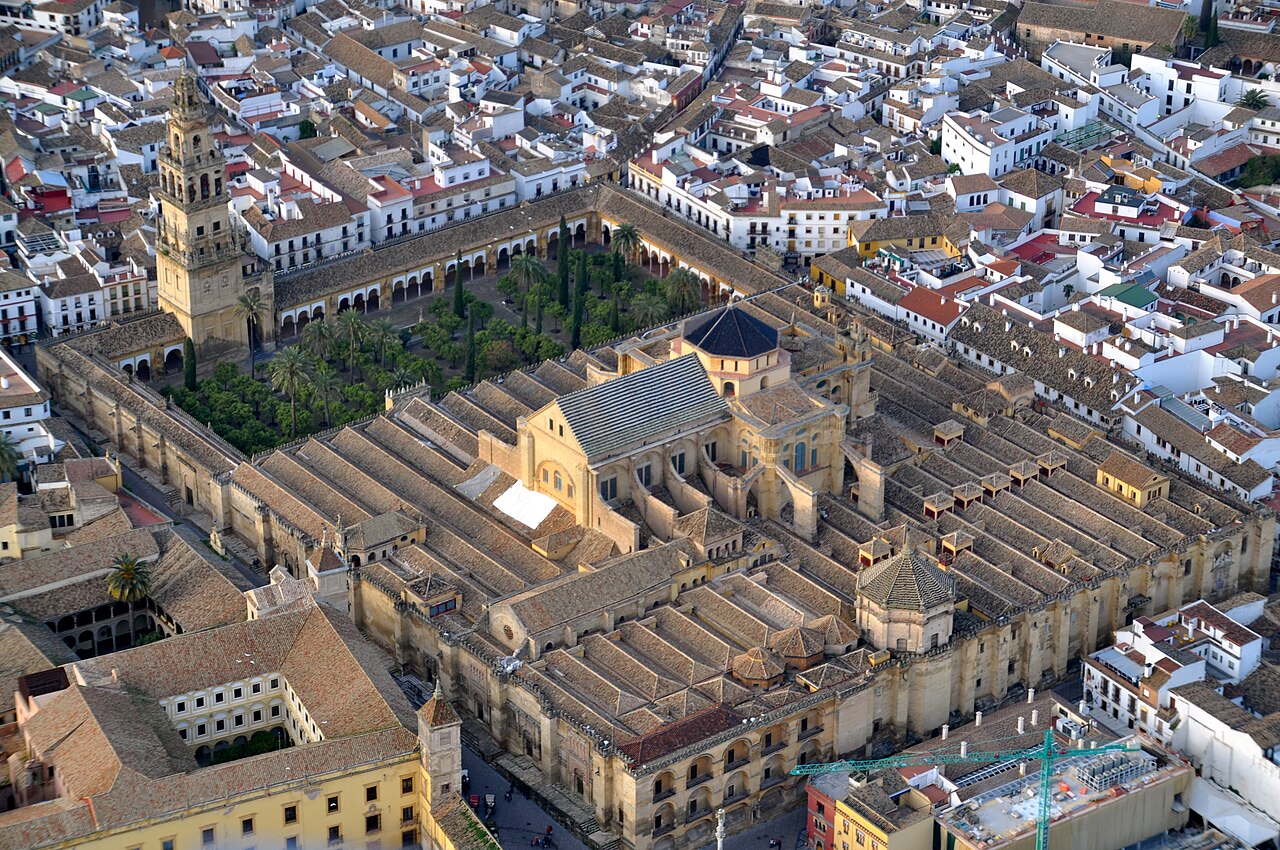
Mosque-Cathedral of Cordoba
786; minaret completed 958
 Artifact
Primary source
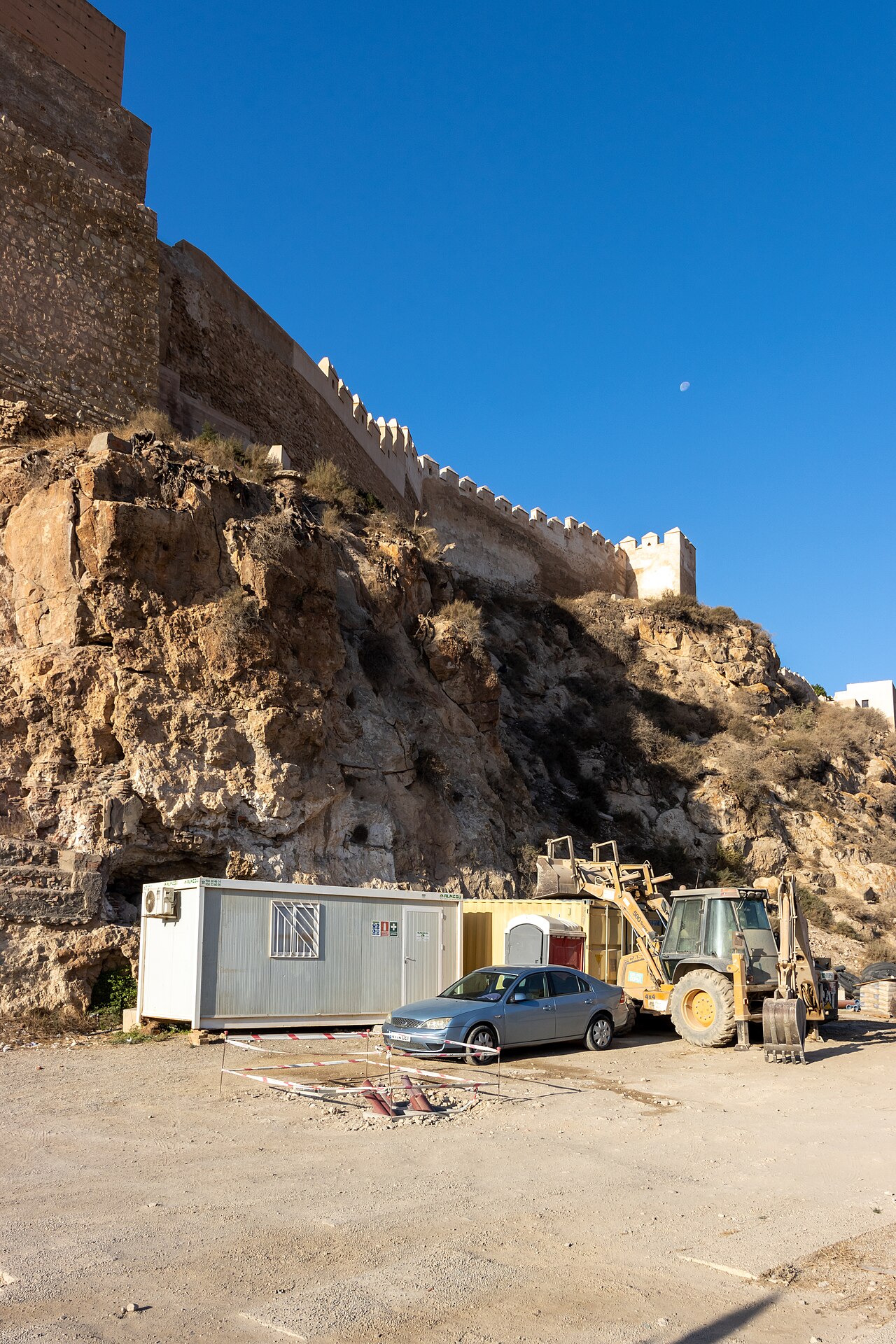
Alcazaba of Almería
955
Ready when you are
Start chatting with Abd al-Rahman III now.
20 messages free · No credit card · Available in 50+ languages.