


Primary sourceSculpturec. 1525-1530
Atlas Slave
Michelangelo · c. 1525-1530
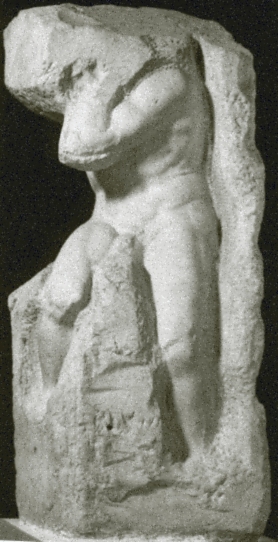
An unfinished marble 'Prisoner' by Michelangelo, left emerging from its stone block, made for the tomb of Pope Julius II.
This unfinished prisoner is Michelangelo's own carving, offering direct evidence of his sculpting method.
About this source
What it is
The Atlas Slave is a marble statue by Michelangelo, dated around 1525-1530, one of the series of unfinished 'Prisoners' meant for the tomb of Pope Julius II. It is held in the Galleria dell'Accademia in Florence.
Why it matters
The tomb project went through many redesigns over the years, with the planned number of prisoner figures shrinking from as many as twenty down to just a few, before being dropped altogether. Because this figure was never finished, it shows Michelangelo's carving process directly: the body seems to struggle out of the rough block, as if still trapped in the stone.
Look closer
- What parts of the figure are smooth and finished, and what parts are still rough stone?
- Why might Michelangelo have left so many 'Prisoners' unfinished?
- How does leaving the figure part-buried in marble change how we read it?
This sculpture is part of the curated material that grounds the AI version of Michelangelo Buonarroti on Humy.ai — when students ask about related events, the AI can quote it and cite it.
More Michelangelo Buonarroti sources
Meet the AI Michelangelo Buonarroti →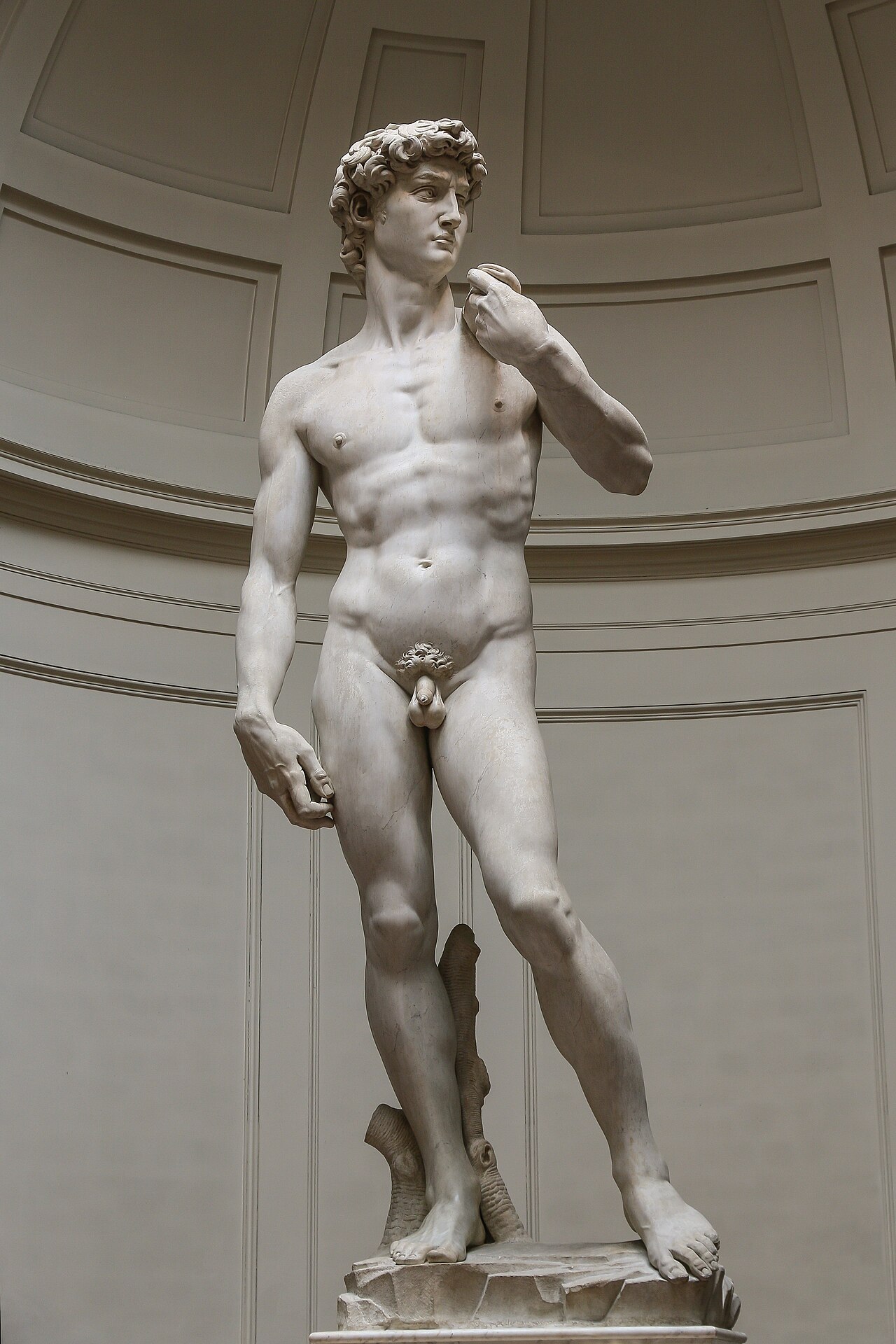 Sculpture
Primary source
David
Michelangelo · 1501-1504
 Artifact
Primary source
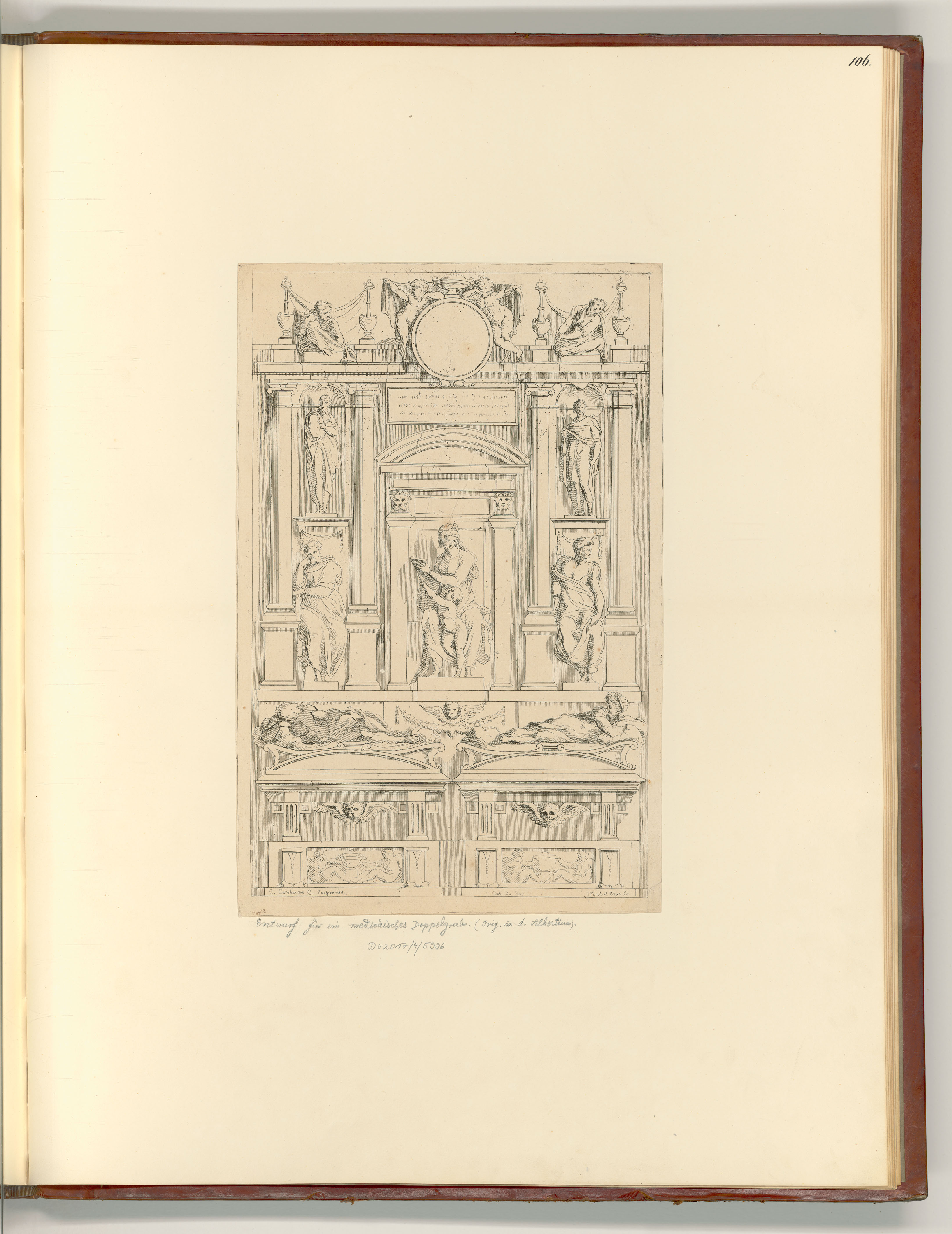
Elevation of a Planned Double Tomb for the Magnifici, Medici Chapel
unbestimmt
 Painting
Primary source
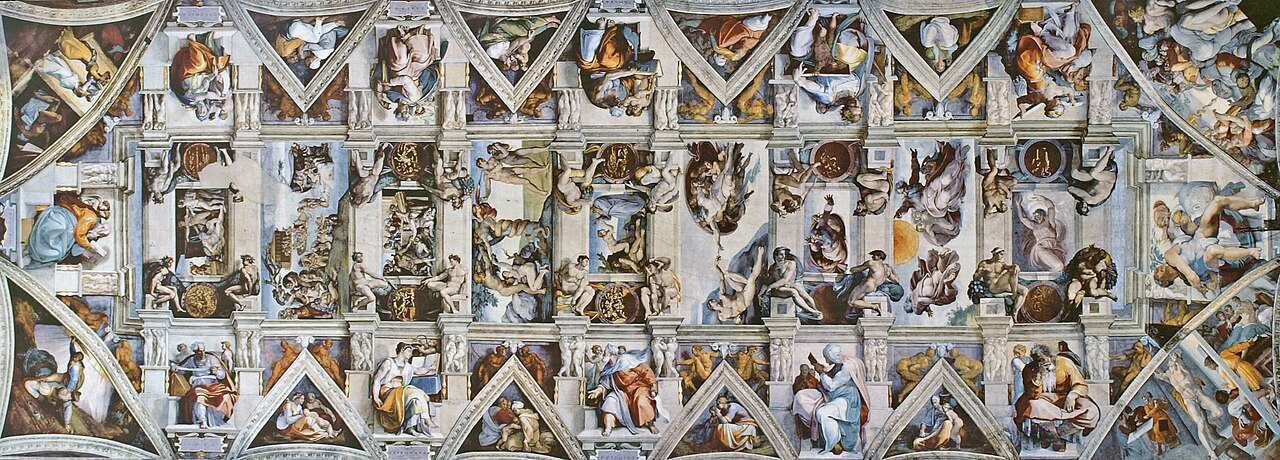
Sistine Chapel ceiling
Michelangelo · 1508-1512
 Painting
Secondary source
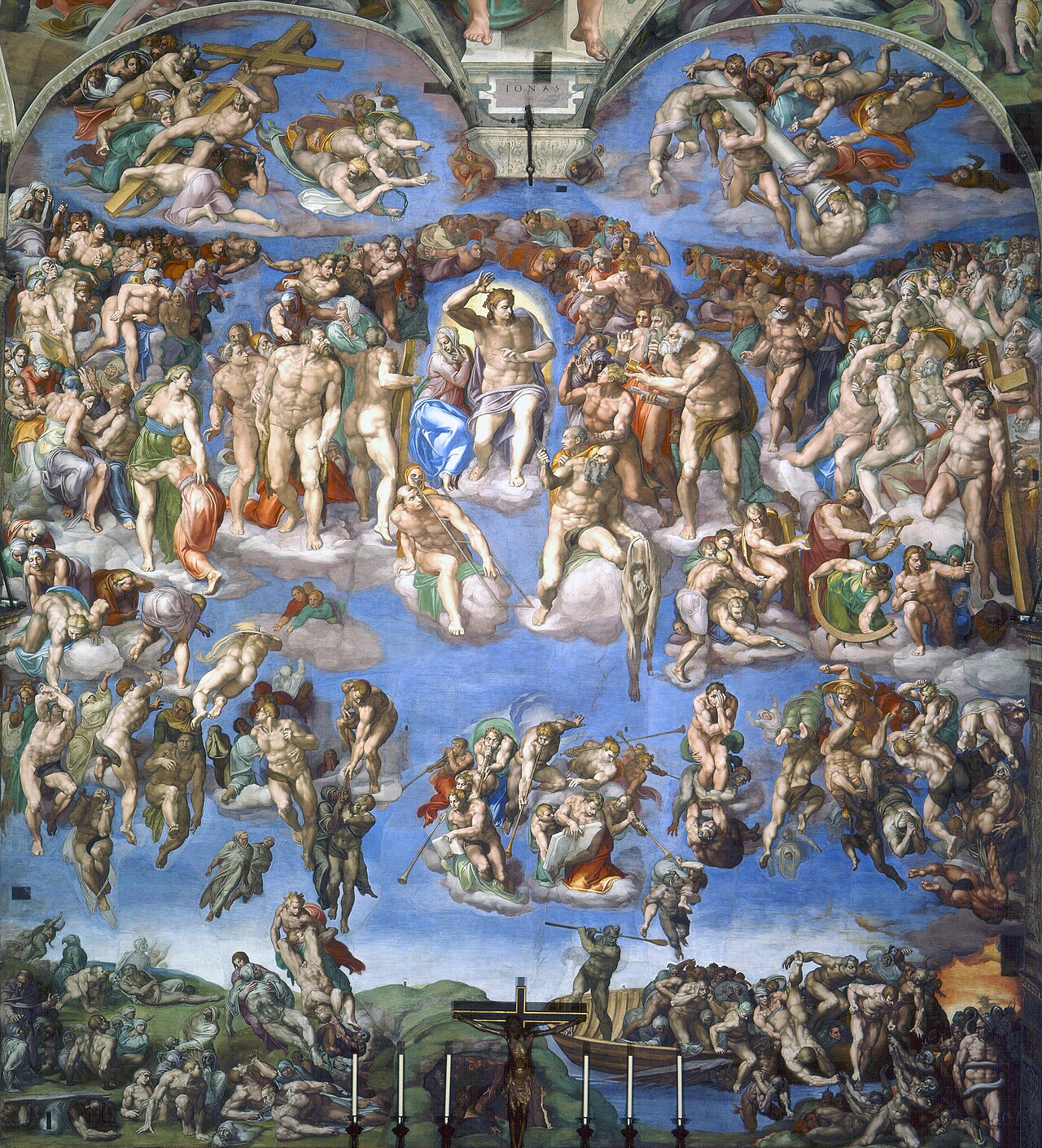
The Last Judgment
Michelangelo · 1536-1541
 Photograph
Secondary source
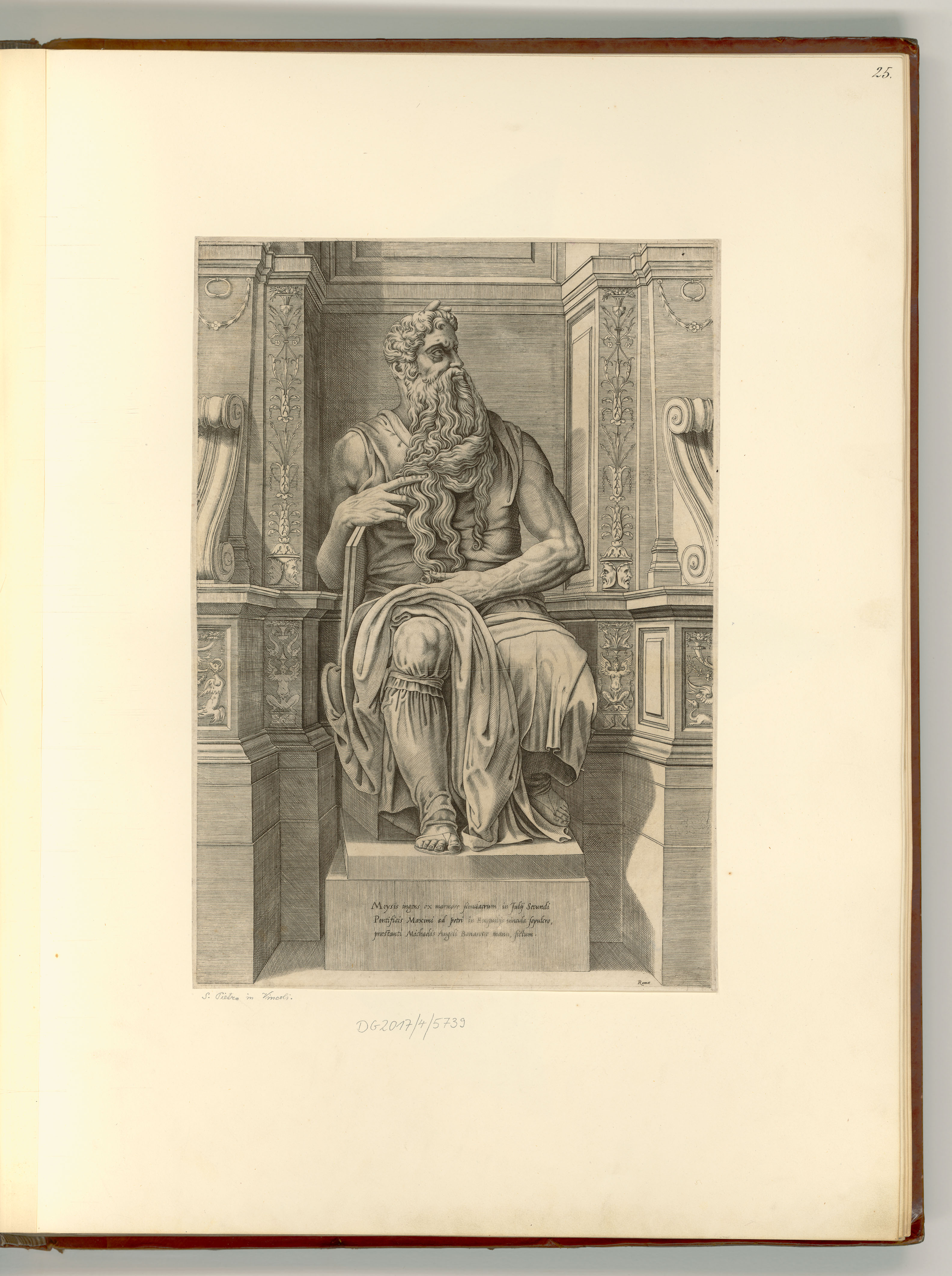
Statue of Moses by Michelangelo, San Pietro in Vincoli
unbestimmt
Ready when you are
Start chatting with Michelangelo Buonarroti now.
20 messages free · No credit card · Available in 50+ languages.