


Secondary sourcePainting1536-1541
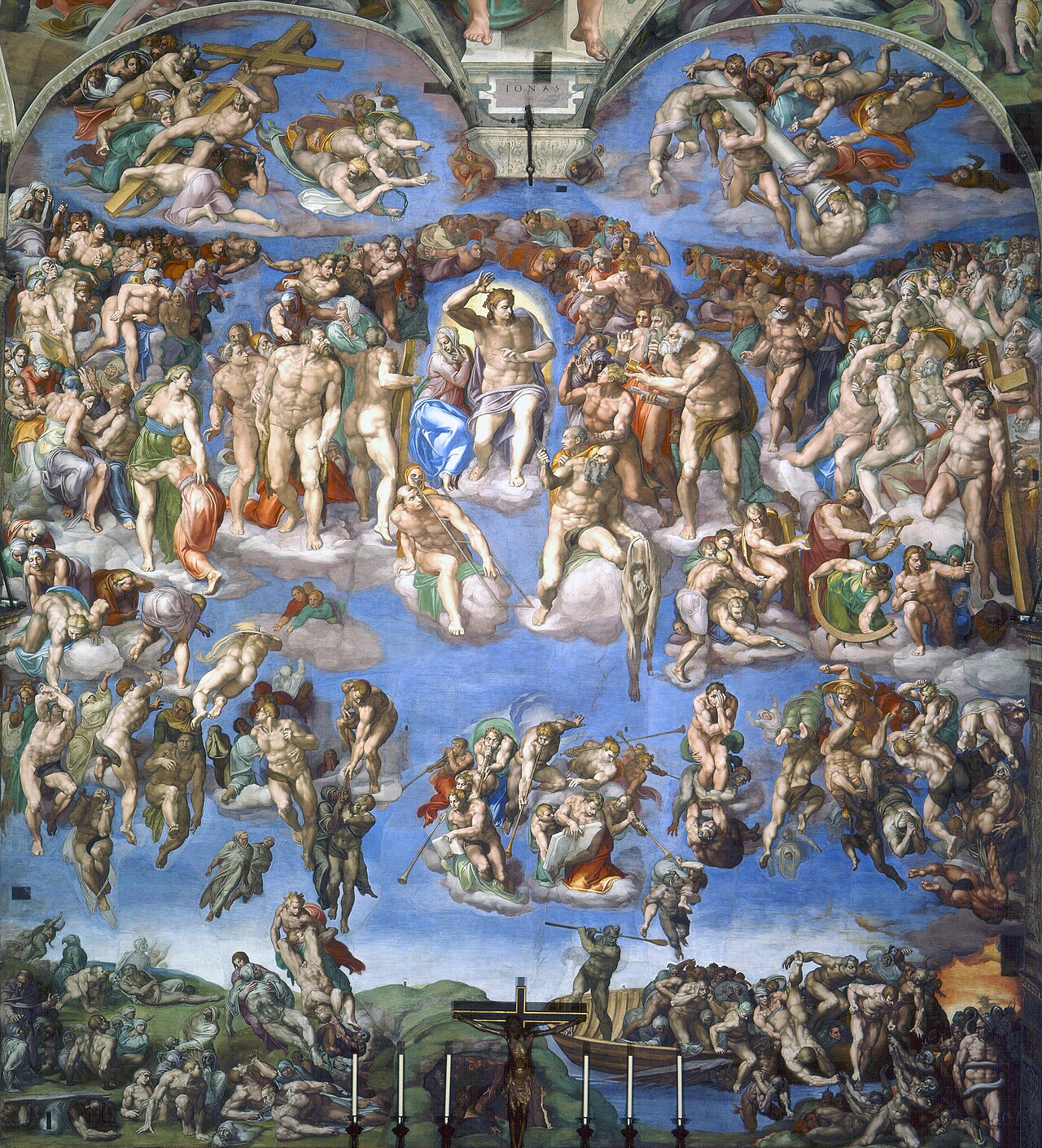
The Last Judgment
Michelangelo · 1536-1541
Michelangelo's Sistine Chapel fresco showing Christ returning to judge all humanity at the end of time.
The fresco shows Jesus Christ returning as judge of humanity at the Second Coming, the central belief it illustrates.
About this source
What it is
The Last Judgment is a fresco by Michelangelo covering the altar wall of the Sistine Chapel in the Vatican, painted between 1536 and 1541 under Pope Paul III. It shows the Second Coming of Christ, with over 300 figures depicting the saved rising and the damned descending to judgment.
Why it matters
At the centre of the composition is Christ, pronouncing judgment on the souls of the dead, surrounded by saints displaying the instruments of their martyrdom. The painting reveals how deeply belief in Christ's return and final judgment shaped Renaissance religious imagination, and the heavy use of nudity made it controversial even at the time.
- Why do you think Michelangelo placed Christ at the exact centre of such a crowded, swirling composition?
- What might the saints holding objects linked to their deaths be trying to communicate to Christ?
- Why was the nudity in this fresco controversial, and what does that tell you about the era's values?
This painting is part of the curated material that grounds the AI version of Jesus Christ and Michelangelo Buonarroti on Humy.ai — when students ask about related events, the AI can quote it and cite it.
More Jesus Christ sources
Meet the AI Jesus Christ →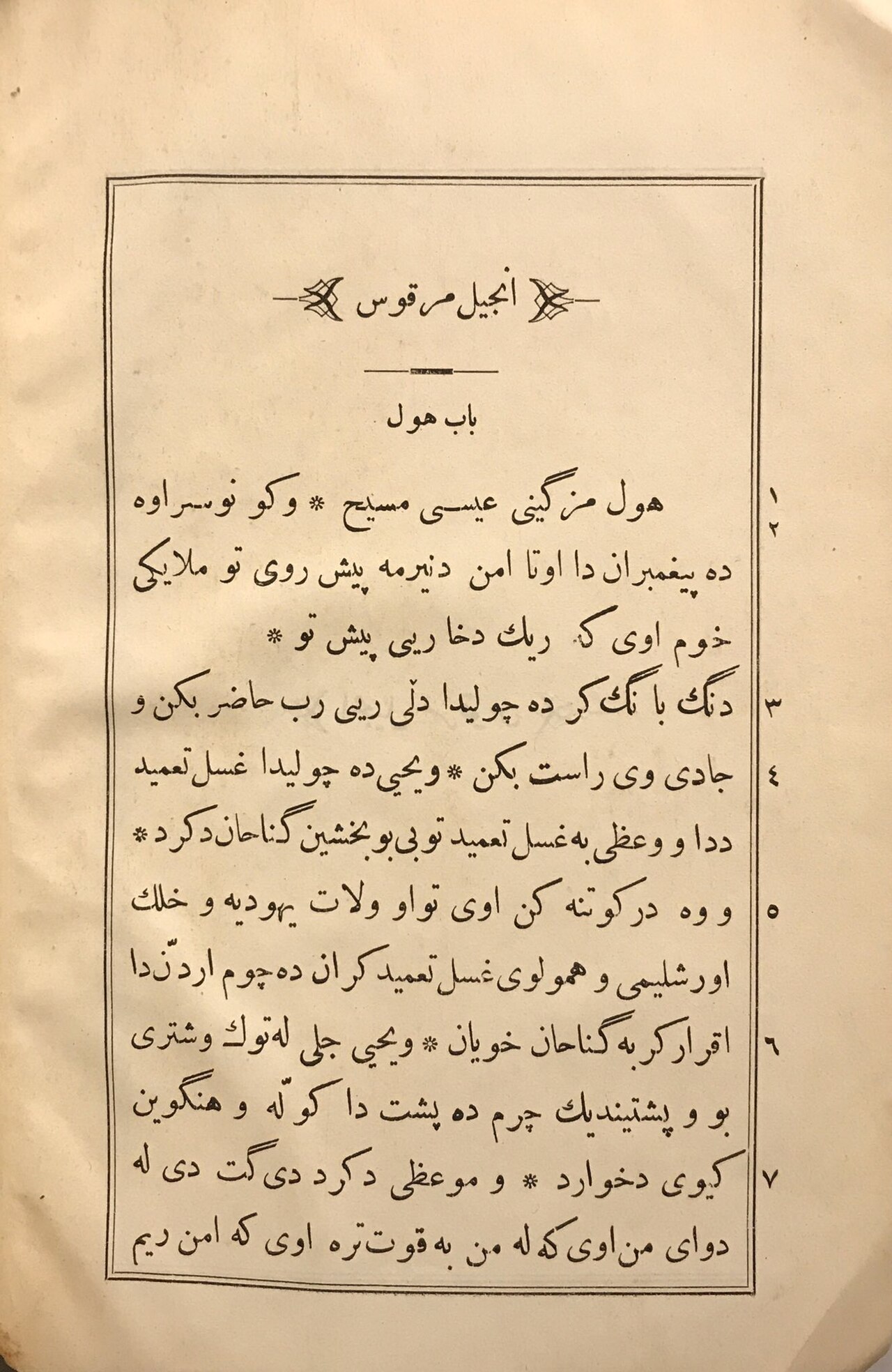 Book
Secondary source
Gospel of Mark
Mark the Evangelist · c. AD 66-75
 Artifact
Secondary source
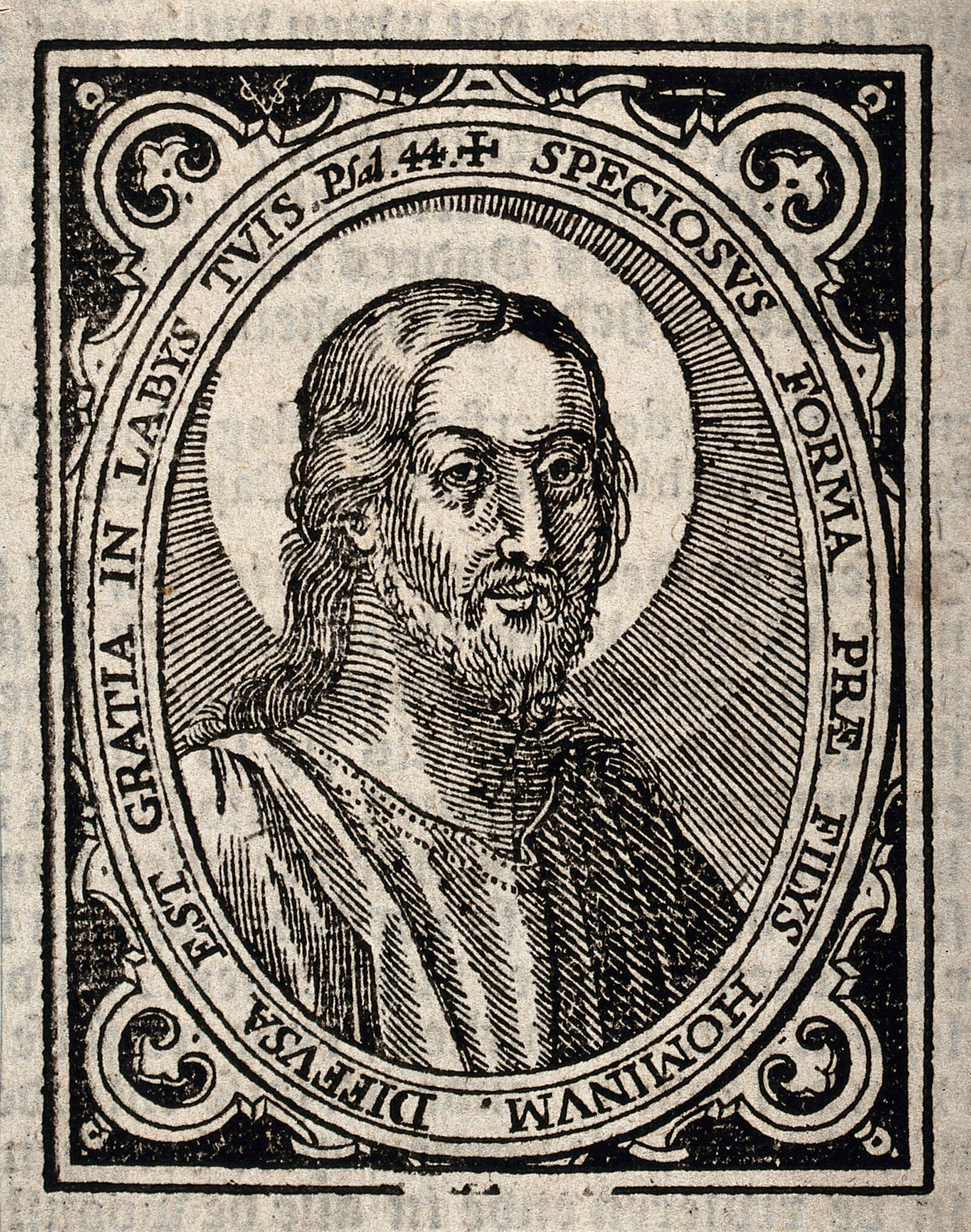
Jesus Christ, woodcut by Christoffel van Sichem III
Christoffel van Sichem III · c. 1645
 Book
Secondary source
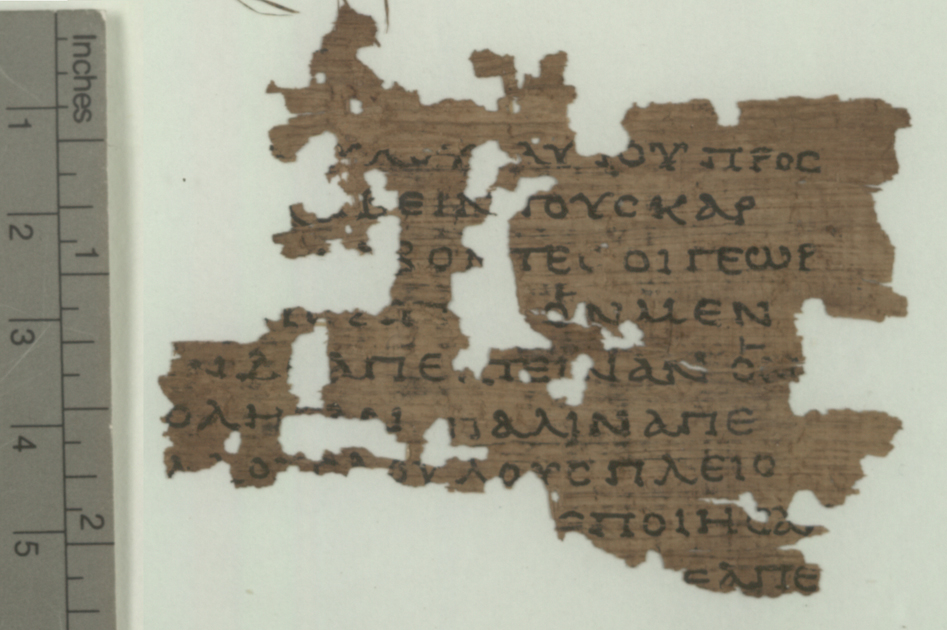
Gospel of Matthew
Matthew the Apostle · late 1st century AD
 Painting
Secondary source
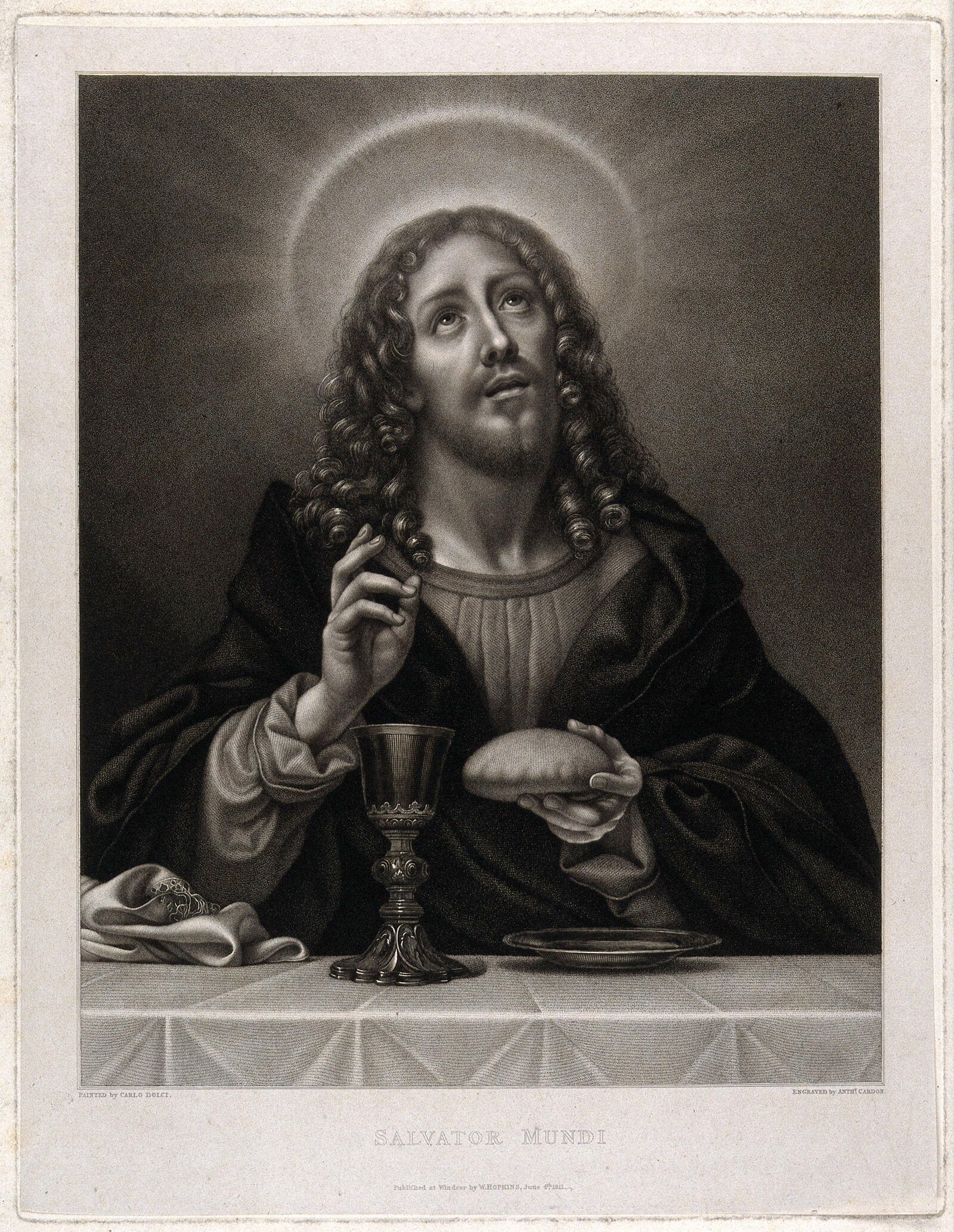
Jesus Christ blessing the Host
Carlo Dolci (painting); Anth. Cardon (engraving) · 4 June 1811
 Painting
Secondary source
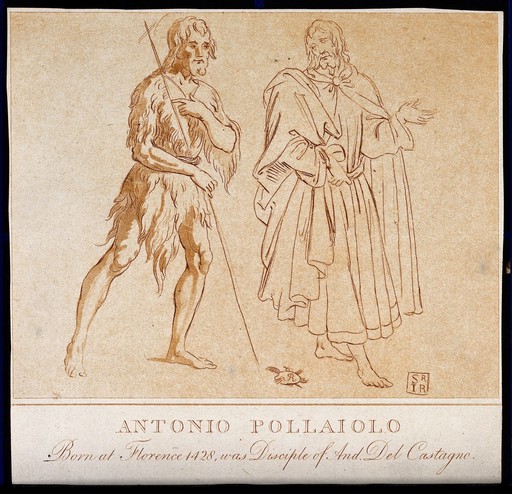
John the Baptist Meets Jesus Christ
Antonio Pollaiuolo
Ready when you are
Start chatting with Jesus Christ now.
20 messages free · No credit card · Available in 50+ languages.