


Primary sourceBook1852
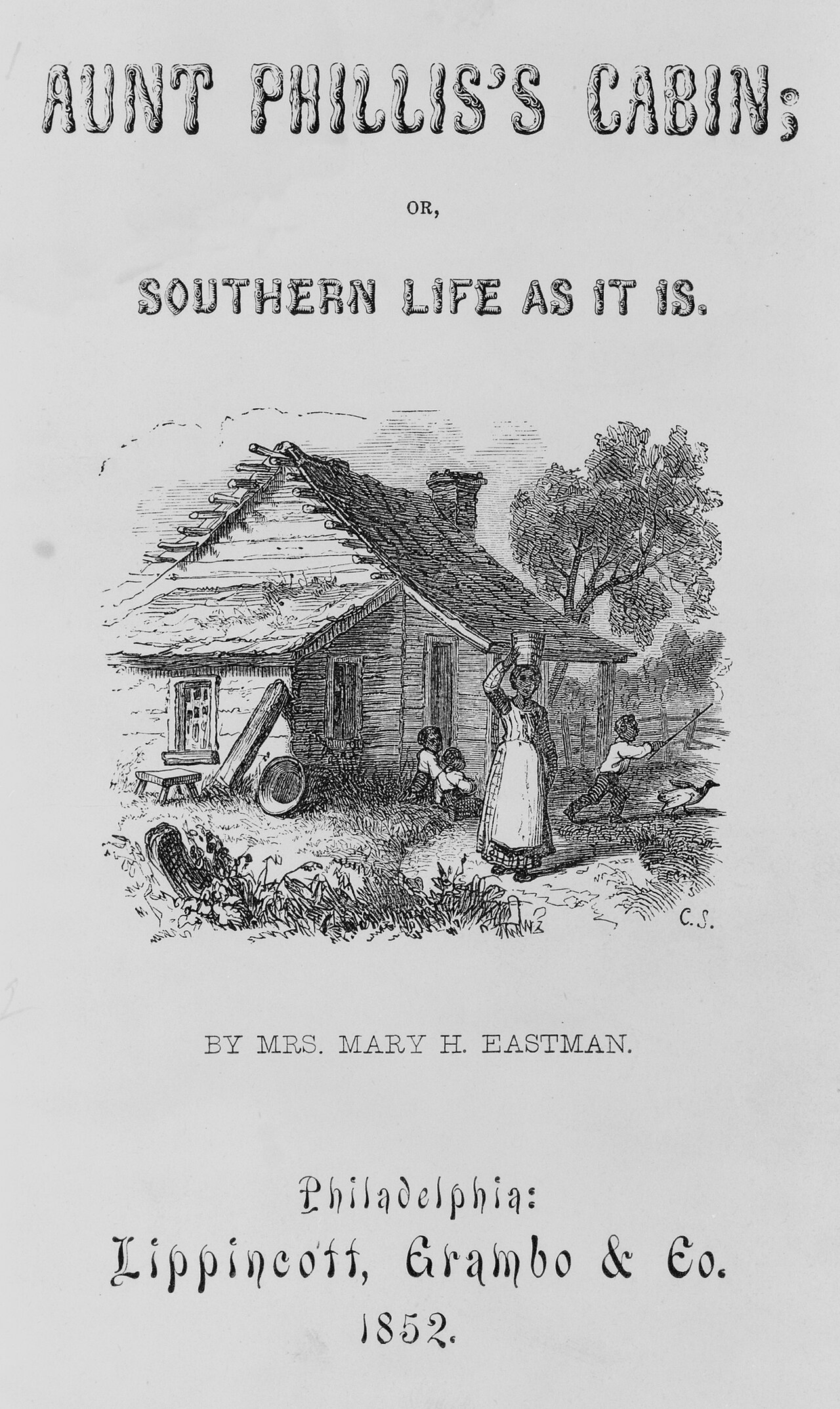
Aunt Phillis's Cabin
Mary H. Eastman · 1852
An 1852 pro-slavery novel by Mary Eastman written as a direct literary response to Stowe's Uncle Tom's Cabin.
Written directly against Stowe's novel, this book shows the pro-slavery literary backlash her work provoked.
About this source
What it is
Published in 1852 by Mary Henderson Eastman, this novel was written as a reply to Harriet Beecher Stowe's Uncle Tom's Cabin, published earlier that same year. It is set on a Virginia plantation and portrays enslaved people and their owners as content and mutually respectful.
Why it matters
This book is considered the most widely read of the 'anti-Tom' novels, a genre written to defend slavery against Stowe's portrayal of it. Though it sold well, it sold far less than Stowe's novel. It shows how Stowe's work provoked a direct literary counterattack from defenders of slavery in the South.
Look closer
- Why might defenders of slavery have wanted to respond to Stowe's novel with fiction of their own?
- How does comparing this book with Stowe's novel help us understand the arguments used to defend slavery?
- What does the popularity of both books tell us about American society at the time?
This book is part of the curated material that grounds the AI version of Harriet Beecher Stowe on Humy.ai — when students ask about related events, the AI can quote it and cite it.
More Harriet Beecher Stowe sources
Meet the AI Harriet Beecher Stowe →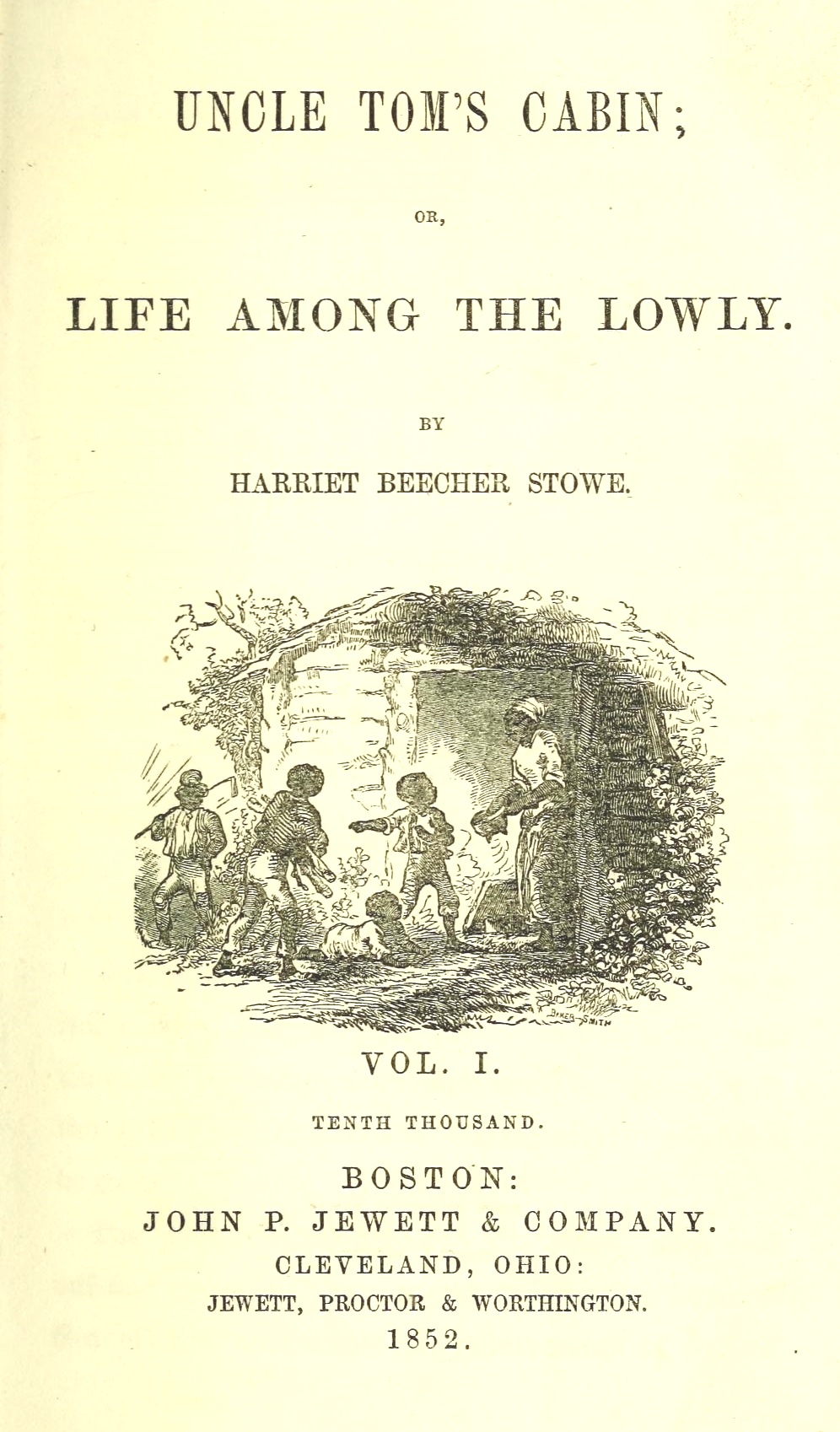 Book
Primary source
Uncle Tom's Cabin
Harriet Beecher Stowe · 1852
 Document
Primary source
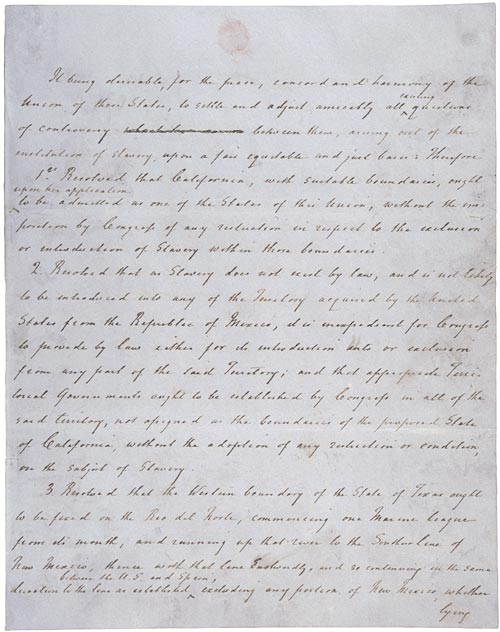
Compromise of 1850
Henry Clay · 29 January 1850 (resolutions); statutes enacted September 1850
 Photograph
Primary source
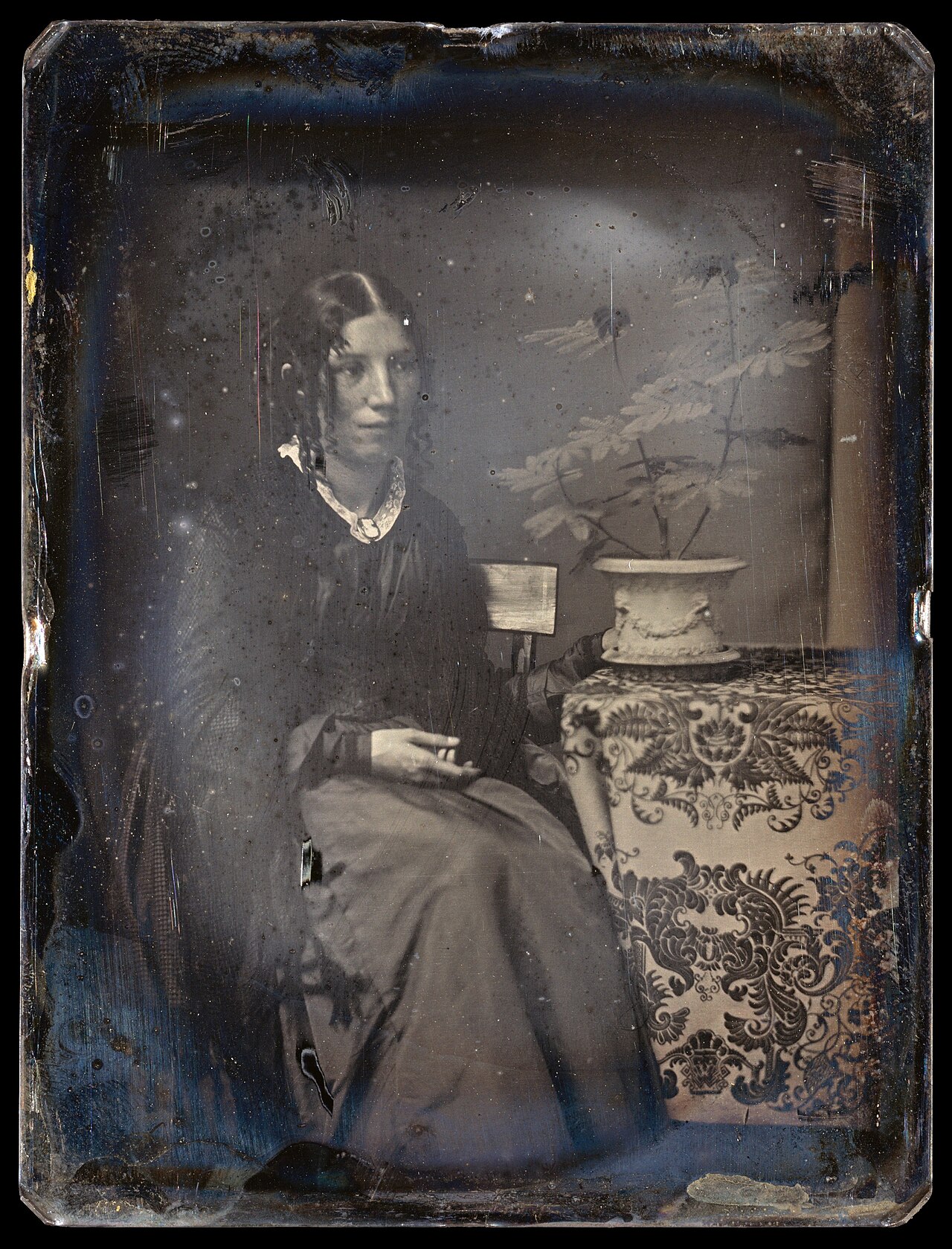
Harriet Beecher Stowe
Southworth and Hawes · c. 1850
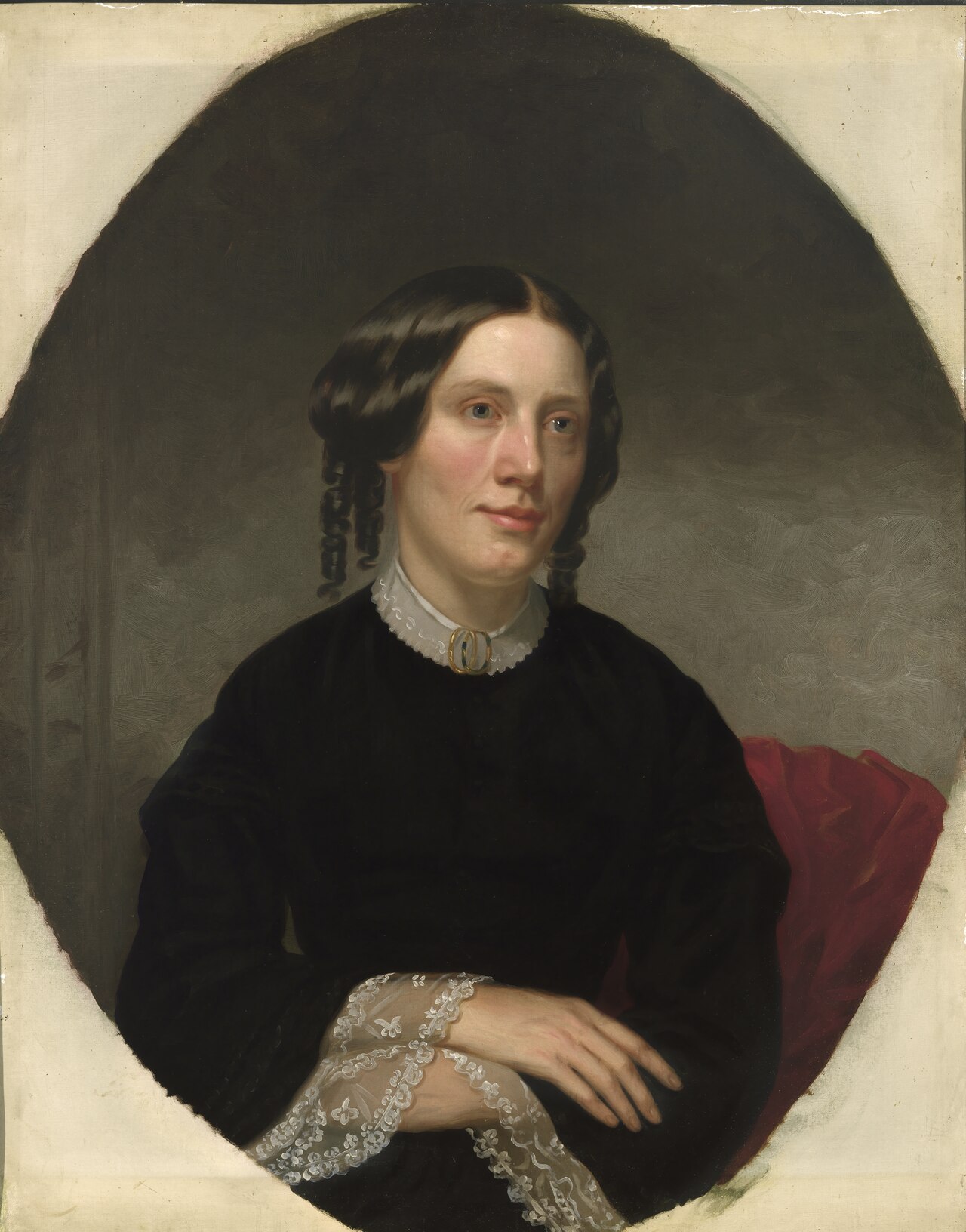 Painting
Primary source
Harriet Beecher Stowe
Alanson Fisher · 1853
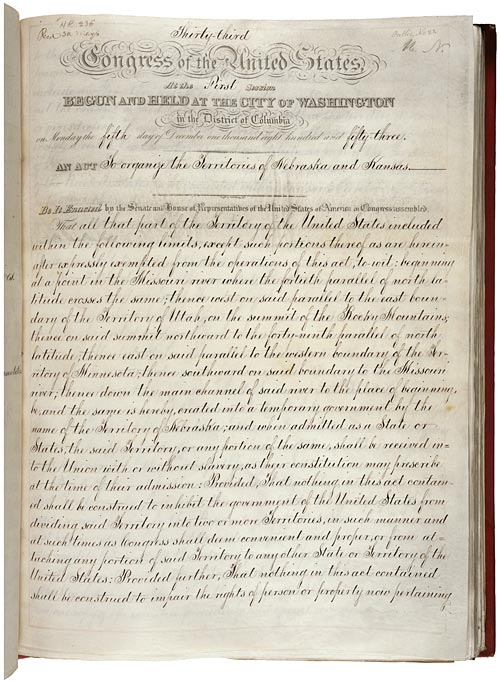 Document
Primary source
Kansas-Nebraska Act
United States Congress · 1854
Ready when you are
Start chatting with Harriet Beecher Stowe now.
20 messages free · No credit card · Available in 50+ languages.