


Primary sourceLetter1859
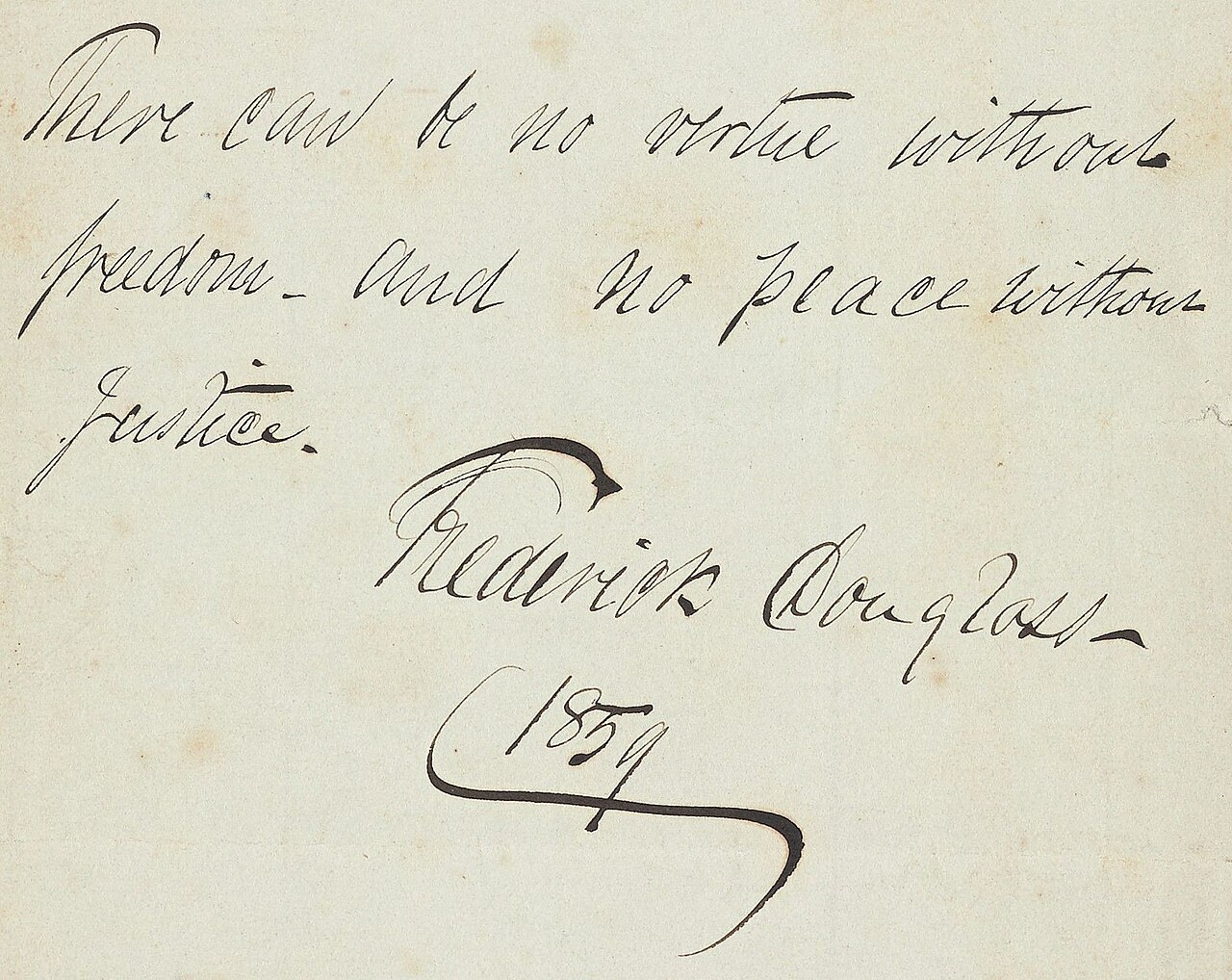
Autograph Note: No Peace Without Justice
Frederick Douglass · 1859
A handwritten note by Frederick Douglass from 1859 expressing his belief that peace requires justice.
A note handwritten and signed by Douglass himself, expressing his core belief linking justice and peace.
About this source
What it is
This is a short handwritten note by Frederick Douglass, written and signed in 1859. In it he states his belief that there can be no virtue without freedom, and no peace without justice.
Why it matters
This note captures one of Douglass's core principles in his own handwriting. As a formerly enslaved man who became a leading abolitionist, writer, and orator, Douglass argued throughout his life that true peace could not exist while injustice and slavery remained. A short personal note like this shows how directly he connected his private convictions to his public activism.
Look closer
- Why might Douglass have chosen to write this exact statement down?
- What does the phrasing tell you about how he linked ideas like virtue, freedom, peace, and justice?
- Why is a handwritten note considered valuable evidence, compared to a printed quotation?
This letter is part of the curated material that grounds the AI version of Frederick Douglass on Humy.ai — when students ask about related events, the AI can quote it and cite it.
More Frederick Douglass sources
Meet the AI Frederick Douglass →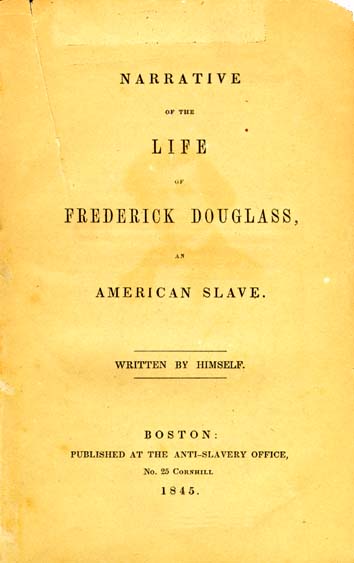 Book
Primary source
Narrative of the Life of Frederick Douglass, an American Slave
Frederick Douglass · 1845
Primary source
What to the Slave Is the Fourth of July?
Frederick Douglass · 5 July 1852
 Document
Primary source
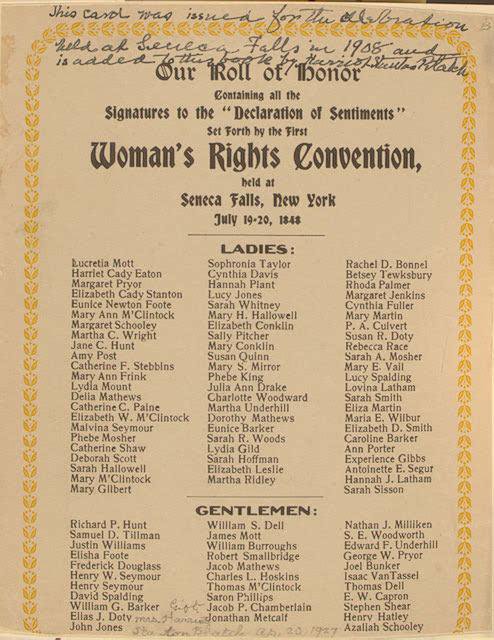
Declaration of Sentiments
Elizabeth Cady Stanton · 1848
 Newspaper article
Primary source
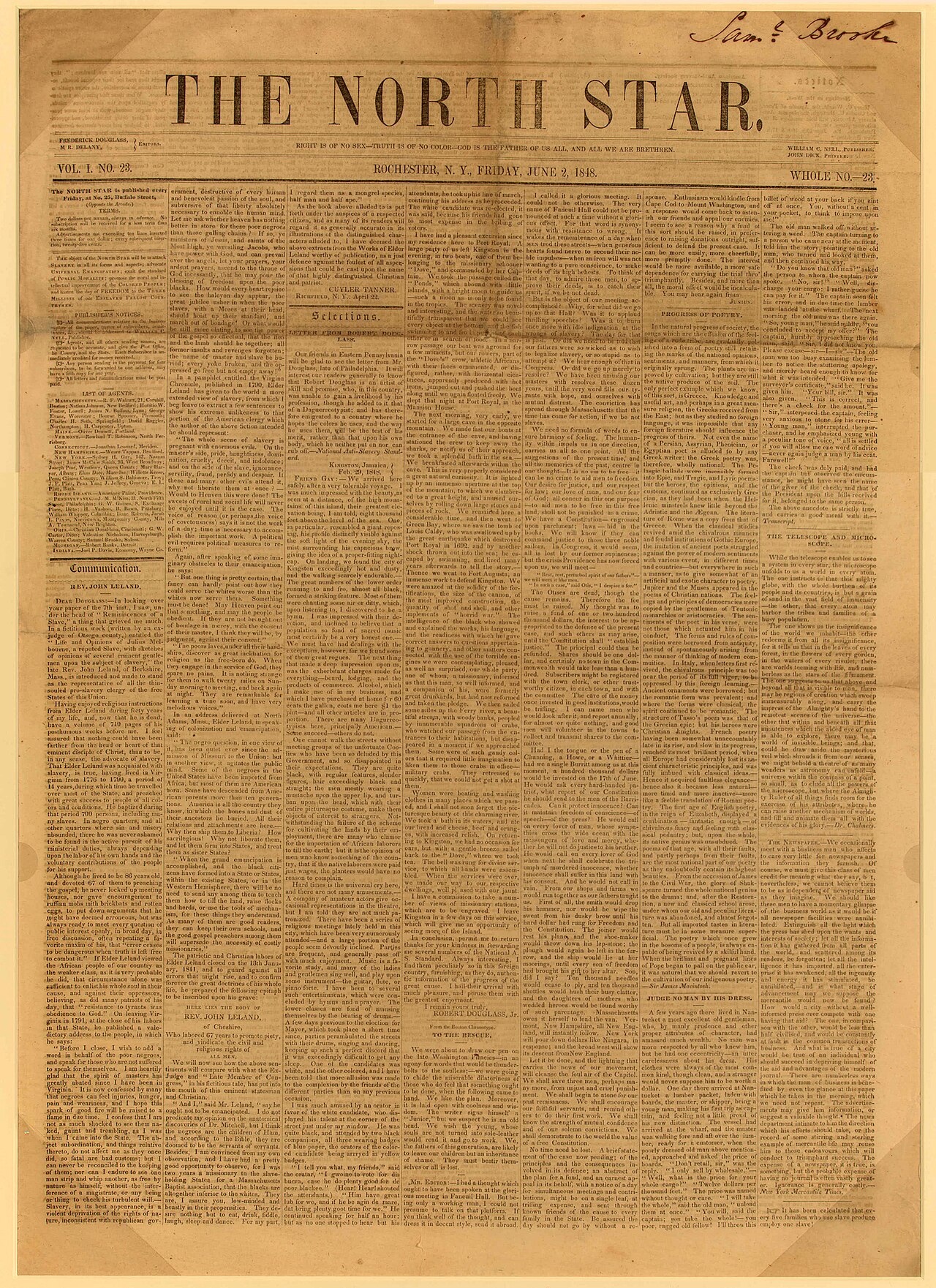
The North Star
Frederick Douglass · 1847
Primary source
My Bondage and My Freedom
Frederick Douglass · 1855
Ready when you are
Start chatting with Frederick Douglass now.
20 messages free · No credit card · Available in 50+ languages.