


Tertiary sourceBook1910
Bacon, Francis, Lord Verulam, in Cousin's Short Biographical Dictionary
John William Cousin · 1910
An 1910 dictionary entry on Francis Bacon as a philosopher, statesman and writer. It is a later reference summary of his life, not a source from his own time.
A later dictionary entry that summarizes Bacon's life and work, useful for comparing modern reference accounts with his own writings.
About this source
What it is
This is an entry on Francis Bacon in A Short Biographical Dictionary of English Literature by John William Cousin, published in London by J. M. Dent & Sons in 1910. It is a reference work written long after Bacon's death. The entry describes him as a philosopher and statesman, born at York House in the Strand on 22 January 1561.
Why it matters
The entry repeats common biography: his family link to Lord Burghley, the minister of Queen Elizabeth, his time at Trinity College, Cambridge, where he first met the Queen, and his dissatisfaction with Aristotelian philosophy. Dictionaries like this shaped how later readers learned about Bacon. Because it was written more than three centuries after his death, it shows how a 1910 writer summarized his life, not what Bacon himself wrote or thought.
Look closer
- Which details in the entry could come from Bacon's own time, and which must be later summaries?
- Why might a dictionary of English literature describe Bacon mainly as a philosopher and statesman?
- What parts of Bacon's life does this short entry leave out?
This book is part of the curated material that grounds the AI version of Francis Bacon on Humy.ai — when students ask about related events, the AI can quote it and cite it.
More Francis Bacon sources
Meet the AI Francis Bacon →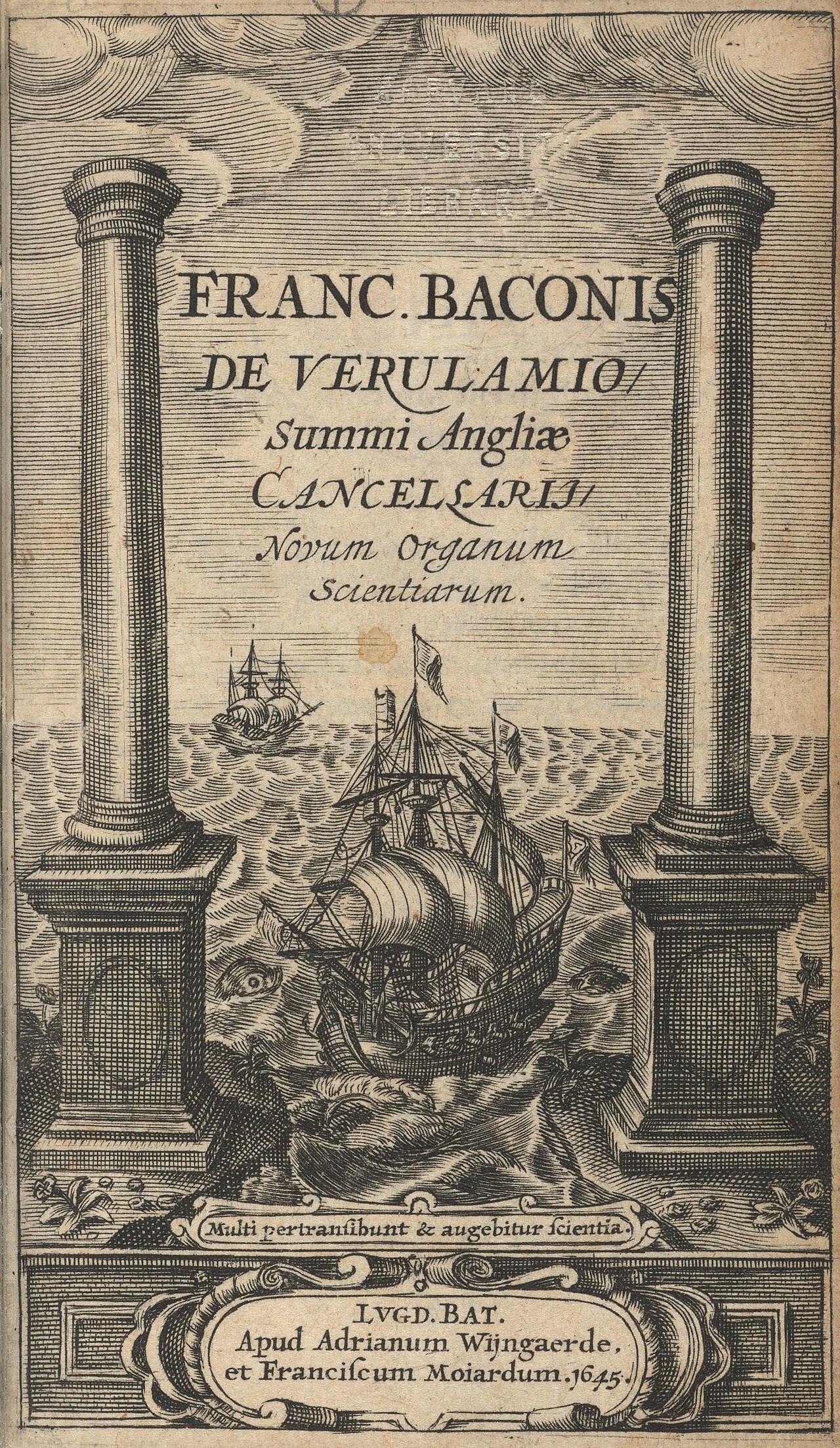 Book
Primary source
Novum Organum
Francis Bacon · 1620
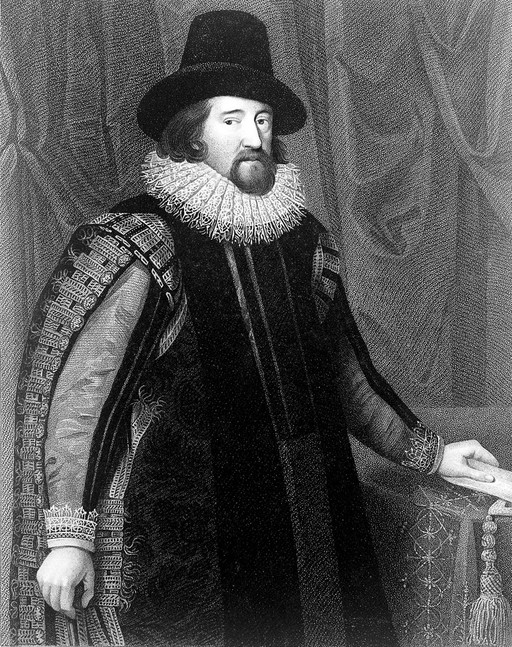 Painting
Secondary source
Portrait Engraving of Francis Bacon, Proof Impression
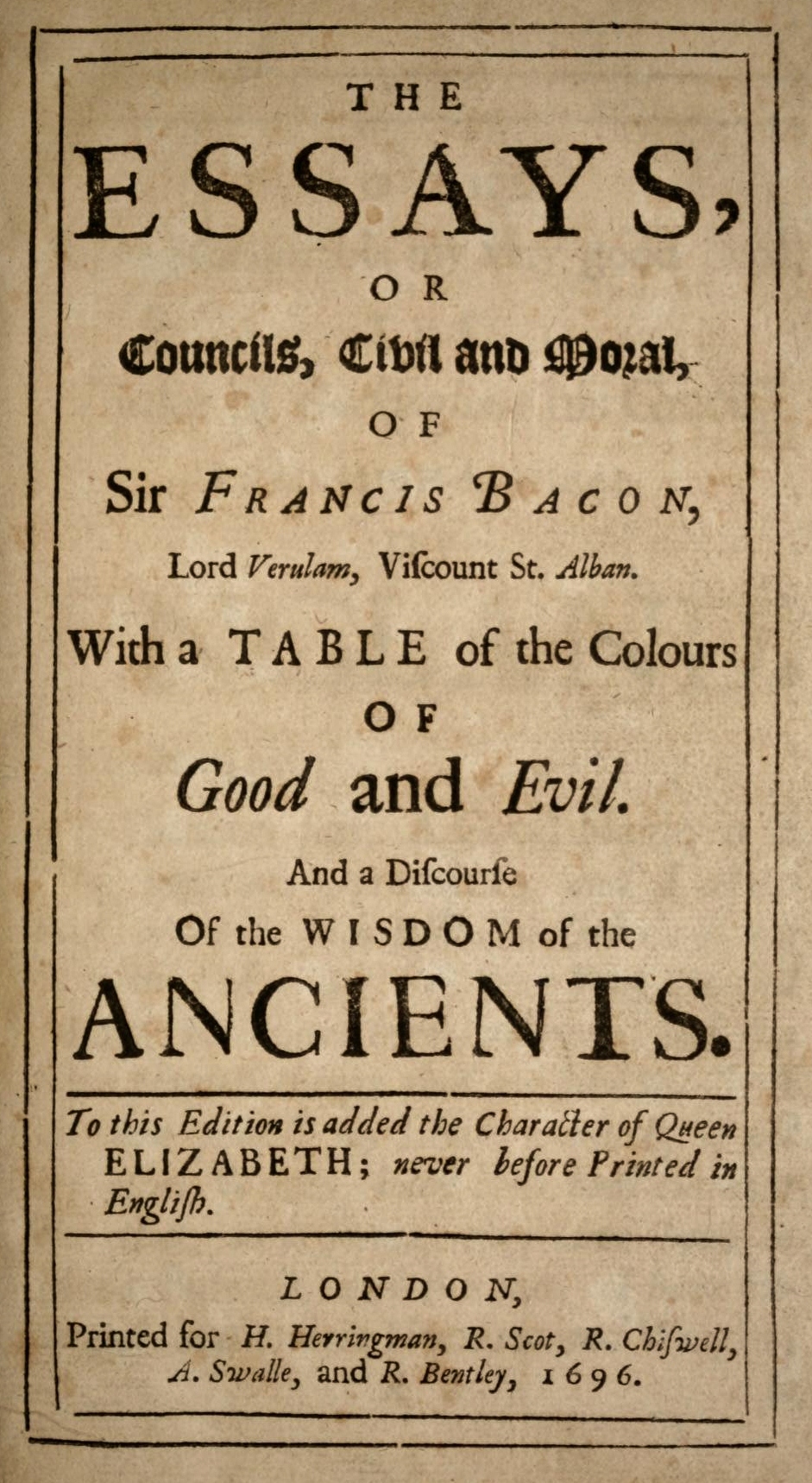 Book
Primary source
Essays
Francis Bacon · 1597
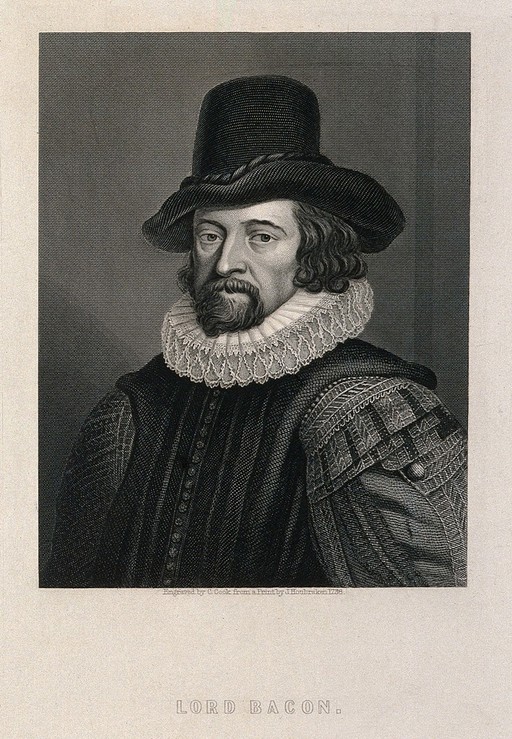 Painting
Secondary source
Francis Bacon, Engraving by C. Cook after Houbraken
C. Cook after Jacobus Houbraken · 1738
 Book
Primary source
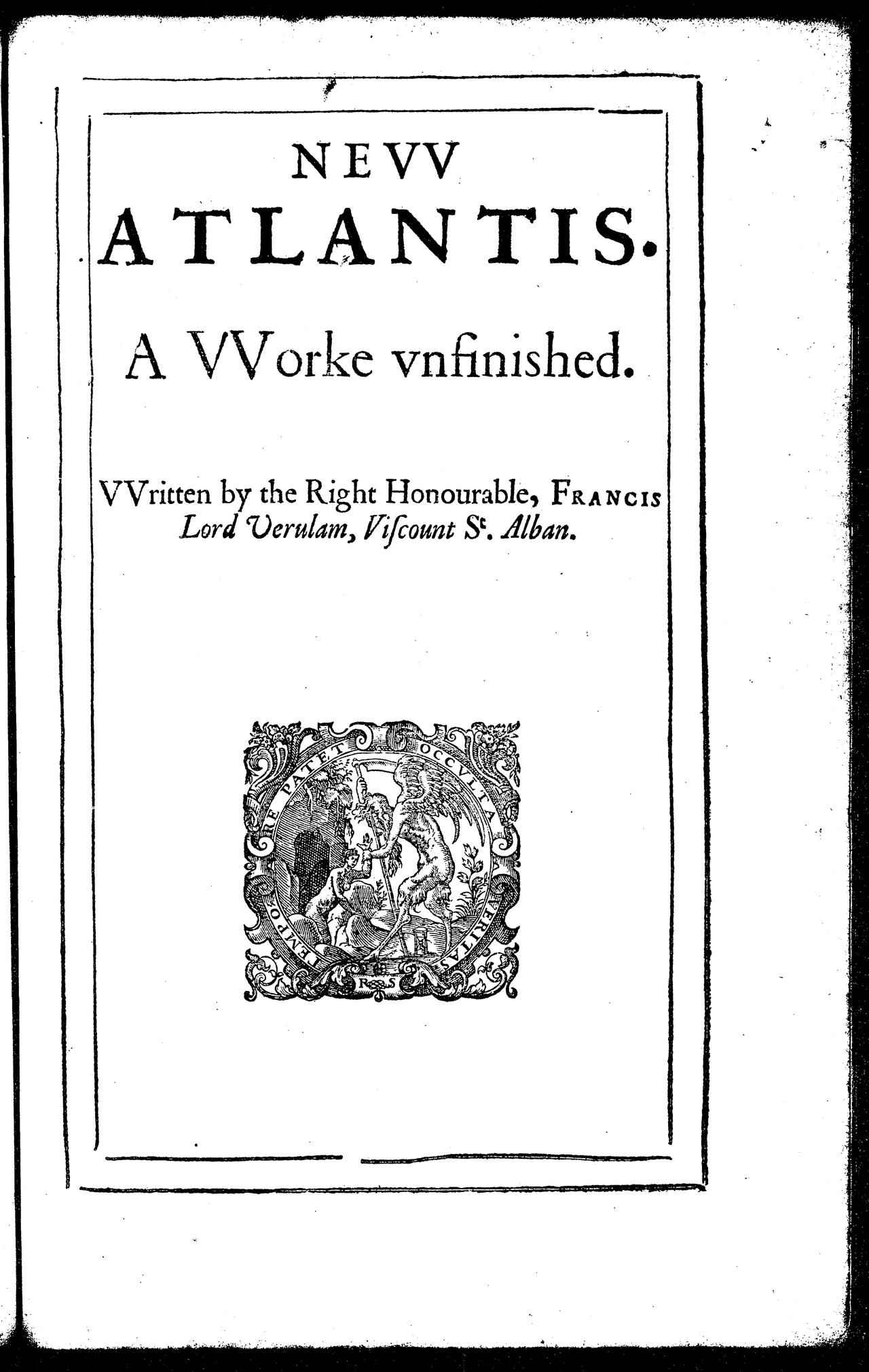
New Atlantis
Francis Bacon · 1627
Ready when you are
Start chatting with Francis Bacon now.
20 messages free · No credit card · Available in 50+ languages.