


Secondary sourceArtifactc. 1019
Bâle Antependium
c. 1019
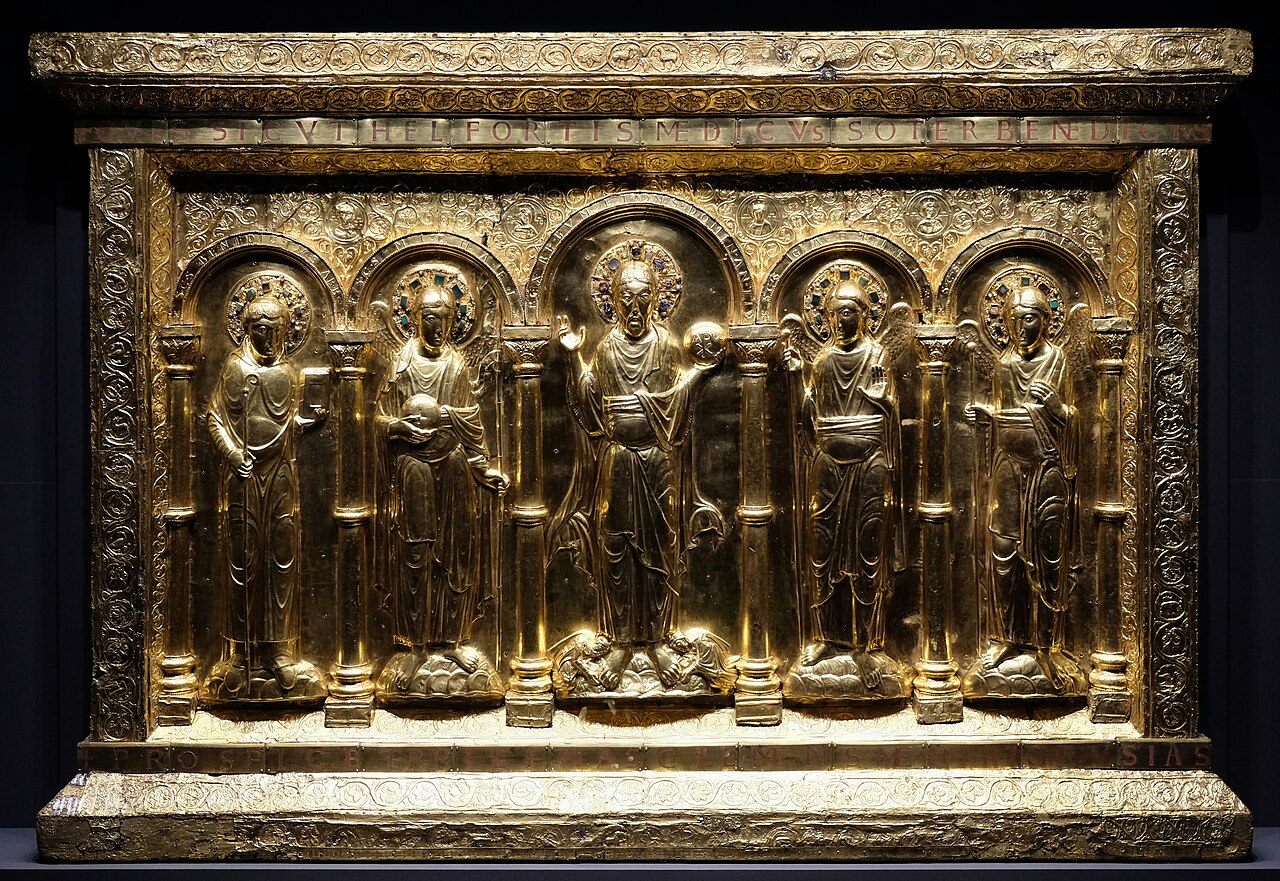
A gold altar frontal given around 1019 by Emperor Henry II, showing Benedict placed beside Christ and archangels.
Benedict is depicted among Christ and the archangels on this imperial gift, showing his standing in medieval religious culture.
About this source
What it is
This gilded metal altar front, called the Bâle (Basel) Antependium, was given around 1019 by Emperor Henry II for the main altar of Basel Cathedral. It is now held at the Musée de Cluny in Paris. The relief shows standing haloed figures in arched niches, with an inscription along the top.
Why it matters
Benedict appears here alongside Christ and archangels, a sign of how highly he was honoured in the imperial church of the Ottonian period. The object shows the piety of Emperor Henry II and the importance monastic founders like Benedict held in medieval religious and political life.
Look closer
- Why might an emperor choose to include Benedict among such important heavenly figures?
- What does the material (gold) and placement (altar) tell you about how valuable this object was considered?
- What does the object's survival across many centuries suggest about how it was treated?
This artifact is part of the curated material that grounds the AI version of Saint Benedict on Humy.ai — when students ask about related events, the AI can quote it and cite it.
More Saint Benedict sources
Meet the AI Saint Benedict →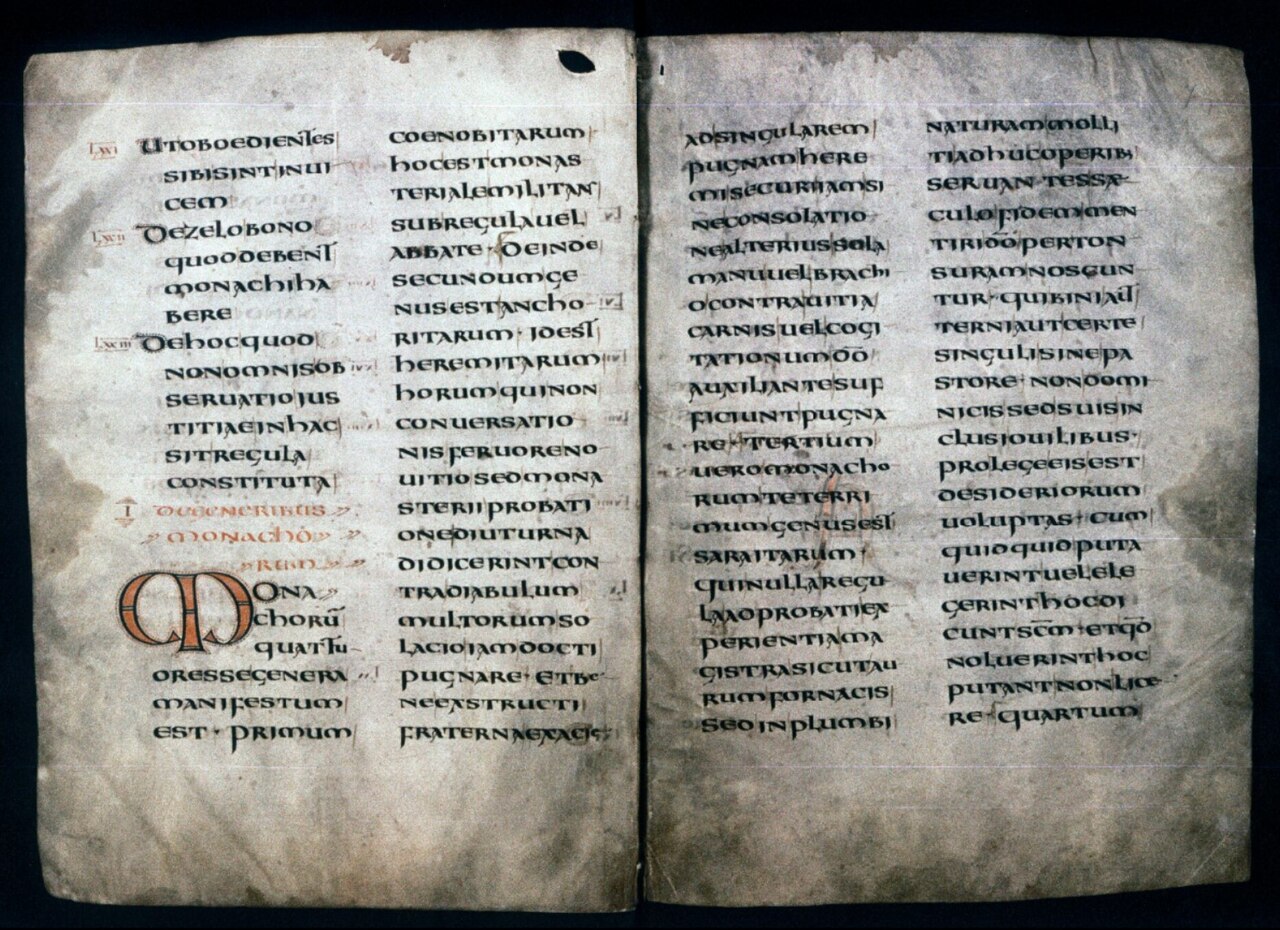 Book
Primary source
Rule of Saint Benedict
Benedict of Nursia · c. 600
 Artifact
Secondary source
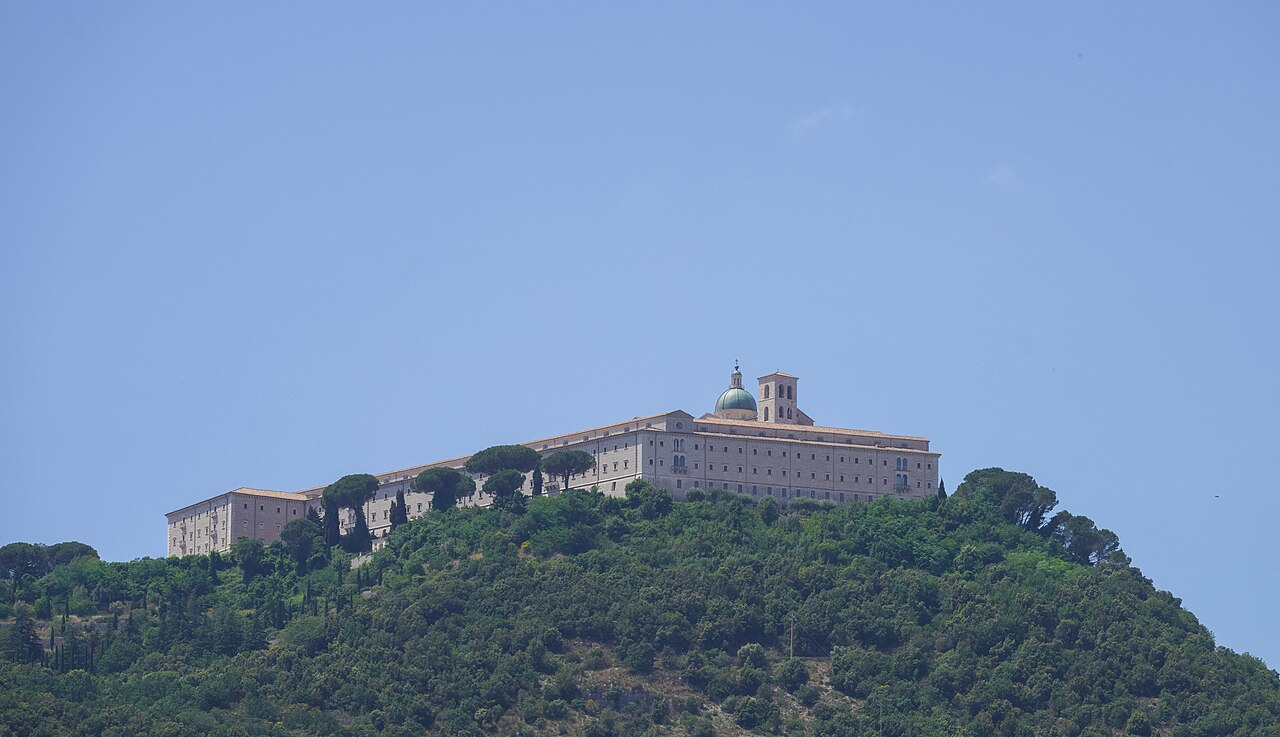
Monte Cassino
founded c. 529/530
 Painting
Secondary source
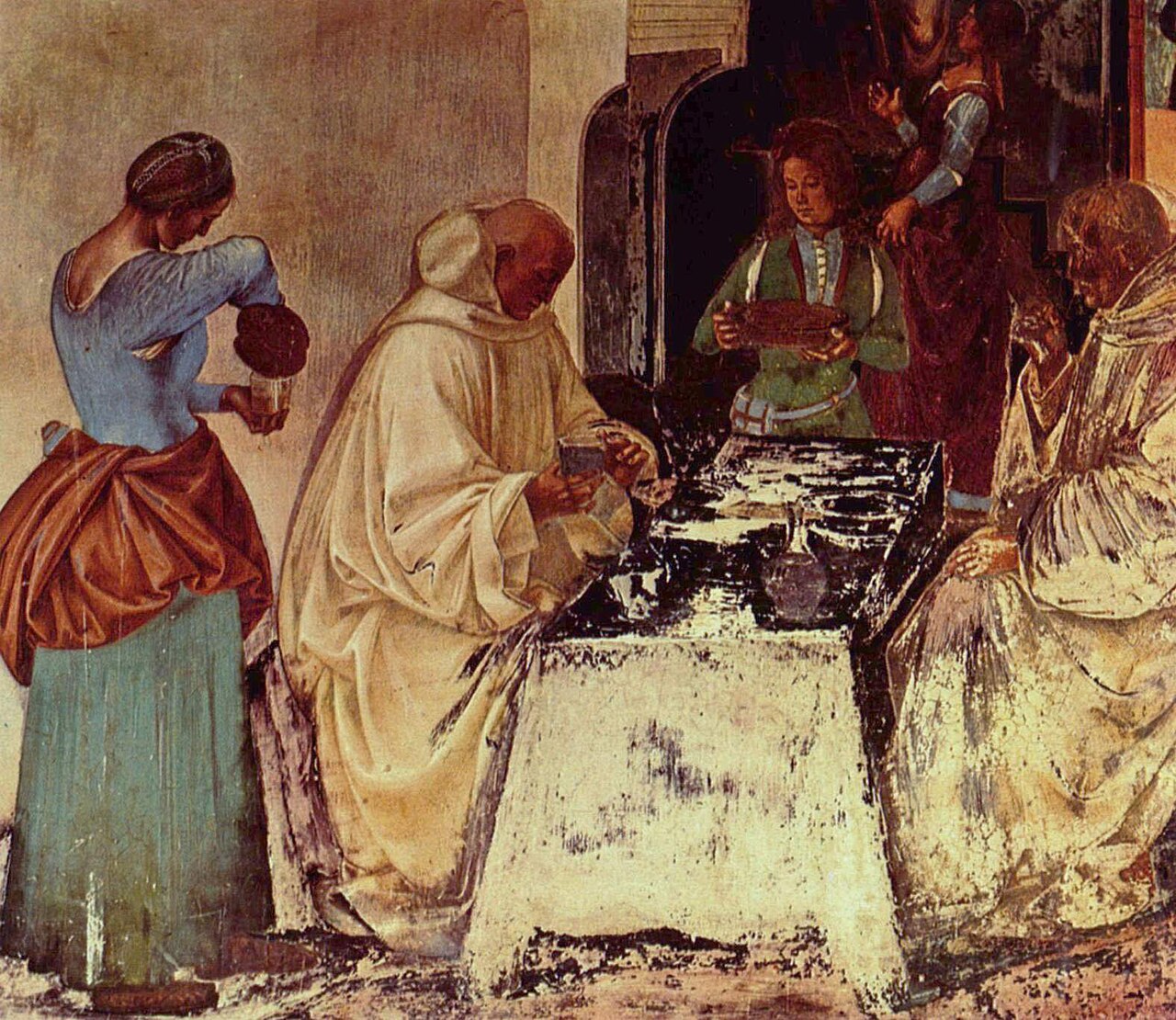
Fresco Cycle of the Life of St Benedict at Monte Oliveto Maggiore
Luca Signorelli and Sodoma · 1497-1505 (fresco cycle); abbey founded 1313
 Artifact
Secondary source
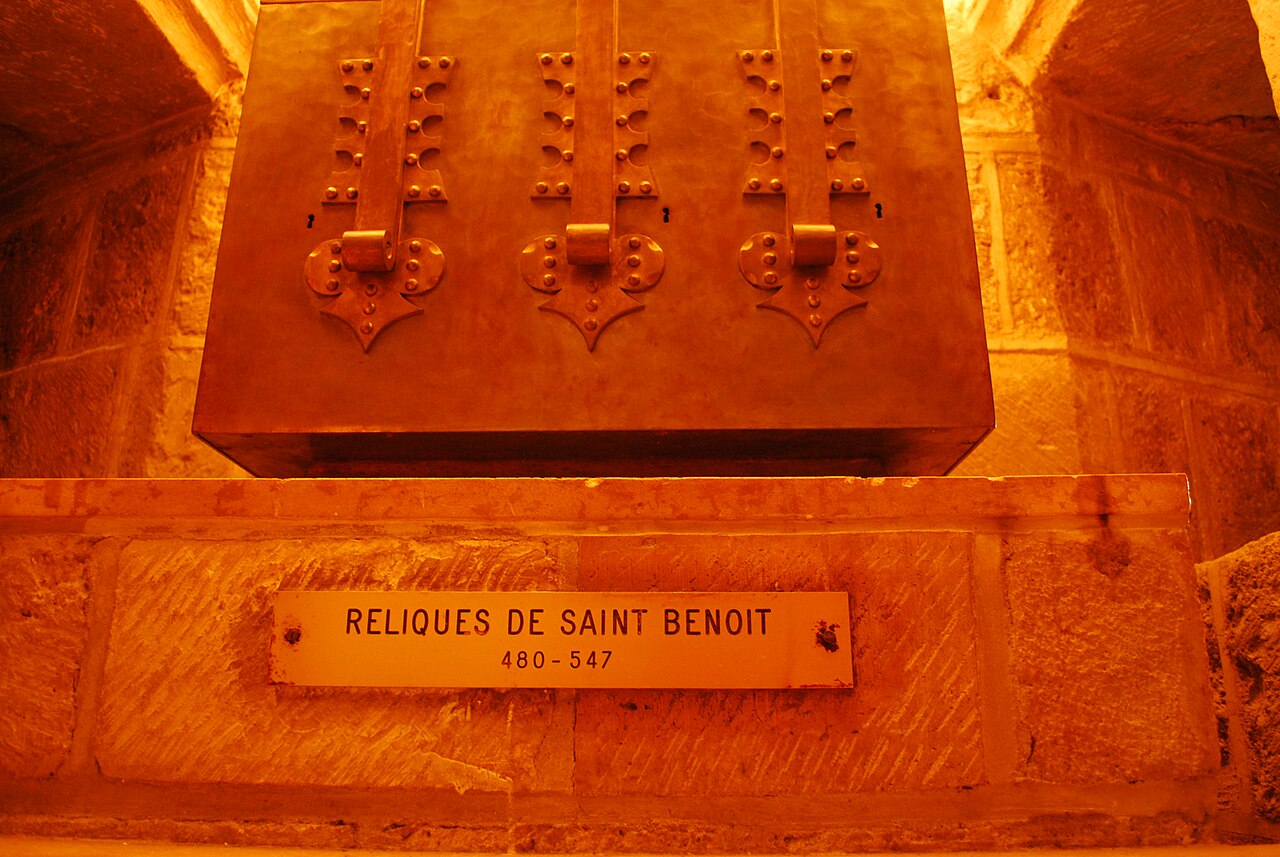
Reliquary of Saint Benedict at Fleury
 Artifact
Secondary source
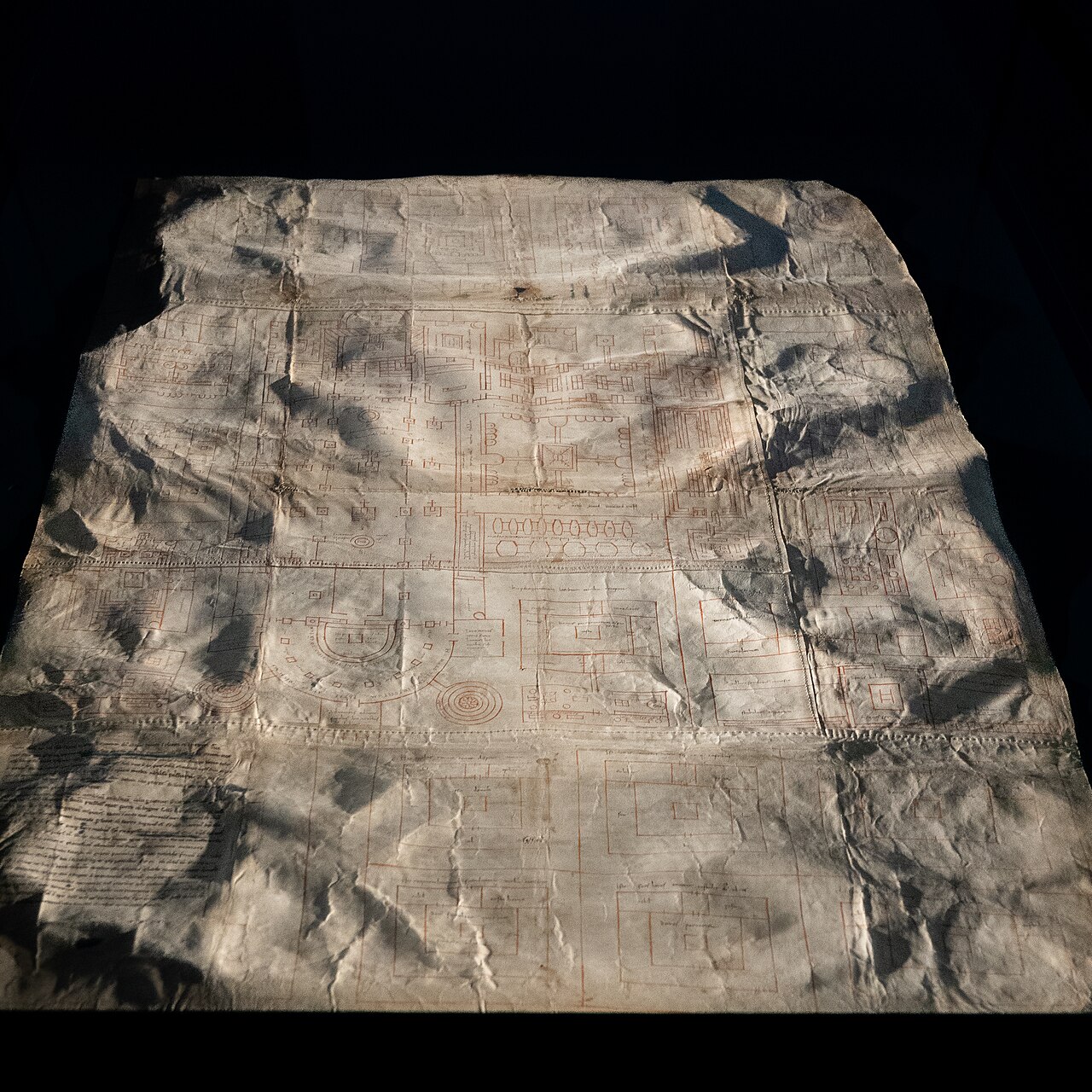
Plan of Saint Gall
c. 820-830
Ready when you are
Start chatting with Saint Benedict now.
20 messages free · No credit card · Available in 50+ languages.