


Primary sourceArtifact1816
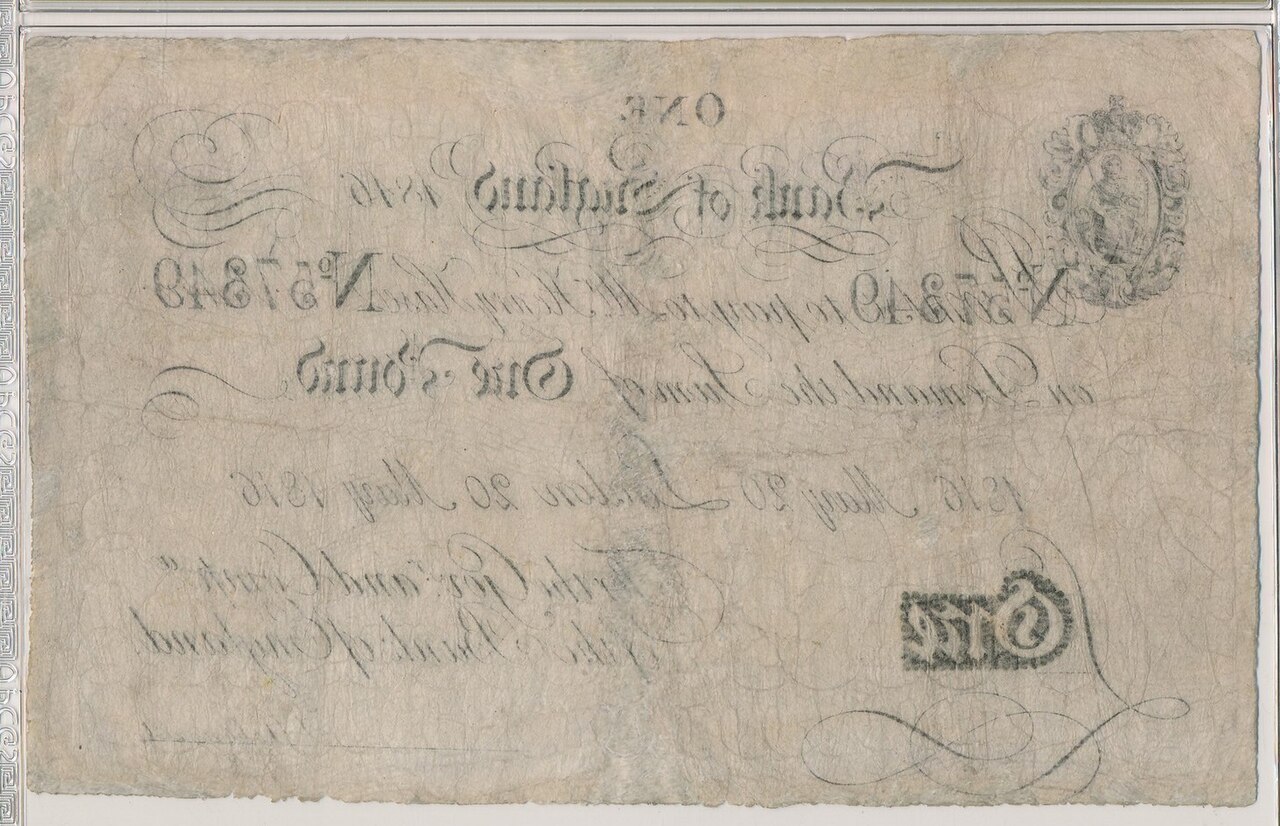
Bank of England £1 Banknote (1816)
The Bank of England · 1816
A one-pound banknote issued by the Bank of England in 1816, relevant to the paper money and bullion debates Malthus wrote about.
This banknote illustrates the paper money and bullion debates that Malthus engaged with as an economist of his era.
About this source
What it is
This is a photograph of a British banknote issued by the Bank of England in 1816, with a denomination of one pound. The image shows the reverse side, which is faded beige in color, with mirrored printed text, a copperplate-style flourish, an ornamental crest seal, and a small stamped oval mark.
Why it matters
This banknote dates from a period of major debate in Britain over paper money and the gold standard (the 'bullion debates'), issues that economists like Thomas Robert Malthus wrote about. It helps students understand the economic world Malthus analyzed, including questions about currency, inflation, and the value of money following the Napoleonic Wars.
Look closer
- What details on the note suggest it was meant to be hard to forge?
- Why might a government care about controlling how money is printed and issued?
- What might debates over paper money versus gold reveal about trust in a national economy?
This artifact is part of the curated material that grounds the AI version of Thomas Malthus on Humy.ai — when students ask about related events, the AI can quote it and cite it.
More Thomas Malthus sources
Meet the AI Thomas Malthus →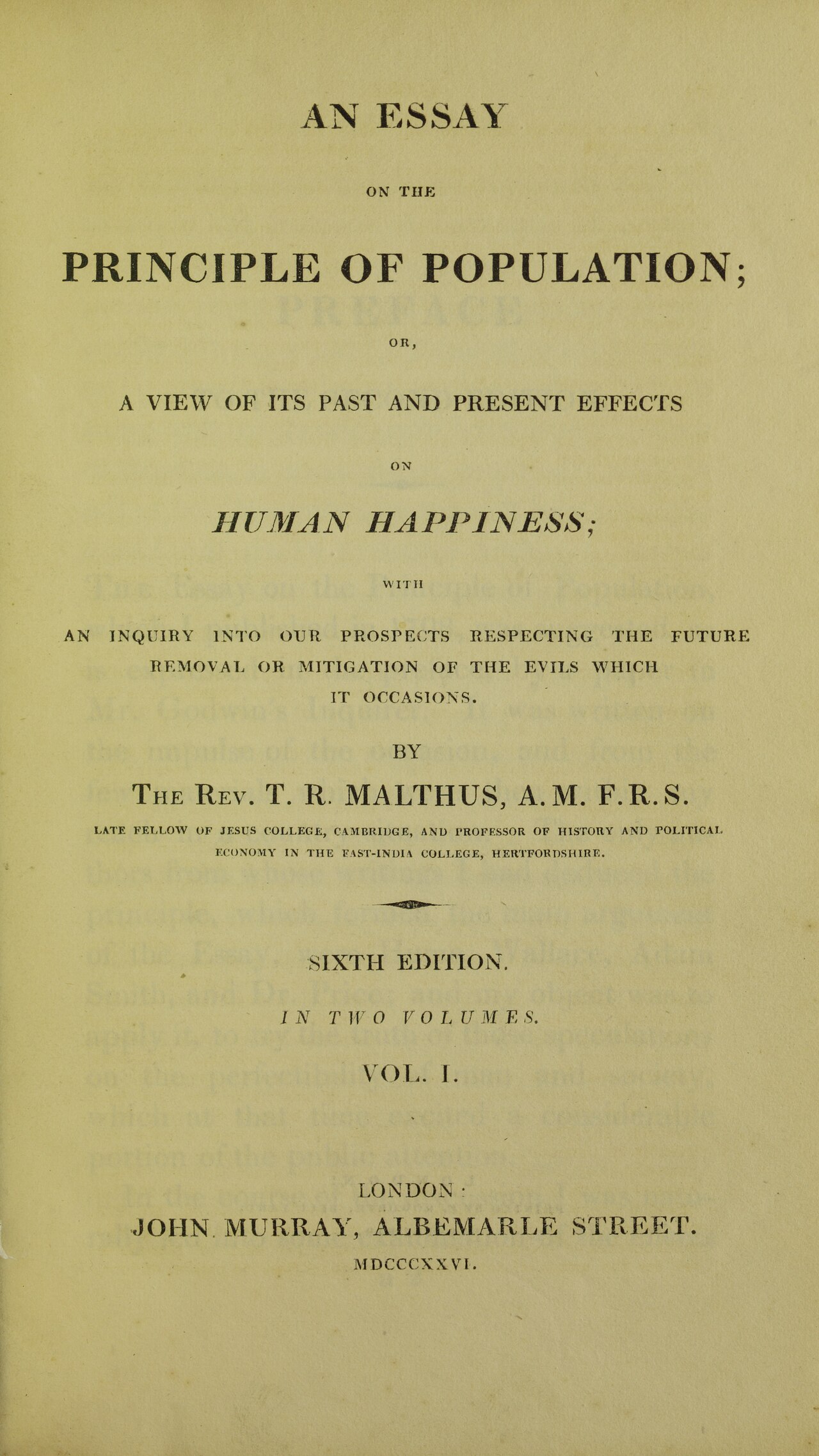 Book
Primary source
An Essay on the Principle of Population
Thomas Robert Malthus · 1798 (6th ed. 1826)
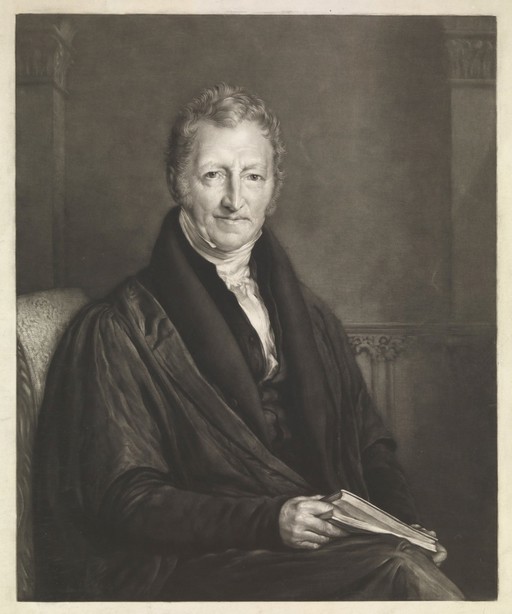 Painting
Primary source
Portrait Print of Thomas Robert Malthus
John Linnell
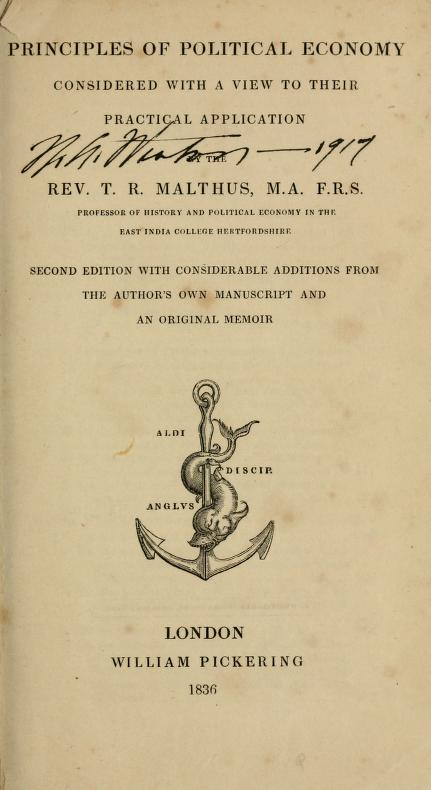 Book
Primary source
Principles of Political Economy
Thomas Robert Malthus · 1820 (2nd ed. 1836)
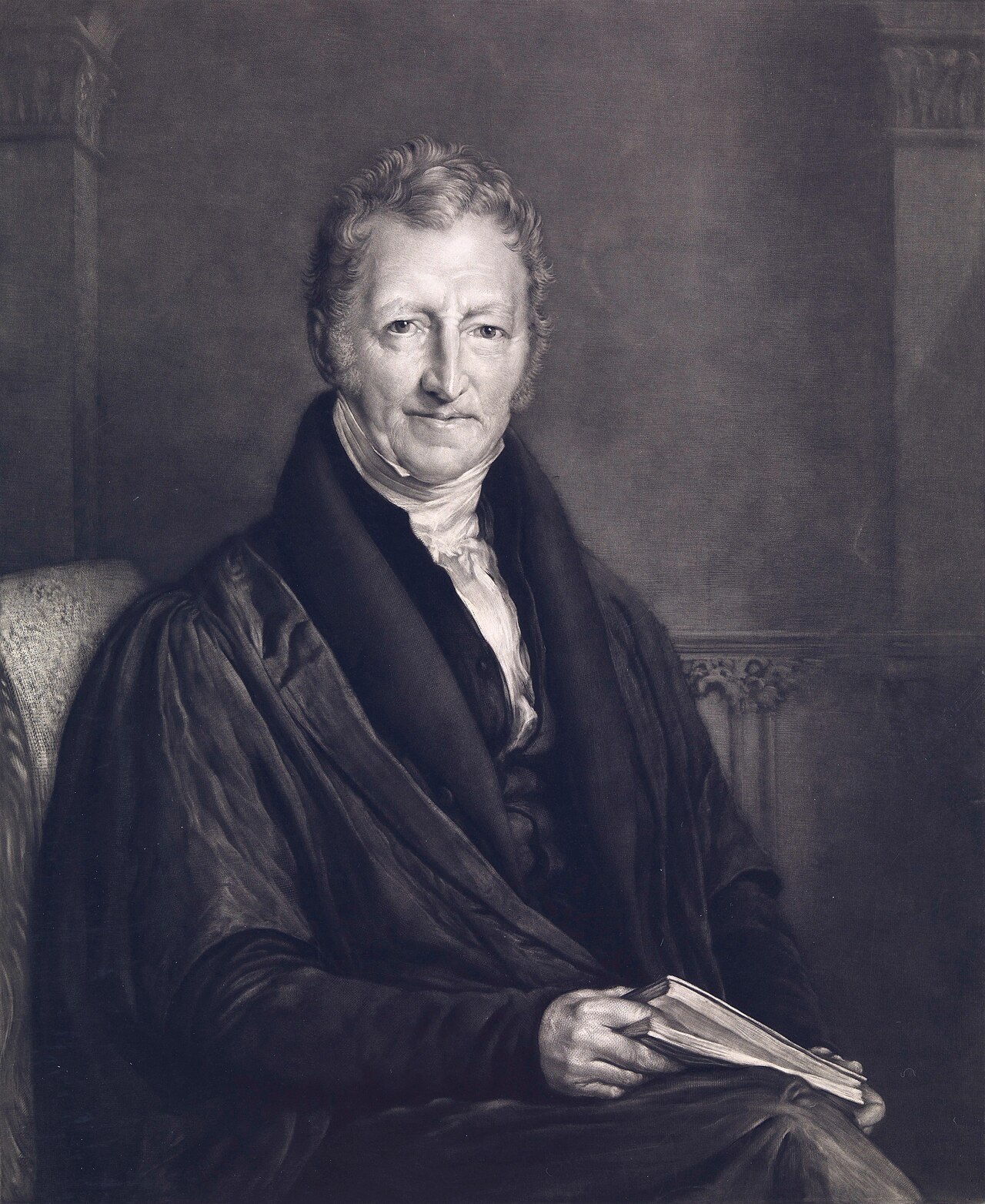 Painting
Primary source
Portrait of Thomas Robert Malthus
John Linnell · after 1833
 Letter
Primary source
Correspondence between Malthus and David Ricardo
Thomas Robert Malthus; David Ricardo · 1811–1823
Ready when you are
Start chatting with Thomas Malthus now.
20 messages free · No credit card · Available in 50+ languages.