


Secondary sourcePaintingca. 1824-1837
Banknote Design with Portrait of Thayendanegea
Asher Brown Durand · ca. 1824-1837
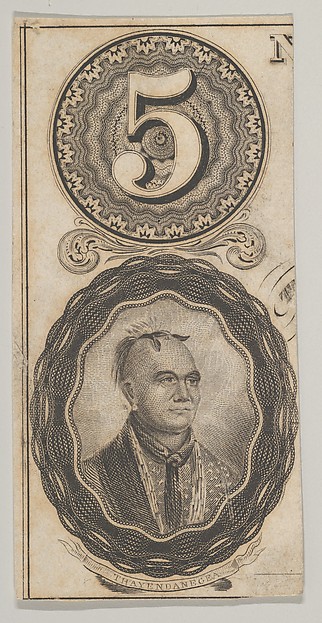
An engraved banknote design made after Brant's death, featuring an oval portrait of him labeled THAYENDANEGEA.
This later banknote design uses Brant's portrait and Mohawk name, showing how his image was commemorated after death.
About this source
What it is
This is an engraved proof for a banknote design, made by the American artist Asher Brown Durand sometime between about 1824 and 1837. It shows a large numeral 5 at the top and an oval portrait labeled THAYENDANEGEA at the bottom. It is held today by The Metropolitan Museum of Art.
Why it matters
The print was made long after Joseph Brant's death, showing how his image was later used as a recognizable symbol — even appearing on currency designs. It reveals how Brant's fame as a Mohawk leader lived on in American visual culture decades after his lifetime.
Look closer
- Why might a banknote designer choose to include a portrait of Brant?
- What does the choice of his Mohawk name, Thayendanegea, suggest about how he was remembered?
- What is missing from this image that might tell us about Brant's actual life or actions?
This painting is part of the curated material that grounds the AI version of Joseph Brant (Thayendanegea) on Humy.ai — when students ask about related events, the AI can quote it and cite it.
More Joseph Brant (Thayendanegea) sources
Meet the AI Joseph Brant (Thayendanegea) →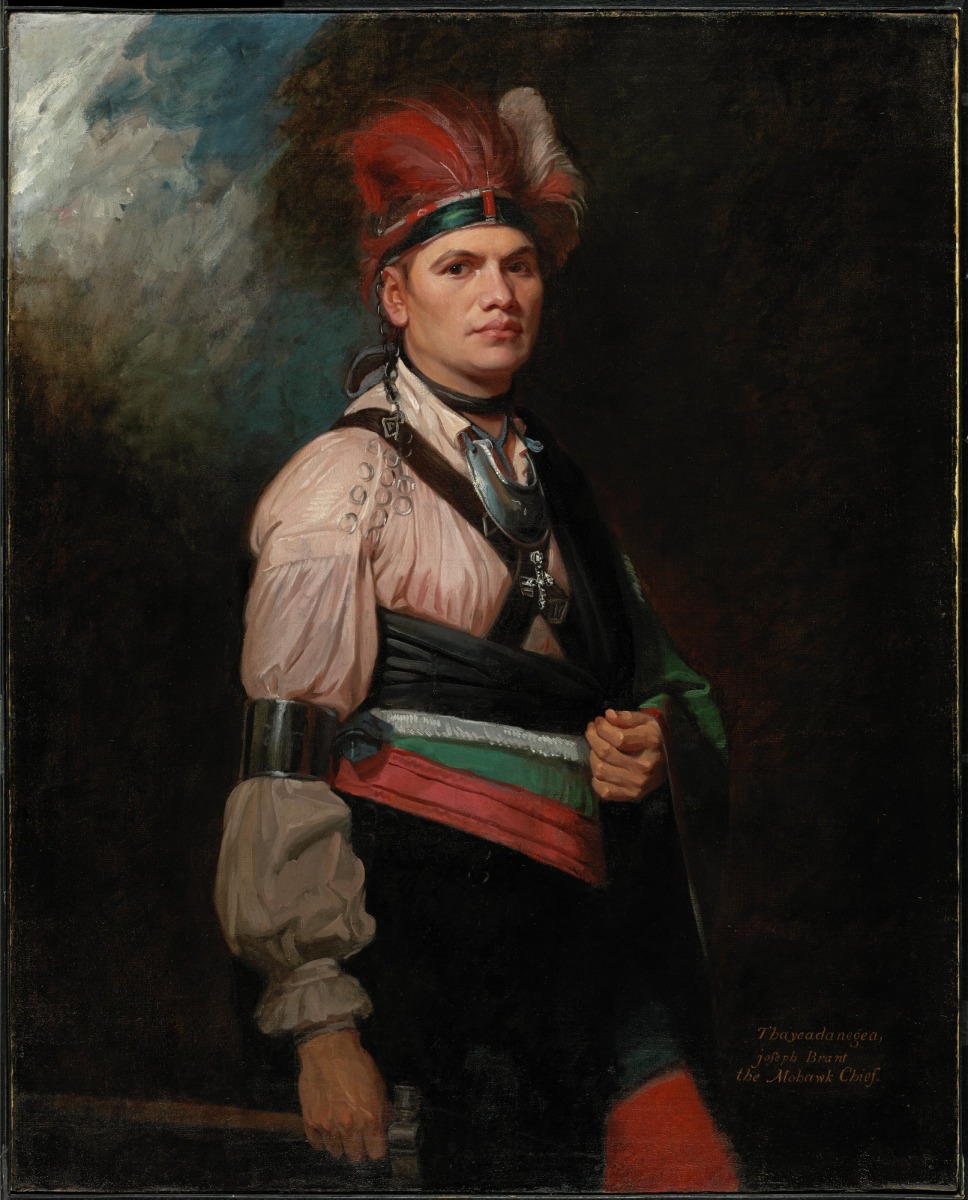 Painting
Primary source
Thayendanegea (Joseph Brant)
George Romney · 1776
 Painting
Primary source
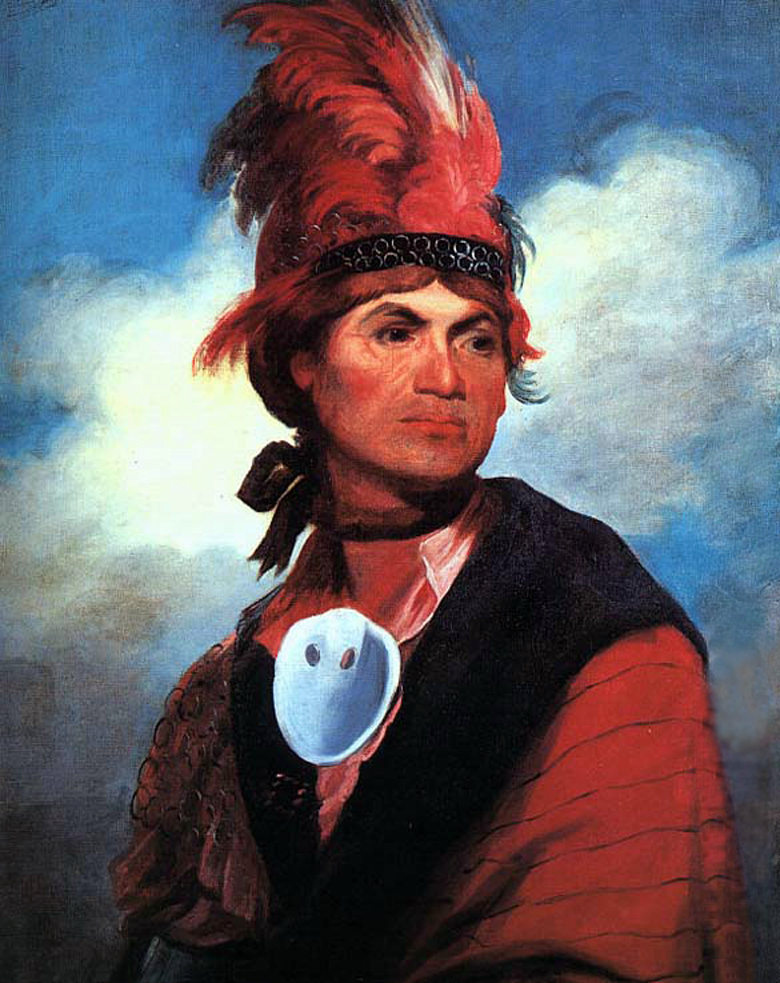
Joseph Brant by Gilbert Stuart
Gilbert Stuart · 1786
 Painting
Primary source
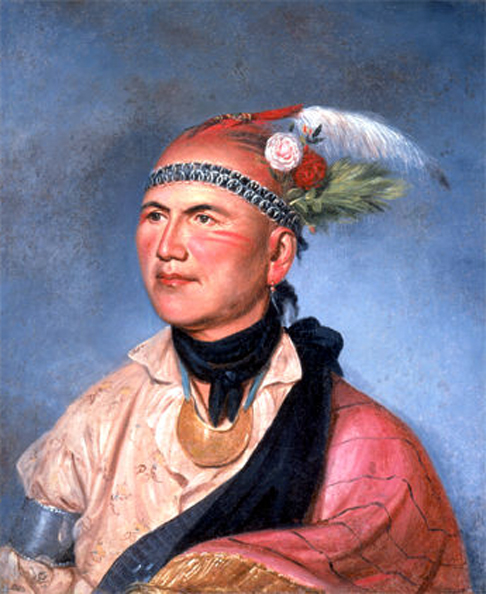
Joseph Brant by Charles Willson Peale
Charles Willson Peale · 1797
 Painting
Secondary source
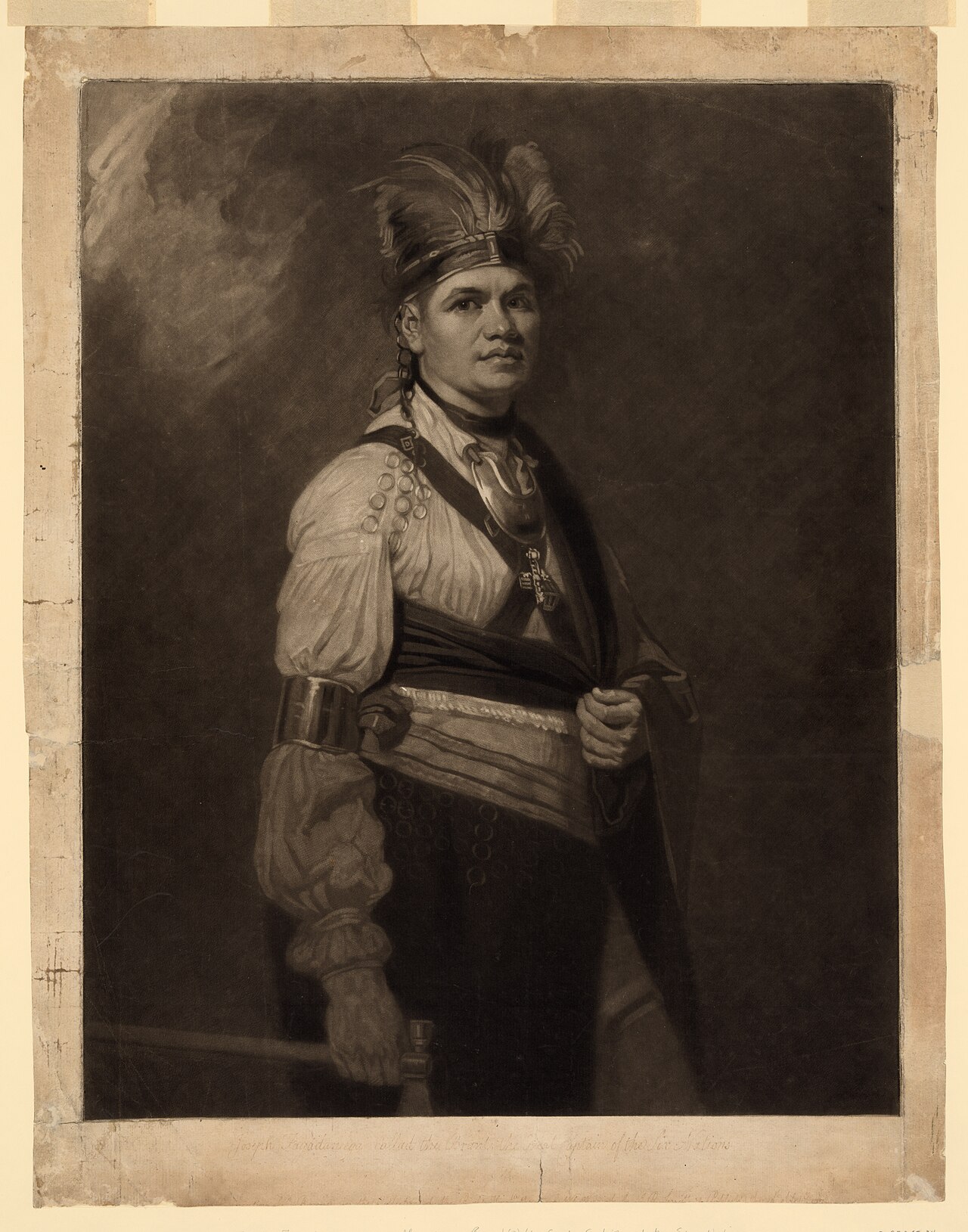
Joseph Fayadaneega, called the Brant, the Great Captain of the Six Nations
John Raphael Smith, after George Romney · 1779
 Painting
Primary source
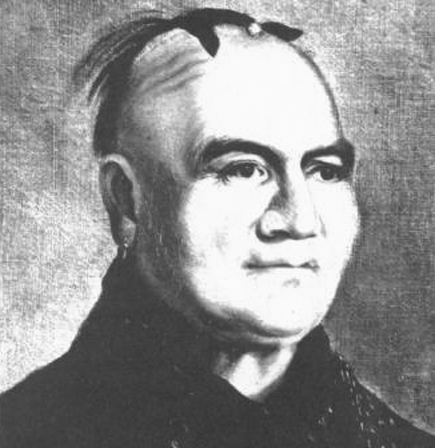
Joseph Brant by Ezra Ames
Ezra Ames · 1806
Ready when you are
Start chatting with Joseph Brant (Thayendanegea) now.
20 messages free · No credit card · Available in 50+ languages.