


Primary sourceSculpturec. 525
Barberini ivory
Unknown (imperial workshop, Constantinople) · c. 525
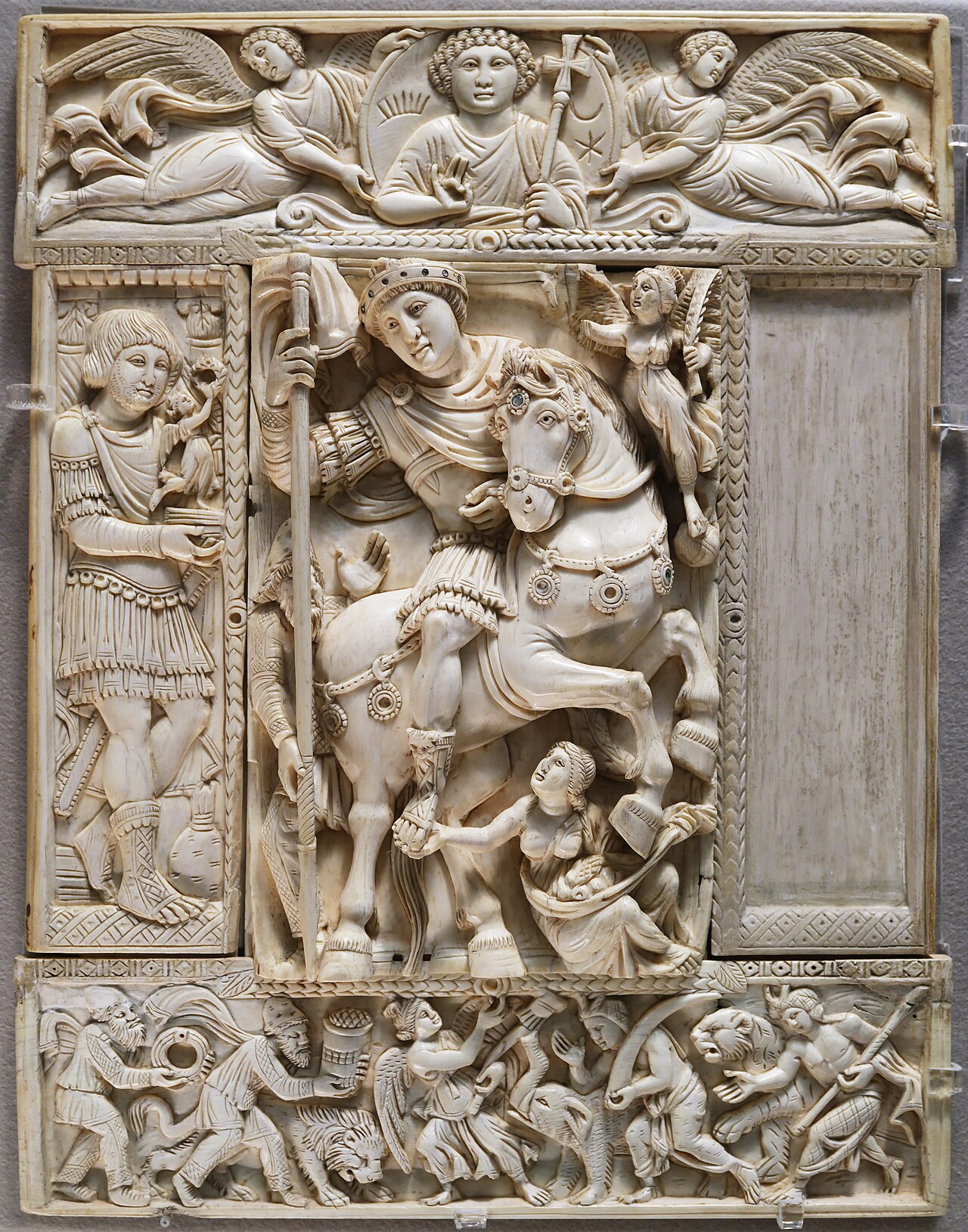
A carved ivory panel showing a triumphant emperor on horseback, most likely a portrait of Justinian celebrating military victory.
The ivory most likely depicts Justinian as a triumphant emperor, displaying his imperial ideology of conquest.
About this source
What it is
This carved ivory leaf, probably from an imperial diptych, was made in an imperial workshop in Constantinople in the early 6th century. It is now held in the Louvre's Department of Byzantine Arts and Eastern Christian Art. The emperor shown is usually identified as Justinian, though some scholars suggest Anastasius I or Zeno.
Why it matters
The ivory shows the emperor as a victorious horseman, crowned by an angel, with a conquered barbarian beneath his spear and tribute-bearers below, while Christ blesses the scene from above. This combination of Roman imperial imagery and Christian symbolism reveals how rulers like Justinian presented their power as both earthly and divinely sanctioned. Centuries later, the ivory was inscribed with the names of Frankish kings by Queen Brunhilda of Austrasia, who gave it to a church, showing how such objects could be reused by later rulers for their own purposes.
Look closer
- What details in the carving suggest the emperor's power is backed by divine approval?
- Why might the conquered figure be shown as awed rather than fighting back?
- What does the later addition of Frankish royal names tell you about how this object's meaning changed over time?
This sculpture is part of the curated material that grounds the AI version of Justinian I on Humy.ai — when students ask about related events, the AI can quote it and cite it.
More Justinian I sources
Meet the AI Justinian I →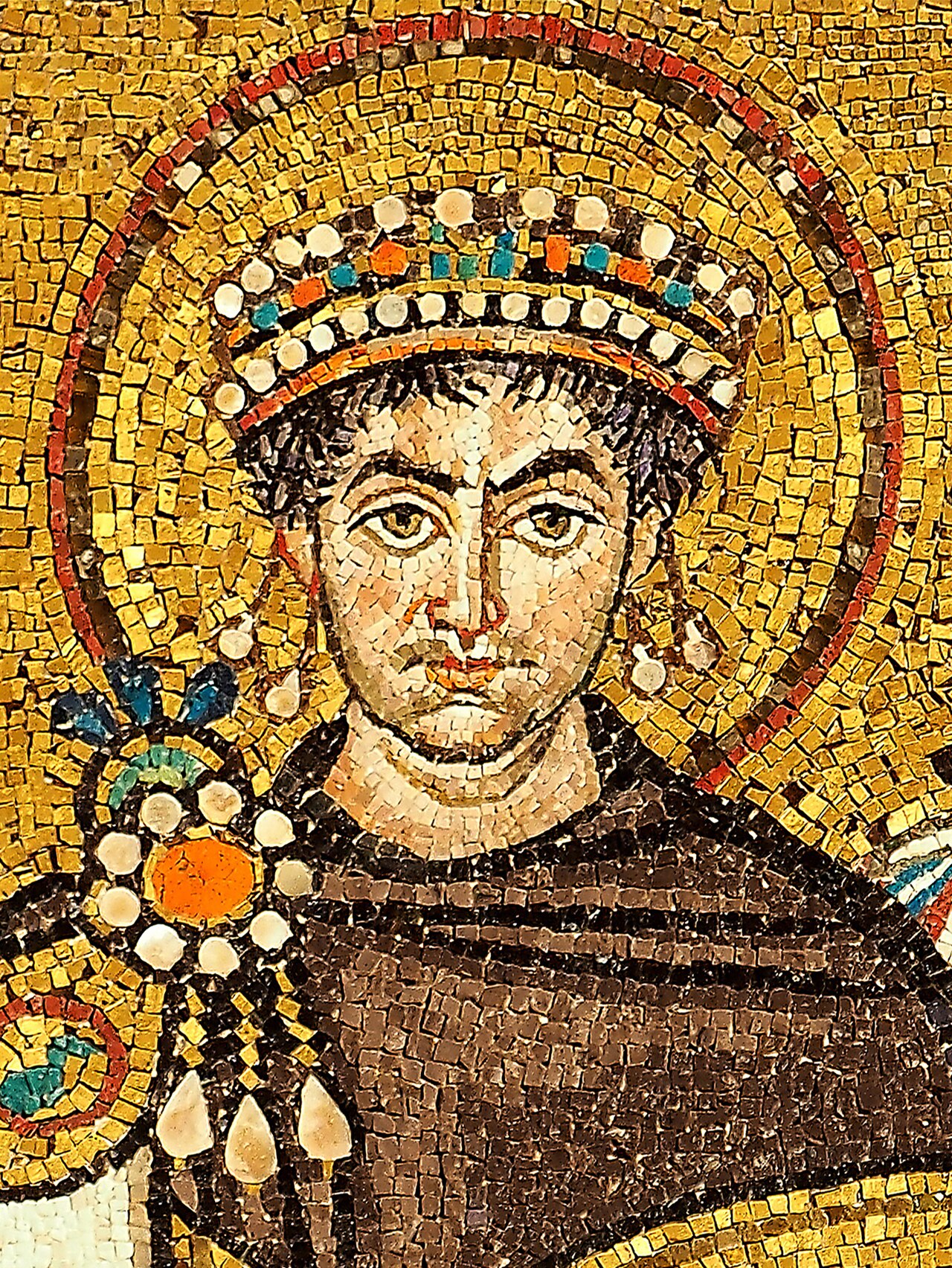 Artifact
Primary source
Portrait of Justinian I, San Vitale Mosaic
Byzantine mosaicists · c. 547
 Painting
Secondary source
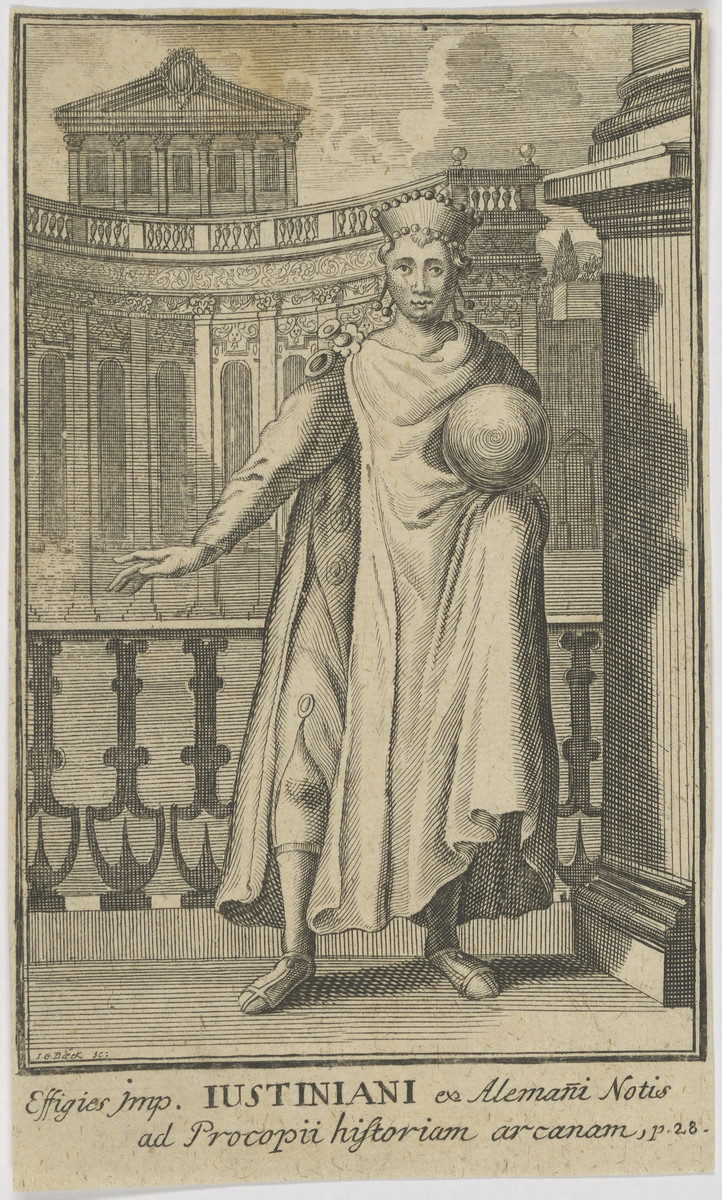
Portrait of Emperor Justinian
Johann Friedrich Böck
 Document
Primary source
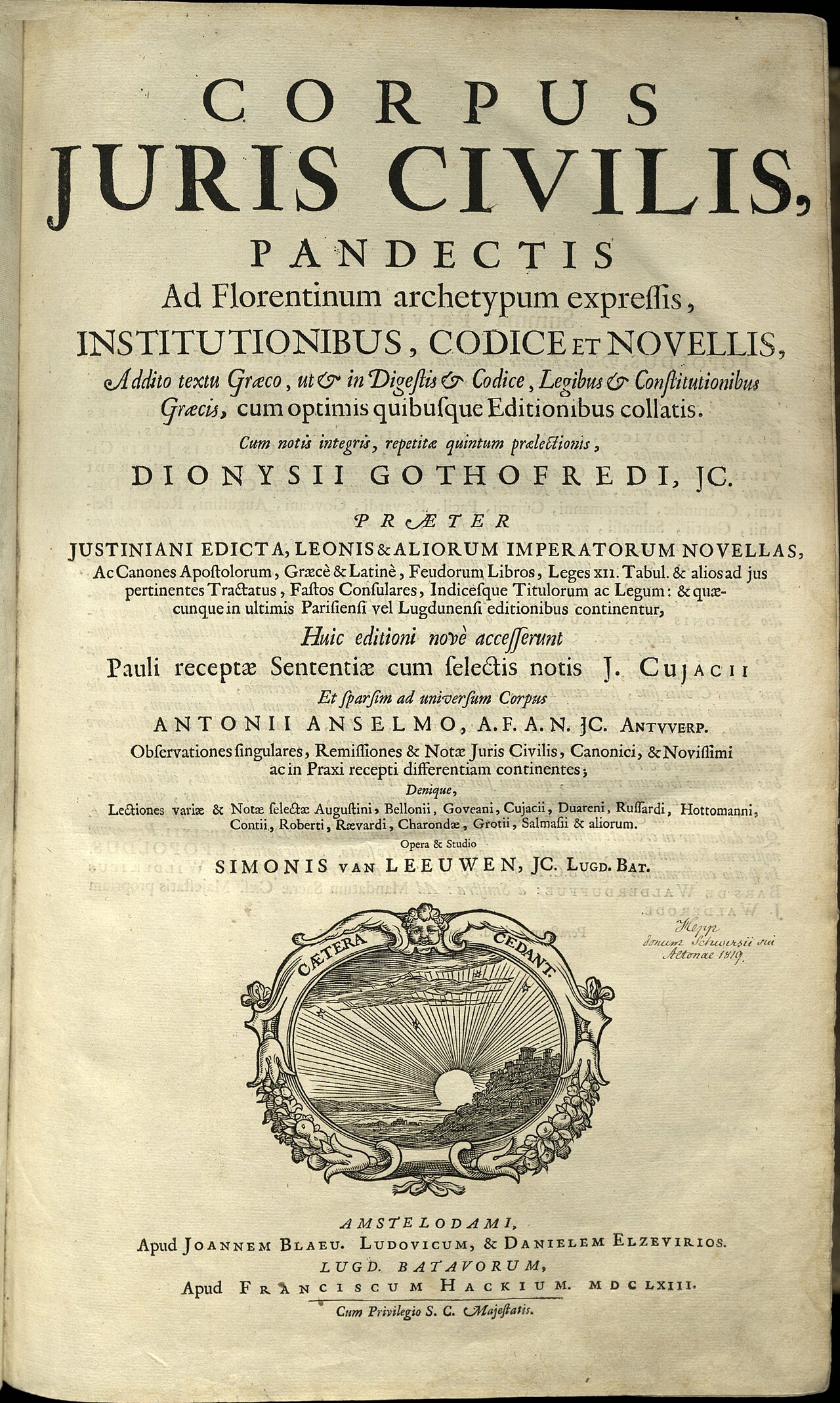
Corpus Juris Civilis
Tribonian · 528-534
 Artifact
Primary source
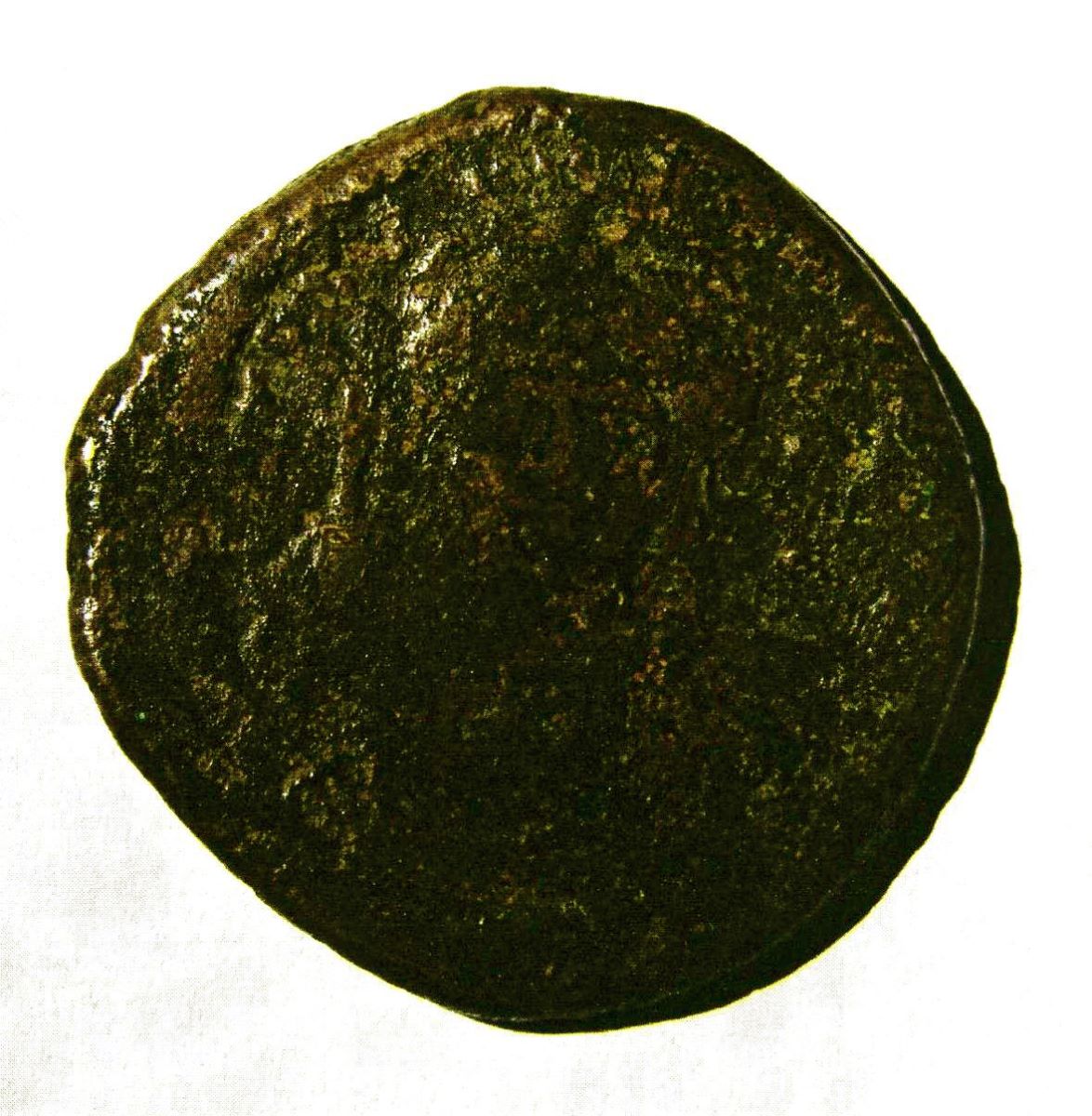
Bronze Follis of Justinian I with Globus Cruciger
 Artifact
Secondary source
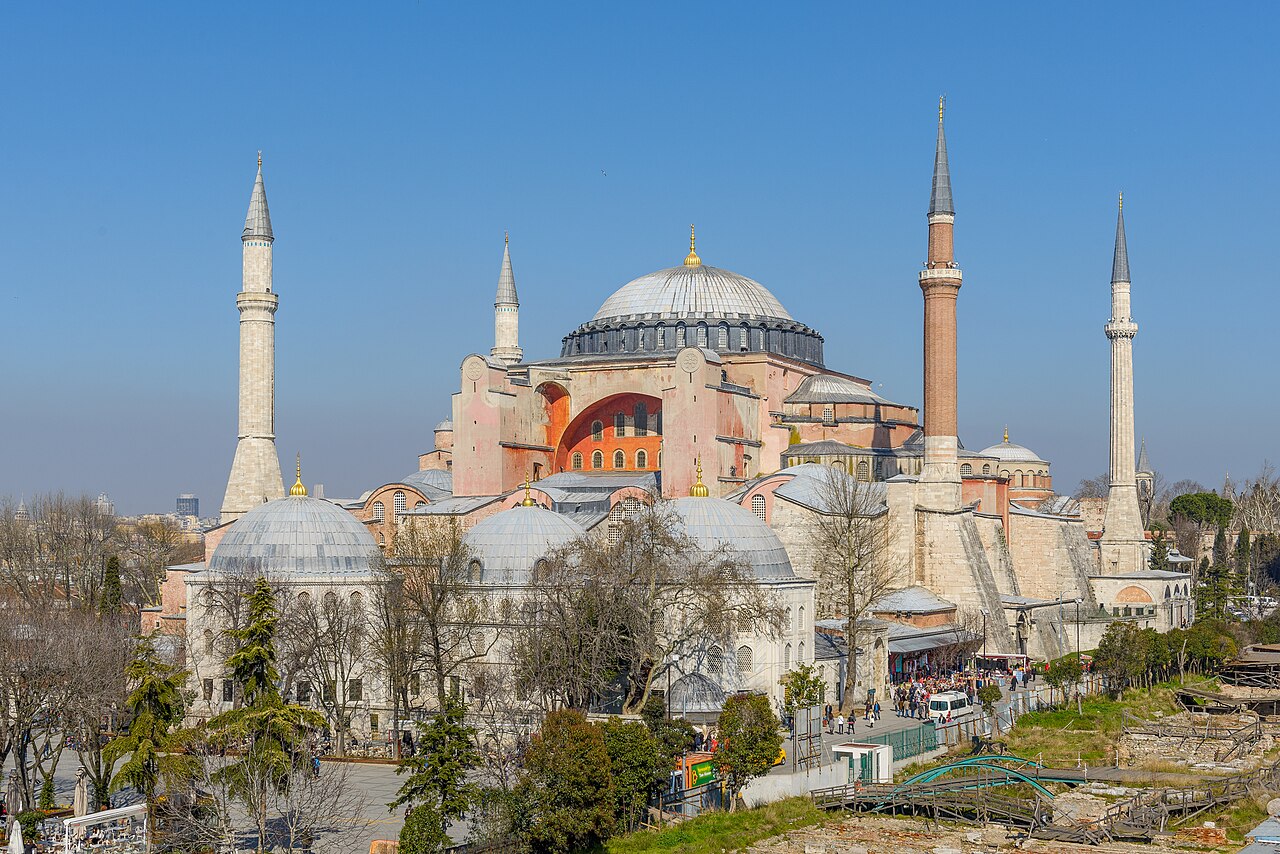
Hagia Sophia
Isidore of Miletus and Anthemius of Tralles · 532-537 CE
Ready when you are
Start chatting with Justinian I now.
20 messages free · No credit card · Available in 50+ languages.