


Primary sourceArtifact6th century
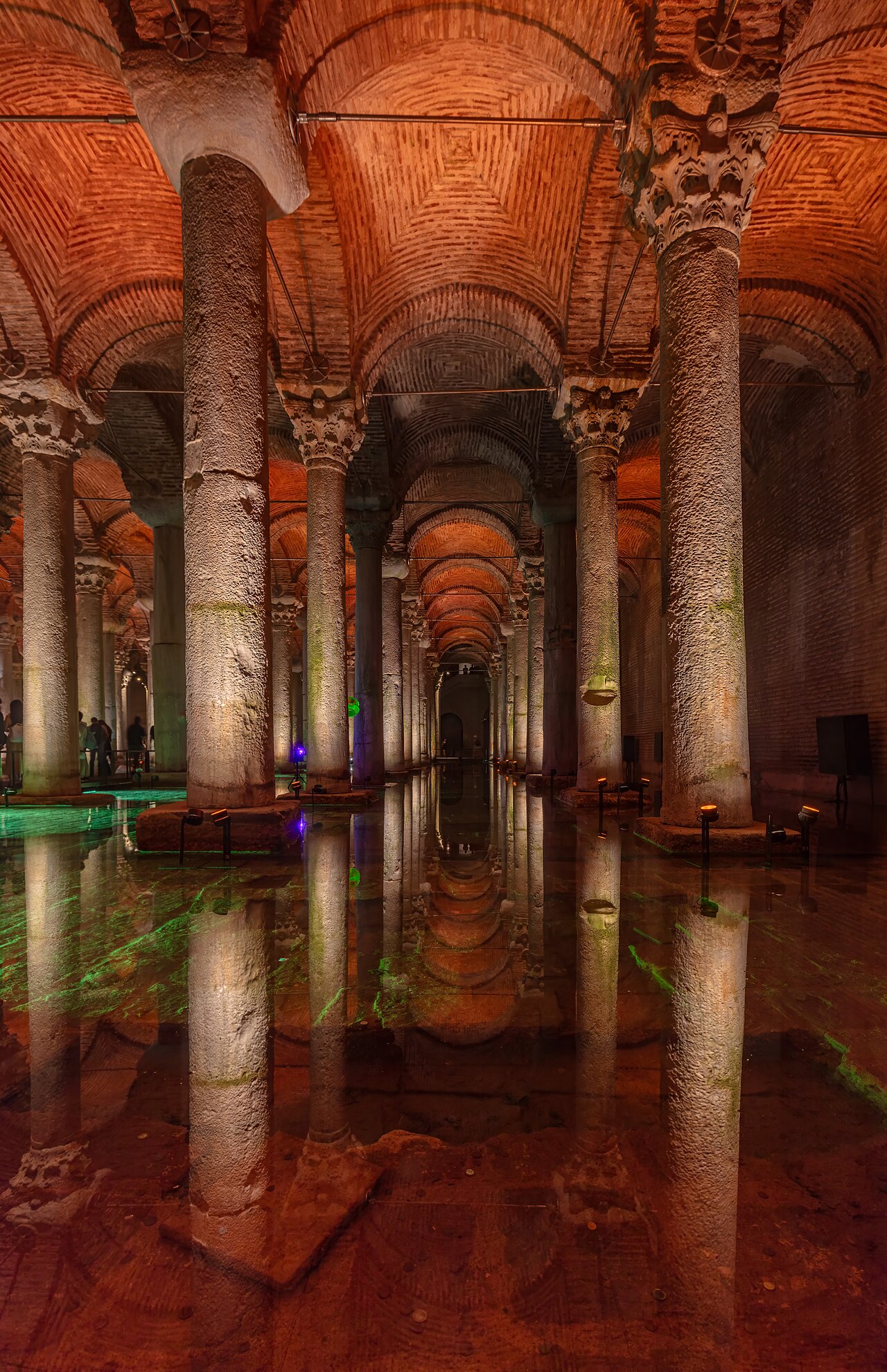
Basilica Cistern
6th century
A massive underground water reservoir built in Constantinople during Justinian's reign, showing his large-scale infrastructure projects.
Justinian commissioned this cistern, showing his role in the infrastructure and labor systems of his capital.
About this source
What it is
The Basilica Cistern is a huge underground reservoir in Istanbul, built in the 6th century during the reign of Byzantine Emperor Justinian I. It stands near the Hagia Sophia and was built on the site of an earlier public square called the Stoa Basilica.
The chamber covers a vast area and its ceiling is held up by hundreds of marble columns, many of them reused from older buildings. Historical texts claim thousands of enslaved people were involved in its construction. Today it is a museum open to the public.
Why it matters
The cistern reveals the scale of engineering and labor Justinian commanded to secure water for his capital's palaces and population. It shows how Byzantine builders recycled materials from across the empire, and how later Ottoman rulers continued to rely on the same infrastructure.
Look closer
- What does the reuse of older columns tell you about how the Byzantines built their city?
- Why would an emperor invest heavily in something hidden underground?
- What does the claim about enslaved laborers add to the story the building usually tells?
This artifact is part of the curated material that grounds the AI version of Justinian I on Humy.ai — when students ask about related events, the AI can quote it and cite it.
More Justinian I sources
Meet the AI Justinian I →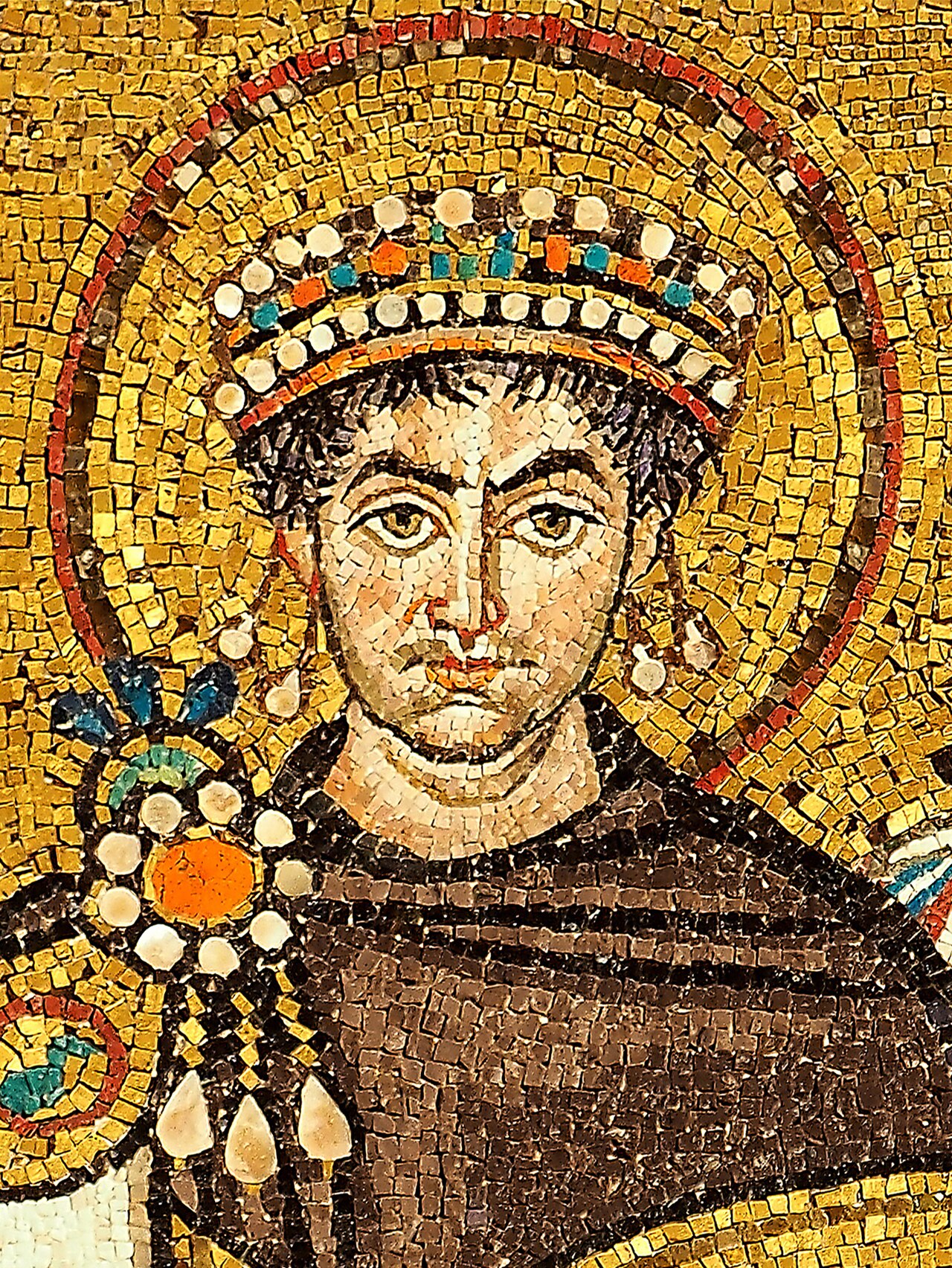 Artifact
Primary source
Portrait of Justinian I, San Vitale Mosaic
Byzantine mosaicists · c. 547
 Painting
Secondary source
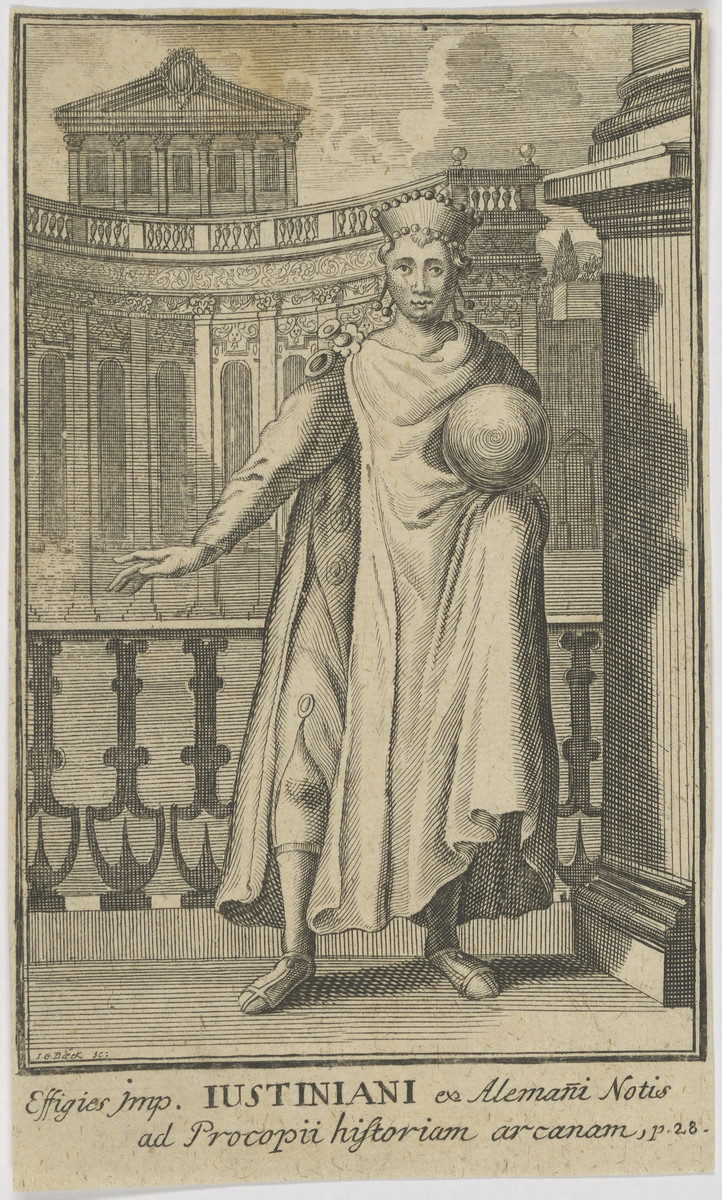
Portrait of Emperor Justinian
Johann Friedrich Böck
 Document
Primary source
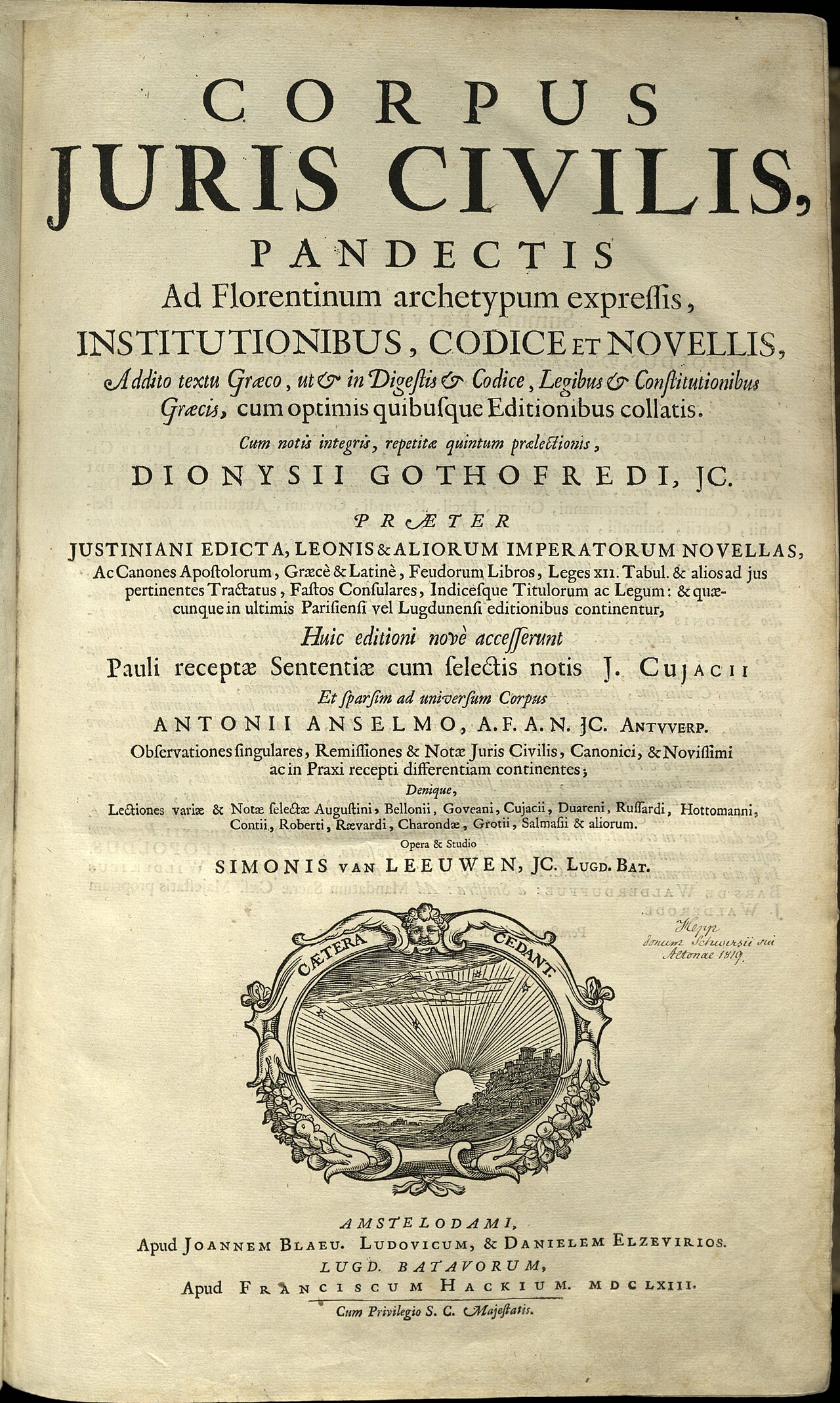
Corpus Juris Civilis
Tribonian · 528-534
 Artifact
Primary source
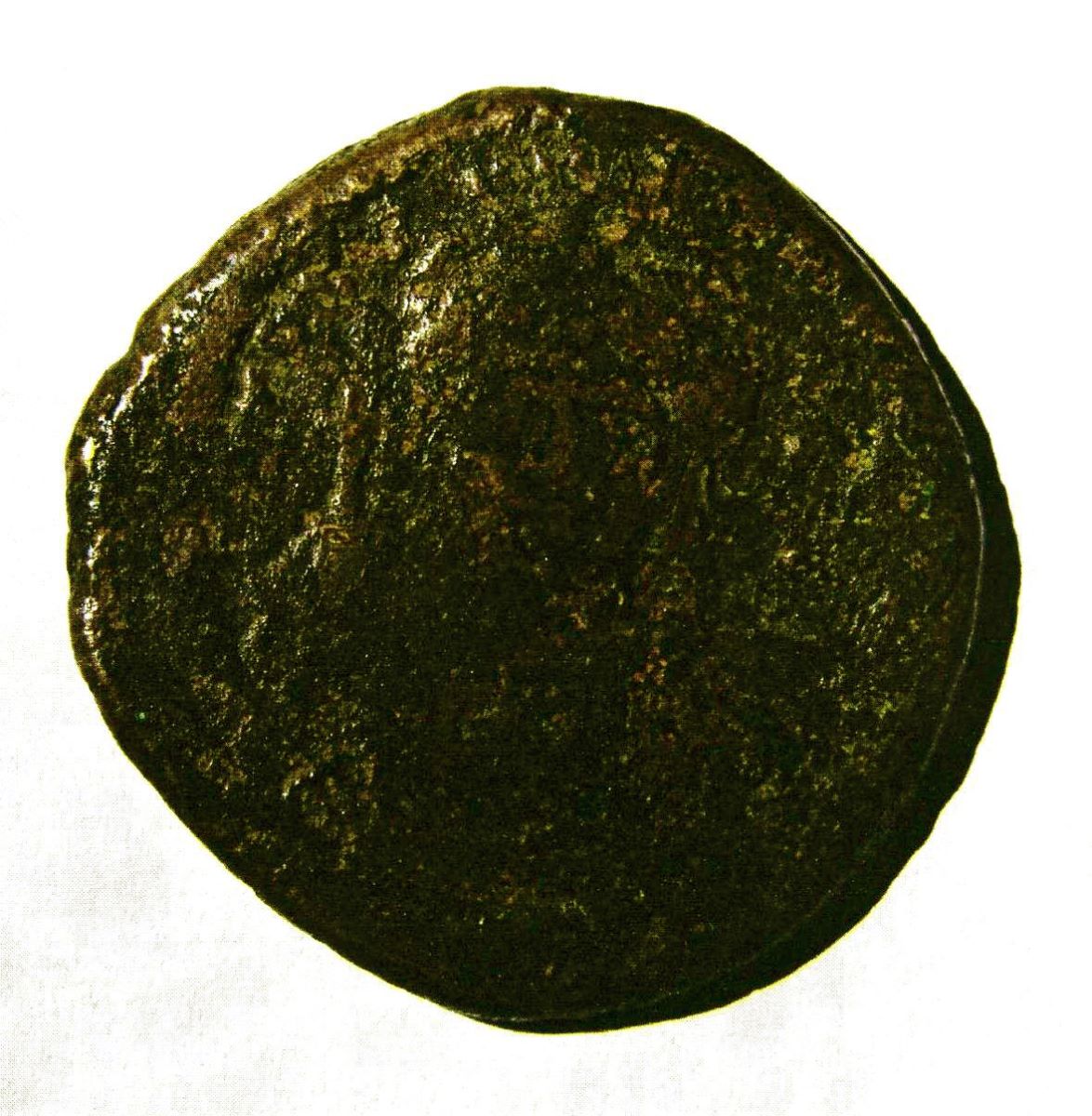
Bronze Follis of Justinian I with Globus Cruciger
 Artifact
Secondary source
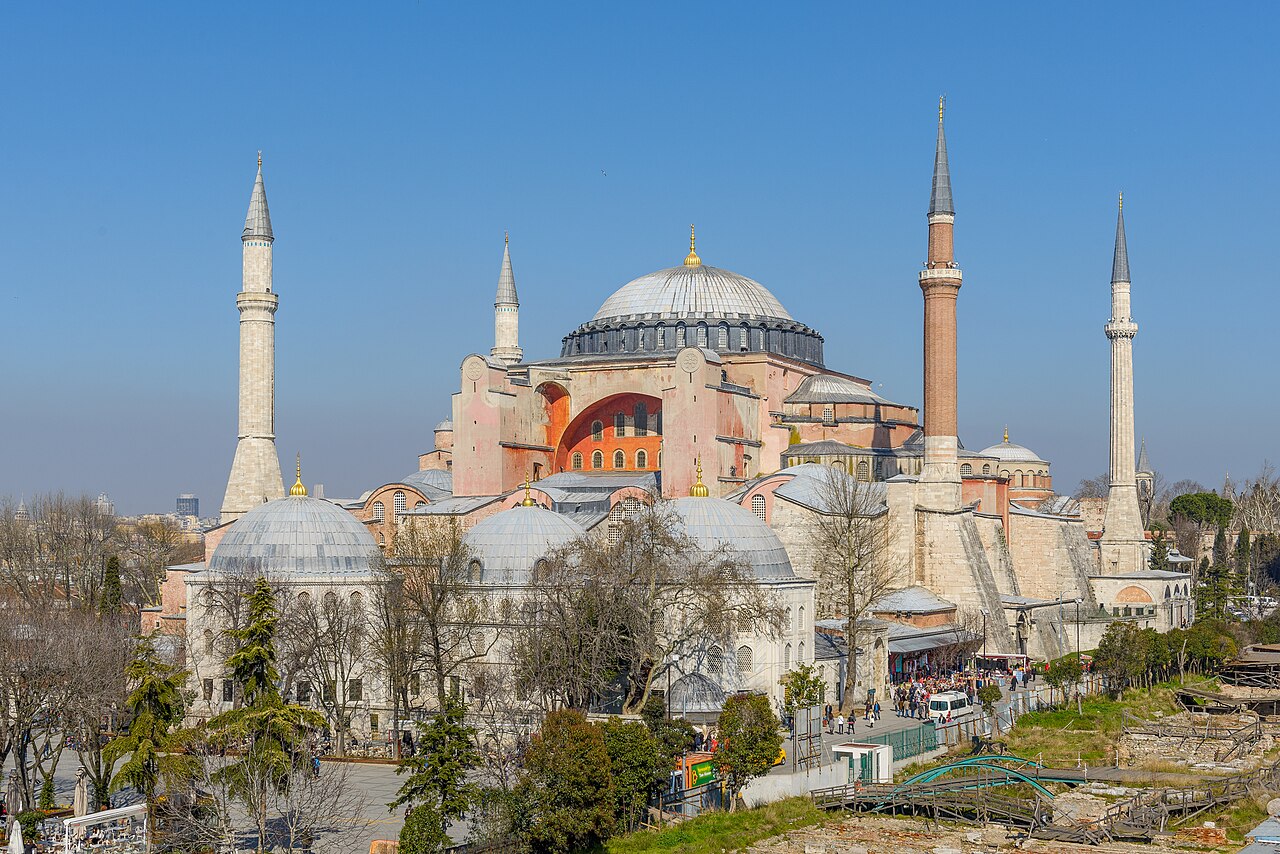
Hagia Sophia
Isidore of Miletus and Anthemius of Tralles · 532-537 CE
Ready when you are
Start chatting with Justinian I now.
20 messages free · No credit card · Available in 50+ languages.