


Primary sourcePhotographc. 1922
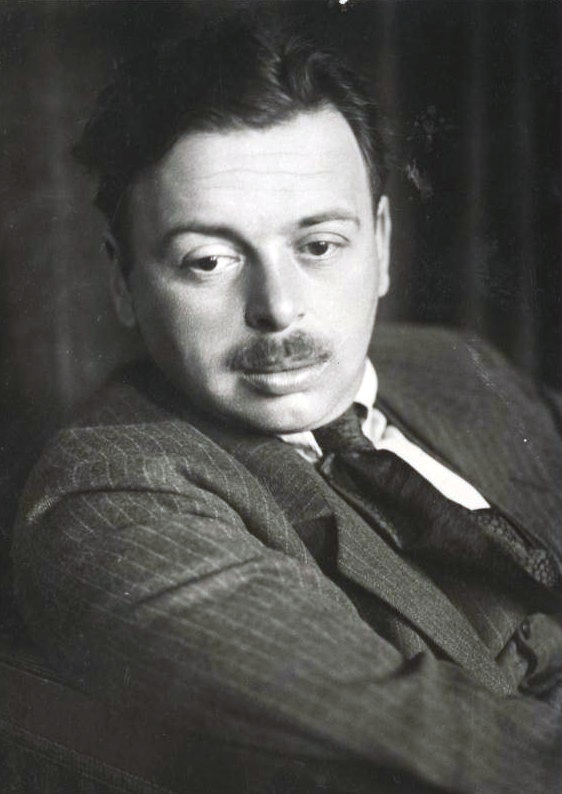
Béla Kun, c. 1922
c. 1922
A studio photograph of Béla Kun from around 1922, during his years as a Comintern functionary after the failed March Action.
This portrait shows Kun during his years as an exiled Comintern functionary after the Hungarian Soviet Republic's fall.
About this source
What it is
This is a black-and-white studio portrait photograph of Béla Kun from around 1922. By this time Kun had fled Hungary after the fall of the Hungarian Soviet Republic and was working within the Communist International (Comintern) in Moscow and Germany.
Why it matters
The image dates from the period after Kun's failed attempt to spark a communist uprising in Germany known as the March Action. It shows him in exile, still active as an international communist organiser rather than as a head of state.
Look closer
- How does this portrait compare in style and tone to earlier images of Kun taken during 1919?
- What might the formal studio setting suggest about his role at this time?
- Why might photographs of political exiles still be carefully staged?
This photograph is part of the curated material that grounds the AI version of Béla Kun on Humy.ai — when students ask about related events, the AI can quote it and cite it.
More Béla Kun sources
Meet the AI Béla Kun →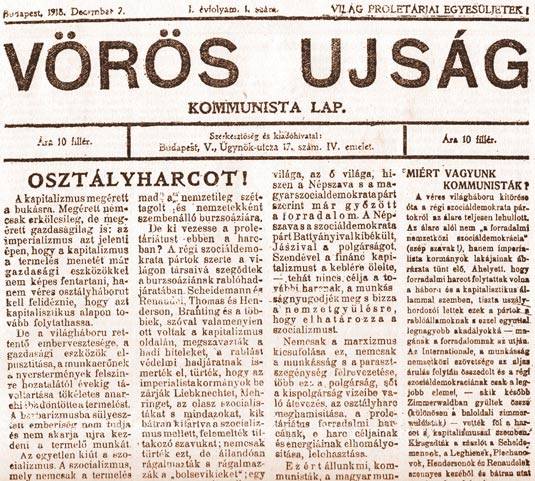 Newspaper article
Primary source
Vörös Újság: First Editorial
Béla Kun · 7 December 1918
 Document
Primary source
Treaty of Trianon
4 June 1920
 Photograph
Primary source
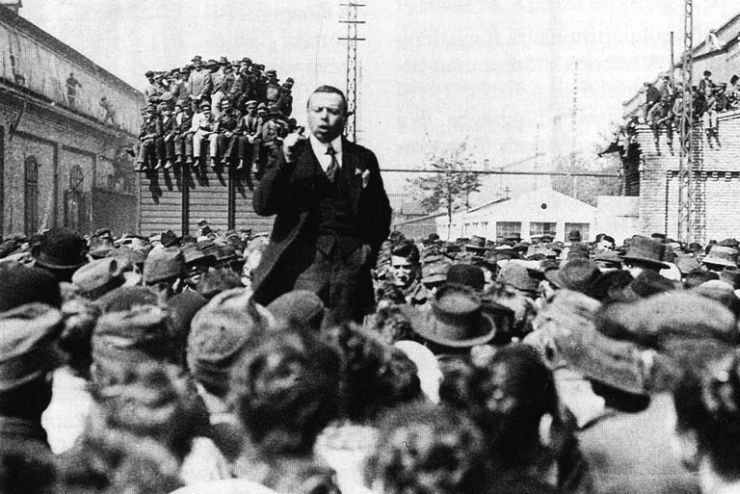
Béla Kun, Leader of the 1919 Hungarian Revolution
1919
 Photograph
Primary source
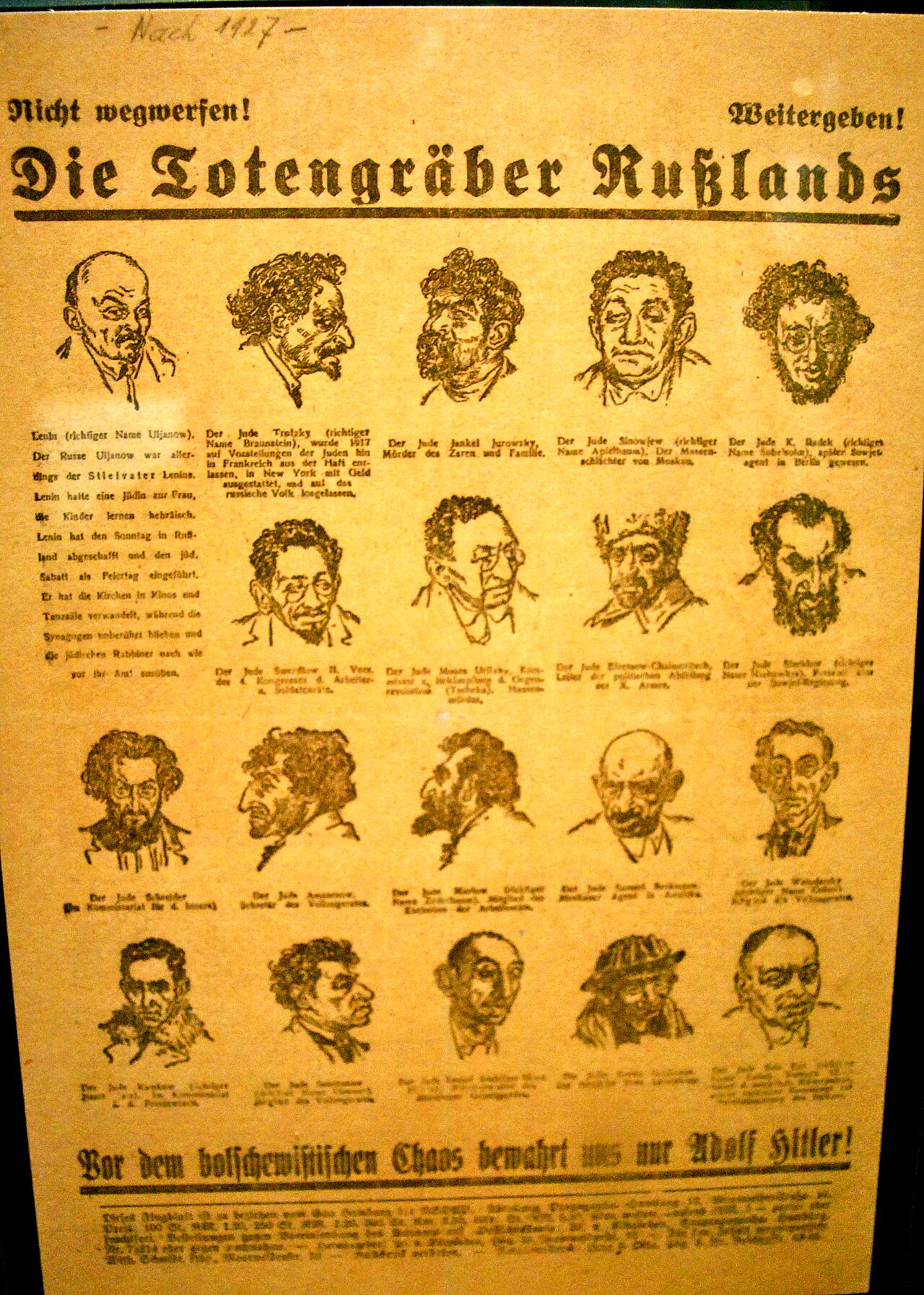
Die Totengräber Russlands
March 1937
 Photograph
Primary source
Sándor Garbai and Béla Kun, Leaders of the Hungarian Soviet Republic
1919
Ready when you are
Start chatting with Béla Kun now.
20 messages free · No credit card · Available in 50+ languages.