


Tertiary sourceBook1910
Bentham, Jeremy, entry in A Short Biographical Dictionary of English Literature
John William Cousin · 1910
A 1910 dictionary entry by John William Cousin describing Bentham as a writer on jurisprudence and politics and the first of the philosophical radicals.
A brief reference entry summarising Bentham's main works and his utilitarian principle, as understood in 1910.
About this source
What it is
This is an entry on Bentham in A Short Biographical Dictionary of English Literature, written by John William Cousin and published in London by J. M. Dent & Sons in 1910. The entry describes Bentham as a writer on jurisprudence and politics who was born in London and trained at Lincoln's Inn. It lists works such as his Fragment on Government of 1776, his Introduction to Principles of Morals and Legislation of 1780, and his Panopticon proposals for prison discipline.
Why it matters
Reference works like this shaped how readers in the early twentieth century understood a thinker. The entry calls Bentham the first and perhaps the greatest of the philosophical radicals and names utilitarianism as his main principle. It also notes that the phrase 'the greatest happiness of the greatest number' is generally, though wrongly, credited to him.
Look closer
- Why does the entry call Bentham a writer rather than a reformer, and what does that choice show?
- How does the short length of a dictionary entry shape what a reader learns?
- Which of Bentham's ideas does the entry mention, and which does it leave out?
This book is part of the curated material that grounds the AI version of Jeremy Bentham on Humy.ai — when students ask about related events, the AI can quote it and cite it.
More Jeremy Bentham sources
Meet the AI Jeremy Bentham →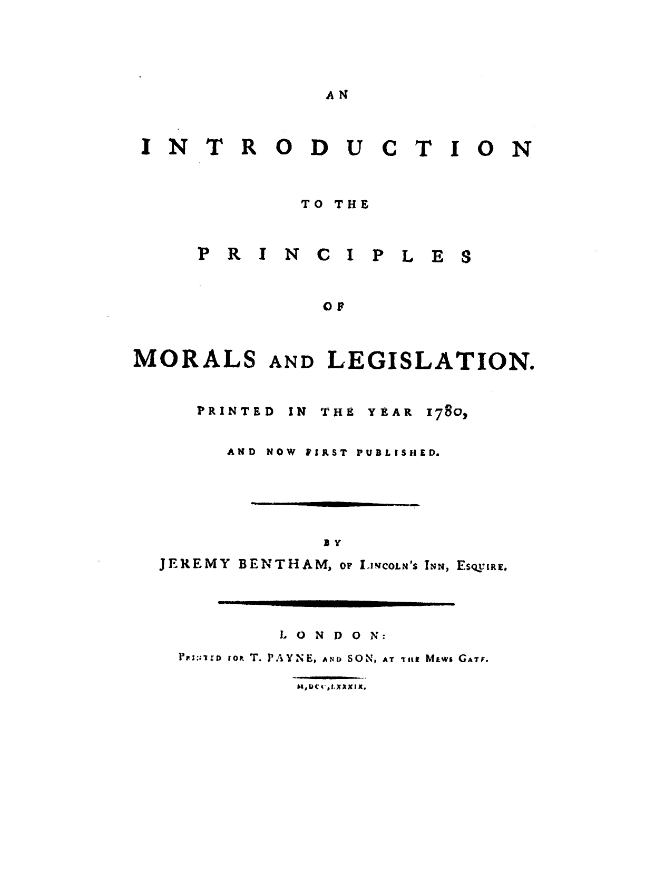 Book
Primary source
An Introduction to the Principles of Morals and Legislation
Jeremy Bentham · 1789 (printed 1780)
 Book
Primary source
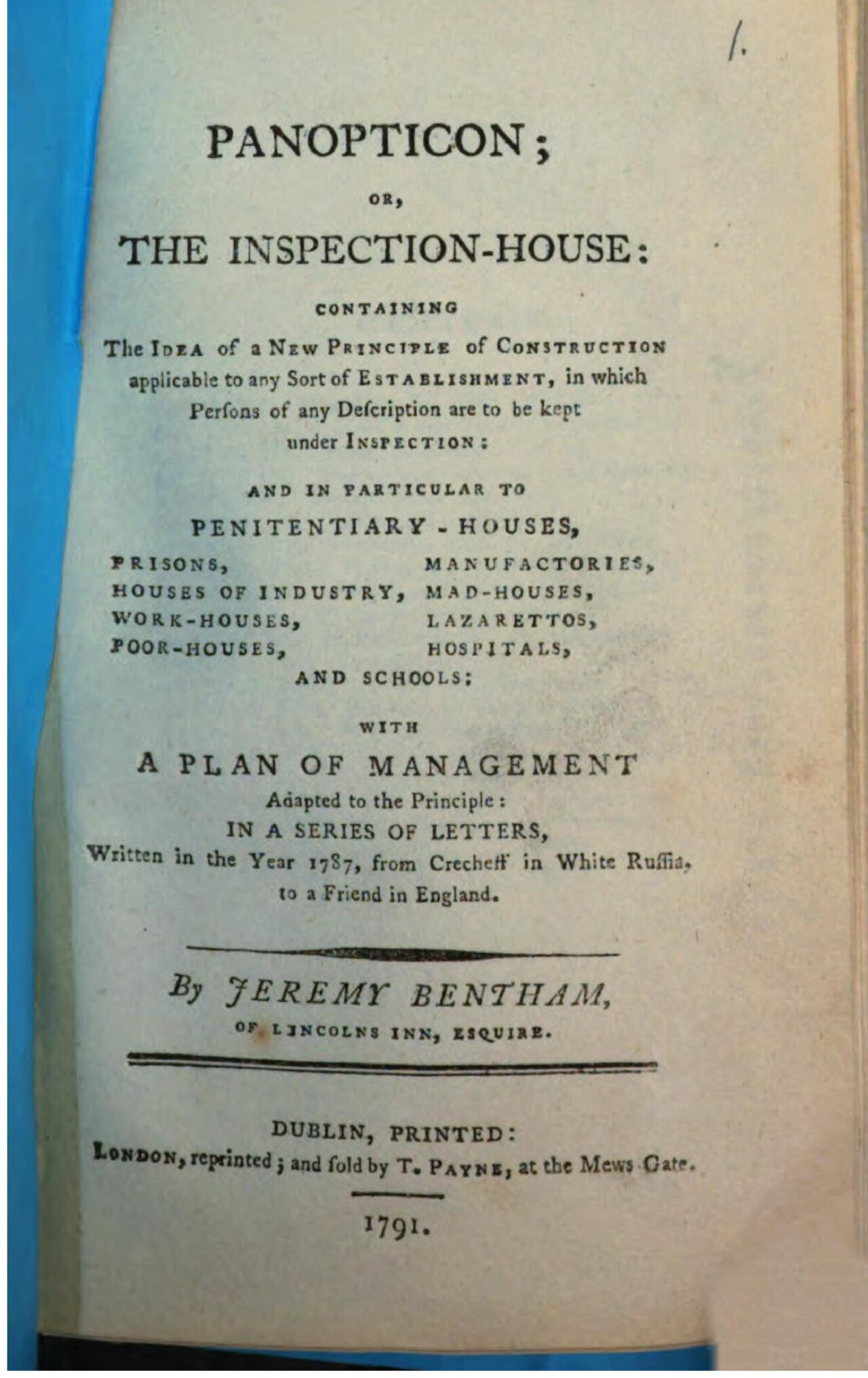
Panopticon; or, The Inspection-House
Jeremy Bentham · 1791 (letters written 1787)
 Artifact
Primary source
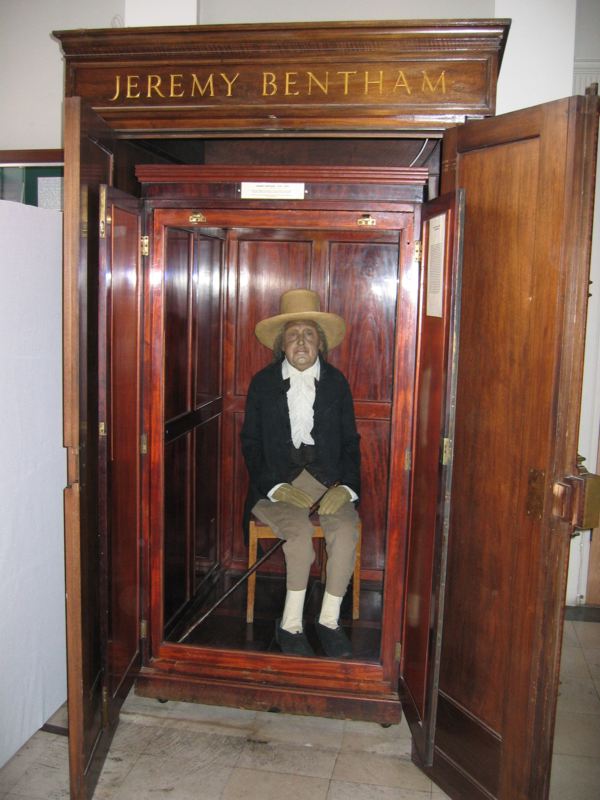
Auto-icon of Jeremy Bentham
Thomas Southwood Smith · 1832
 Book
Primary source
A Fragment on Government
Jeremy Bentham · 1776
 Painting
Primary source
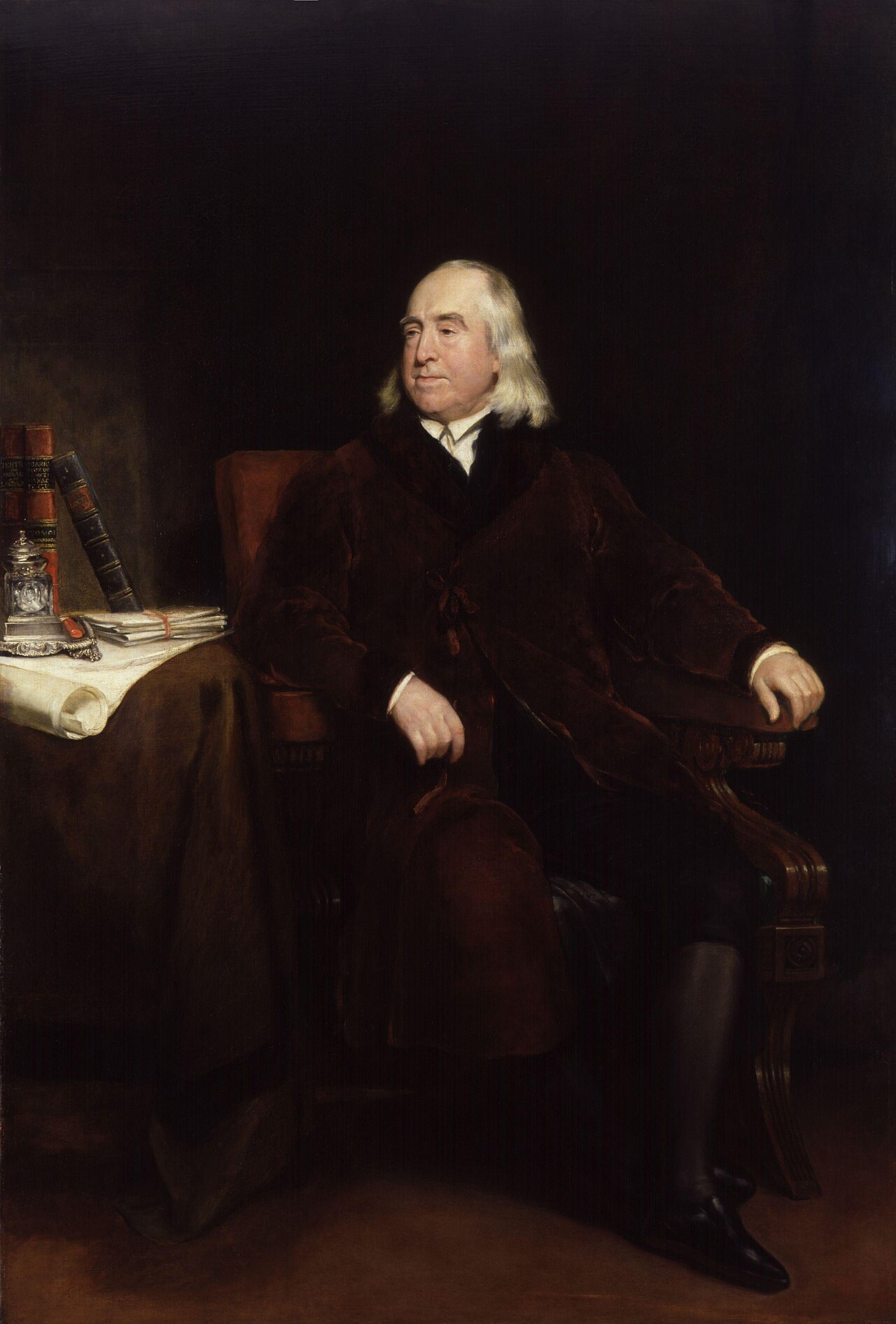
Jeremy Bentham
Henry William Pickersgill · c. 1829
Ready when you are
Start chatting with Jeremy Bentham now.
20 messages free · No credit card · Available in 50+ languages.