


Primary sourceBook1852-1853
Bleak House
Charles Dickens · 1852-1853
A LibriVox volunteer audio reading of Dickens's novel satirising the Court of Chancery.
This is Dickens's own novel, shown here as a later volunteer audio reading rather than in his voice.
About this source
What it is
This is a modern volunteer audio reading, made by LibriVox, of Bleak House, Dickens's ninth novel, first published in monthly parts between 1852 and 1853. The story is told partly through its heroine Esther Summerson and partly by an all-knowing narrator.
Why it matters
Bleak House is considered one of Dickens's most complex and complete novels, with a huge cast of minor characters and sub-plots. It is a sharp satire of England's slow and costly legal system, the Court of Chancery, and shows Dickens using fiction to criticise institutions of his time.
Look closer
- Why might Dickens have used two different narrators to tell the same story?
- What does satirising the legal system suggest about Dickens's view of justice in his era?
- How does a modern reading aloud differ from how readers first experienced this story, published in parts?
This book is part of the curated material that grounds the AI version of Charles Dickens on Humy.ai — when students ask about related events, the AI can quote it and cite it.
More Charles Dickens sources
Meet the AI Charles Dickens →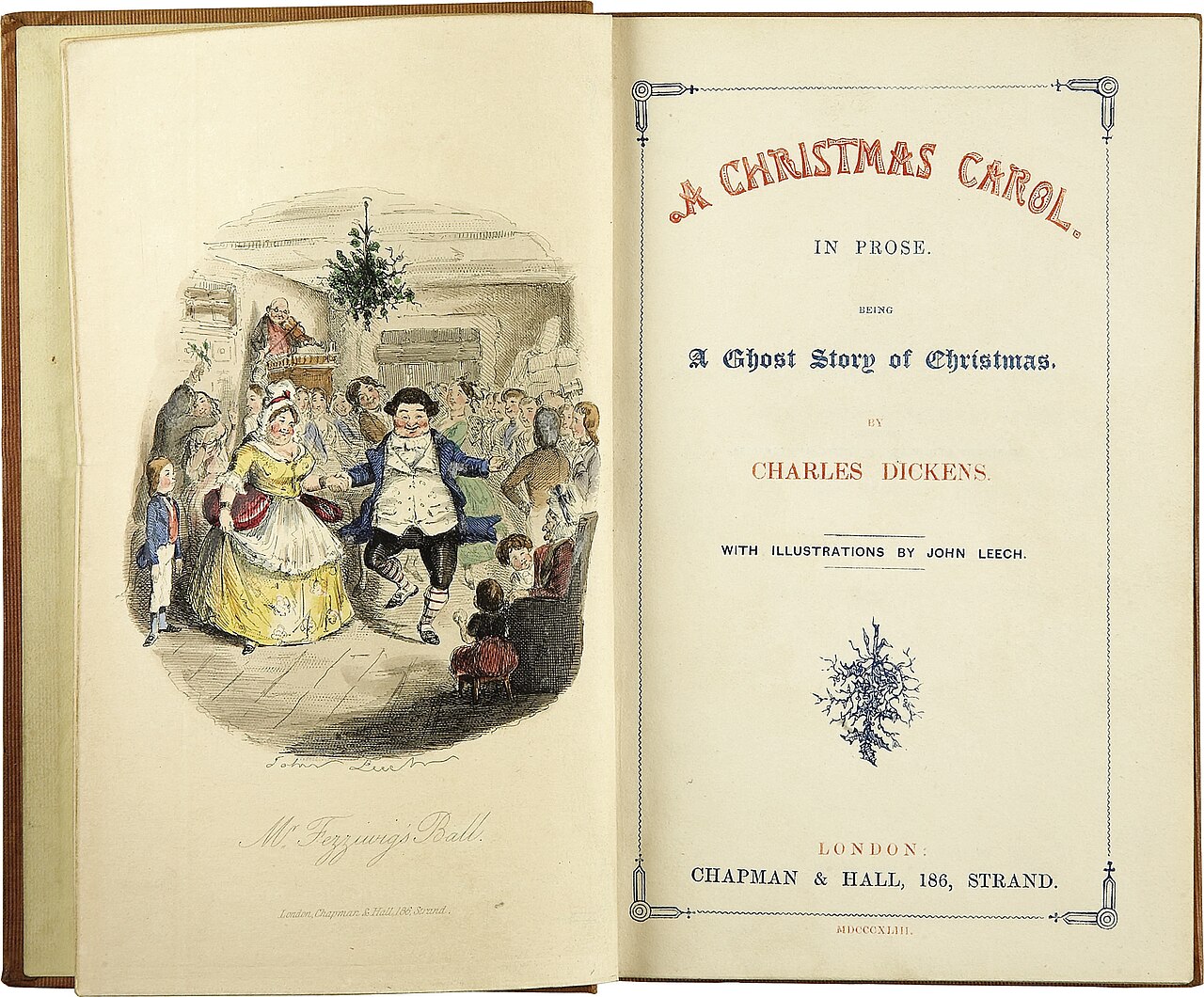 Book
Primary source
A Christmas Carol
Charles Dickens · 1843
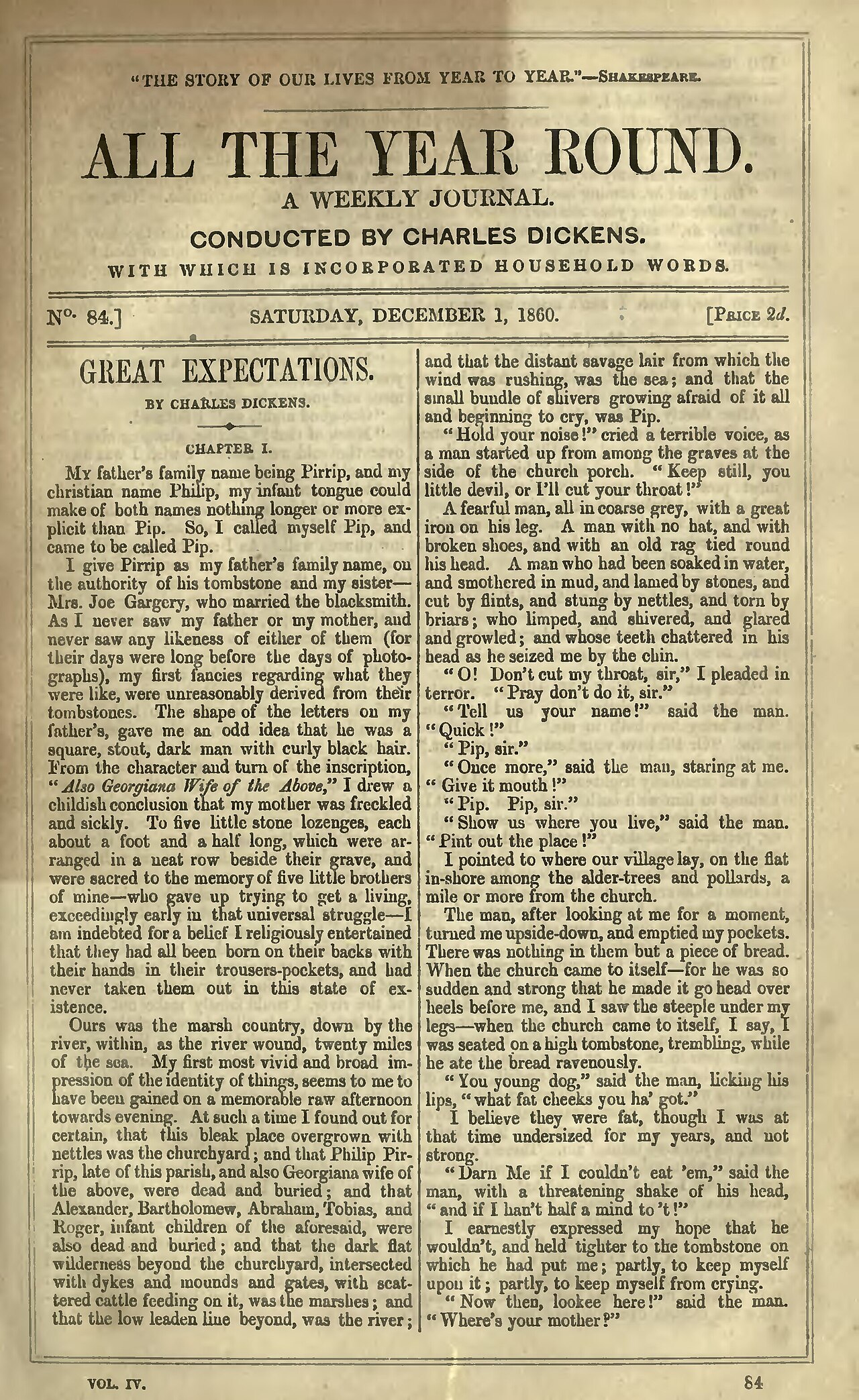 Book
Primary source
Great Expectations
Charles Dickens · 1860–1861
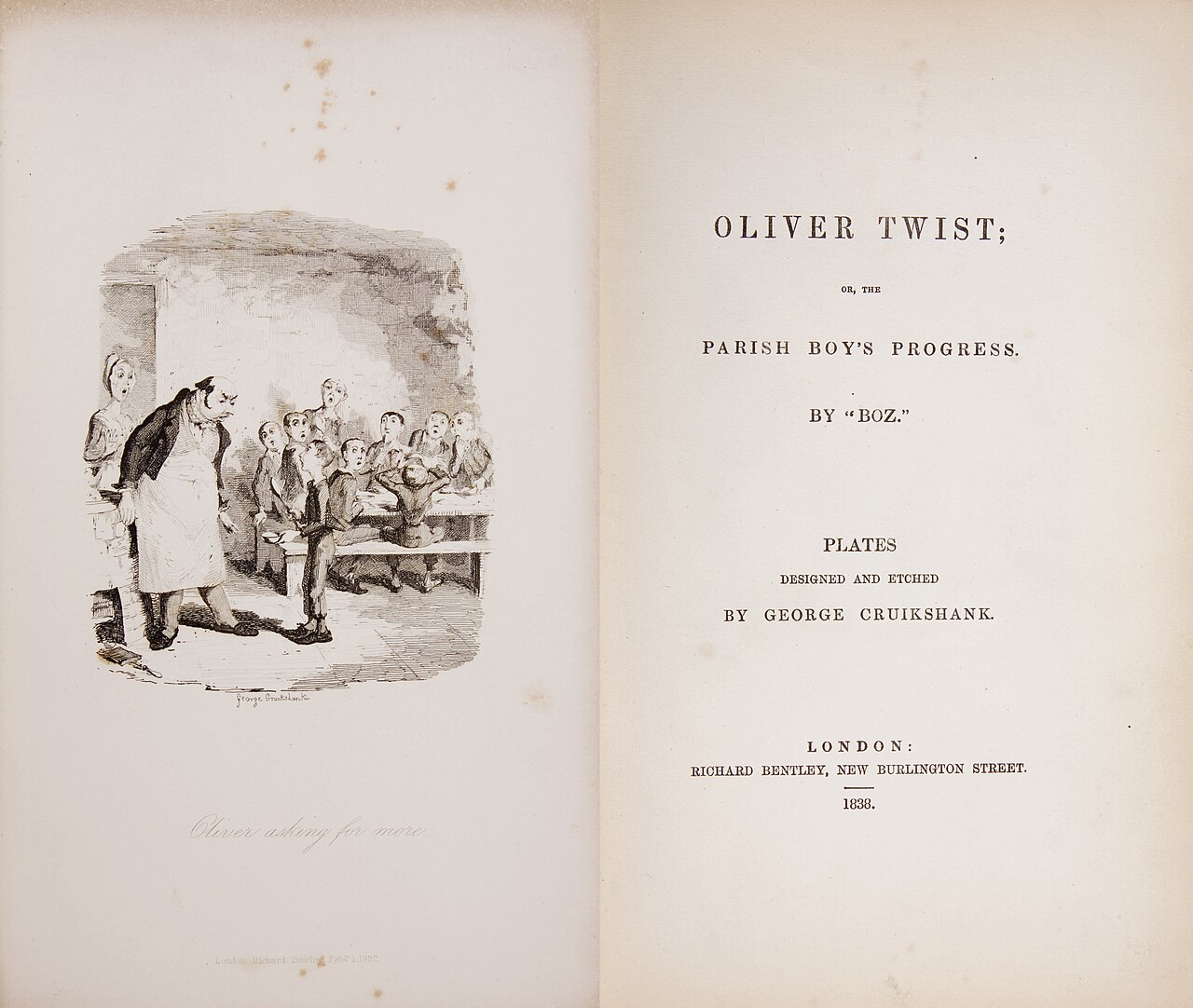 Book
Primary source
Oliver Twist
Charles Dickens · 1838 (serialised 1837–1839)
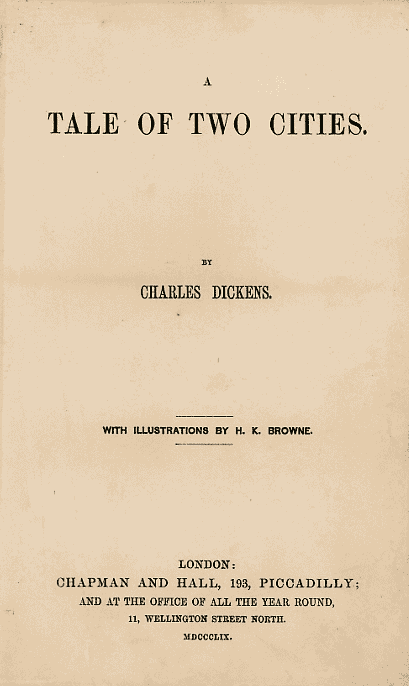 Book
Primary source
A Tale of Two Cities
Charles Dickens · 1859
 Book
Primary source
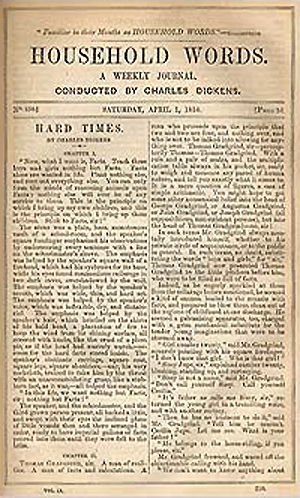
Hard Times: For These Times
Charles Dickens · 1854
Ready when you are
Start chatting with Charles Dickens now.
20 messages free · No credit card · Available in 50+ languages.